
Titanium anodes for impressed current cathodic protection (ICCP) are MMO coated titanium electrodes that deliver protective current to a buried or submerged structure without dissolving. They have largely replaced consumable anodes in ICCP because the titanium substrate is dimensionally stable and long-lived. This guide covers coating choice by environment, the forms used, and what to state on an enquiry.
Coating choice by environment
The coating is matched to the chloride level of the environment. An iridium-tantalum oxide coating is used in soil, fresh water and concrete, where chloride is low or absent and the reaction is oxygen evolution. A ruthenium-iridium oxide coating is used in seawater, brackish water and mud, where chloride is present and the reaction is chlorine evolution.
| Environment | Coating the guide names |
|---|---|
| Soil, fresh water and concrete | Iridium-tantalum oxide, where chloride is low |
Forms
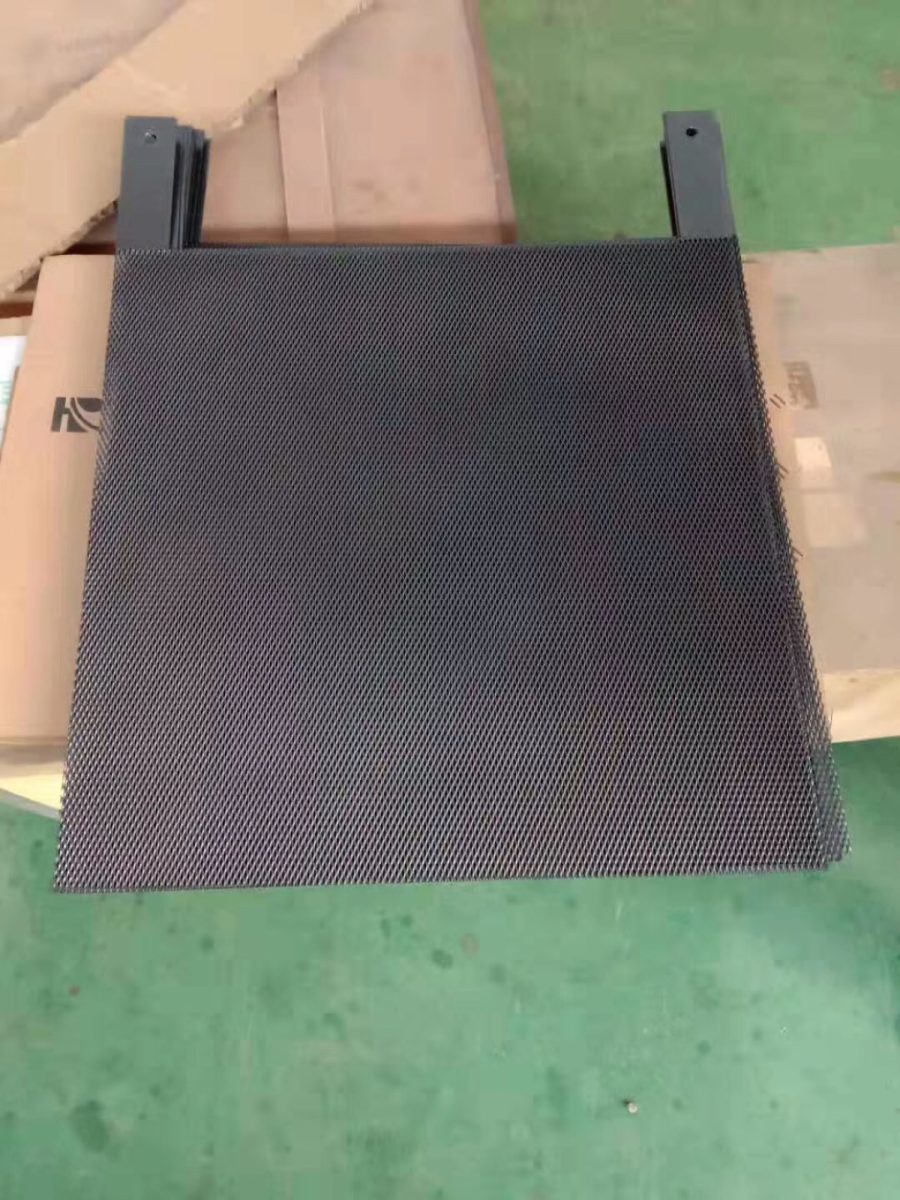
ICCP titanium anodes are supplied as wire and ribbon for concrete and tank applications, as rod and tubular anodes for groundbeds and water tanks, as mesh and ribbon mesh for reinforced concrete, and as disc and probe anodes. The form is chosen for the structure and the way current must be spread.
| Form | Where the guide says it is used |
|---|---|
| Wire and ribbon | Concrete and tank applications |
| Rod and tubular anodes | Groundbeds and water tanks |
Common applications
These anodes protect buried and above-ground pipelines, the bottoms and internals of storage tanks, marine structures such as jetties and piles, the steel reinforcement in concrete, and water and effluent tanks. Selection depends on the current the structure needs, the electrolyte, and the design life.
What to specify on a cathodic protection anode RFQ
State the structure and environment, the required current output and design life, the coating type, the anode form and dimensions, and the certificate scope. For electrolytic and water-treatment duties instead, see the MMO coated titanium anode guide. Browse the titanium anode range or send requirements to [email protected].
| Field to state on a cathodic protection RFQ | Detail |
|---|---|
| Structure and environment | Both |
| Duty | Required current output and design life |
| Coating | The coating type |
| Anode | Form and dimensions |
| Documents | The certificate scope |
The design basis behind a cathodic protection anode life figure
The section above asks for the required current output and design life because those two fields size the anode. This is what the coating system is designed against, so an enquiry can be checked before it is sent rather than after a quotation comes back.
These are design figures for the mixed metal oxide coating system at the stated current density, not a warranty on a particular order.
| Condition | Design basis for the coating system |
|---|---|
| Soil ground bed at 100 A/m² | Up to 20 years |
| Shallow or deep soil, container protection, at 100 A/m² | 20 years or more |
| Seawater at 600 A/m² | 20 years or more |
| Coating consumption rate | About 0.1 mg per ampere-year |
| Current density reached without passivation or dissolution of the electrode | 5000 A/m² |
Actual service life follows the electrolyte, the duty cycle, the installed current density and the backfill or bed construction, which is why the required output and design life are restated per order rather than carried over from a previous project.
Two figures sit behind those conditions. The coating resistivity is around 10-7 ohm metres. Where the coating is damaged, the exposed titanium sits at a potential that does not normally exceed 2 volts, below the level at which the passive film would break down, so the bare spot does not become a corrosion site. In soil installations the driving voltage is generally held below 60 volts.
Beiyu Titanium reviews the structure and environment, the required current output and design life, the coating type, the anode form and dimensions and the certificate scope before quotation.
One property sits underneath all of this: the substrate carries current at about three per cent of the conductivity of copper, which is why the connection detail and the section matter alongside the coating choice. Is titanium conductive gives the resistivity figures by grade.
Specification detail with sources
ASTM B338 and B348 cover the tubular and rod substrates ICCP anodes are built on, in Grade 1 (UNS R50250) and Grade 2 (UNS R50400), with Grade 2 adding a 345 MPa minimum tensile strength where the anode string is also structural. Design documents such as ISO 12696 for concrete treat the anode as a component sized by current output and design life, which matches the coating logic above, iridium-tantalum oxide for the low-chloride soil, fresh water and concrete cases against ruthenium-iridium oxide for seawater and brackish service.
Beiyu Titanium supplies the uncoated substrate behind these anode forms: seamless titanium tube from 5 to 325 mm OD in walls of 0.5 to 12 mm for tubular and rod anodes, with Grade 1 or Grade 2 flat product for ribbon and mesh stock, each released with an EN 10204 3.1 certificate. The MMO coating sits outside Beiyu’s mill scope and is specified per order to the environment, and in Penn Ma’s 15 years of RFQ review at Beiyu the coating type, required current output and design life are restated as three separate lines before an anode order releases, because those three fields, not the titanium, set the anode’s service life.