
This category is the industrial tungsten bar and rod RFQ route for pure tungsten, tungsten-base high-density alloy or drawing-based blanks. State which material family is required: pure tungsten and heavy alloy are not interchangeable purchase specifications.
For pure tungsten bar or rod, provide the buyer’s material specification; ASTM B760 covers tungsten plate, sheet and foil and must not be used here as the governing bar or rod standard. ASTM B777 applies only when a tungsten-base high-density alloy specification and class are ordered. Send composition or density, dimensions, condition, tolerance, surface, quantity, drawing and inspection scope for quotation.
Tungsten products
Showing 1-4 of 4 products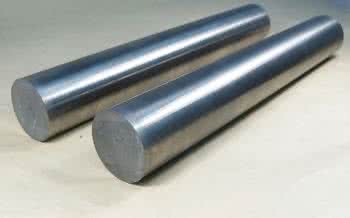 Tungsten Bar and RodTungsten bar and rod in pure W, plus ASTM B777 tungsten-base high-density alloy when specifiedView & RFQ >TUNGSTEN
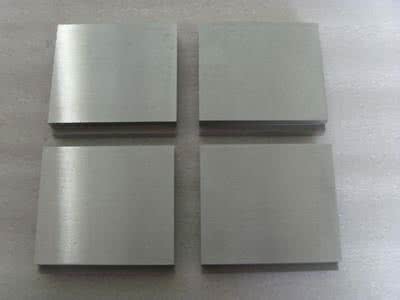 Tungsten Sheet and PlateTungsten sheet and plate in pure tungsten W1 or W2, 1.0 to 25 mm thick with the width customised to the requirementView & RFQ >WIRE
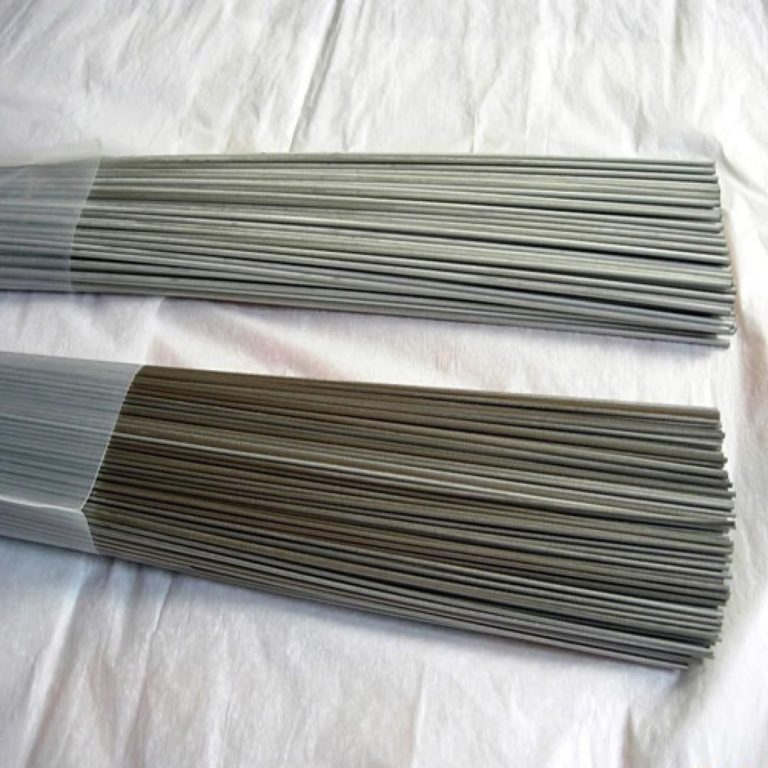 Tungsten WirePure tungsten wire in W1 or W2, Ø0.1 to 1.6 mm, as straight lengths or coiled to the orderView & RFQ >TUNGSTEN
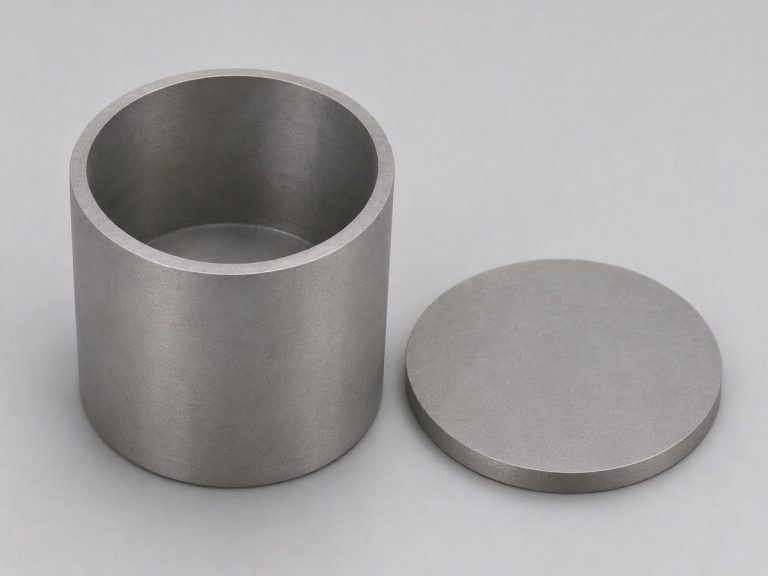 Tungsten CruciblesTungsten crucibles in W1 or W2, made to the buyer's drawingView & RFQ >
Tungsten bar and rod procurement route
“Tungsten bar” search results mix pure tungsten, heavy alloy, consumer weights and non-industrial content. This page narrows the RFQ to pure-tungsten or tungsten-heavy-alloy bar, rod and drawing-based blanks.
| Material route | Specification boundary | Use this route when | RFQ inputs | Product page |
|---|---|---|---|---|
| Pure tungsten bar / rod | State the buyer's material specification; ASTM B760 covers plate, sheet and foil, not bar or rod | The RFQ calls for pure tungsten bar, rod or a cut blank | Purity or material designation, diameter or section, length, condition, tolerance, surface and quantity | Tungsten bar and rod |
| Tungsten-base high-density alloy | ASTM B777 only when that heavy-alloy specification is ordered | The drawing needs a high-density machinable alloy rather than pure tungsten | Class or composition, density, drawing, dimensions, tolerance, machining and inspection scope | Tungsten heavy-alloy RFQ route |
Send pure W or heavy-alloy route, material specification, dimensions, condition, quantity, drawing and inspection scope.
Request a tungsten bar quoteHow ordering works for tungsten bar and rod
State whether the order is pure tungsten or a tungsten-base high-density alloy. For pure tungsten bar or rod, provide the buyer's material specification rather than citing ASTM B760. For heavy alloy, cite ASTM B777 only when that specification and class are actually required.
Acceptance scope: Chemistry, density, dimensional, surface and third-party inspection requirements must be written into the quotation and purchase order.
Tungsten RFQ questions
Which Tungsten grade should be specified?
Select the grade by service medium, strength requirement, forming or machining route and any buyer drawing. Common options in this category include Pure tungsten by ordered specification, Tungsten heavy alloy by drawing, Bar / rod, Cut or machined blank.
Which standards apply to Tungsten RFQs?
The purchase order should state the applicable material or project standard. Typical references for this category include ASTM B777 for heavy alloy only, No B760 claim for bar / rod, Chemistry or density by RFQ, Dimensions, surface and documents.
What information should be sent for quotation?
Send grade, standard, dimensions, tolerance, quantity, surface condition, application, destination and required documents such as MTC or EN 10204 3.1.
More about Tungsten
Engineering case: Tungsten heavy-alloy cubes to ASTM B777 Class 2
An Italian materials supplier asked for a quotation on tungsten heavy-alloy cubes in two sizes: 500,000 pieces at 6.5 × 6.5 × 6.5 mm and 100,000 pieces at 5.5 × 5.5 × 5.5 mm. The buyer confirmed the grade by a proprietary trade designation. In October 2026 Beiyu issued a formal quotation for ASTM B777 Class 2 tungsten alloy cubes. The estimated weights were about 2,500 kg and 300 kg respectively, assuming no cut pieces, for an estimated total of about 2,800 kg. These kilogram figures are estimates; the RFQ quantities were set in pieces. After the main quotation, the buyer asked about 50 samples of the 5.5 mm cube. Beiyu instead offered a 10 kg sample made through the production process, approximately 3,400 cubes, plus the mould. The sample proposal was separate from the main quantities. No order for either the sample or the main quantities is recorded.
Specification detail with sources
ASTM’s placement of flat tungsten in B760 and heavy alloy in B777 reflects two different purchase specifications hiding behind one metal name, and density is where the difference gets checked. Unalloyed tungsten runs 19.3 grams per cubic centimeter, close to three times zirconium’s 6.5 and nearly twice molybdenum’s 10.2, so a weighed piece exposes a substitution faster than any label, which is one reason this page asks for density alongside composition.
Beiyu Titanium supplies tungsten bar and rod to the envelope published further down this page, and quotes each item against the buyer’s material specification, drawing and stated class. Every order runs the same process as Beiyu’s other lines: review of grade or composition, standard, dimensions, tolerance, surface condition and inspection scope before quotation, chemical analysis through one of two laboratory routes, third party inspection by agreement, and marking, weighing and packing recorded before dispatch with MTC and EN 10204 3.1 by order scope.
Supply envelope for tungsten
Tungsten is bought in small quantities against tight drawings, and the form decides almost everything else. The table gives the ranges each form is produced to.
| Form | Range |
|---|---|
| Sheet and plate | 1.0 mm to 25 mm thick, width customised to the requirement |
| Round bar and rod | Ø1.6 mm to 70 mm |
| Wire | Ø0.1 mm to 1.6 mm |
| Pipe | Ø80 mm, wall 3 mm to 5 mm, length to 3000 mm |
The table spans more than one purchase specification: ASTM B760 governs the sheet and plate line, ASTM B777 applies only where tungsten-base high-density alloy is ordered, and pure tungsten bar and rod go to the buyer’s material specification or drawing; the governing document for each item is written into the order rather than assumed from the metal name.
The grades supplied are W1 and W2 together with the W-Ni-Fe, W-Mo, W-Cu and W-La compositions, and which one is wanted belongs on the enquiry beside the size. Pressed and sintered stock and stock worked after sintering differ in density, in how they machine and in the surface they hold, so the route and the surface state are separate lines from the dimension. The diameter range in the table is what Beiyu Titanium supplies as standard, and larger or smaller sections are quoted as custom work.
Related tungsten guides: what tungsten is used for and whether tungsten is magnetic.
The melting point used on this site, 3410 °C, and the 3414 and 3422 °C figures in other references are compared on the tungsten melting point page.
Tungsten heavy alloy classes, density, magnetic grades and ordering are set out on the tungsten heavy alloy page.
Request a quote for Tungsten
Send grade, standard, size, tolerance, quantity, application and certificate requirements for review.