
Titanium anodes are used in electrochemical equipment where titanium acts as the corrosion-resistant substrate for coated, plated or assembled anode products. This category covers MMO coated titanium anodes, Ru-Ir titanium anodes, platinum plated titanium anodes, titanium electrode parts and sodium hypochlorite anode groups for water treatment, electrolysis, hydrometallurgy, cathodic protection and related industrial systems. Buyers should define substrate grade, drawing, active area, coating system, plate or mesh thickness, terminal details, service medium and inspection requirements. For replacement parts, photos or installation drawings help confirm hole pattern, connection position and overall fit before production planning. Coating selection, connection design and working environment should be reviewed together because the same titanium base material can perform differently under different current density, electrolyte and cleaning conditions.
Titanium Anode products
Showing 1-5 of 5 products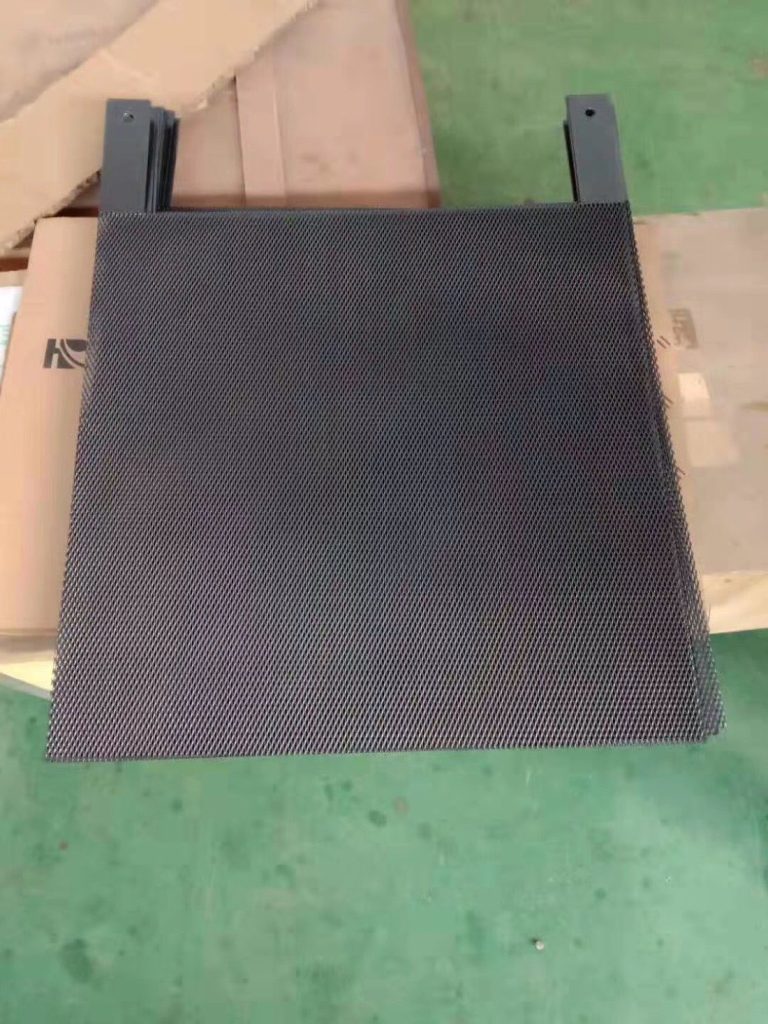 MMO Coated Titanium AnodesMMO coated titanium anodes based on titanium sheet, mesh, tube or custom substratesView & RFQ >PLATINUM
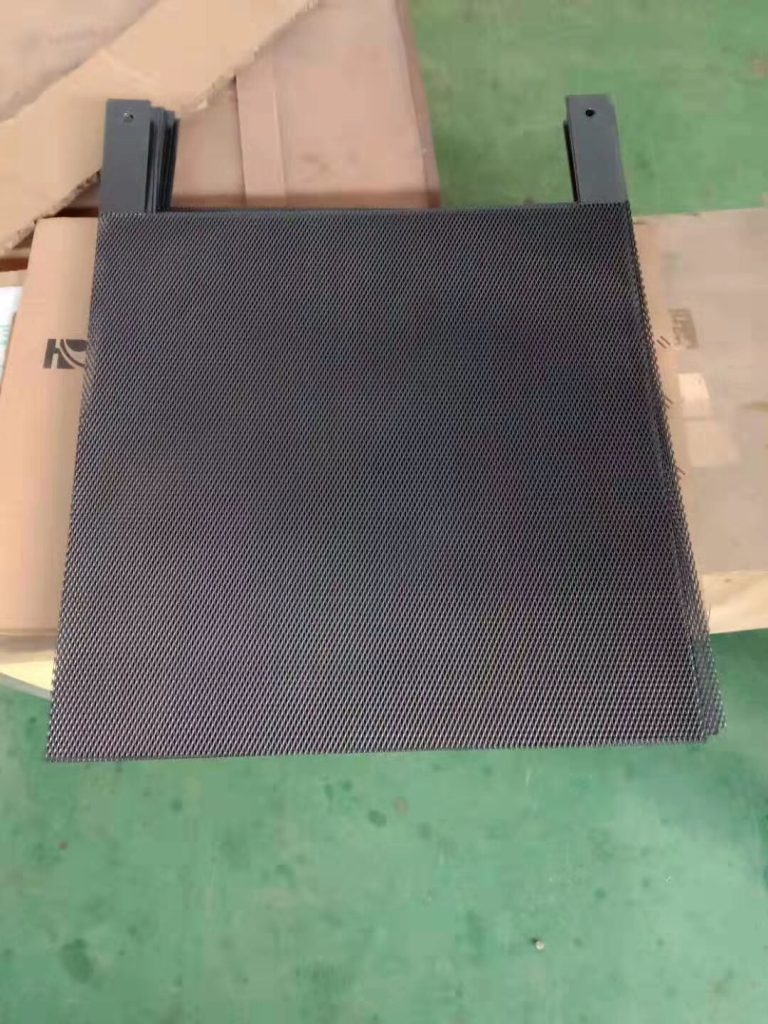 Platinum Plated Titanium AnodePlatinum plated titanium anode parts for electrochemical cells, water treatment and corrosion-service equipmentView & RFQ >RU-IR
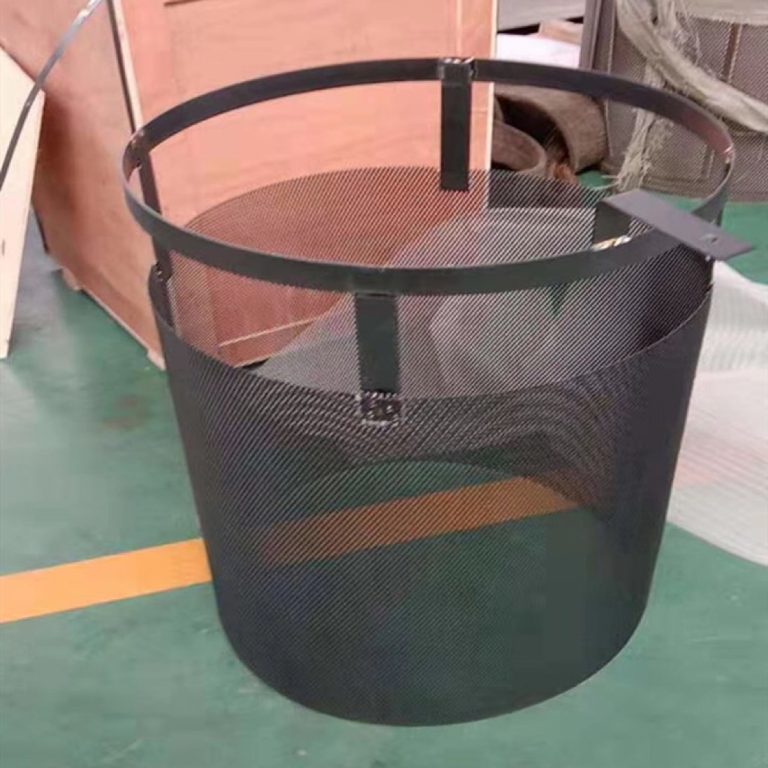 Ru-ir Titanium AnodesRu-Ir coated titanium anodes for chlorine evolution, sodium hypochlorite generation and water-treatment electrolysis systemsView & RFQ >ANODE
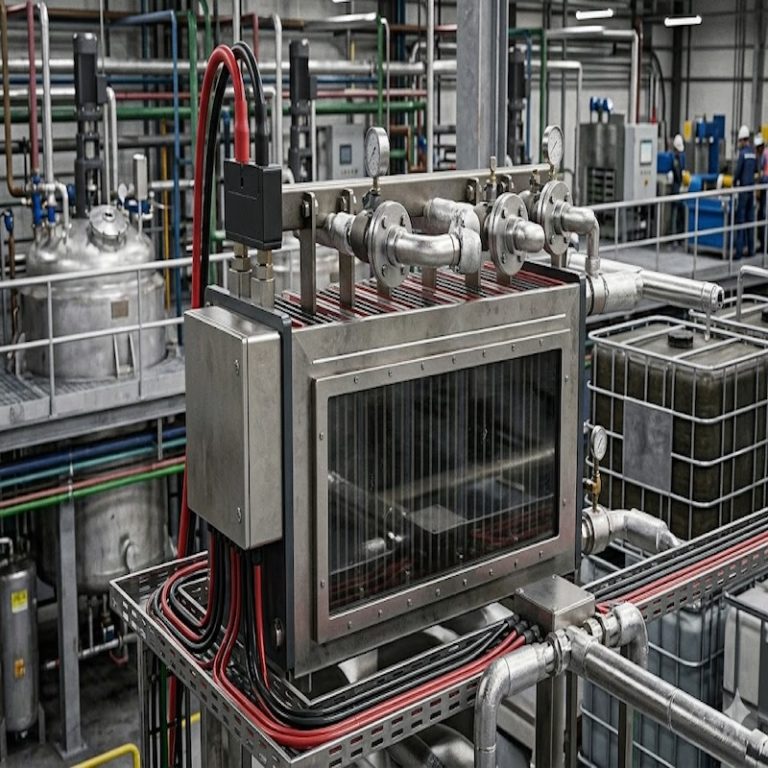 Sodium Hypochlorite Titanium Anode GroupTitanium anode groups for sodium hypochlorite generators and water-treatment equipmentView & RFQ >MMO
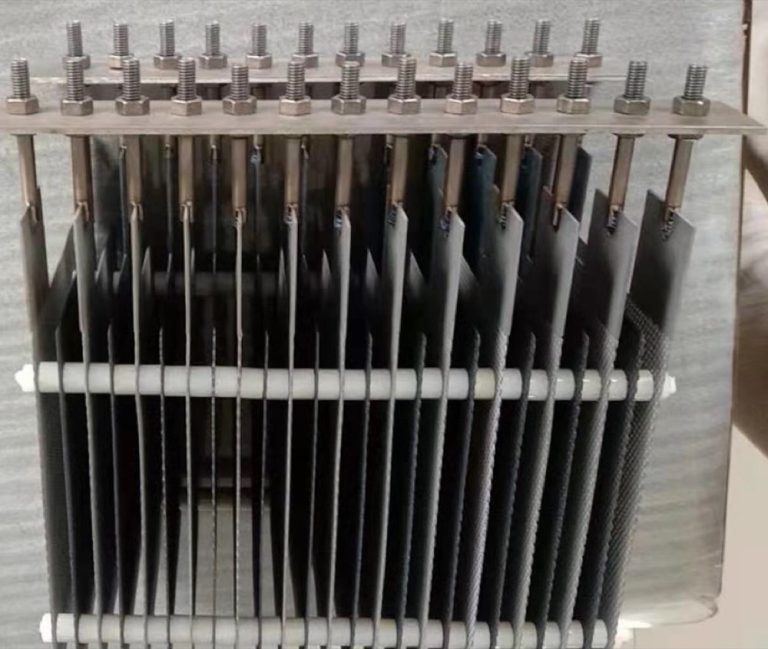 Titanium Electrodes | MMO Coated Titanium Anode PartsTitanium electrodes with ruthenium-iridium, iridium-tantalum or platinum-based coatings for water treatment, electrochemical equipment and corrosion-service cellsView & RFQ >
 Titanium anode selection and RFQ data
For buyers comparing titanium anode suppliers, coating chemistry cannot be selected from the product name alone. The operating medium, current density, active area, duty cycle and cell drawing determine whether an MMO, Ru-Ir or platinum-plated titanium anode is the better RFQ route.
| Anode route | Common selection context | RFQ inputs to define |
|---|---|---|
| MMO coated titanium | Water treatment and general electrochemical equipment | Electrolyte, substrate form, coating requirement, active area and current density |
| Ru-Ir coated titanium | Chlorine evolution and sodium hypochlorite systems | Chloride concentration, temperature, target output, duty cycle and cell drawing |
| Platinum plated titanium | Electrochemical cells and corrosion-service equipment | Platinum layer requirement, masking, active area, medium and cleaning method |
| Electrode or anode group | Replacement assemblies and drawing-based cells | Terminal layout, power connection, installation clearance and inspection scope |
Send the medium, current density, active area, substrate form, coating requirement, drawing, quantity and document scope for technical review.
Request an anode quoteHow ordering works for titanium anodes
Beiyu reviews the electrolyte and operating duty before confirming the titanium substrate, coating route and active area. The quotation then identifies the agreed substrate form, coating requirement, drawing revision, inspection documents and packing scope. A coating used for one electrolyte should not be assumed suitable for another process.
Anode price and production schedule depend on substrate size and fabrication, coating system and loading, active area, terminal design, quantity and inspection scope. Minimum quantity, stock position and lead time are confirmed case by case after technical review; no fixed value is implied by this category page.
RFQ sequence: Operating data and drawing → coating and substrate review → quotation and document scope → production against the approved order.
Titanium Anode RFQ questions
Which Titanium Anode grade should be specified?
Select the grade by service medium, strength requirement, forming or machining route and any buyer drawing. Common options in this category include Gr 1/2 substrate, MMO coating, Ru-Ir coating, Pt plated.
Which standards apply to Titanium Anode RFQs?
The purchase order should state the applicable material or project standard. Typical references for this category include Coating by medium, Current density, MTC, Dimensional check.
What information should be sent for quotation?
Send grade, standard, dimensions, tolerance, quantity, surface condition, application, destination and required documents such as MTC or EN 10204 3.1.
More about Titanium Anode
Beiyu Titanium supplies industrial titanium anodes for electrochemical and corrosion-protection systems, including MMO (mixed metal oxide) coated titanium anodes, platinized titanium anodes, and titanium mesh and auxiliary anodes. Anodes are made on titanium substrate to the substrate grade and coating your process requires, and ship with an EN 10204 3.1 mill test certificate for the base material. This is industrial anode supply for electrolysis, cathodic protection and water treatment, not consumer anodizing or water-heater anode rods.
Titanium anode manufacturer and supplier
As a manufacturer-backed export supplier, Beiyu Titanium provides MMO and platinized titanium anodes, auxiliary anodes and titanium anode baskets to drawing or specification. State the substrate grade, coating type, current density, dimensions and service medium so the correct anode can be reviewed before quotation.
For coating and substrate selection, see the MMO coated titanium anode guide before specifying Ru-Ir or Ir-Ta coating, form, working area and electrolyte.
For ICCP environments, review the titanium anode cathodic protection guide before confirming anode form, coating type, current output and design life.
A supplier comparison for this family, built from one search on one day and read from each company’s own site, is at Top Titanium Anode Manufacturers: A Reproducible Company List.
Specification detail with sources
ASTM B265 governs the titanium substrate that coated anodes are built on, and its interstitial caps are the working difference between substrate grades: Grade 1 (UNS R50250) limits oxygen to 0.18 percent and iron to 0.20 percent, giving the softest and most formable base for mesh and deep-formed anode shapes, while Grade 2 (UNS R50400) allows 0.25 percent oxygen and 0.30 percent iron in exchange for a 345 MPa minimum tensile strength. Because the coating does the electrochemical work, these composition caps are what an anode drawing should call out for the base material rather than a trade name.
Beiyu Titanium supplies the substrate side of anode work from its own flat-product envelope: sheet from 0.5 to 3 mm thickness at widths to 1,500 mm, plate from 3 to 70 mm at widths to 2,500 mm, and foil from 0.02 to 0.3 mm at widths to 600 mm in coil. In Beiyu’s routing, substrate chemistry is analysed per heat at an external mill laboratory or the mill’s own in-house laboratory before coating or assembly, so an anode RFQ that fixes substrate grade, thickness, active-area dimensions and coating system lets Beiyu confirm the base material against this envelope in the first review.
Choosing the coating system before the anode size
An anode is selected by what the coating has to do, not by the metal underneath. The titanium substrate is the same carrier in every case; the coating decides which reaction the anode is built for, and putting the wrong one into a duty shortens its life.
| Coating family | Classification | Duties it is normally supplied into |
|---|---|---|
| Ruthenium based | Chlorine evolution | Sodium hypochlorite electrolysis, electroplating, chlor alkali service, and anode wire for water heater cathodic protection |
| Iridium based | Oxygen evolution | Electroplating, aluminium foil formation, copper recovery from etching solution, electrolytic copper foil, swirl electrolysis equipment, and cathodic protection anodes |
| Platinum plated | Platinum plating | Functional water electrolysis |
The first two rows are the distinction that decides most enquiries. Chlorine evolution and oxygen evolution are different electrochemistry, and a coating tuned for one is not a cheaper version of the other.
The operating envelope each coating is quoted within
Once the coating family is settled, four numbers decide whether the anode suits the cell. An enquiry that carries the electrolyte, its concentration, the operating temperature and the current density can be answered against this table; one that carries only an anode size cannot.
| Coating family | Current density | Operating temperature | Coating thickness | Precious metal loading |
|---|---|---|---|---|
| Ruthenium based | Below 2000 A/m² | Stated with the duty | 5 to 20 µm | 5 to 20 g/m² |
| Iridium based | Below 2000 A/m² | Below 70 °C | Stated with the duty | 10 to 45 g/m² |
| Platinum plated | Below 4000 A/m² | Below 80 °C | 0.5 to 10 µm | Stated with the duty |
The ruthenium system is additionally bounded by acid strength, and is supplied for hydrochloric service below 20 percent. Precious metal loading is a field enquiries often leave out, and it moves both price and service life, so it belongs on the enquiry beside the active area rather than being left to the supplier.
For cathodic protection the two systems split by electrolyte rather than by duty: ruthenium based coatings are supplied into saltwater and seawater, iridium based coatings into soil and fresh water. Anodes are produced as plate, rod, sheet, wire, mesh, tube, ring, strip and basket forms, so the shape is an order line of its own.
These are Beiyu Titanium supply ranges rather than a statement that every coating, loading and form is available in every combination, and the ordered combination is confirmed at quotation. The substrate is a separate acceptance from the coating and each has its own record: Beiyu Titanium issues an EN 10204 3.1 mill test certificate with heat number traceability for the titanium substrate, with the reporting scope set by the order, while the coating is described by its process rather than by a material specification.
Request a quote for Titanium Anode
Send grade, standard, size, tolerance, quantity, application and certificate requirements for review.