
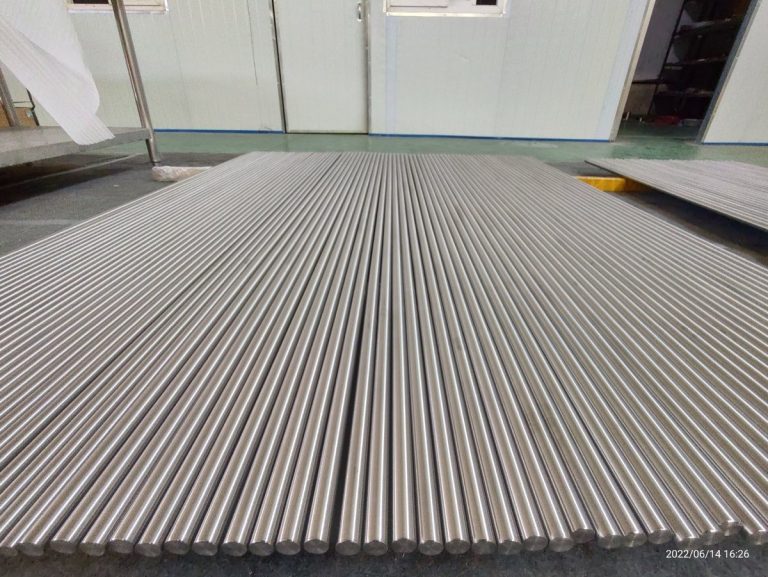
Beiyu supplies titanium round bar and bar stock in Grade 2, Grade 5 Ti-6Al-4V, Grade 7, Grade 12 and Grade 23 for machining and specification-controlled RFQs. Common ordering routes include ASTM B348, AMS 4928, ASTM F67 and ASTM F136; availability is confirmed by grade, diameter or section, condition, tolerance, quantity and document scope.
Titanium Bar products
Showing 1-7 of 7 products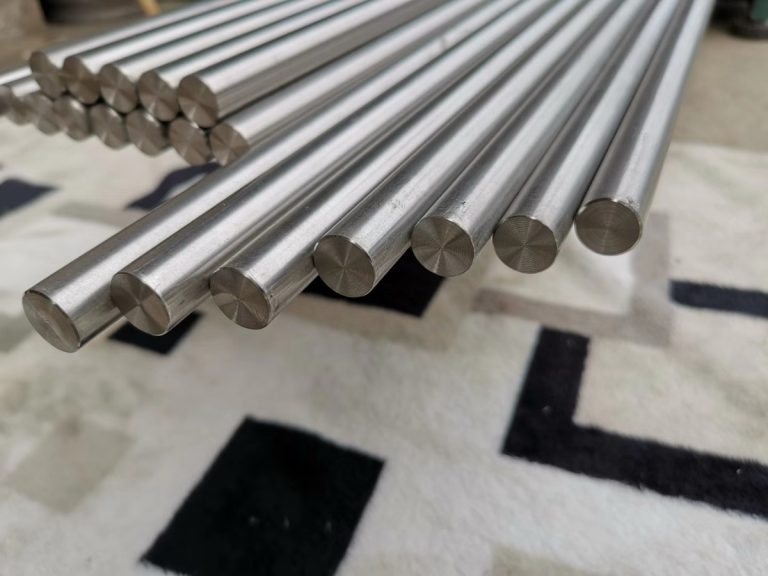 Grade 5 Titanium Bar | Ti-6Al-4V (6Al4V) Round BarGrade 5 titanium bar in Ti-6Al-4V / UNS R56400 for high-strength machined parts, fasteners, shafts and industrial componentsView & RFQ >GRADE 1
 ASTM F67 Titanium Bar | CP Grade 1-4 Surgical Implant BarASTM F67 commercially pure titanium bar for medical-related, implant, dental and precision machined componentsView & RFQ >GRADE 12
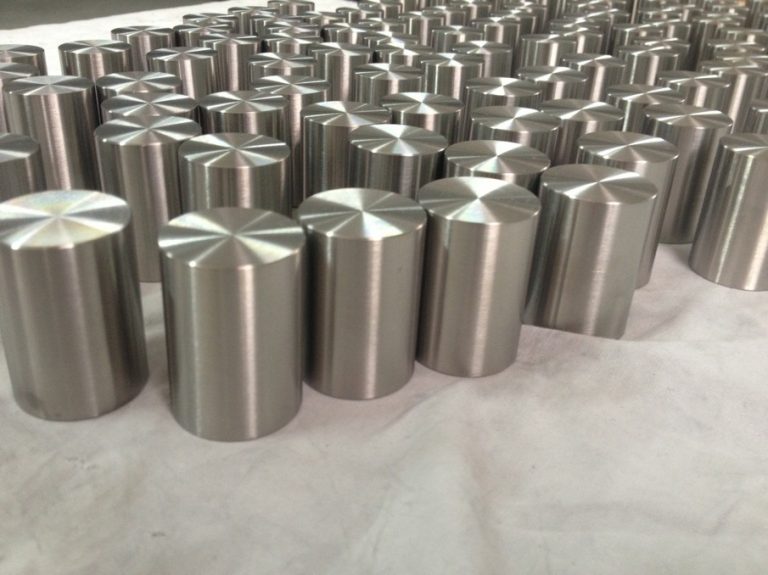 Grade 12 Titanium Bar | ASTM B348 Ti-0.3Mo-0.8Ni BarGrade 12 titanium bar for corrosion-resistant machined parts, chemical equipment, marine components and heat exchanger hardwareView & RFQ >GRADE 2
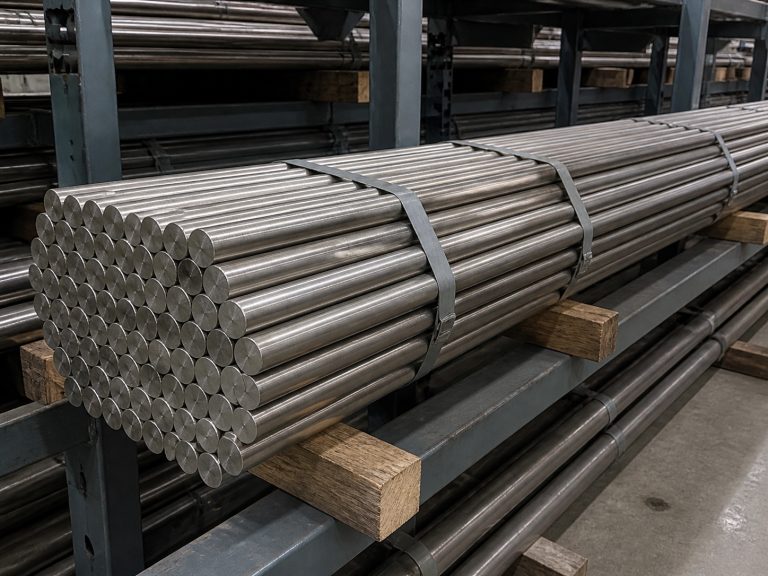 Grade 2 Titanium Bar | ASTM B348 Commercially Pure TitaniumASTM B348 Grade 2 commercially pure titanium bar, UNS R50400, for corrosion-service shafts, pins, fasteners and machined componentsView & RFQ >TI-6.5AL-3.5MO
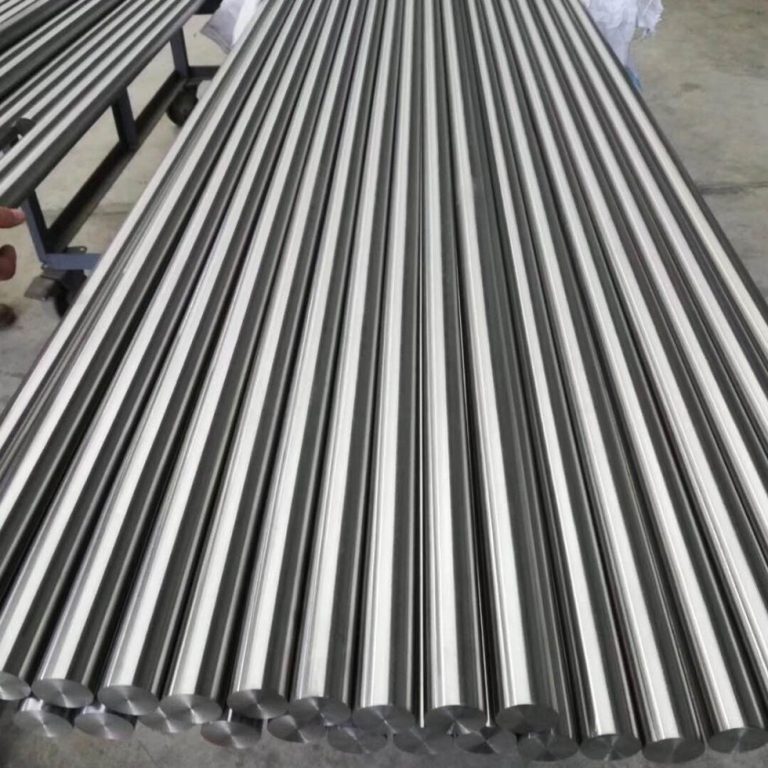 Ti-6.5Al-3.5Mo Titanium Bar | High-Strength Titanium Alloy BarTi-6.5Al-3.5Mo titanium bar for drawing-based high-strength titanium alloy components, forged or machined parts and industrial applications requiring controlled alloy chemistry and mechanical propertiesView & RFQ >GRADE 23
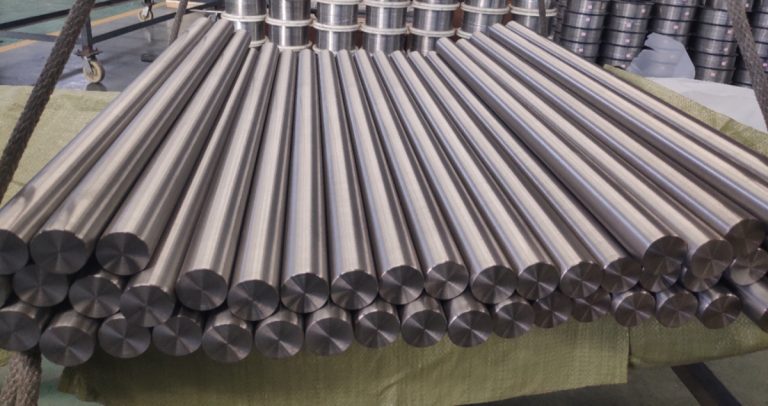 Ti-6Al-4V ELI Titanium Bar | Grade 23 ASTM F136 BarTi-6Al-4V ELI / Grade 23 titanium bar for implant, medical-related and high-toughness applications requiring controlled interstitial chemistryView & RFQ >GRADE 7
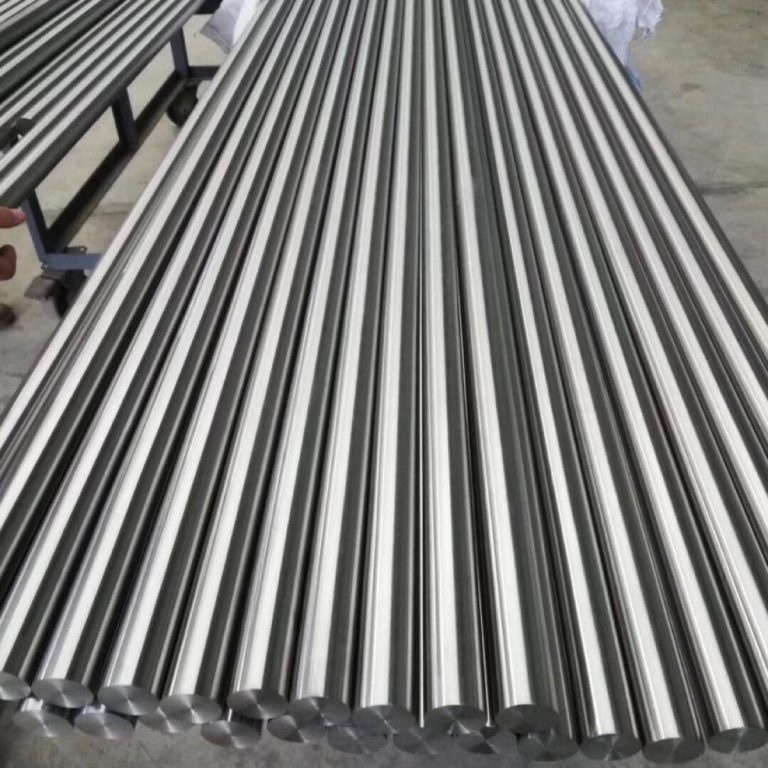 Titanium Bar Gr7Grade 7 titanium bar in Ti-0.15Pd / UNS R52400 for corrosion-service machined parts, fasteners and chemical equipment componentsView & RFQ >
 Technical guides
Choose the titanium bar route before comparing price
A broad request for titanium round bar is not enough to quote responsibly. Grade and ordered specification affect chemistry, mechanical requirements, condition, testing, certification, production route and usable machining allowance.
| Bar route | Use this route when | Product page |
|---|---|---|
| Grade 2 commercially pure bar | Chemical, marine and general industrial machined parts where commercially pure titanium and corrosion resistance drive selection | Grade 2 ASTM B348 bar |
| Grade 5 Ti-6Al-4V bar | Structural and machined parts when the purchase order does not require the separate AMS 4928 route | General Grade 5 bar |
| AMS 4928 Grade 5 bar | The ordered revision, condition, test and certification package must follow AMS 4928 | AMS 4928 bar guide |
| Grade 7 Ti-0.15Pd bar | Palladium-alloyed commercially pure titanium is specified for a defined corrosion environment | Grade 7 bar |
| Grade 12 Ti-0.3Mo-0.8Ni bar | The drawing or material selection calls for Grade 12 in hot-brine or crevice-corrosion service | Grade 12 bar |
| Grade 23 Ti-6Al-4V ELI bar | ASTM F136, ASTM B348 or the buyer's wrought-material specification is ordered; these routes use UNS R56401 | Grade 23 ELI bar |
Titanium round bar and other bar sections
Round bar is the primary machining form on this hub. The table gives the confirmed factory capability envelope for round, square, flat and hexagonal bar. Availability still depends on grade, production condition, quantity, tolerance and the current production route; these ranges are not a live-stock promise.
| Form | Factory capability envelope | Condition or surface | RFQ inputs to confirm |
|---|---|---|---|
| Round bar | Ø1-500 mm; length ≤6000 mm | Rolled, forged, annealed, peeled, ground, polished or another agreed finish; separate documented precision centerless-ground route Ø3.175-25.4 mm | Diameter, length, tolerance, straightness, machining allowance, end condition and UT scope |
| Square bar | 3×3-500×500 mm; length ≤6000 mm. Sections above this envelope are quoted as forged block up to 600 mm. | As-produced, machined, ground or polished as quoted | Side length, corner condition, section tolerance, straightness and surface |
| Flat bar | 3×12.7-30×500 mm; length ≤6000 mm | As-produced or machined to the ordered drawing | Thickness, width, edge condition, flatness and machining allowance |
| Hexagonal bar | Across flats ≤17 mm; length ≤6000 mm | Finish and condition by quotation | Across-flats size and tolerance, straightness, end cut and packing |
What changes a titanium bar quotation
| Buyer situation | Define in the RFQ | Why it matters |
|---|---|---|
| Rough-machined blank | Finished part size, starting diameter, cut length and machining allowance | Determines input size, yield, saw cutting and the practical production route |
| Precision shaft or fastener stock | Diameter tolerance, straightness, surface roughness, end condition and lot quantity | May require peeling, centerless grinding or additional inspection rather than standard mill finish |
| Corrosion-service component | Medium, concentration, temperature, pressure, joining and cleaning requirements | Grade review still depends on the buyer's service data |
| AMS 4928 drawing | Specification revision, size, condition, test plan, witness points and certification package | Separates an AMS-controlled order from a general Grade 5 bar purchase |
| Medical-material purchase | ASTM F67 or F136 revision, grade, dimensions, surface, cleanliness and lot documents | Prevents a medical-material specification from being treated as a general industrial bar RFQ |
For a bar blank that also needs machining or additional inspection, review the titanium processing services alongside the finished drawing and machining allowance.
Inspection, traceability and export release
State the inspection and document scope before quotation; do not assume every order carries the same package.
- Heat or lot identification linked to the applicable material certificate when required
- Chemical and mechanical results to the ordered material specification
- EN 10204 3.1 mill test certificate when included in the order
- Ultrasonic, PMI, dimensional or third-party inspection when applicable and ordered
- Grade, size, quantity and heat or lot marking on bundles or packages as agreed
- Export packing and end protection confirmed by length, finish and shipment method
What titanium bar sizes can be supplied?
The manufacturing envelope covers round bar from 1 to 500 mm in diameter, square bar from 3 by 3 to 500 by 500 mm, flat bar from 3 by 12.7 to 30 by 500 mm, and hexagonal bar up to 17 mm across flats, all in lengths up to 6000 mm. Sections above this envelope are quoted as forged block up to 600 mm. Availability at a given size depends on the grade, production condition, tolerance and quantity, so the exact size and route are confirmed on the quotation rather than held as fixed stock.
What is the difference between Grade 5 and AMS 4928 titanium bar?
Both are Ti-6Al-4V (Grade 5); the difference is control. A general Grade 5 bar is ordered to a standard mill specification such as ASTM B348. An AMS 4928 bar is ordered to the aerospace specification, so the ordered revision, condition, test plan and certification package must follow AMS 4928. If the drawing or purchase order calls out AMS 4928, it is an AMS-controlled order and not a general Grade 5 purchase.
Send grade, ordered standard, diameter or section, length, condition, tolerance, quantity, application and document requirements.
Request a titanium bar quoteHow ordering works for titanium bar
Bar availability and production are reviewed against each RFQ. The industrial round-bar route and the precision centerless-ground route are quoted separately, since they differ in input size, machining and inspection. On the precision centerless-ground route, different diameters of the same grade can be consolidated into one order. Quantity and schedule are confirmed in the quotation against the ordered grade, size, condition and document scope.
Orders to AMS 4928 or ASTM F136 are scheduled after the ordered revision, dimensions, testing, inspection and certification scope are reviewed. Ultrasonic inspection is included only when the specification, size range or purchase order requires it. Price follows grade, diameter, tolerance class, quantity, inspection scope and market conditions at quotation.
- The capability table above gives the overall form and size envelope. The grade, condition, tolerance and inspection combination remains order-specific.
- The precision centerless-ground program is a separate route with its own Ø3.175-25.4 mm diameter range. Its tolerance and straightness values do not extend to the general round-bar envelope.
- ASME SB-348 adopts the corresponding ASTM B348 material specification. State the required ASME edition and Code context on the purchase order.
MOQ, stock and export scope: Minimum quantity, stock position, packing and lead time are confirmed in the quotation after the RFQ is reviewed.
Titanium Bar RFQ questions
Which standard applies to a titanium round bar?
ASTM B348 is a common industrial route for titanium and titanium-alloy bars and billets. AMS 4928, ASTM F67 or ASTM F136 applies only when that specification is ordered for the relevant grade and use. State the exact standard and revision before production.
Are titanium bar and titanium rod the same?
Buyer terminology varies. Diameter, section, manufacturing condition and governing specification are more reliable than the word rod. State the final dimensions and intended processing route so the quotation identifies the correct product form.
Does every Grade 5 bar meet AMS 4928?
No. A general Ti-6Al-4V Grade 5 order may follow ASTM B348 or another specification. AMS 4928 must be specified and reviewed with its ordered revision, condition, testing and documentation requirements.
What should I send for a comparable titanium bar quotation?
Send grade, standard and revision, diameter or section, length, condition, tolerance, surface, quantity, application, destination, inspection and certificate requirements. Add a drawing for a close-tolerance machined part.
More about Titanium Bar
Use the titanium bar grade selection guide, forms and tolerance guide and machining guide before release. The bar RFQ checklist and weight calculator help prepare dimensions and quantity. Export packing, heat or lot marking, MTC, EN 10204 3.1, UT, PMI and third-party inspection are included only when quoted and ordered.
A supplier comparison for this family, built from one search on one day and read from each company’s own site, is at Titanium Bar Suppliers: Five Company Pages Compared.
Specification detail with sources
ASTM B348 sets the mechanical limits titanium bar is accepted against: annealed Grade 2 bar at 345 MPa minimum tensile strength with yield between 275 and 450 MPa, and Grade 5 Ti-6Al-4V bar at 895 MPa minimum tensile with 828 MPa minimum yield, tested per lot. On the implant side the UNS number follows the standard, not the grade name: Grade 23 bar under ASTM B348 is R56407, and only ASTM F136 assigns R56401, so a medical bar purchase order should quote the standard and UNS as a pair rather than assume they are interchangeable.
Beiyu Titanium supplies round bar from 1 to 500 mm diameter, square bar from 3 x 3 to 500 x 500 mm, flat bar from 3 x 12.7 to 30 x 500 mm and hexagonal bar to 17 mm across flats, all in lengths to 6,000 mm, with sections above that envelope supplied as forged block up to 600 mm. Beiyu holds bar diameter to the h6 through h9 or H6 through H9 tolerance classes and quotes condition by the R, M and Y codes of GB/T 2965 (hot-worked, annealed and cold-worked), so grade, section, tolerance class and condition code are the four entries Beiyu checks a bar RFQ against before quotation.
Two of those entries are decisions in their own right: section is settled in round, square, flat or hexagonal bar, and the tolerance class in how to state a diameter tolerance. Two further fields sit beside them on the same order line, the surface route in peeled, turned or ground bar and the cut in cut length and end condition.
The acceptance side of the same order line runs separately. Straightness and ultrasonic acceptance class are stated by the buyer rather than assumed, and where the bar is going into an implant the choice of specification is set out in F67 or F136 on the order line.
Request a quote for Titanium Bar
Send grade, standard, size, tolerance, quantity, application and certificate requirements for review.