
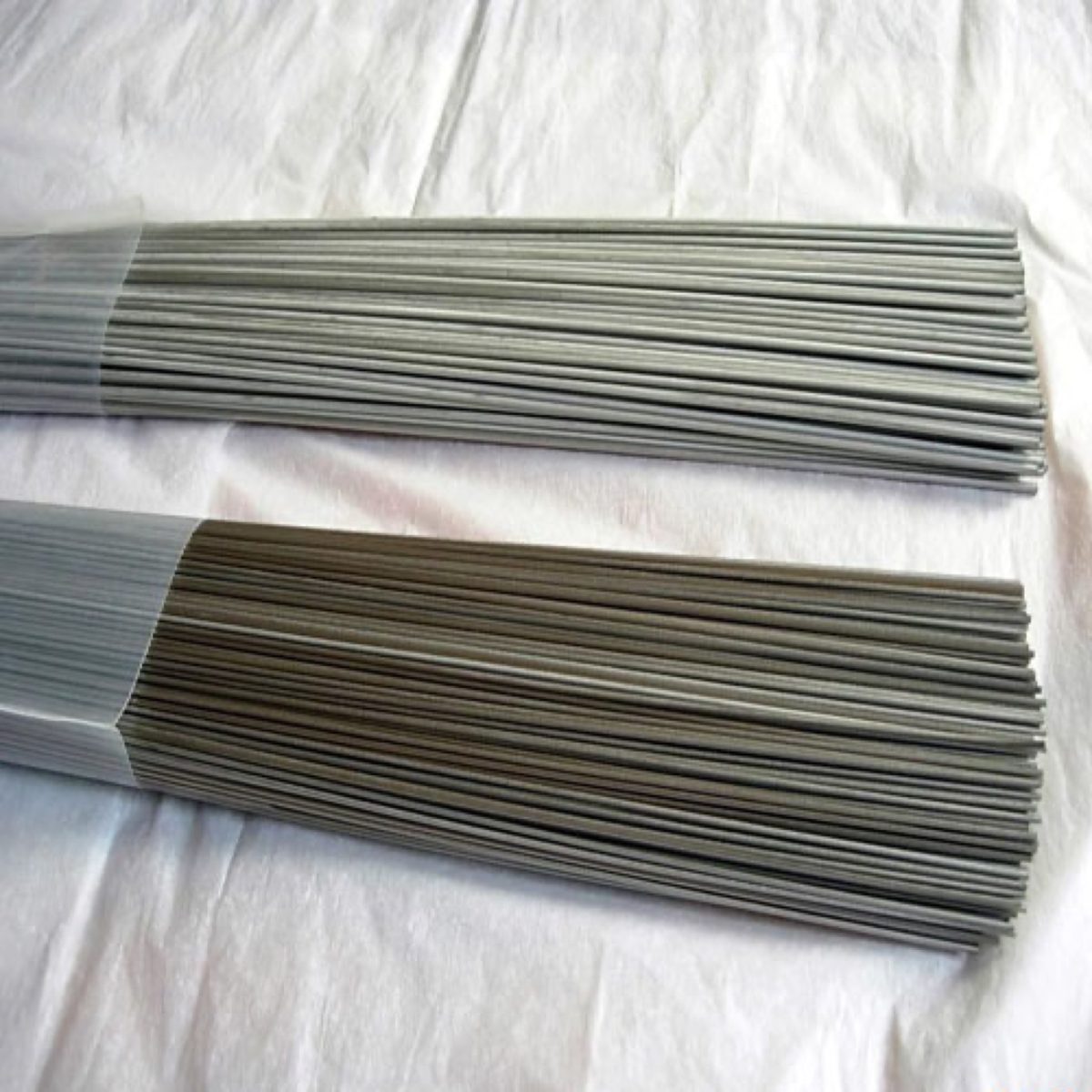
Mo1 / Mo2 / MoLa / TZMGrades quoted
Specification by orderSelected for diameter and material
0.1 to 6.0 mmDiameter range
10.22 g/cm3Reference density for weight estimates
Acceptance is by the ordered specification. Values are RFQ references only. Final grade, chemistry, dimensions, inspection and documentation are confirmed by the purchase specification and mill test certificate.
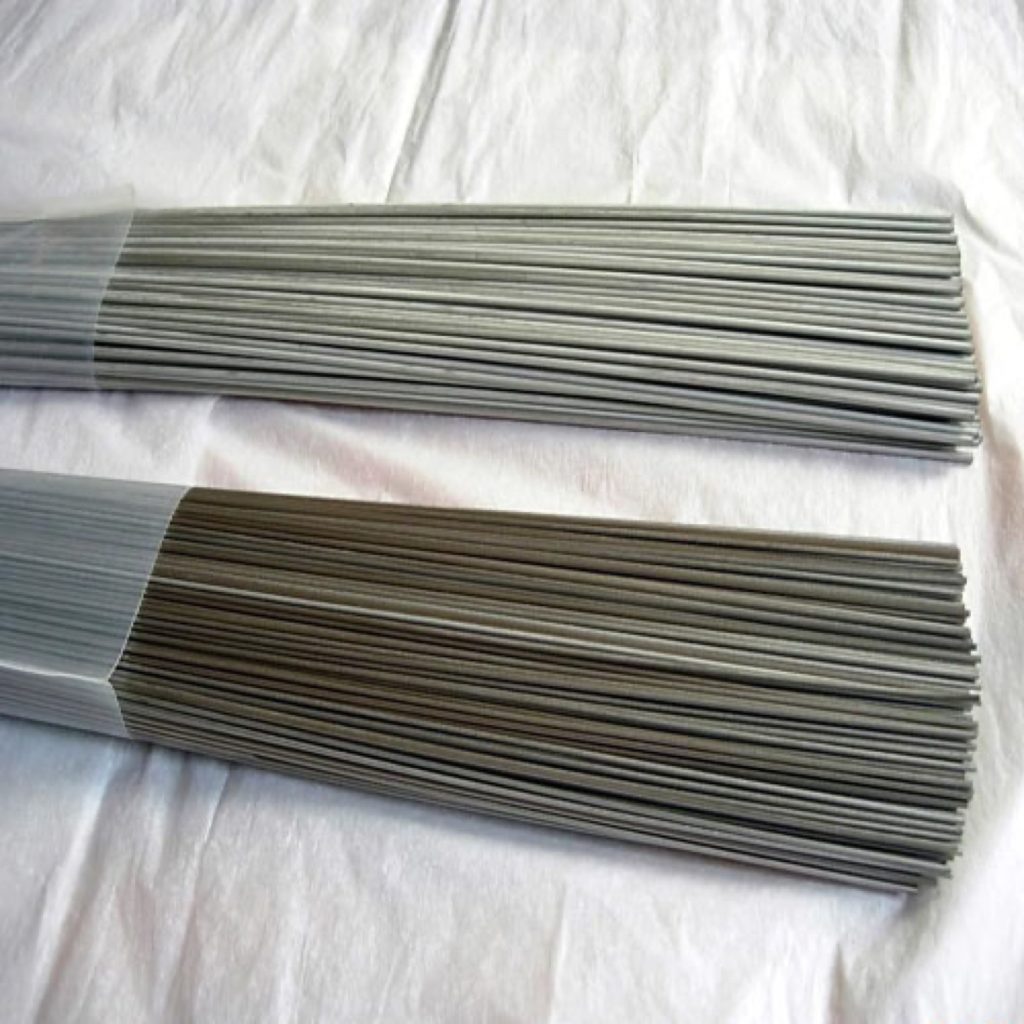
Beiyu Titanium supplies molybdenum wire from 0.1 to 6.0 mm diameter, in grades Mo1, Mo2, MoLa and TZM. The quotation confirms the material designation and specification for the required diameter. Each order is supplied with an EN 10204 3.1 mill test certificate by order scope.
What diameters of molybdenum wire can be supplied?
The supply range runs from 0.1 mm fine wire to 6.0 mm. Between 3 and 6 mm the same diameter can also be quoted as round bar on the molybdenum bar and rod page, whose range starts at 3 mm, so the enquiry names which form applies. Any diameter inside the range can be quoted; the tolerance the drawing needs is stated on the enquiry.
| Item | Supply range |
|---|---|
| Diameter | 0.1 to 6.0 mm |
| Grades | Mo1, Mo2, MoLa, TZM |
| Specification | Confirmed by diameter and material; B387 is not a blanket specification for this range |
| Certificate | EN 10204 3.1 by order scope |
How many metres are in a kilogram of molybdenum wire?
Fine wire is often ordered by weight and used by length, so the conversion decides how much to order. For round wire at a fixed density: grams per metre = π ÷ 4 × diameter² × density, with diameter in millimetres and density in g/cm³. The table uses 10.22 g/cm³, the molybdenum density Beiyu uses for weight estimates. The diameters are examples; actual length per kilogram shifts with the diameter tolerance and alloy density.
| Diameter (example) | Weight per metre | Length per kilogram |
|---|---|---|
| 0.1 mm | 0.080 g | 12,458 m |
| 0.2 mm | 0.321 g | 3,115 m |
| 0.5 mm | 2.007 g | 498 m |
| 1 mm | 8.027 g | 125 m |
| 2 mm | 32.107 g | 31 m |
| 3 mm | 72.241 g | 14 m |
| 6 mm | 288.964 g | 3.5 m |
For other diameters, the weight calculator has a molybdenum setting at the same density under its round bar and wire shape.
Which grade for molybdenum wire?
| Grade | How the grade is listed |
|---|---|
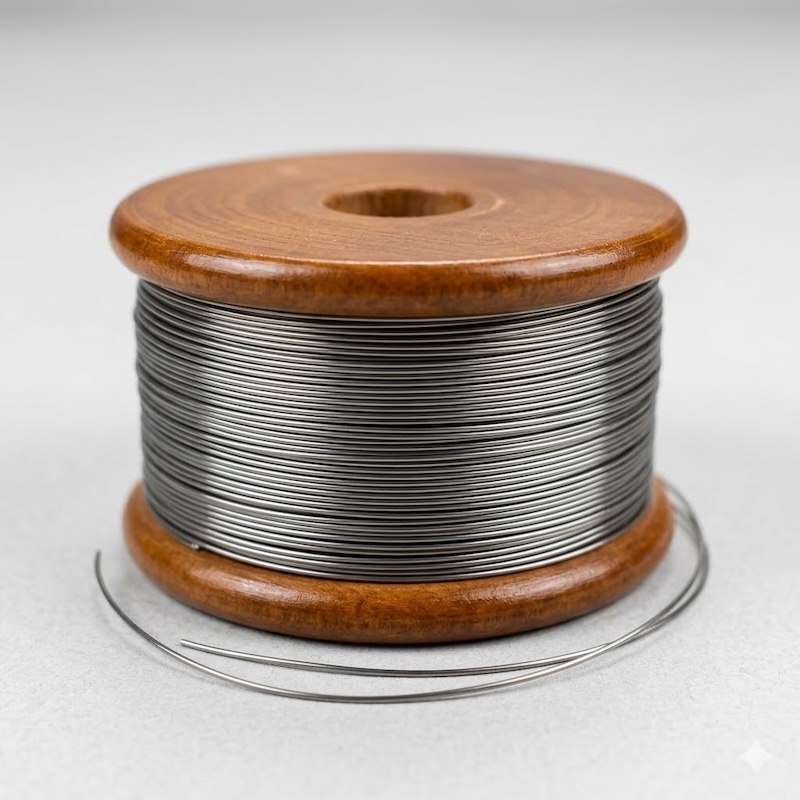
| Mo1, Mo2 | Unalloyed molybdenum designations in Beiyu's supply ranges; an ASTM type is confirmed separately, not inferred from these names |
| MoLa | Lanthanum-bearing molybdenum; ordered to an agreed material specification, not a listed B387 type |
| TZM | Molybdenum alloyed with titanium and zirconium, as listed in the supply ranges |
The comparison between pure molybdenum and TZM for load at temperature is set out on the molybdenum bar and rod page, and for molybdenum against tungsten on molybdenum vs tungsten for high-temperature service.
What should a molybdenum wire enquiry include?
| Line | What to state |
|---|---|
| Grade | Mo1, Mo2, MoLa or TZM |
| Diameter and tolerance | Nominal diameter and the tolerance the application needs |
| Quantity | Total weight or total length, and the length per piece if it matters |
| Condition and surface | As the drawing or process requires |
| Standard and certificate | Required specification, material designation and certificate level |
Related molybdenum products
The same grades are supplied as bar and rod and as plate and sheet. The full range sits under molybdenum products.
Specification detail with sources
Beiyu's published molybdenum supply ranges list wire at 0.1 to 6.0 mm in Mo1, Mo2, MoLa and TZM. This is the commercial supply range, not a claim that every combination meets one standard.
ASTM B387/B387M-23, sections 1.1 to 1.3 covers wire no smaller than 0.020 in. [0.51 mm] in diameter or of equivalent cross-sectional area, and states that values in SI and in inch-pound units are to be regarded separately as standard, so those two figures are not interchangeable conversions. The materials it lists are unalloyed molybdenum (360, 361 and 365), the two TZM routes (363 and 364) and a molybdenum-30 % tungsten alloy (366); lanthanum-bearing molybdenum is not among them.
For diameters below that limit, B387 section 1.2 points to ASTM F289 (F289-96, reapproved 2025). Read F289's own scope before citing it on a drawing: it is written for electronic applications such as leads, supports, heaters and metal-to-glass seals, it lists commercially pure grades only, and its section 1.1 states a different boundary from the one B387 quotes for it, wire less than 0.050 in. (1.27 mm) against the 0.020 in. [0.51 mm] figure in B387. F289's own section 1.2 narrows the term further: spooled or coiled material up to 0.050 in. (1.3 mm) counts as wire, but short cut lengths only up to 0.020 in. (0.51 mm); its section 1.3 treats straight lengths above 0.51 mm as rod, which it covers up to 1.00 in. (25.4 mm). So a straight length at 0.8 mm is rod by F289's own definition; B387 does not draw that wire-to-rod line anywhere in its scope, which only sets 0.020 in. [0.51 mm] as the smallest wire diameter it covers. Both boundaries appear here as each document states them. For general industrial fine wire under 0.51 mm, and for MoLa at any diameter, the specification is agreed on the order rather than taken from either document.
The grams-per-metre and metres-per-kilogram figures above are estimates from the 10.22 g/cm³ reference density Beiyu applies to molybdenum in its quotations. A delivered lot weighs what its actual diameter within tolerance and its actual density give, so order by length or by weight explicitly and say which one governs; the chemistry and dimensions that apply are the ones reported on the lot's certificate.