
Metallic Mo elementsMade to the buyer's drawing from wire or strip
Mo1 / Mo2 / MoLa / TZMGrade and condition to be specified
Wire: 0.1 to 6.0 mmStarting-material diameter
Sheet: 0.1 to 40 mmFlat starting-material thickness
For vacuum, inert-gas or suitably controlled hydrogen furnaces. Sheet starting material is 10 to 800 mm wide and 10 to 2,000 mm long; these ranges describe starting material, while element dimensions follow the drawing.
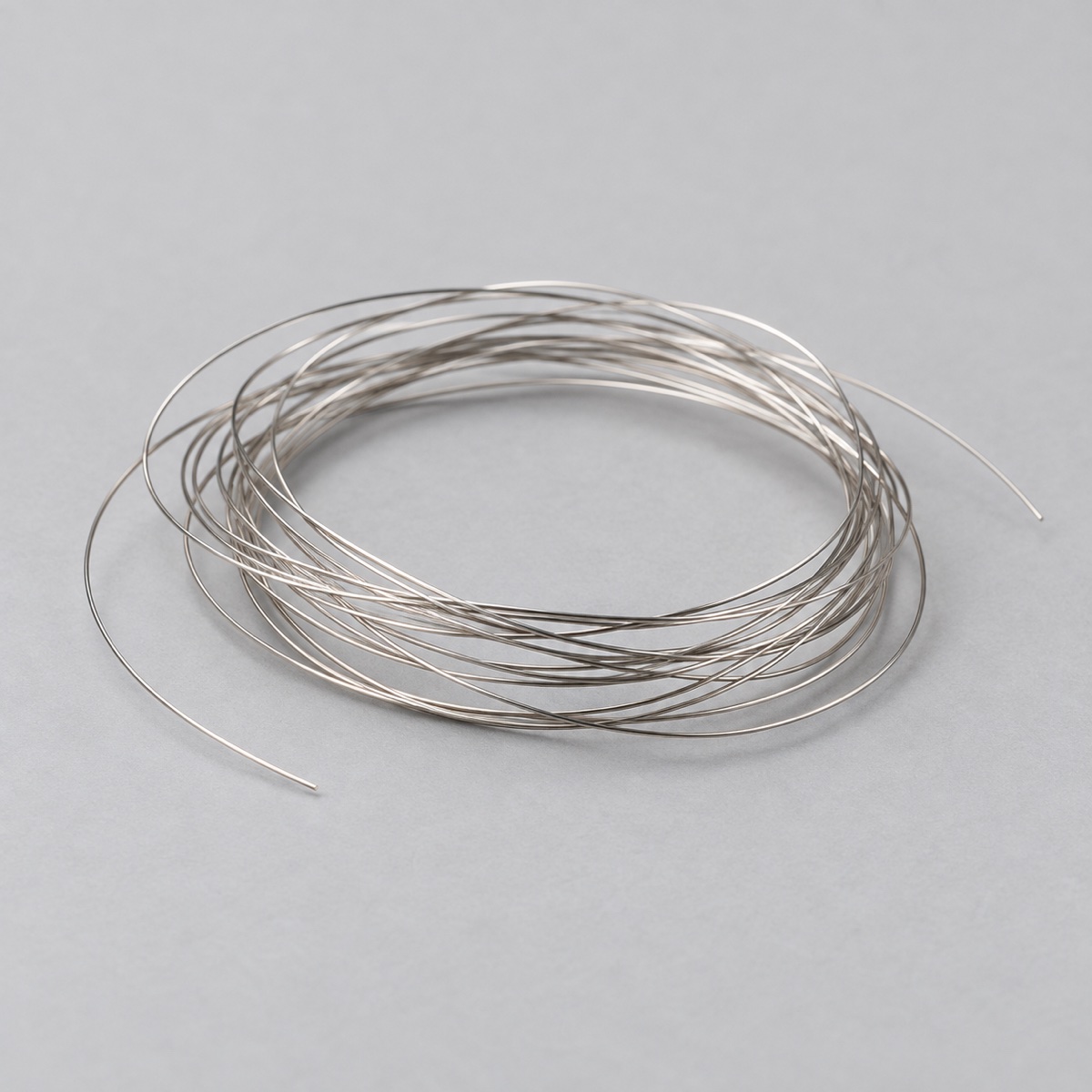
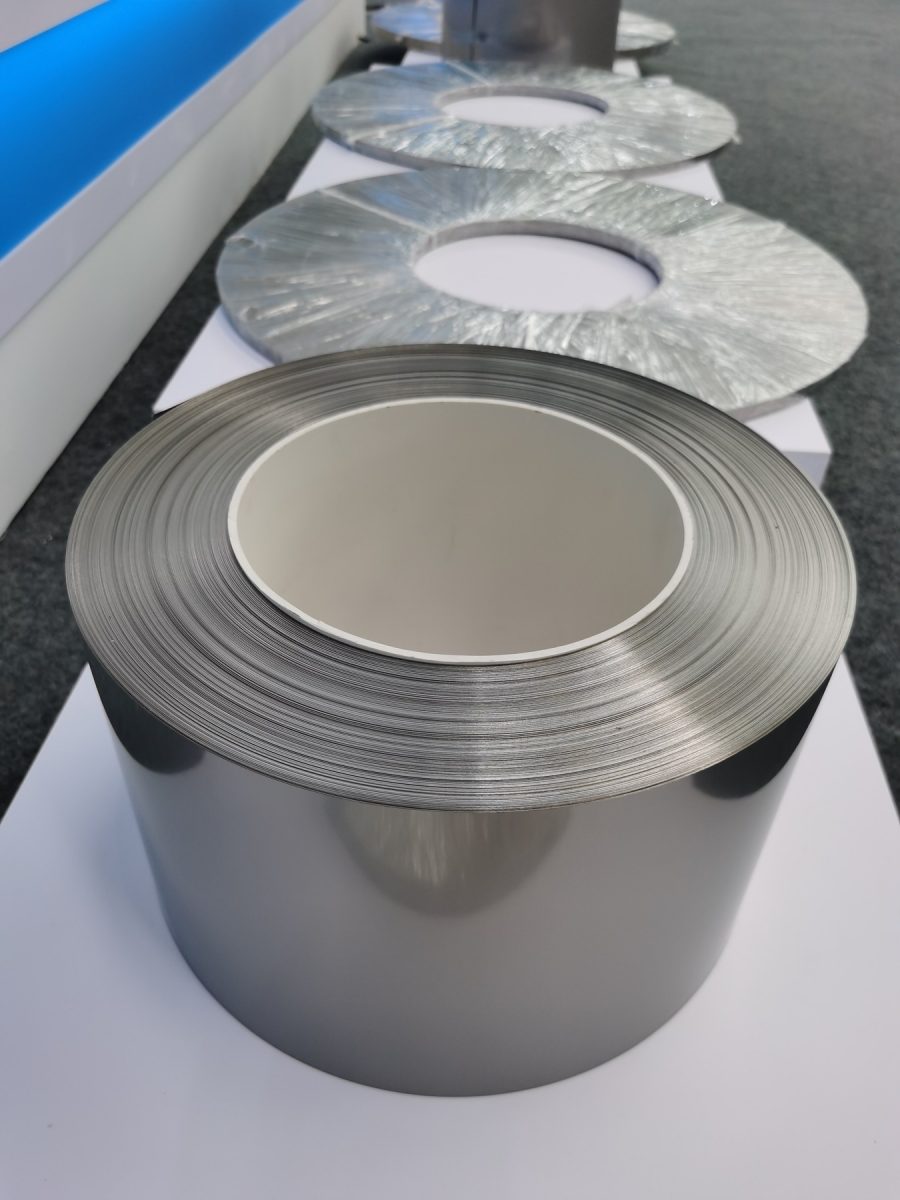
Beiyu supplies finished metallic molybdenum heating elements made to the buyer's drawing from Mo wire or strip, in Mo1, Mo2, MoLa or TZM, for vacuum, inert-gas or suitably controlled hydrogen furnaces. Wire starting material is 0.1 to 6.0 mm in diameter. Flat starting material is quoted within the published sheet range of 0.1 to 40 mm thickness, 10 to 800 mm width and 10 to 2,000 mm length. Strip section and length follow the drawing; they and the forming route are confirmed at quotation.
Molybdenum category and component enquiries
Which starting form and grade does your element drawing require?
Use the wire or strip form specified by your furnace design. If the drawing leaves the form open, state the section and finished shape you need; the starting-material ranges above do not define a finished element. Compare the section, grade and condition on the quotation with your drawing revision before ordering.
| Starting form | Published material range | Drawing decision |
|---|---|---|
| Molybdenum wire | 0.1 to 6.0 mm diameter; Mo1, Mo2, MoLa, TZM | Specify diameter tolerance and developed length, then define the finished shape separately. |
| Strip, from the molybdenum plate and sheet range | Sheet: 0.1 to 40 mm thick, 10 to 800 mm wide, 10 to 2,000 mm long; Mo1, Mo2, MoLa, TZM | Give finished strip thickness and width with tolerances; the strip section, length and forming route are confirmed in the quotation. |
The grade name alone does not settle condition or material acceptance. If changing grade for a replacement, your furnace engineer must review the service duty; Beiyu confirms the requested designation and document scope at quotation.
| Grade on the drawing | How the grade is listed | What to confirm |
|---|---|---|
| Mo1 / Mo2 | Unalloyed molybdenum designations | Required chemistry and governing material specification; do not infer an ASTM type from the designation. |
| MoLa | Lanthanum-bearing molybdenum | Agreed material specification and composition; do not treat it as a listed B387 type. |
| TZM | Molybdenum alloy containing titanium and zirconium | Grade, condition and application review against the required temperature cycle and load. |
Mo metal vs MoSi2: which material is meant?
This page covers metallic molybdenum elements. Metallic molybdenum oxidizes in hot air. Vacuum, suitable inert gas and suitably controlled hydrogen protect it against that oxidation, provided oxygen and moisture are kept out of the system; IMOA's molybdenum overview describes the restriction to non-oxidizing environments. MoSi2 is a silicide heating material whose conventional grades form a protective silica layer in oxidizing service, as explained in the Kanthal Super handbook.
If an enquiry says “molybdenum heater” without identifying the material, clarify the material before discussing dimensions because atmosphere suitability differs. State the atmosphere, any oxygen or moisture exposure and the temperature cycle, including startup and shutdown, on the enquiry. Suitability for the duty is confirmed by your engineering team; Beiyu reviews the drawing and the requested documents before quoting.
What must the heating element drawing and RFQ include?
Provide the finished geometry together with material and inspection requirements. If the element drawing includes leads, terminals or supports, identify those parts separately; each needs its own form, dimensions and acceptance requirements. Beiyu checks the submitted drawing for quotation; your engineering team verifies the element's suitability for the furnace duty.
| Drawing or RFQ field | Input to supply | Quotation or acceptance check |
|---|---|---|
| Element form | Wire or strip | Match the named form to the finished drawing. |
| Grade | Mo1, Mo2, MoLa or TZM, with the material specification | Confirm material identity and certificate scope. |
| Section and tolerances | Wire diameter, or strip thickness × width, with tolerances | Identify the section to measure and its acceptance limits. |
| Developed length | Length along the material path, with units and tolerance | Distinguish material length from the finished overall dimensions. |
| Shape and bends | Finished shape, bend radii as drawn, datums and controlled dimensions | Confirm the forming route at quotation against the drawing. |
| Leads and terminals | Required form, dimensions and interfaces, where included | Confirm which features and separate parts the quotation includes. |
| Support or hanger points | Positions, contact features and restraint shown on the assembly drawing | Your engineer checks the supported geometry and movement through the cycle. |
| Condition | Required condition as stated on the drawing, for example stress relieved or recrystallised | Confirm condition separately from grade. |
| Surface | Surface requirements and acceptance criteria | Agree the inspection scope before order release. |
| Service duty | Atmosphere and temperature cycle, pressure basis and mechanical load stated on the enquiry | Your engineer verifies suitability, including startup and shutdown exposure. |
| Quantity | Required pieces and drawing revision | Match the quoted quantity and revision to the RFQ. |
| Certificate | Material evidence and requested inspection document | EN 10204 3.1 as agreed on the order. |
Where the drawing calls for rod leads, terminals or supports, the molybdenum bar and rod range is 3 to 150 mm diameter, with lengths cut to drawing up to 3,000 mm, in pure Mo or TZM. Those are starting-material figures for the specified ancillary parts; the grade for those parts is stated on the drawing and confirmed at quotation. Identify the interfaces to the element and check their inclusion in the quotation.
How can you estimate the wire mass from developed length?
Multiply the round wire's cross-sectional area by developed length and reference density. If the drawing gives an overall span instead, obtain the developed length before calculating because bends change the material path.
Example assumptions: diameter d = 1.00 mm and developed length L = 1,000 mm, using Beiyu's molybdenum reference density ρ = 10.22 g/cm³. These inputs are an arithmetic illustration, not an offered element size or customer case. For millimetre inputs, mass (g) = ρ × π ÷ 4 × d² × L ÷ 1,000, where the final divisor converts cubic millimetres to cubic centimetres.
| Wire mass calculation, example assumptions | Result |
|---|---|
| Mass = 10.22 × π ÷ 4 × 1.00² × 1,000 ÷ 1,000 | 8.03 g |
This estimate excludes any separate terminals or supports. Use the actual developed length for your drawing and request a mass estimate with the quotation; dimensional tolerances and actual material density affect delivered mass.
Heating element quotation FAQ
If any input in the drawing checklist above is unresolved, mark it on the RFQ so the quotation can state what remains to be agreed.
What does a quotation need?
Send the drawing, grade, section tolerances, developed length, quantity and required documents, and state the atmosphere and temperature cycle. Beiyu quotes against the drawing; your engineering team confirms the material choice for the duty.
Can you match an existing element?
Send the drawing, or the old element's dimensions if no drawing exists. If the original material or condition is unknown, say so on the enquiry. The replacement geometry, material requirements and supply scope are confirmed at quotation.
How do Mo1 and Mo2 differ from MoLa and TZM in the enquiry?
Mo1 and Mo2 identify unalloyed molybdenum, MoLa identifies lanthanum-bearing material, and TZM contains titanium and zirconium. If substituting a grade, provide the original specification and service duty for review rather than treating those names as interchangeable; confirm the chosen designation and condition on the order.
Which furnace atmospheres suit a metallic molybdenum element?
Vacuum, suitable inert gas or suitably controlled hydrogen. State the atmosphere and cycle, including startup and shutdown exposure, on the enquiry. If hot air is part of the duty, metallic Mo oxidizes, so your engineer needs to reassess the material.
Does a material standard specify the complete element?
No. If a drawing names a standard for the starting material, confirm its applicability to that form and grade. The element still needs its own finished dimensions and inspection requirements.
Specification detail with sources
Beiyu's published wire range lists Mo1, Mo2, MoLa and TZM wire, with diameter from 0.1 to 6.0 mm; its published sheet range gives 0.1 to 40 mm thickness, 10 to 800 mm width and 10 to 2,000 mm length in those grades. Beiyu's wire page supplies the reference density of 10.22 g/cm³ used in the mass example.
ASTM B387 covers molybdenum bar, rod and wire, according to the ASTM B387 scope listing; wire inside B387's scope can be ordered to it where the drawing calls for it. As the wire page sets out, B387 is not a blanket specification for the whole 0.1 to 6.0 mm range, and MoLa is not one of its listed types, so the specification is confirmed by diameter and material at quotation. ASTM B386 covers molybdenum flat products, according to the ASTM B386 scope listing; it may govern the sheet or strip starting material where specified. These are starting-material specifications; neither is a finished heating element specification.
ASTM F289, as described on Beiyu's wire page, is written for electronic applications such as leads, supports, heaters and metal-to-glass seals; its listed grades are commercially pure. If the drawing cites it, check the requested form and material against that scope before accepting the quotation.
An EN 10204 3.1 certificate is supplied as agreed on the order; Dillinger's EN 10204 guide describes the document types. Specify the required material evidence and dimensional inspection separately, then verify both in the quoted acceptance scope.
Which form belongs in your enquiry?
Choose the finished element when the order is for a shaped heater. If you need wire, sheet or rod as material rather than a shaped heater, use that form's page.
Form
Material
Order basis
Role
Link
Molybdenum wire
Mo1 / Mo2 / MoLa / TZM
Material specification by order
Round starting form
>
Molybdenum plate and sheet
Mo1 / Mo2 / MoLa / TZM
Flat material specification by order
Flat starting form
>
Molybdenum bar and rod
Pure Mo / TZM
Material specification by order
Round form for leads and supports
>
Molybdenum heating elements
Mo1 / Mo2 / MoLa / TZM
Made to the buyer's drawing
Finished wire or strip element
For standard grades and sizes the typical lead time is 15 to 30 days from order confirmation or deposit to ex-works dispatch, sea transit time not included; special chemistry or mechanical requirements call for an adjusted melt recipe, so their lead time depends on the requirements and is confirmed with the quotation. Heating elements are made to the buyer's drawing, so their lead time is confirmed with the quotation.
Include the furnace atmosphere, temperature cycle and acceptance requirements with the heating element drawing.