
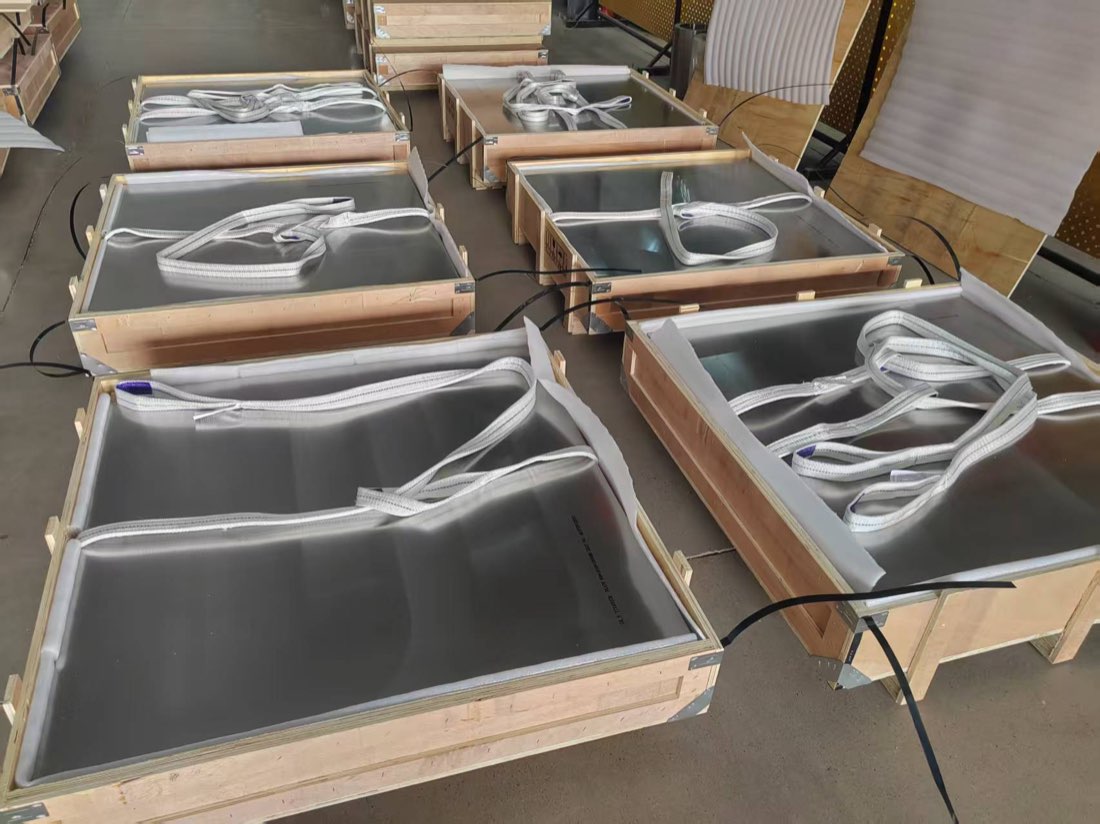
AMS 4911 is the aerospace material specification for annealed Ti-6Al-4V (Grade 5) titanium sheet, strip and plate, with a composition similar to UNS R56400. It covers flat product up through 4.000 inches (101.60 mm) thick, fixes the annealed condition and mechanical properties, and adds aerospace-level testing such as ultrasonic inspection of plate. Ordering flat product “to AMS 4911” tells the supplier it is the aerospace-grade Ti-6Al-4V sheet or plate, not the general commercial grade. For how the shorthand aerospace grade titanium maps onto bar, flat product and forgings, see the separate page on that phrase.
What AMS 4911 covers
AMS 4911 applies to Ti-6Al-4V in the form of sheet, strip and plate, in the annealed condition. The alloy composition is similar to UNS R56400 (the same Ti-6Al-4V used for Grade 5). Key points from the specification:
| Specification point | What the guide states |
|---|---|
| Form | sheet, strip and plate up through 4.000 inches (101.60 mm) inclusive in thickness. |
| Condition | annealed (anneal range 1300 to 1650 degrees F, 704 to 899 degrees C). |
| Melting | first melt by vacuum consumable electrode, for aerospace cleanliness. |
| Testing | ultrasonic inspection of all plate 0.500 inch (12.70 mm) and over. |
| Surface | sheet and strip comparable to a No. 2D finish; plate comparable to a No. 1 finish. |
| Substitution rule | bar, billet, forgings or forging stock must not be substituted for plate. |
AMS 4911 vs ASTM B265 Grade 5
Both cover Ti-6Al-4V flat product, but they serve different buyers. State the right one on the purchase order.
| AMS 4911 | ASTM B265 Grade 5 | |
|---|---|---|
| Primary use | Aerospace and flight-grade parts | Commercial, industrial and corrosion service |
| Alloy | Ti-6Al-4V (similar to UNS R56400) | Ti-6Al-4V (UNS R56400) |
| Condition | Annealed, defined anneal range | Annealed |
| Melting | First melt under vacuum (consumable electrode) | Not specified to the same level |
| NDT | Ultrasonic testing of plate 0.5 in and over | By agreement |
AMS 4911 is the aerospace version of the same Ti-6Al-4V flat product, with tighter melting and inspection. For commercial and corrosion-service plate, see the ASTM B265 sheet and plate guide.
Forms, thickness and how to specify
Because AMS 4911 ties the grade to the annealed condition and a thickness range, the RFQ controls more than just “Grade 5 plate”. State these together:
| Field to state | What the guide states |
|---|---|
| Specification and grade | AMS 4911, Ti-6Al-4V, annealed. |
| Form | sheet, strip or plate, with thickness, width and length. |
| Tolerance standard | AMS 2242 for sheet, strip and plate where tighter than default. |
| Testing | ultrasonic acceptance class for plate, plus any flatness requirement. |
| Documents | mill test certificate, heat-number traceability and EN 10204 3.1 where required. |
Frequently asked questions
Is AMS 4911 the same as Grade 5?
The alloy is the same Ti-6Al-4V (composition similar to UNS R56400). AMS 4911 is the aerospace specification with a defined annealed condition, vacuum first melt and ultrasonic testing of plate, so it is the flight-grade version of Grade 5 flat product.
What thickness does AMS 4911 cover?
Sheet, strip and plate up through 4.000 inches (101.60 mm) inclusive. Plate 0.500 inch (12.70 mm) and over is ultrasonically inspected.
Can I order AMS 4911 and ASTM B265 together?
Yes. Ti-6Al-4V plate can be dual-certified to ASTM B265 Grade 5 and AMS 4911 where the order calls for both, subject to the aerospace melting and testing requirements being met.
What documents come with AMS 4911 plate?
Chemical and mechanical results by heat, ultrasonic test results for qualifying plate, heat-number traceability and a mill test certificate. Confirm EN 10204 3.1 and any third-party inspection at RFQ stage.
Specification detail with sources
SAE keeps Ti-6Al-4V flat product and bar under separate specifications, which is where drawings most often cross wires: AMS 4911 governs sheet, strip and plate, while AMS 4928 governs bar, forging stock and rings in the same alloy, so a plate callout written against AMS 4928 is a specification error rather than a tighter requirement. Both sit above ASTM B265 and ASTM B348 for the identical alloy UNS R56400, and the AMS documents carry revision letters that move, so the revision named on the purchase order is what a mill certifies to, not the base number alone.
| Specification | Product form it governs |
|---|---|
| AMS 4911 | Sheet, strip and plate |
| AMS 4928 | Bar and the other forms it covers |
Beiyu Titanium’s factory flat-product sheet lists AMS 4911 alongside ASTM B265 among the standards its Ti-6Al-4V plate is produced to, from a rolling envelope of 3 to 70 mm plate in widths to 2500 mm and lengths to 6000 mm, with sheet from 0.5 mm below that. That 70 mm ceiling sits inside AMS 4911’s 101.60 mm scope, so Beiyu confirms thickness, melting route, condition and the ultrasonic plan against the revision named on the order before quotation, and Beiyu releases the plate with an EN 10204 3.1 certificate and heat-number traceability.
Request AMS 4911 titanium sheet and plate
Send the specification (AMS 4911), form, thickness, width, length, tolerance and the certificate package you need. Beiyu confirms the melting route, condition and test plan before quotation so the aerospace requirements are agreed before production. Contact [email protected] for a specification review.
Related titanium guides
- ASTM B265 Titanium Sheet & Plate Guide
- Titanium Standards & Specifications: ASTM, AMS, ASME, EN and GB
- Titanium Grades Compared: Grade 2 to 23
- ASTM B348 Titanium Bar & Billet Guide
Standards and sources
The scope, annealed condition, thickness range and testing summarized here are taken from the SAE AMS 4911 specification (Ti-6Al-4V sheet, strip and plate). The commercial flat-product cross-reference is ASTM B265 and the alloy is UNS R56400. Confirm the current AMS 4911 revision and the certificate package on the order.