
Solid titanium is hard to set alight in air, but titanium in fine form burns readily. Reference data put the autoignition temperature of solid titanium in air at about 1200 °C and that of titanium powder at about 250 °C, and fire-protection references describe most finely divided forms of titanium as flammable in air. A bar, plate or tube and the fine chips, grinding dust or powder that come off it in a workshop are different fire risks. Two more points decide how titanium is handled around heat: water applied to burning titanium can cause an explosion and carbon dioxide is not used on it, and titanium is impact-sensitive in oxygen and has been ignited at low oxygen pressures; NASA’s 1996 oxygen standard excludes it from liquid oxygen at any pressure and from gaseous oxygen above 207 kPa (30 psia). This page summarises published sources; it is not a fire-safety procedure.
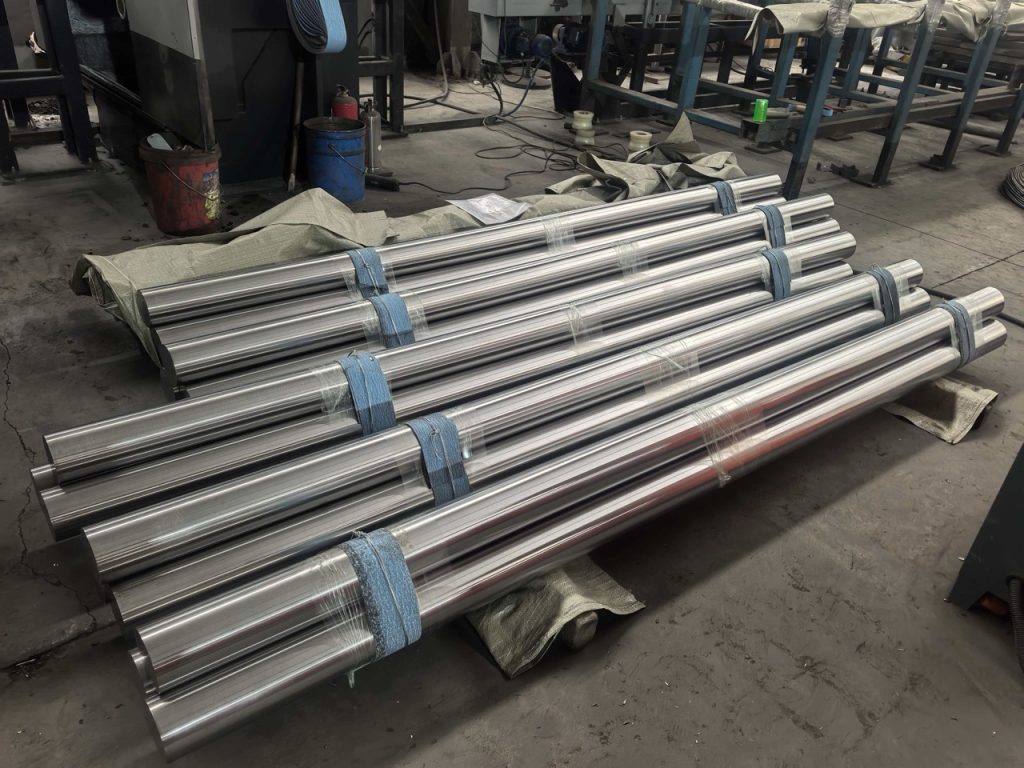
How ignition changes with the form of titanium
| Form | What the sources report | Source |
|---|---|---|
| Solid metal in air | Autoignition temperature about 1200 °C | HSDB (via PubChem), citing Sax’s Dangerous Properties of Industrial Materials |
| Heavy chips and coarse turnings | “Only a slight fire hazard” | NASA TM X-53312 (1965) |
| Fine chips from sawing and filing; turnings from fine finishing cuts | Can be ignited with a match and keep burning after the heat source is removed | NASA TM X-53312 (1965) |
| Dry powder | Easily ignited, burns with an intense flame, and very fine powder may be ignited by sparks (CAMEO); autoignition about 250 °C (HSDB) | NOAA CAMEO Chemicals; HSDB, citing Sax |
| Dust cloud (one titanium powder tested) | Cloud ignition 330 °C, layer ignition 510 °C, minimum explosive concentration 0.045 oz/ft³, minimum ignition energy 25 mJ; placed in the “severe” explosibility class | US Bureau of Mines RI 6516 (1964), Table 1 |
The figures come from different tests and different material, so read them as separate reports on one metal in different forms, not as one data set. The 1200 °C autoignition figure for the solid metal sits below its melting point; the reference melting point used on this site is 1668 °C, covered on the titanium melting point page. A 1996 NASA oxygen standard also notes that titanium has been ignited in air in frictional heating tests, so “hard to ignite” is not the same as “cannot burn”.
Putting out a titanium fire
| Agent | Use on burning titanium? | Source |
|---|---|---|
| Water | No. On metal fires it generates hydrogen gas, and water applied to burning titanium can cause an explosion | NOAA CAMEO (ERG Guide 170); HSDB, citing Sax |
| Foam | No | NOAA CAMEO (ERG Guide 170); NASA TM X-53312 |
| Carbon dioxide | No | NOAA CAMEO (ERG Guide 170); HSDB, citing Hawley’s |
| Dry sand, graphite powder, dry sodium-chloride-based agents, Class D extinguishers | Yes; Class D sodium chloride extinguishers are intended for titanium and zirconium fires | NOAA CAMEO (ERG Guide 170); US Chemical Safety Board case study 2011-3-I-WV |
| Argon or helium | Can control titanium fires in airtight enclosures | HSDB, citing Sax |
Sax, via HSDB, also warns that ordinary extinguishers are often ineffective against titanium fires. In the United States, plant practice for combustible metals is covered by NFPA 484, which names titanium and has been combined into the consolidated NFPA 660; the product safety data sheet and the local fire authority apply wherever the work is done.
Oxygen, nitrogen, chlorine and engine fires
| Condition | What the sources report | Source |
|---|---|---|
| Liquid oxygen at any pressure; gaseous oxygen above 207 kPa (30 psia) | Titanium must not be used; tests ignited titanium and sustained combustion at oxygen pressures as low as 7 kPa (1 psia) | NASA NSS 1740.15 (1996) |
| Free nitrogen above 802 °C | Titanium burns vigorously | HSDB, citing the NFPA Fire Protection Guide |
| Dry chlorine, 30 °C | Rapid attack and ignition; wet chlorine from 10 to 88 °C corrodes titanium at nil to 0.02 mpy | TIMET corrosion manual, as given on the Grade 2 data sheet |
| Red fuming nitric acid | Leaves a residue of finely divided metallic titanium that is highly pyrophoric | TIMET corrosion manual, as given on the nitric acid page |
| Jet-engine compressors | Titanium alloy engine parts can ignite and sustain combustion under certain conditions; such fires have burned through compressor casings | FAA Advisory Circular AC 33.17-1B (2025) |
The chlorine and nitric acid lines are process exclusions rather than everyday fire risks, and both are set out with their corrosion data on the Grade 2 titanium data sheet and on the titanium in nitric acid page.
Machining, grinding and chip handling
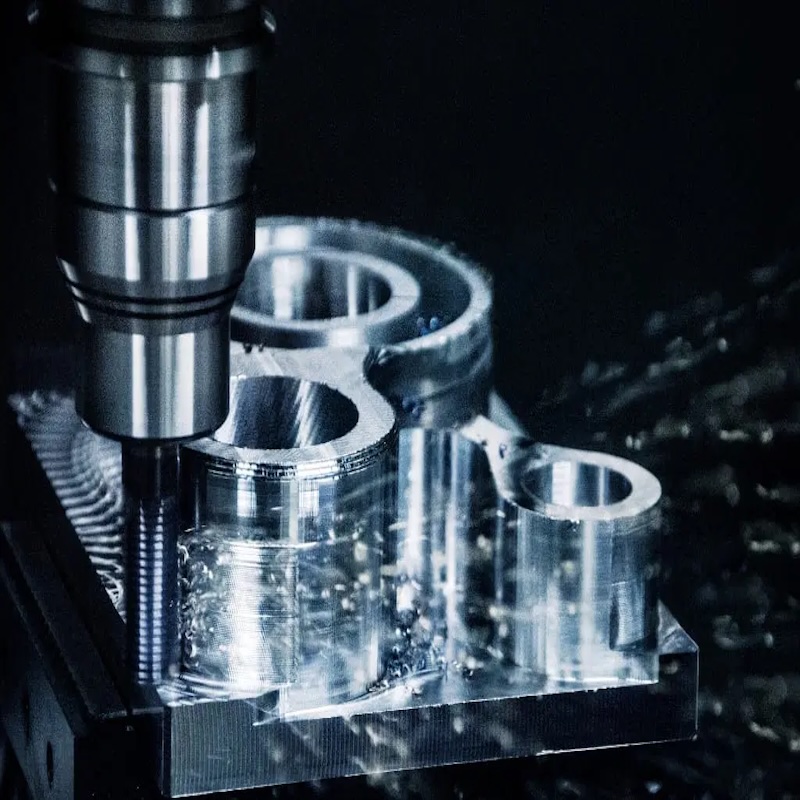
The fine material that machining and grinding produce is what the workshop precautions address. NASA’s 1965 memorandum on machining titanium reports that turnings occasionally ignite when the metal is cut at high speed without adequate coolant, and that dry grinding is similar because of the intense spark stream. Its hazard notes and precautions are summarised below; NFPA 660 is the current standard to check them against:
| Point | Source |
|---|---|
| Hazards it names: cutting at high speed without adequate coolant; dry grinding (spark stream) | NASA TM X-53312 (1965) |
| Collect chips regularly and store them in covered containers | NASA TM X-53312 (1965) |
| Move chip containers to an outside location when half full | NASA TM X-53312 (1965) |
| Keep machine ducts and the working area clean of titanium fines | NASA TM X-53312 (1965) |
| Provide ventilation and lubrication when sawing, grinding and polishing | HSDB, citing Patty’s Industrial Hygiene |
OSHA lists titanium among the metals that can form combustible dust, and it records three workers killed in a 2010 titanium dust explosion in West Virginia; the Chemical Safety Board found that explosion was caused by titanium and zirconium dusts processed at the plant. For the cutting side, speeds, feeds and coolant are covered in the titanium machining guide, and why Ti-6Al-4V chips weld to the tool is explained in why Ti-6Al-4V galls and work-hardens.
Which supplied forms the figures do and do not cover
| Form supplied | Range on this site |
|---|---|
| Foil | 0.02 mm to 0.3 mm thick, to 600 mm wide |
| Strip and thin sheet | 0.5 mm to 3 mm thick |
| Spool wire | Ø0.01 mm to 6.35 mm |
| Straight wire | Ø0.8 mm to 6.0 mm |
| Coil wire | Ø0.8 mm to 12 mm |
Bar, plate, tube and forgings arrive as solid sections; the chips, dust and scrap that machining and grinding make from them are what the workshop precautions above address. The sources consulted give figures for powder, dust and chips but none for foil or fine wire, so this page does not give an ignition figure for them. The 1200 °C solid-metal figure should not be assumed for foil or fine wire, which have far more surface per unit mass than bar. For the thinner forms, the titanium strip and foil and titanium wire ranges list thickness, diameter and supply form; state the grade, size, condition and documents on the enquiry.
Common questions
Does titanium burn in air? Yes, once it is hot enough. HSDB gives an autoignition temperature of about 1200 °C for the solid metal in air and about 250 °C for powder, and it notes that titanium can also burn in carbon dioxide and nitrogen.
Is titanium dust explosive? Yes. The US Bureau of Mines placed a tested titanium powder in its “severe” explosibility class, with a minimum ignition energy of 25 mJ for a dust cloud, and OSHA lists titanium among combustible metal dusts.
What extinguisher is used on a titanium fire? The ERG entries for titanium list Class D agents, dry sand, graphite powder and dry sodium-chloride-based extinguishers and rule out water, foam and carbon dioxide; the Chemical Safety Board notes that Class D sodium chloride extinguishers are intended for titanium and zirconium fires.
Is titanium used in oxygen systems? NASA’s 1996 oxygen standard rules it out for liquid oxygen at any pressure and for gaseous oxygen above 207 kPa (30 psia).
Specification detail with sources
HSDB (via PubChem CID 23963), citing Sax’s Dangerous Properties of Industrial Materials, gives the autoignition temperature of titanium as 1200 °C for the solid metal in air and 250 °C for powder, and cites the NFPA Fire Protection Guide for the statements that most finely divided forms of titanium are flammable in air and that titanium burns vigorously in free nitrogen above 802 °C. NOAA CAMEO Chemicals describes dry titanium powder as easily ignited and burning with an intense flame, and its ERG Guide 170 entries for titanium say not to use water, foam or CO2 and to use dry sand, graphite powder, dry sodium-chloride-based agents or Class D extinguishers. US Bureau of Mines Report of Investigations 6516 (1964, Table 1) lists a titanium powder with cloud and layer ignition temperatures of 330 °C and 510 °C, a minimum explosive concentration of 0.045 oz/ft³ and a minimum ignition energy of 25 mJ.
NASA TM X-53312 (1965) reports that fine chips and fine finishing turnings can be ignited with a match while heavy chips and coarse turnings present only a slight fire hazard, notes that turnings occasionally ignite when cut at high speed without adequate coolant, and lists covered chip containers and clean ducts among its precautions. NASA NSS 1740.15 (1996, p. 3-12) excludes titanium from liquid oxygen at any pressure and from gaseous oxygen above 207 kPa, and FAA Advisory Circular AC 33.17-1B (2025, §7.2.1) describes titanium fires in engine compressors. NFPA 484, now combined into NFPA 660, covers titanium among the combustible metals, and US Chemical Safety Board case study 2011-3-I-WV attributes a 2010 explosion to titanium and zirconium dusts.