
An MMO-coated titanium anode has two controlled material layers and one electrical duty. A useful quotation identifies the titanium substrate, mixed-metal-oxide family, applied and masked area, current density, electrolyte, intended reaction, polarity, conductor and joint. Dimensions alone cannot establish electrochemical performance. This comparison records five company-owned discovery pages and the fields they make visible. Inclusion does not approve a supplier, prove inventory or predict service life for a buyer’s operating cell.
How the five company sources were selected
The comparison used the query MMO coated titanium anode supplier on 1 September 2026. A company entered the set when its own site described an MMO-on-titanium product and exposed at least one substrate, geometry, coating, application or electrical field. Beiyu, India-based companies, marketplaces, directories and independent rankings were excluded. The rows remain in discovery order. Published catalogue statements identify questions for a controlled RFQ. The supplier’s signed drawing, coating record and duty-specific calculation govern an offered anode.
| Company | Owned resource | Published scope | Evidence still due |
|---|---|---|---|
| MATCOR | MMO wire-anode page | Wire dimensions, titanium or titanium/copper substrate prompts and freshwater/seawater ratings | Exact coating, substrate record, design medium, current, life basis, cable joint and tests |
| Jennings Anodes | Tubular MMO product page | Tubular Grade 1/B338 titanium route, Ir-Ta or Ir-Ru families and cathodic-protection context | Tube heat, coating loading/composition, output, termination, inspection and lot trace |
| Qixin Titanium | Coated-anode company site | Ru-Ir, Ir-Ta, platinum and PbO2 families with custom shapes and application routes | Named electrolyte/reaction, substrate, active area, coating record, drawing and release tests |
| PT Makina / IAT | MMO titanium-anode index | MMO and platinum coatings, plate-size catalogue and electrochemical application prompts | Producer, exact coating/loading, substrate heat, terminal, duty point and documents |
| Baoji Giant Technology Materials | Anode and electrolyzer site | Ru-Ir, Ir-Ta, platinum and related anode families | Offered coating/substrate, active area, current density, connection, test and life records |
Fix the electrochemical duty before selecting the coating
State the electrolyte composition, concentration, normal and upset temperature, pH, contaminants and flow condition. Name the intended anodic reaction and any competing reaction that the process must limit. Give continuous and peak current, current density calculated on exposed active area, operating voltage, duty cycle, polarity and design-life target. Then identify the titanium substrate grade, form, thickness, dimensions and permitted welds. Specify the acceptable coating family without inventing a generic MMO grade. The returned drawing should distinguish coated, masked, welded, clamped and electrical-contact zones. A coating mass or nominal loading needs a unit, measurement method, sampling plan and tolerance before it can support comparison.
| Control point | Buyer input | Required supplier return |
|---|---|---|
| Process duty | Electrolyte, reaction, temperature, pH, flow, contaminants and cleaning | Compatibility limits, design point, exceptions and required conditioning |
| Electrical load | Continuous/peak current, active-area current density, voltage and duty cycle | Rated values, power basis, conductor losses and life calculation inputs |
| Substrate | Titanium grade/form, dimensions, welds, flatness and surface preparation | Source heat, drawing, fabrication route, preparation and dimensional return |
| Coating map | Family, loading unit, active/masked zones, edges and tolerances | Batch recipe identity, application record, map, measurements and repairs |
| Connection | Busbar/cable material, joint design, sealing, polarity mark and load | Cross-section, resistance/continuity result, sealing method and terminal protection |
Active area and current path control the comparison
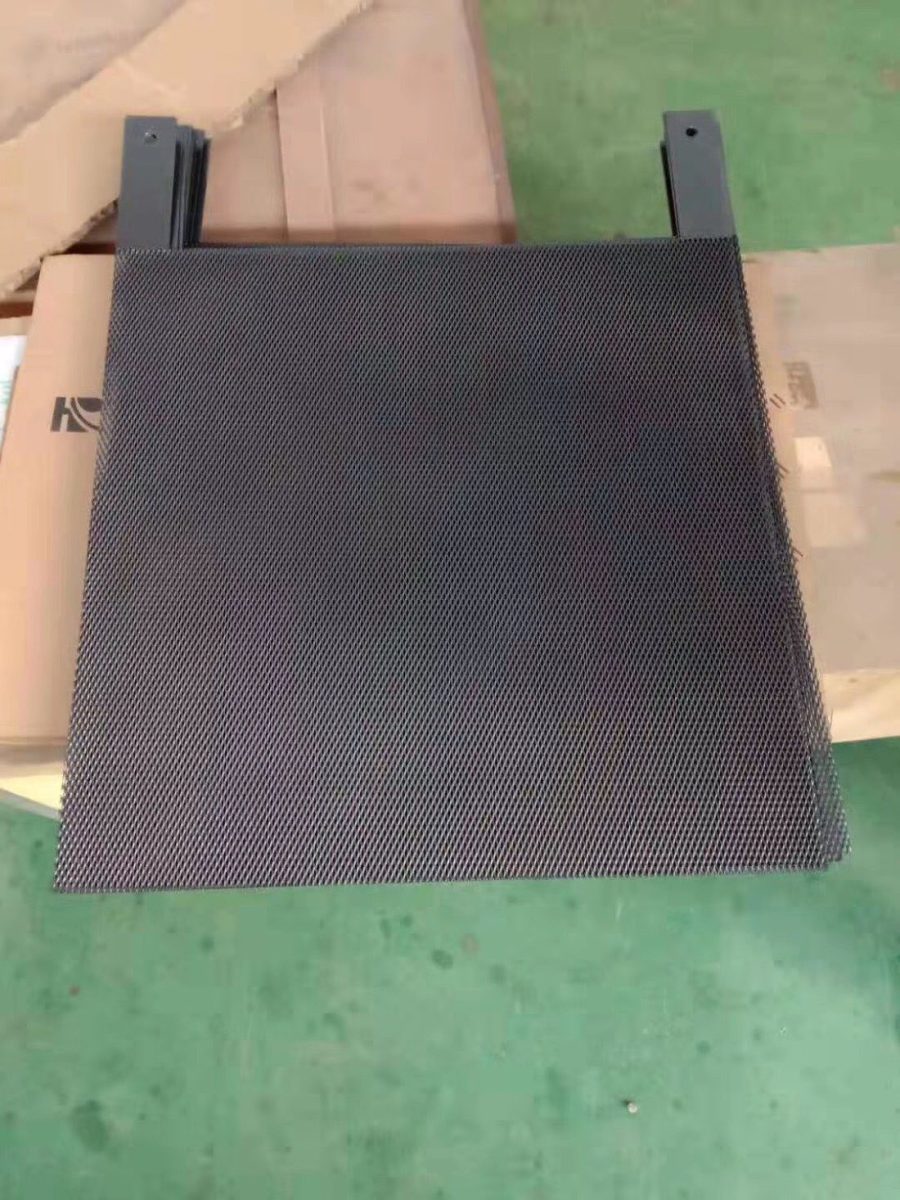
A mesh panel with a large geometric envelope may have a much smaller coated area after borders, weld lands and contact zones are masked. The buyer should define how expanded mesh or perforated sheet area is calculated and which side or strand surfaces count. That convention must stay consistent when current density and coating loading are compared. Map the current path from the power connection through the conductor and substrate to the farthest coated region. Request voltage-drop or resistance evidence when geometry creates long paths or narrow conductor sections. For cable-connected tubular anodes, define the conductor, splice, potting, seal, strain relief and immersion boundary. For replaceable plates, record contact pressure, cleaning method and allowable surface damage. These details locate electrical and sealing risks before fabrication.
Tie coating evidence to the shipped serial or lot
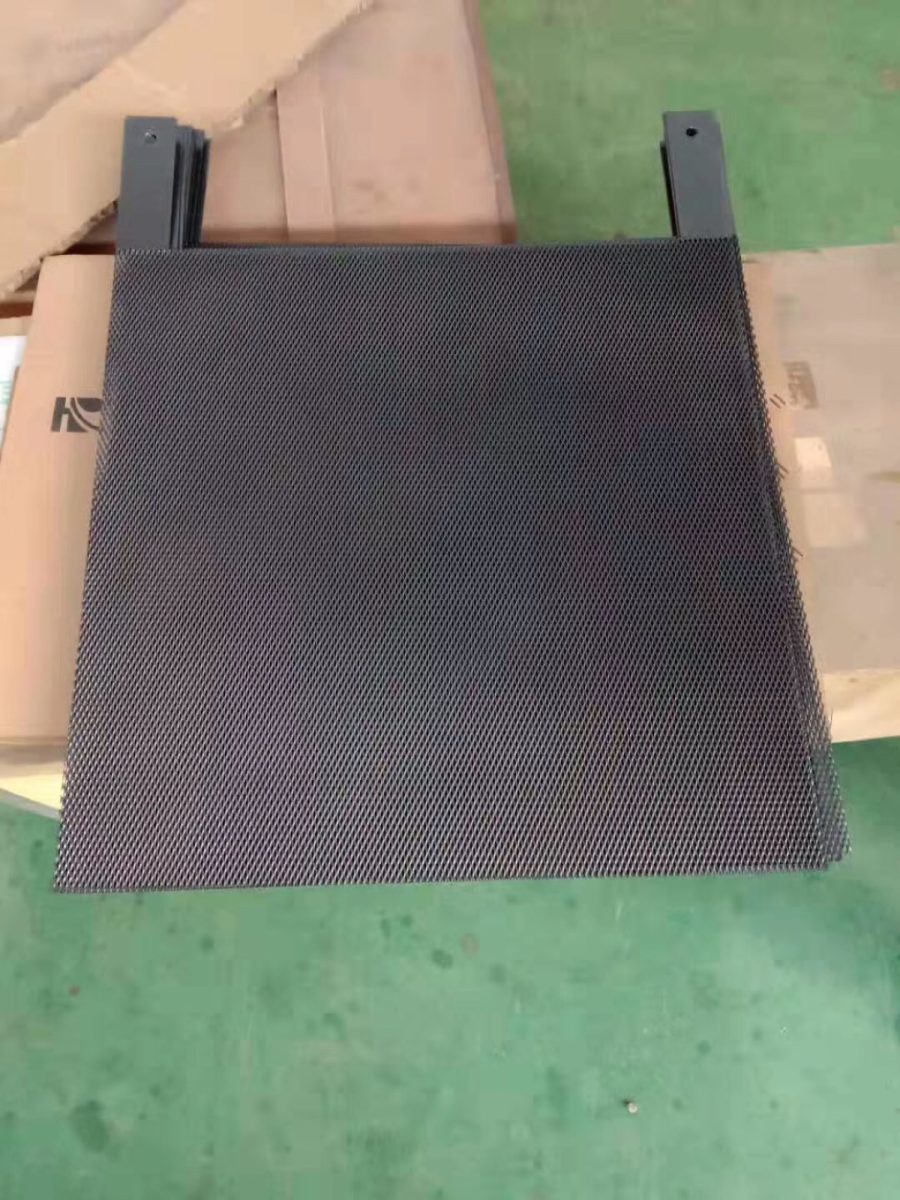
Receiving documents should connect the anode mark to its titanium heat, substrate preparation batch, coating batch and final inspection. Review the actual dimensions and coating map against the released drawing. Confirm the coating measurement method, sampled positions and results in the agreed units. Visual inspection should record bare areas, overspray, flaking, handling damage, contaminated contacts and repairs. Verify continuity and terminal resistance with a stated method. If a functional test, accelerated-life test or coupon test is ordered, the report must define electrolyte, temperature, current density, duration, failure criterion and the relationship between the tested specimen and production lot. An accelerated coupon result should remain a test result; converting it into field life requires an agreed engineering model and service assumptions.
Make every bidder return one duty sheet
Issue the same process, electrical and geometric schedule to all candidates. Require returned values, calculation conventions and exceptions. Separate design assumptions from measured production records. Price spare anodes, cables, busbars, cleaning tools and commissioning support as visible lines so commercial totals cover the same boundary.
| RFQ group | Buyer states | Supplier returns |
|---|---|---|
| Application | Reaction, electrolyte envelope, cell geometry and service-life target | Selected coating/substrate, duty limits, expected degradation basis and exclusions |
| Geometry | Drawing, active/masked areas, tolerances, welds and mounting points | Marked drawing, calculated area, manufacturing route and mass |
| Electrical | Current, density convention, voltage, polarity, terminals and cables | Ratings, resistance path, connection detail, seal and test results |
| Quality | Traceability, coating checks, dimensions, visual/continuity and hold points | ITP, batch maps, methods, actual readings and dispositions |
| Commercial | Quantity, spares, packing, destination, installation and required date | MOQ, production slot, validity, support, exclusions and separate options |
Beiyu enquiry route for an MMO anode
Beiyu sits outside the five-company source set. Its enquiry route starts with the electrolyte, reaction, current profile, active-area convention and design-life basis. The return then fixes titanium substrate, geometry, coating family, loading/map, masking, conductor, terminal, sealing, inspection, traceability, quantity and destination. Service-life language is tied to declared assumptions and a named test or calculation basis. Current capability is confirmed against the released duty sheet and drawing.
Related Beiyu routes: MMO coated titanium anodes, general titanium anode comparison, sodium hypochlorite anode comparison, platinized titanium anode comparison. Send the controlled duty sheet or drawing, quantity, inspection scope, required date and destination. Close every written exception before award.
Related supplier lists and supply ranges
- titanium anode supply range
- Platinized Titanium Anode Suppliers
- Sodium Hypochlorite Titanium Anode Suppliers
- Top Titanium Anode Manufacturers
- all supplier lists by product family
Specification detail with sources
Beiyu Titanium publishes this list and is not part of the comparison above. For readers who want the publisher’s own figures on the same basis they would ask of any supplier on this page, the material is specified to ASTM B265 and ASTM B338, and each order carries an EN 10204 type 3.1 certificate with heat and pour numbers by order scope.
In the coating systems Beiyu supplies, the ruthenium system runs chlorine evolution below 2000 A/m2 with a 5 to 20 micrometre coating carrying 5 to 20 g/m2 of precious metal, and is used in brine and seawater duty with hydrochloric content below 20 percent. The iridium system runs oxygen evolution below 2000 A/m2 up to 70 C with 10 to 45 g/m2 of precious metal, and is the stable choice in acidic solution, soil and fresh water duty.
These are Beiyu published supply figures, not limits taken from the standard; limit values belong to the standards named above and are confirmed against the exact edition on the purchase order. Certification is stated as a production capability, and no stock position, delivery time or price is implied by any figure on this page.