
Gr1 / Gr2Common titanium substrate grades
Ru-Ir / Ir-TaCoating family by electrolyte
Active areaDefined from drawing or cell design
MTC / COADocuments by purchase requirement
Acceptance is by the ordered specification. Values and coating notes are RFQ references only. Final chemistry, coating, dimensional inspection and documentation are confirmed by the purchase specification and mill or coating records.
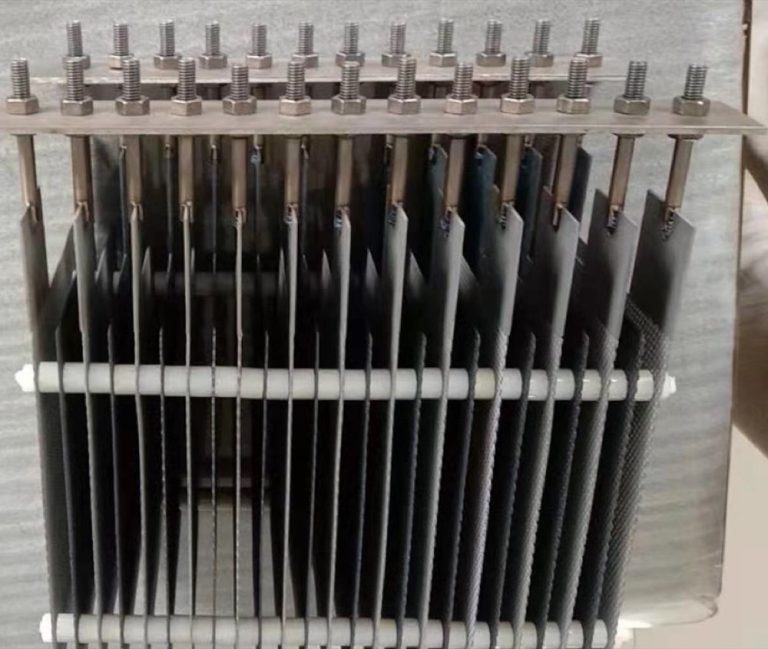
An MMO anode is a titanium body carrying a mixed metal oxide working layer. The titanium gives the anode its shape and its resistance to the electrolyte; the coating decides which reaction the anode drives and how hard it can be run, and the titanium body is not consumed with the coating.
Coating systems and their working envelopes
| Ruthenium-based (Ru) | Iridium-based (Ir) | Platinum plated (Pt) | |
|---|---|---|---|
| Reaction | Chlorine evolution | Oxygen evolution | Platinum plating; high oxygen-evolution and low hydrogen-evolution potential |
| Operating current density | Below 2000 A/m² | Below 2000 A/m² | Below 4000 A/m² |
| Temperature | — | Below 70 °C | Below 80 °C |
| Coating thickness | 5 to 20 µm | — | 0.5 to 10 µm |
| Precious-metal loading | 5 to 20 g/m² | 10 to 45 g/m² | — |
| Medium note | Hydrochloric acid below 20 percent | Stable in acidic solutions | — |
A dash means no published figure for that cell; it is confirmed against the duty at quotation.
Typical duties by coating
- Ruthenium-based: sodium hypochlorite generators, chlorine dioxide, swimming-pool chlorination, electrodialysis and EDI desalination, seawater desalination, diaphragm-cell chlor-alkali, copper recovery from acidic etchant, precious-metal plating, wastewater, oilfield and circulating-water treatment, and organic synthesis.
- Iridium-based: copper and aluminium foil electrolysis, galvanising and tinning of steel strip, high-speed plating and surface treatment, copper recovery from alkaline or micro-etch solutions, indium electrowinning, acidic electrolysed water, coking and ammonia-nitrogen wastewater, and organic synthesis.
- Platinum plated: precious-metal and general electroplating, electrolysed-water and hydrogen-water cells, oxidising acidic electrolysed water, HHO generators, wastewater treatment and cathodic protection.
In impressed-current cathodic protection, ruthenium-based coatings are used in brine and seawater and iridium-based coatings in soil and fresh water. Design basis and anode forms: titanium anodes for cathodic protection.
Grade 1 or 2 titanium substrate, MMO coating, and the cell reaction the RFQ defines
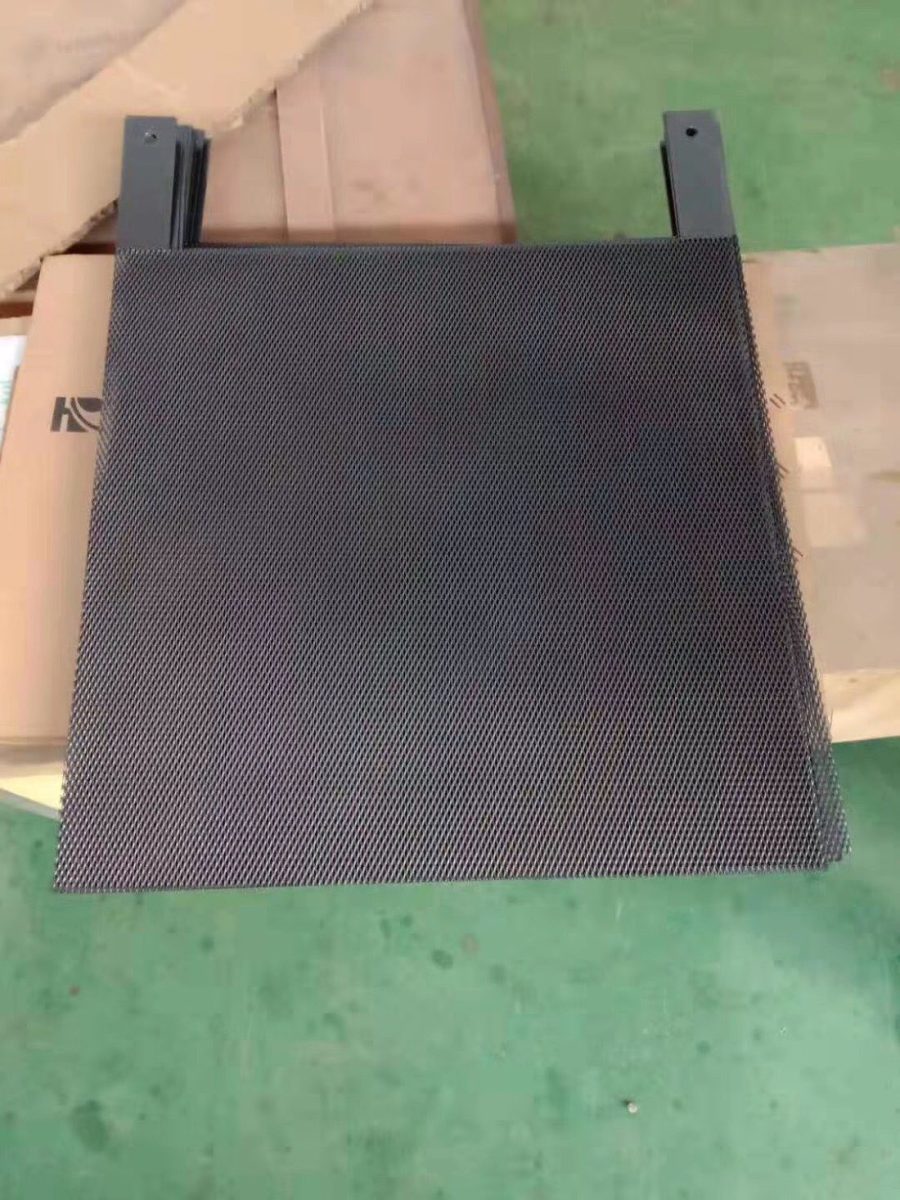
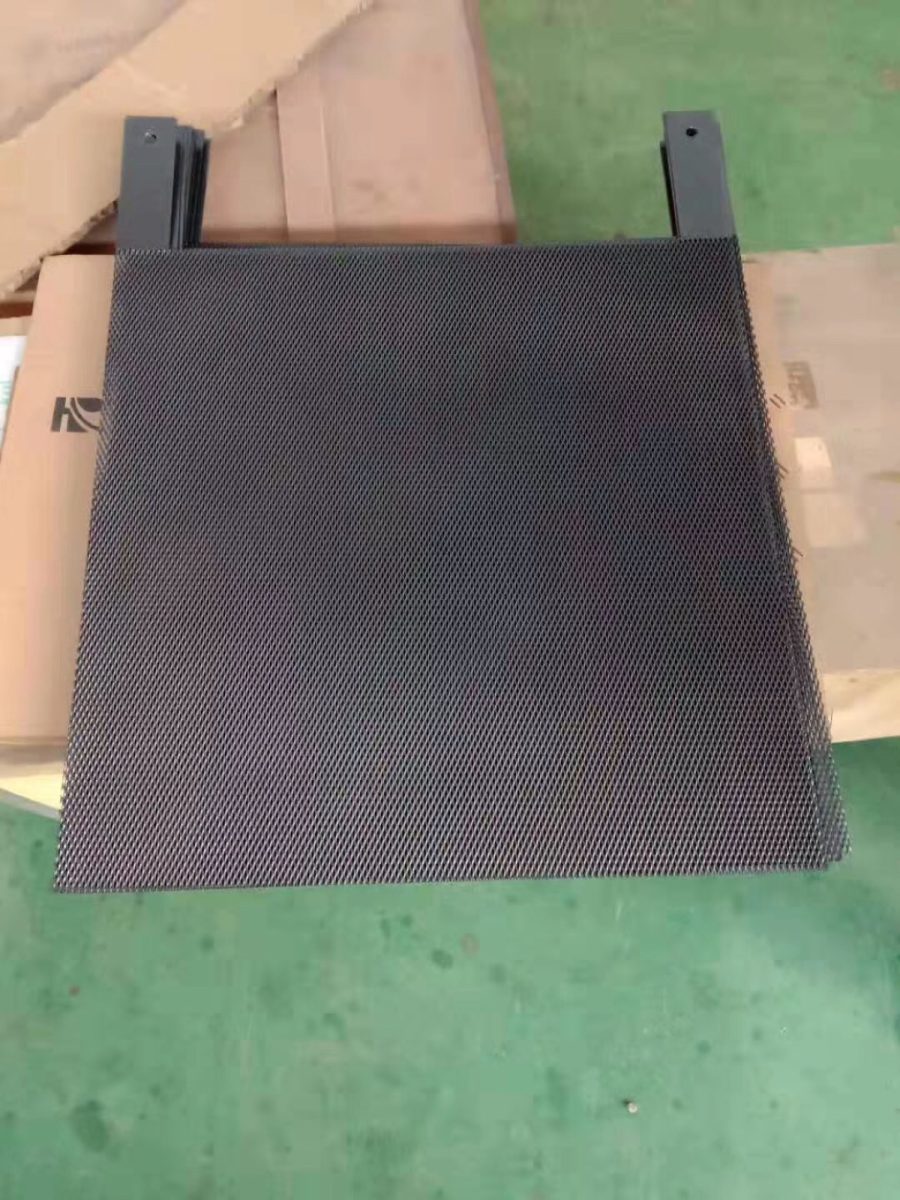
MMO coated titanium anodes use a Grade 1 or Grade 2 titanium substrate with a mixed metal oxide working layer selected for the electrolyte and electrochemical reaction. RFQs should define whether the anode is for chlorine evolution, oxygen evolution, electro-oxidation, electrowinning, water treatment or a custom cell.
Grade and Standards
| Substrate | Commercially pure titanium Grade 1 or Grade 2, selected by drawing and forming requirement |
|---|---|
| Coating | Mixed metal oxide coating system according to operating medium and duty requirement |
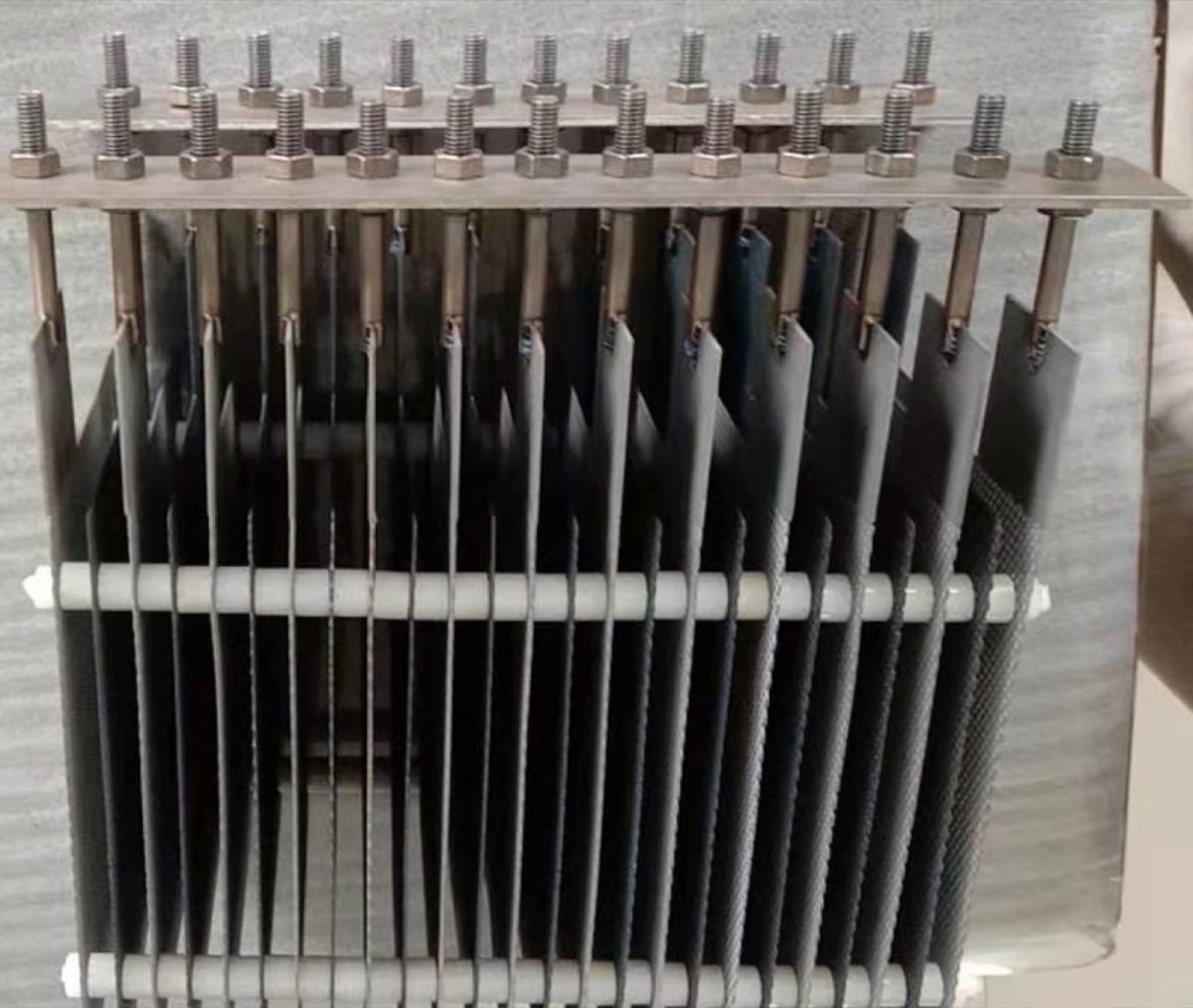
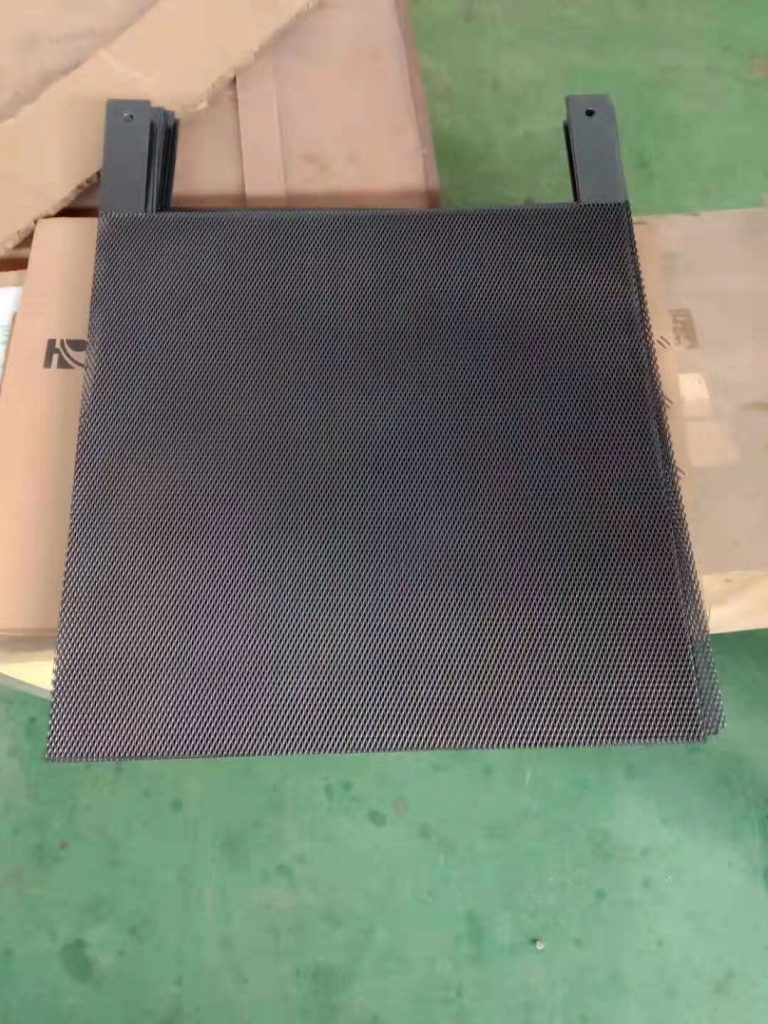
| Forms | Plate, mesh, tube, rod, strip, basket, frame or fabricated assembly |
| Documentation | Substrate MTC, coating record, dimensional inspection and EN 10204 3.1 documentation when specified |
Size, Tolerance and Surface
Quote MMO anodes by drawing, active area and installation details. Include overall dimensions, plate thickness, mesh opening, tube diameter, hole position, hanger or terminal design, coating area, masked area, tolerance and surface preparation requirement.
Packaging and Export Information
MMO coated titanium anodes should be packed to protect the active coating, edges, hangers and terminals. Export packing may include individual wrapping, separator material, rigid support for assemblies, moisture protection and wooden case or pallet packing.
FAQ
What information is needed for an MMO titanium anode RFQ?
Send substrate grade, anode form, dimensions, active area, coating type, operating medium, current density if available, quantity, inspection documents and packing requirement.
Is one MMO coating suitable for every electrolyte?
No. The coating system should be selected according to electrolyte, reaction type, temperature, current density and cleaning method. If the equipment designer specifies a coating, include that specification in the RFQ.
Common Applications
Chlorine evolution and water-treatment cells
Electrochemical oxidation equipment
Cathodic protection and brine service
Drawing-based titanium electrode assemblies
Specification detail with sources
An MMO anode is accepted twice, and only the metal underneath is covered by a titanium product specification. The substrate arrives as a grade with composition limits and a certificate; the mixed metal oxide layer is a process with its own description. Buyers who write only the coating onto the order leave the substrate to a default, and the two records then have to be reconciled at receiving rather than agreed at ordering.
On the substrate side the figures have a named basis. Unalloyed titanium is separated by interstitial content rather than by appearance, and in the bar and billet specification ASTM B348 Grade 1 carries oxygen at 0.18 percent maximum with iron at 0.20 percent maximum, while Grade 2 carries 0.25 percent oxygen maximum and 0.30 percent iron maximum (ASTM B348, chemical requirements). That specification covers bar and billet, so it is not the acceptance basis for anode sheet or mesh, but it shows what actually separates the two grades that anode substrates are normally written against. The methods behind the numbers are named in the document as well: ASTM E1409 for oxygen and nitrogen, ASTM E1447 for hydrogen and ASTM E1941 for carbon, with rounding to ASTM E29 before a value is compared to a limit (ASTM B348, referenced documents and test methods). Beiyu Titanium supplies the titanium substrate with an EN 10204 3.1 mill test certificate carrying heat number traceability, with the reporting scope set by the order.
Beyond the classic coatings: multi element oxide systems
The three classic families cover most duties, but some electrolytes sit between them or attack a single oxide system faster than the buyer expects. For those cases the coating is built from more elements rather than more thickness, and the composition is selected against the solution rather than taken from a catalogue.
| System | Composition |
|---|---|
| Quaternary | Ruthenium iridium tin titanium, or ruthenium iridium platinum titanium, or iridium tantalum tin titanium |
| Five element | Ruthenium iridium tin cobalt titanium |
| Six element | Ruthenium iridium tin cobalt nickel titanium |
| Other coated electrodes | Three dimensional coated titanium electrodes, tin oxide titanium electrodes and nickel electrodes |
These are developed for special and complex solution environments, which makes the enquiry different from a standard one. Instead of naming a coating, state the electrolyte with its concentration, the temperature, the current density, the impurities that matter and what failed last time if an earlier anode was replaced. The coating system is then proposed against those conditions.
A spent anode of any of these systems is normally a recoating candidate rather than scrap, because the titanium substrate outlives the coating. The duty, the substrate form, the dimensions and the inspection scope are reviewed before quotation, and the titanium is certified to EN 10204 3.1 with heat number traceability.
Compare titanium anode products
Titanium anode category| Product | Material | Reference | Best for | Link |
|---|---|---|---|---|
| MMO Coated Titanium Anodes | Grade 1 / Grade 2 titanium substrate | Coating specification | General MMO anode requirements | Current page |
| Ru-Ir Titanium Anodes | Ru-Ir MMO coating | Drawing specification | Chlorine evolution and NaClO systems | View |
| Platinum Plated Titanium Anode | Pt plated titanium | Drawing specification | Electrochemical and water-treatment cells | View |
| Sodium Hypochlorite Anode Group | MMO titanium assembly | Cell drawing | NaClO generator replacement groups | View |
| Titanium Electrodes | MMO / Pt coating | Drawing specification | Custom electrode assemblies | View |
Related titanium products
Titanium anode category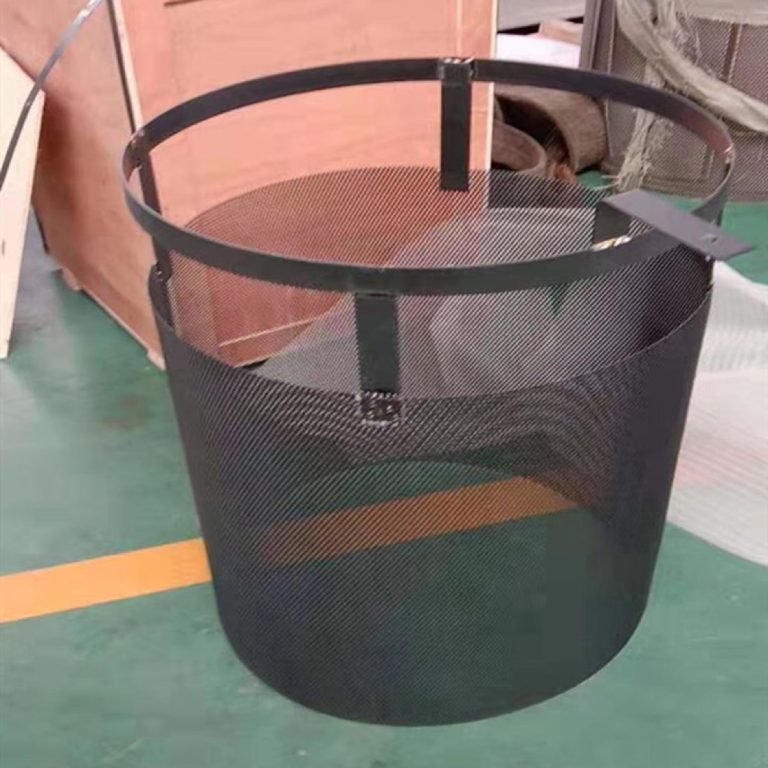
For a view of who else publishes this material and what each one states, see MMO Coated Titanium Anode Suppliers: Five Company Pages Compared.
Request a quote for MMO Coated Titanium Anodes
Send drawing, grade or coating requirement, dimensions, operating data, quantity and certificate needs. Beiyu replies with quotation, lead time and documentation scope.