
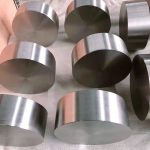
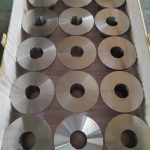
Grade 7Palladium-bearing CP titanium
ASTM B381Forging standard reference
UNS R52400Grade 7 designation
Corrosion serviceReducing-acid and chloride use
Acceptance is by the ordered specification. Values and coating notes are RFQ references only. Final chemistry, coating, dimensional inspection and documentation are confirmed by the purchase specification and mill or coating records.
Grade 7 Titanium Forgings for Severe Corrosion Service
Grade 7 titanium forgings are used when a forged titanium component needs better corrosion resistance than standard Grade 2 titanium in selected reducing or chloride-containing environments. The palladium addition in Grade 7, UNS R52400, makes it a common choice for chemical processing, seawater equipment, chlorination systems and electrochemical service where forged strength and corrosion resistance are both required.
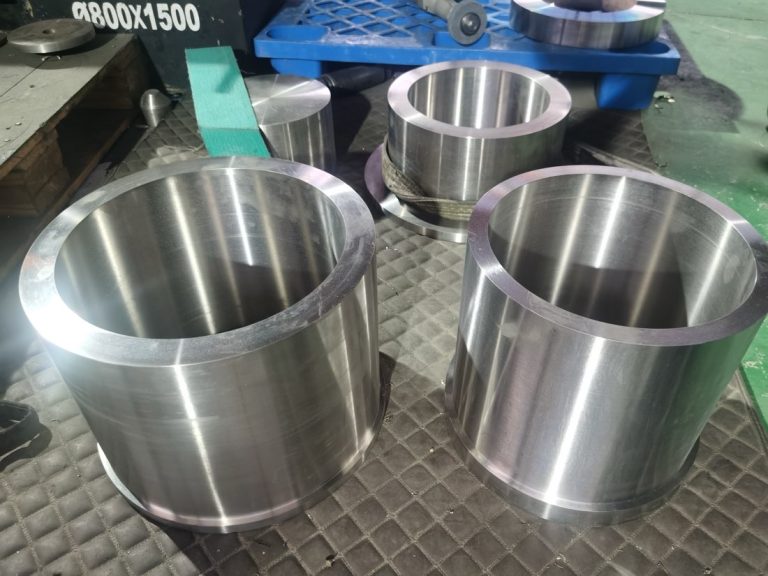
Beiyu supplies Grade 7 titanium forgings according to drawings, size lists and project specifications. Typical enquiries include forged rings, discs, blocks, sleeves, flange blanks, valve components, pump parts and machined preforms. The exact forging route, machining allowance and inspection package should be defined before quotation.
Grade and Standards
| Material | UNS | Common Standard | Typical Use |
|---|---|---|---|
| Grade 7 titanium | UNS R52400 | ASTM B381 | Forged components for severe corrosion service |
| Grade 2 titanium | UNS R50400 | ASTM B381 / ASTM B348 / ASTM B265 | General corrosion-resistant titanium parts where service conditions permit |
| Grade 12 titanium | UNS R53400 | ASTM B381 | Chemical and heat-exchanger parts requiring Ti-0.3Mo-0.8Ni |
Forging Forms and Size Data
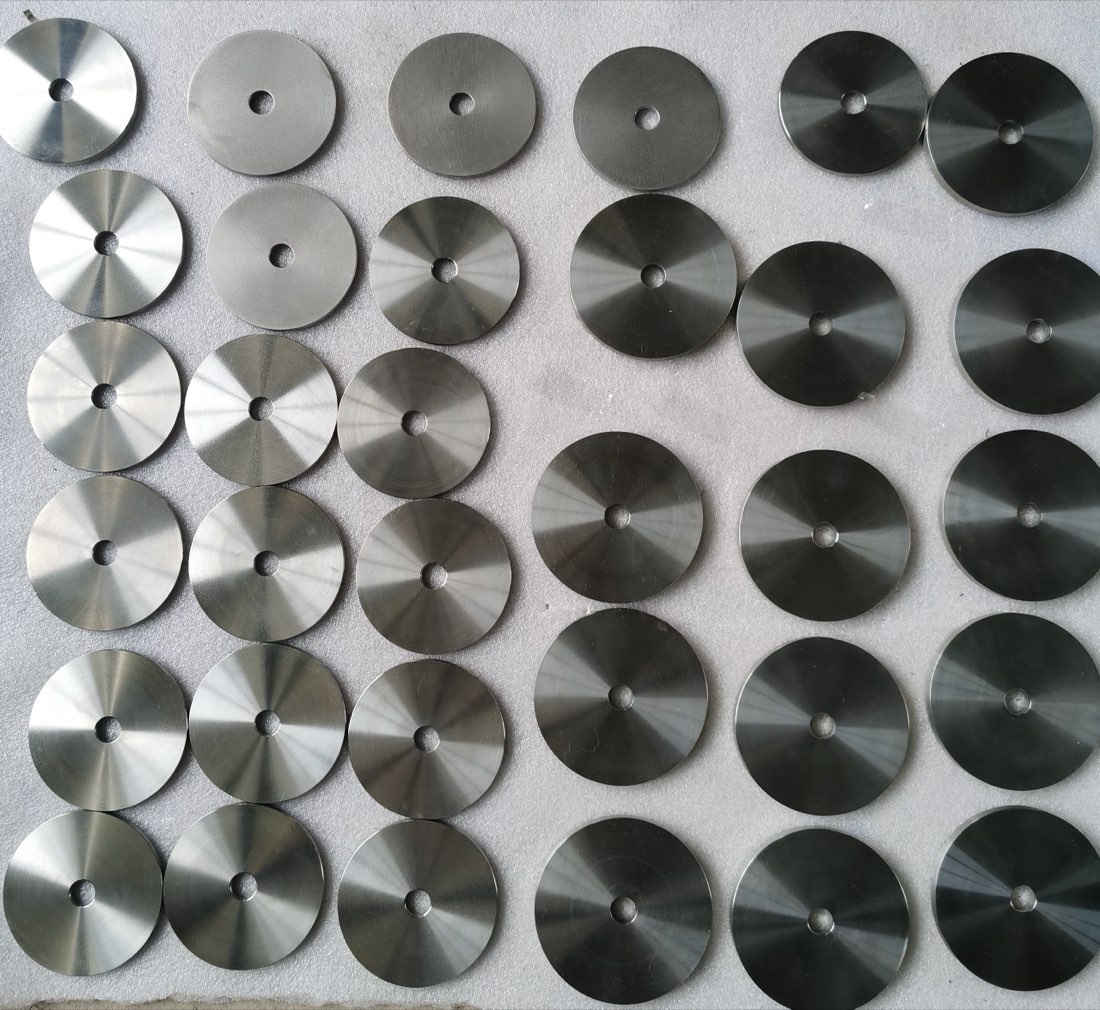
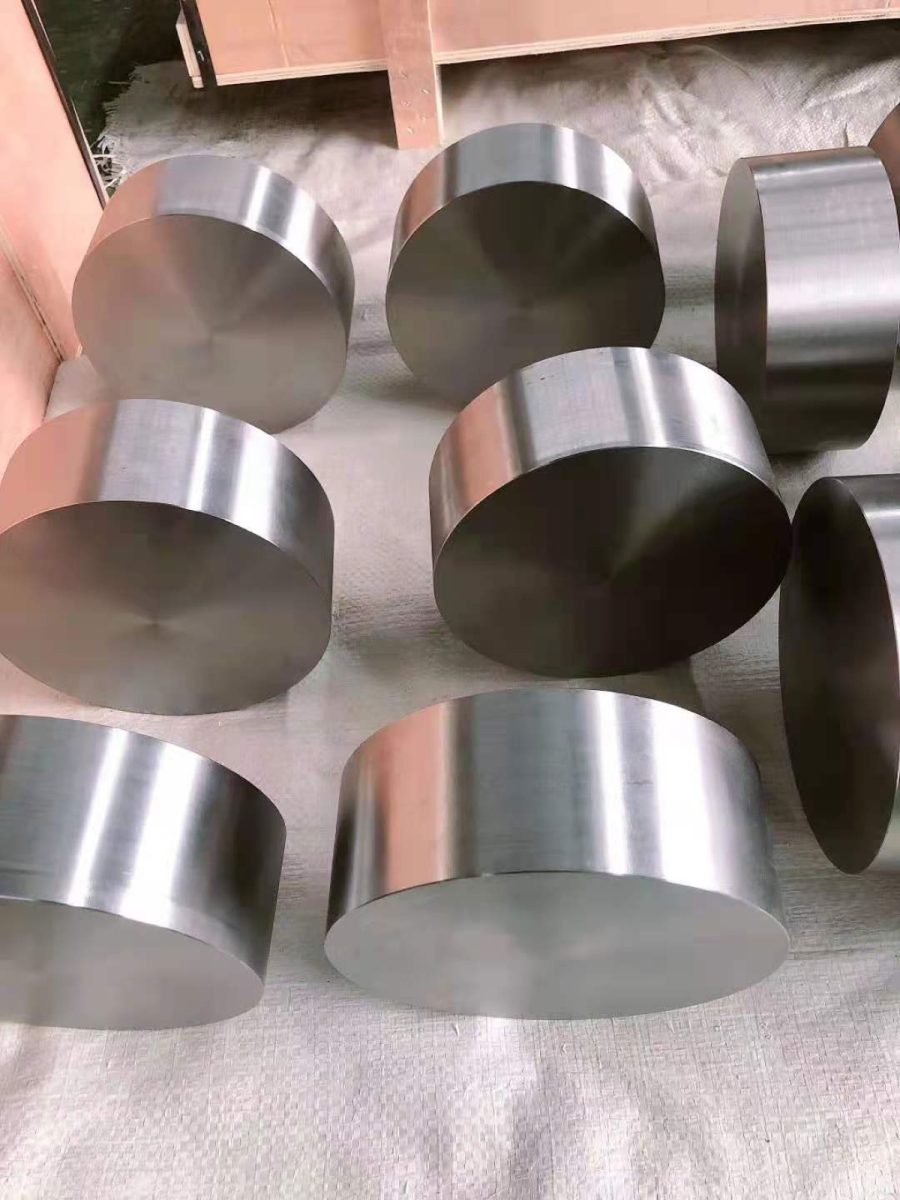
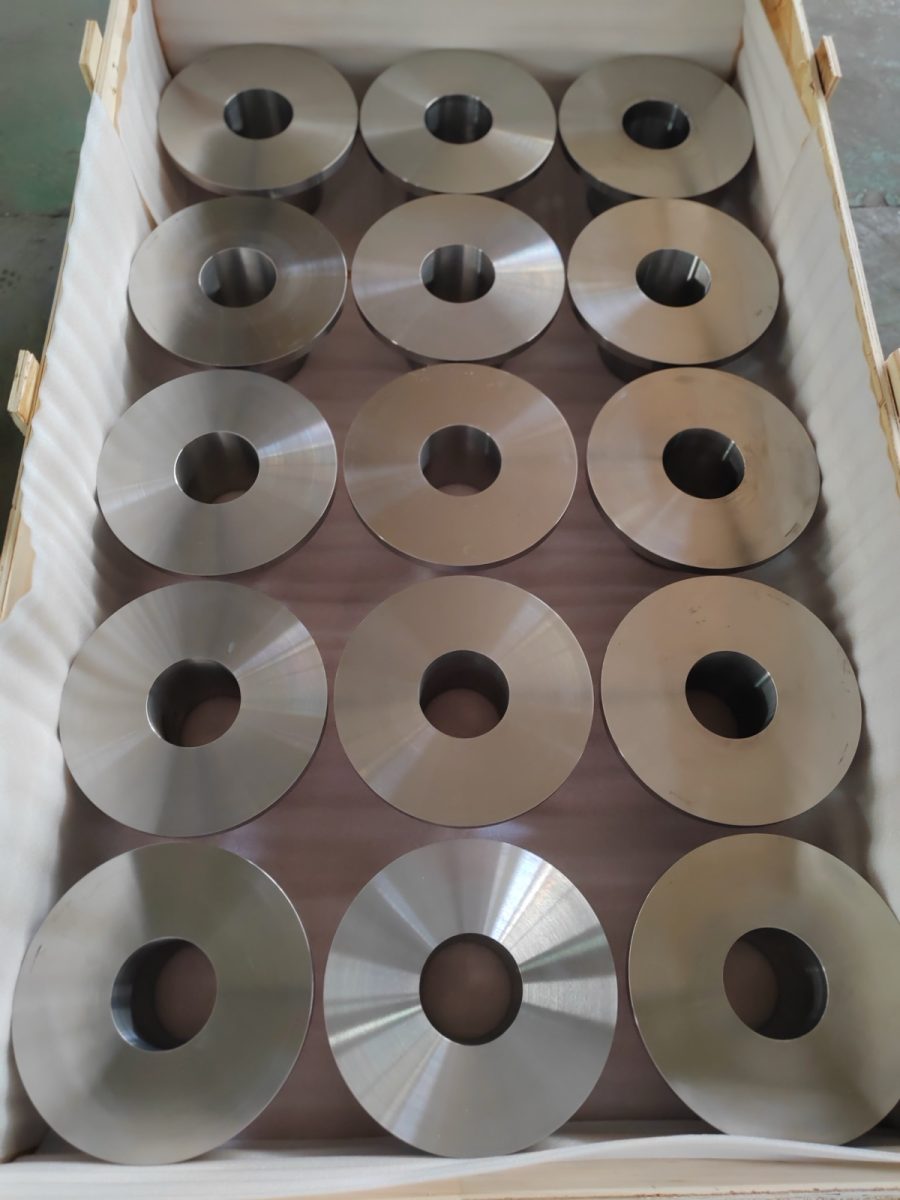
Grade 7 titanium forgings can be quoted as rough forgings, pre-machined blanks or finished machined parts depending on the drawing. Buyers should define outside diameter, inside diameter, thickness, length, weight, machining allowance, tolerance and whether grain-flow direction or forged structure is controlled by the specification.
Applications
Chemical process valve and pump components
Flange blanks, rings, discs and corrosion-resistant connectors
Seawater and brine service equipment parts
Electrochemical and chlorination system components
Drawing-based forged blanks for machining into custom parts
Inspection and Documentation
Inspection-document scope for Grade 7 forgings, including MTC, chemistry, mechanical results and heat-number traceability, is confirmed in the quotation and purchase order. Depending on the order, inspection may include dimensional checks, visual inspection, PMI, ultrasonic testing, hardness testing or EN 10204 3.1 documentation. Acceptance follows the buyer's drawing and purchase specification.
Packaging and Export Information
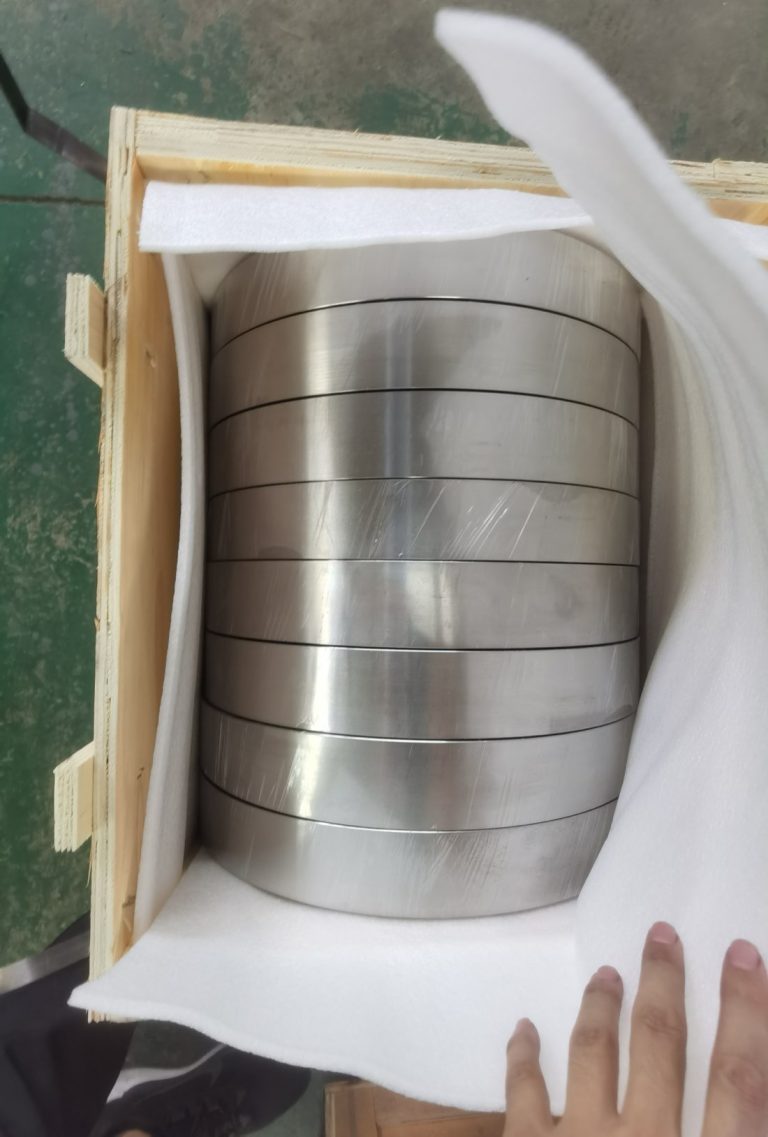
Forgings should be protected from impact damage, surface scratches and mixed heat numbers during packing. Heavy forged parts may require wooden cases, pallets, lifting protection and individual marking. Machined sealing faces or reference surfaces should be wrapped separately.
RFQ Information Needed
- Grade 7 / UNS R52400 and ASTM B381 or project standard
- Drawing, dimensions, weight, machining allowance and quantity
- Rough forged, pre-machined or finished machined condition
- Inspection requirements such as UT, PMI, hardness or dimensional report
- MTC, EN10204 3.1, heat marking and packing requirement
FAQ
Why use Grade 7 instead of Grade 2 for forgings?
Grade 7 contains palladium and is selected for more severe corrosion conditions where Grade 2 may not be sufficient.
What standard is commonly used for titanium forgings?
ASTM B381 is commonly specified for titanium forgings, but the drawing and project specification should also be followed.
Can Grade 7 forgings be supplied as machined blanks?
Yes. The RFQ should state machining allowance, tolerance, datum surfaces and whether final machining or only rough machining is required.
Quotation Checklist for Grade 7 Forgings
For final pricing, include the service medium, operating temperature if known, forging drawing, rough-machined dimensions, finished-machined dimensions, machining allowance, heat number marking location and required inspection stage. If the part will be welded, bolted or sealed against another component, provide mating dimensions and surface finish requirements so the forging blank can be quoted with the correct allowance and documentation package.
Specification detail with sources
ASTM B381 lists Grade F-7 as unalloyed titanium plus 0.12 to 0.25 percent palladium under UNS R52400 (ASTM B381, scope). Ti-0.15Pd is trade shorthand for the same grade, and the figure inside that shorthand is a nominal label rather than the standard's value, so a certificate is read against the interval. Where a buyer's own specification quotes a tighter palladium band, that band belongs in the purchase order text and is reviewed before the enquiry is priced.
Material conforming to ASTM B348 has to be used when forgings are produced to ASTM B381 (ASTM B381, materials and manufacture), and the standard defines a forging as any product of work on metal formed to a desired shape by impact or pressure in hammers, forging machines, upsetters, presses or related forming equipment (ASTM B381, terminology).
| Line the purchase order has to carry | What Beiyu reviews it against |
|---|---|
| Grade and standard | ASTM B381 Grade F-7, UNS R52400, palladium 0.12 to 0.25 percent |
| Forged form and size | Round bar 50 mm to 500 mm diameter and up to 3000 mm long, ring outside diameter 50 mm to 2000 mm with bore 10 mm to 900 mm and height 20 mm to 400 mm, disc outside diameter 50 mm to 2000 mm and height 20 mm to 500 mm, block 50 mm to 600 mm |
| Condition | R or M, taken from Beiyu's forging table and named on the order |
| Inspection and certification | Tests named by the buyer, supplied with MTC and EN 10204 3.1 by order scope |
The sizes above are the envelope Beiyu quotes within, and they say nothing about what sits on the floor on a given day. The workable combination of grade, form, condition and inspection is settled when the drawing is reviewed.
Naming ASTM E8 for tension testing or ASTM E1409 for oxygen and nitrogen by inert gas fusion explains how a reported number was produced (ASTM B381, referenced documents). It does not put an inspection into the order. Ultrasonic examination, positive material identification, dimensional reporting and witnessed inspection apply when the order calls for them, and each one needs its method, extent and acceptance criteria written down.
Largest forged sizes reviewed against, in both units
The envelope above is written in millimetres because that is how the drawing usually arrives. Buyers working to inch drawings compare capacity in inches, so the same limits are restated below in both units. Nothing here is new capability; it is the same envelope expressed so it can be compared against a supplier list without converting anything first.
| Forged form | Largest size reviewed against | Same limit in inches | Governing dimension |
|---|---|---|---|
| Ring | Outside diameter up to 2000 mm | up to 78.7 in | Outside diameter, with inside diameter to 900 mm (35.4 in) and height to 400 mm (15.7 in) |
| Disc | Outside diameter up to 2000 mm | up to 78.7 in | Outside diameter, with thickness to 500 mm (19.7 in) |
| Block | Up to 600 mm across the governing section | up to 23.6 in | The section named on the drawing |
| Forged round bar | Diameter up to 500 mm, length to 3000 mm | up to 19.7 in diameter, 118 in long | Diameter, then length |
These are production envelope limits reviewed against, not a stock statement, and not every combination of grade, size, condition and inspection exists across the whole range. The ordered combination is confirmed at quotation. Where a drawing sits outside a limit above, say so in the enquiry rather than rounding the part down, because the answer may simply be no, and knowing that early is worth more than a rounded drawing.
Two fields decide the answer faster than the size itself. The governing dimension is the one the tolerance applies to, and on a ring that is not always the outside diameter. The supply condition, stated as R or M on the order, belongs on the same line as the size, since the same nominal size in a different condition is a different piece of work.
Compare titanium forging products
Titanium forgings category| Product | Material | Reference | Best for | Link |
|---|---|---|---|---|
| Grade 7 Titanium Forgings | Grade 7 (Ti-0.15Pd) | ASTM B381 | Reducing-acid forged parts | Current page |
| Grade 5 Titanium Forging Block | Grade 5 (Ti-6Al-4V) | ASTM B381 | High-strength forged blocks | View |
| Grade 12 Titanium Forgings | Grade 12 | ASTM B381 | Crevice-corrosion forged parts | View |
| HIP Implant Titanium Forgings | Ti-6Al-4V ELI | ASTM F136 | Implant forging stock | View |
Related titanium products
Titanium forgings category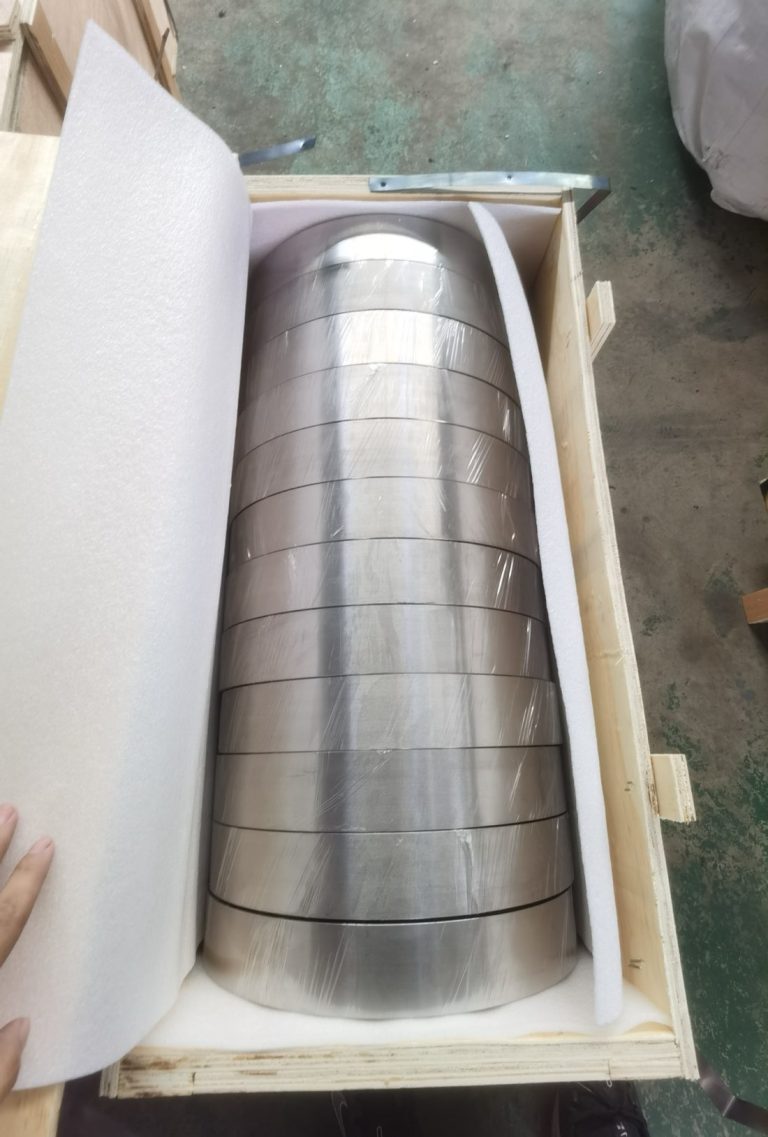
Request a quote for Grade 7 Titanium Forgings | ASTM B381 Ti-0.15Pd Forged Parts
Send drawing, grade or coating requirement, dimensions, operating data, quantity and certificate needs. Beiyu replies with quotation, lead time and documentation scope.
Specification for Grade 7 Ti-0.15Pd forgings
These are the fields an order line needs. The mechanical requirement that applies is the one in ASTM B381 for the ordered form, size range and condition, so it is confirmed against the ordered standard at quotation rather than carried across from another product standard.
| Field | Value |
|---|---|
| Grade | Grade 7 Ti-0.15Pd |
| UNS designation | R52400 under ASTM B381 |
| Werkstoff number | 3.7235 |
| Controlling standard | ASTM B381 |
| Selected composition limits, mass percent | Grade 2 chemistry plus Pd 0.12 to 0.25. Full chemistry is per the governing specification. |
| Supply condition | R / M, stated on the order |
Supply envelope
| Form | Range |
|---|---|
| Forged round bar | 50 mm to 500 mm diameter, length to 3000 mm |
| Ring | outside diameter 50 mm to 2000 mm, inside diameter 10 mm to 900 mm, height 20 mm to 400 mm |
| Disc | outside diameter 50 mm to 2000 mm, thickness 20 mm to 500 mm |
| Block | 50 mm to 600 mm, with the governing dimension taken from the drawing |
The envelope above is the production capability. It does not mean every combination of grade, condition, surface, tolerance and inspection is available across the whole range, and it is not a stock statement. The ordered combination is confirmed at quotation.
Inspection and documentation
The inspection scope is set by the order rather than assumed. State which examinations are required, to which acceptance standard and class, and at which stage they are performed, because those four fields are what make an inspection line objectively verifiable during receiving inspection.
Acceptance criteria you can paste into your purchase order
Grade and standard: Grade 7 Ti-0.15Pd, ASTM B381, UNS R52400
Form and dimensions: ______
Tolerance: ______
Condition: ______ (R / M, stated on the order)
Surface: ______ (state a roughness value where it is an acceptance criterion)
Form tolerance: ______
Inspection scope: ______ (examination, acceptance standard, class and stage)
Certificate: EN 10204 3.1 inspection certificate, chemistry traceable to heat number, mechanical results and inspection lot identification per the governing specification
Send the drawing or purchase specification with those fields filled in and the enquiry is reviewed against the applicable standard before pricing.