

OD / IDSleeve dimensions required
ASTM B381Forging reference when specified
AllowanceMachining stock defined by drawing
NDTUT or dimensional check by PO
Acceptance is by the ordered specification. Values and coating notes are RFQ references only. Final chemistry, coating, dimensional inspection and documentation are confirmed by the purchase specification and mill or coating records.
Forged Titanium Sleeves for Machined Industrial Components
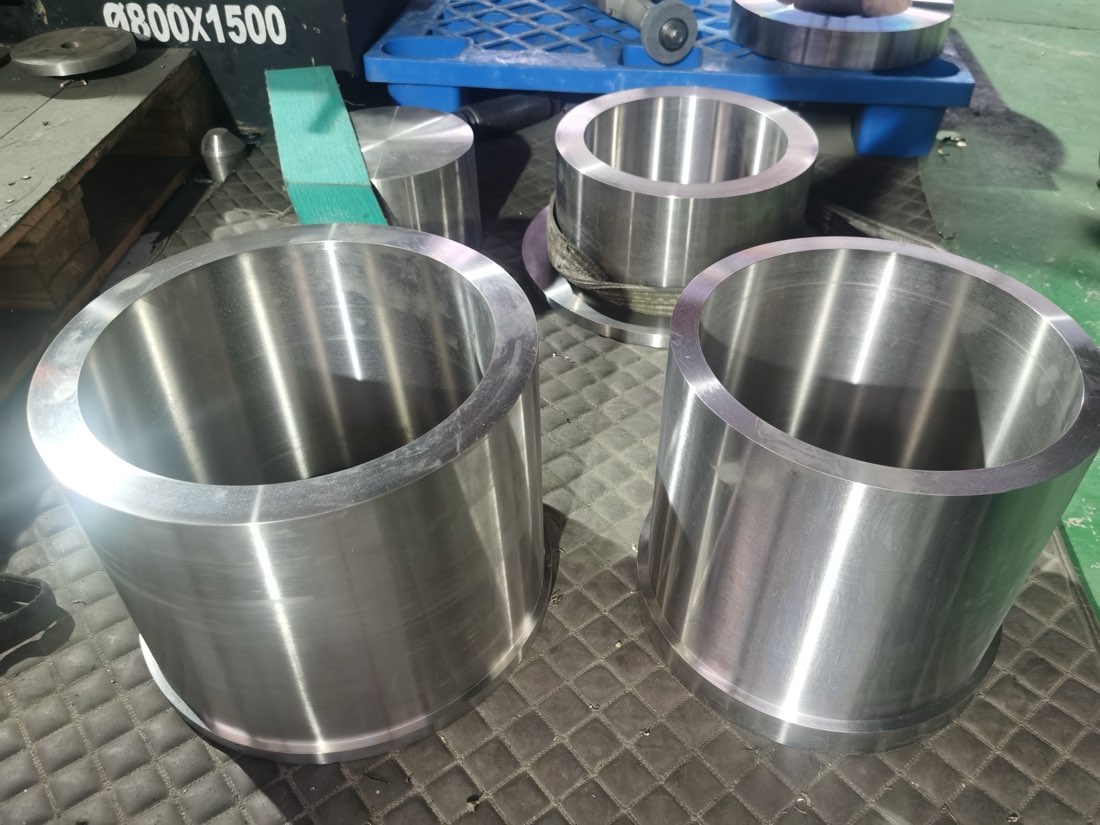
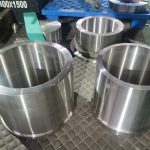
Beiyu supplies forged titanium sleeves for buyers who need ring-shaped or tubular forged blanks for machining, pressure equipment, chemical equipment, marine hardware, aerospace-related parts and custom industrial assemblies. A forged sleeve is usually purchased as a near-shape blank with enough machining allowance to reach the final OD, ID, length and face tolerance.
Unlike standard titanium bar or tube, forged titanium sleeves should be quoted from a drawing or technical specification. The drawing should define the final dimensions, machining allowance, material grade, heat treatment condition and inspection requirements.
Grades and Standards
| Common grades | Grade 2, Grade 5 / Ti-6Al-4V, Grade 7, Grade 12 and project-specified titanium alloys. |
|---|---|
| Forging reference | ASTM B381 may be used for titanium and titanium alloy forgings when specified by the buyer. |
| Supply condition | Forged, annealed or heat-treated condition according to grade, drawing and purchase specification. |
| Common scope | Forged sleeve blanks, rings, collars, bushings and custom machined sleeve components. |
Drawing, Size and Machining Allowance
RFQs should include OD, ID, length, wall thickness, tolerance, forging allowance, machining allowance and quantity. If the sleeve will be finished by CNC machining, the drawing should identify final dimensions, datum surfaces, bore tolerance, face parallelism, chamfers, holes, threads and surface finish.
For larger forgings or critical parts, buyers should state ultrasonic testing requirements, grain flow preference, heat treatment condition and whether rough machining is required before shipment.
Common Applications
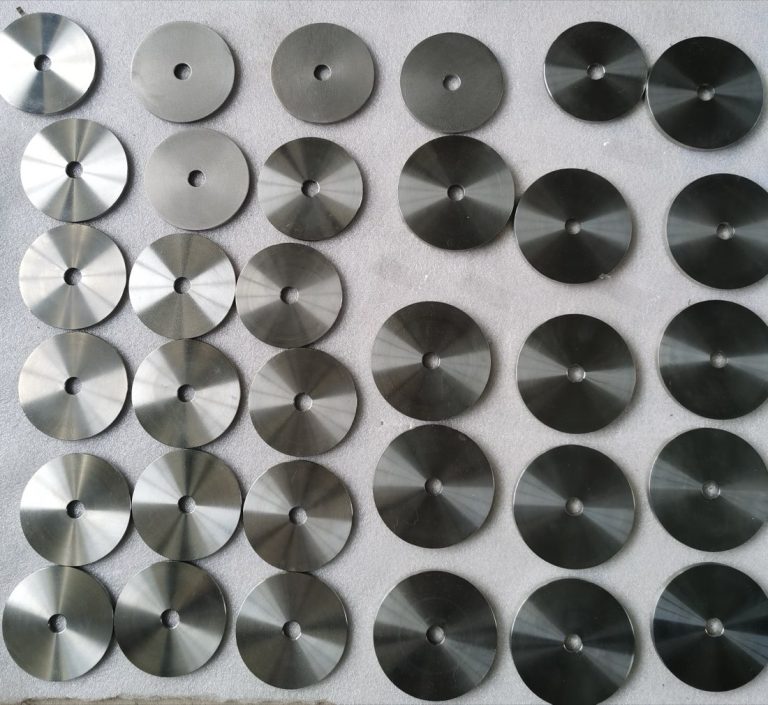
Machined titanium rings, collars and bushings
Chemical equipment sleeves and corrosion-resistant components
Pressure equipment and titanium nozzle-related parts
Marine hardware exposed to chloride environments
Aerospace-related or industrial parts controlled by drawing
Inspection and Documentation
Buyers can request mill test certificate, EN10204 3.1 documentation, heat number traceability, chemical composition, mechanical properties and dimensional inspection. Depending on grade and part size, ultrasonic testing, PMI testing, hardness testing, liquid penetrant testing or third-party inspection can be specified.
Packaging and Export Information
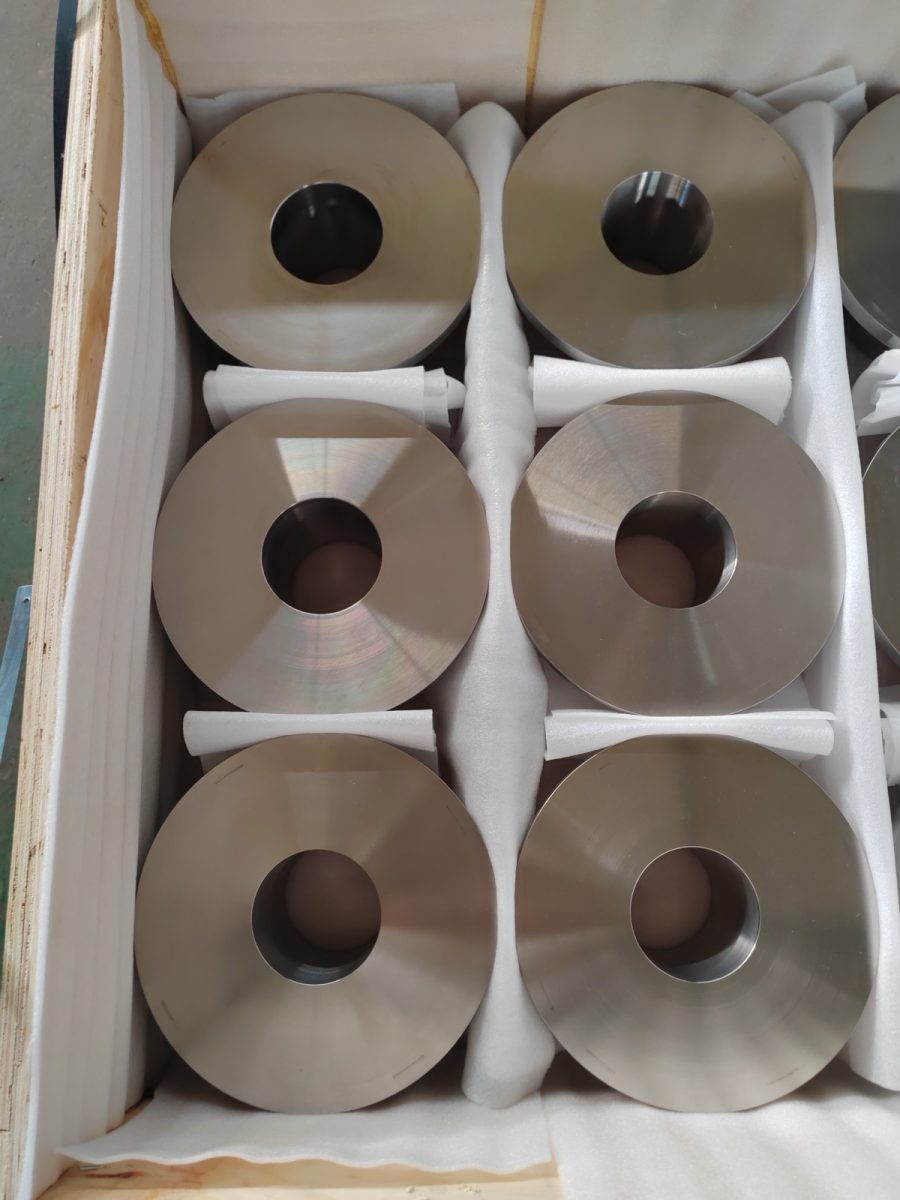
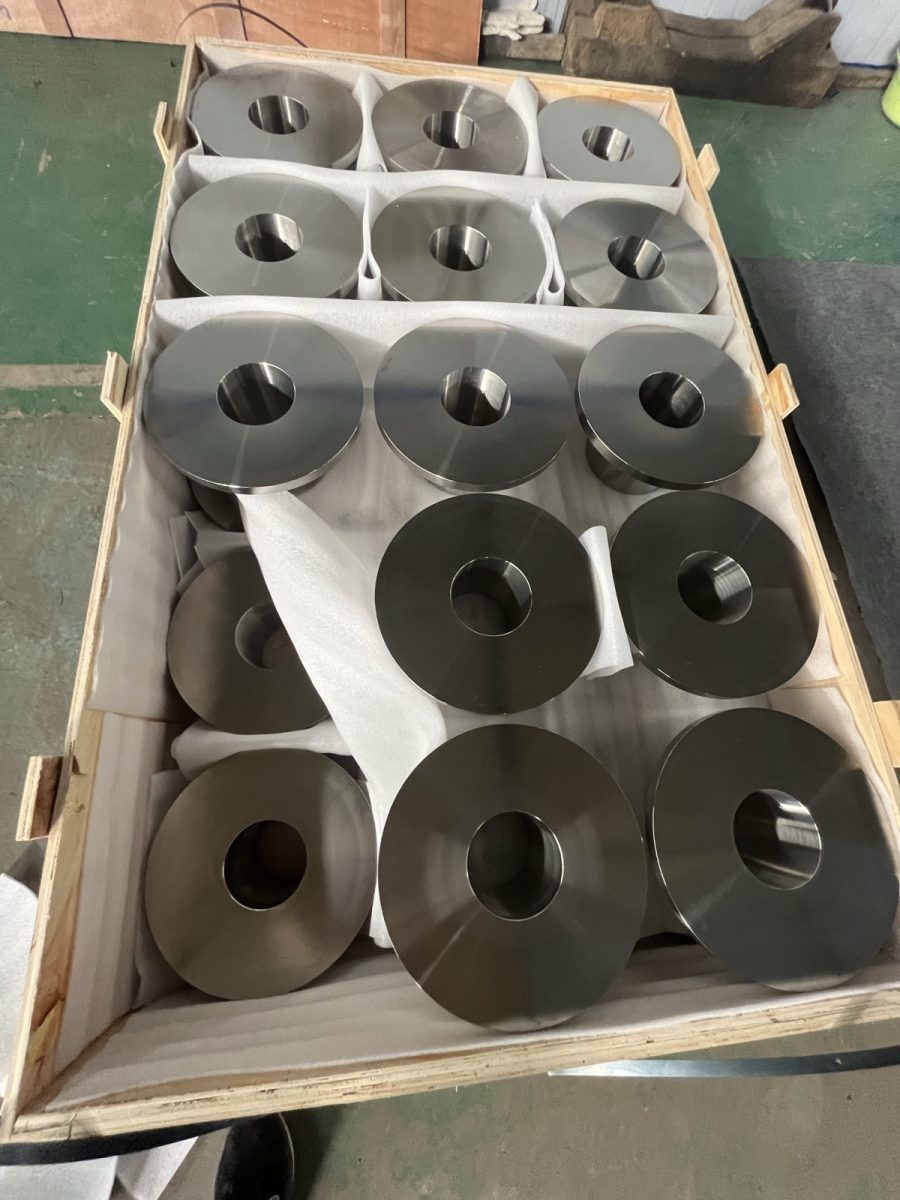
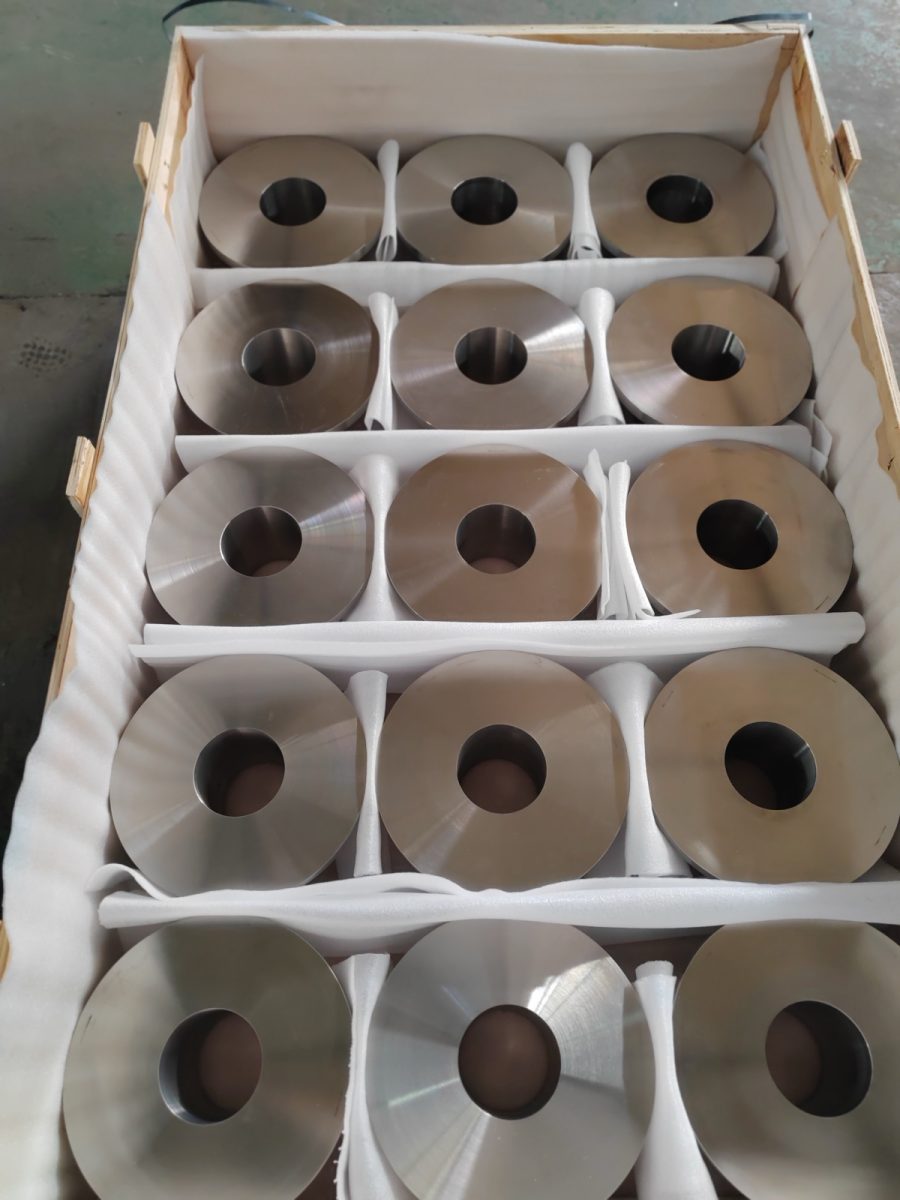
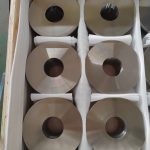
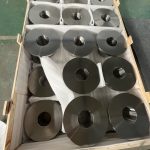
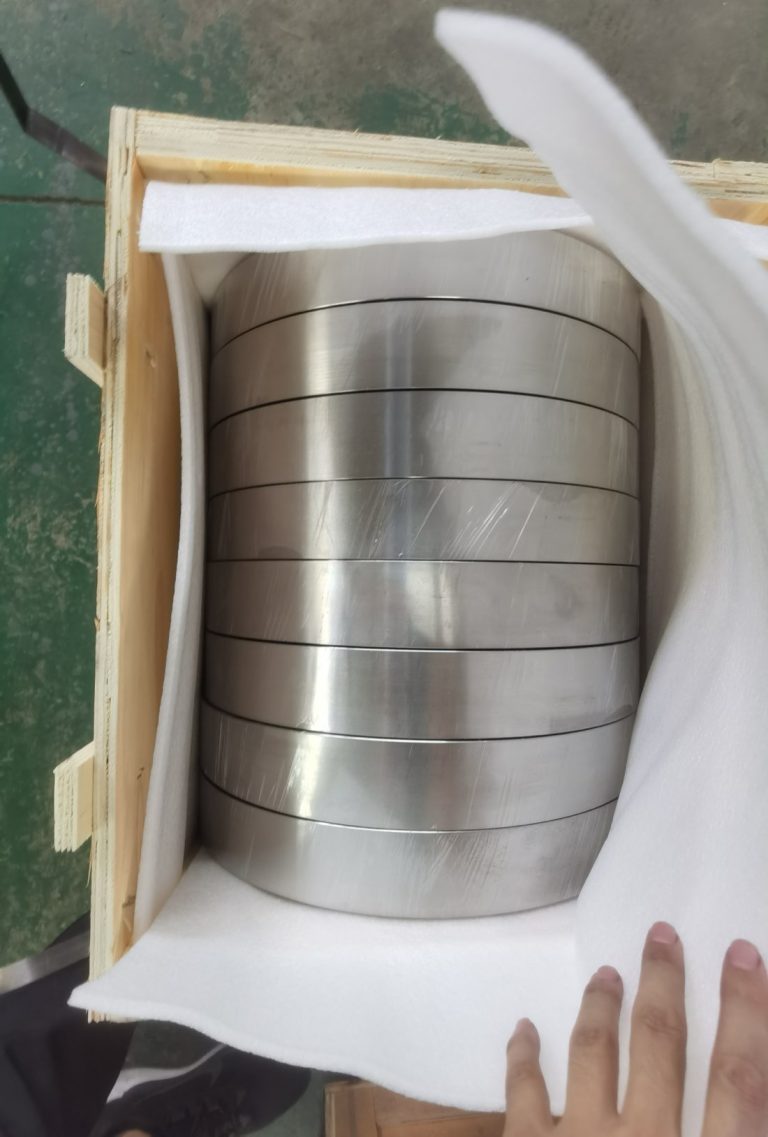
Forged sleeves should be protected at machined faces, bores and identification marks. Heavy sleeves may require wooden cases, pallets or individual wrapping to reduce impact damage during export shipment. Labels should identify grade, heat number, drawing number, size and quantity when traceability is required.
RFQ Information Needed
- Titanium grade and forging standard
- OD, ID, length, wall thickness and tolerance
- Drawing with machining allowance and final dimensions
- Heat treatment and surface condition requirements
- NDT, certificate and third-party inspection requirements
- Quantity, destination and packing requirement
FAQ
What is a forged titanium sleeve?
A forged titanium sleeve is a ring-shaped or tubular titanium forging blank used for machining into bushings, collars, rings, pressure equipment parts or custom components.
Which standard is used for titanium sleeve forgings?
ASTM B381 is commonly referenced for titanium and titanium alloy forgings when the purchase specification requires it. Drawing-based orders may include additional customer requirements.
What should be included in a titanium sleeve RFQ?
Send grade, standard, OD, ID, length, tolerance, drawing, machining allowance, heat treatment condition, quantity and inspection requirements.
Procurement Notes for Forged Titanium Sleeves
Forged titanium sleeve RFQs should include grade, outside diameter, inside diameter, length, wall thickness, machining allowance, quantity and whether the sleeve is required as a rough forging, pre-machined blank or finished machined part. Buyers should provide drawings where possible because sleeve geometry can affect forging route, machining allowance and inspection cost.
Useful order details include ASTM B381 or project standard, heat treatment condition, surface condition, tolerance, ultrasonic inspection, PMI, hardness check and EN10204 3.1 certificate requirement. If the sleeve will be used in chemical equipment, pressure parts, aerospace-related assemblies or rotating equipment, include service notes and critical dimensions in the RFQ.
Specification detail with sources
Sleeves and rings are quoted from geometry first and grade second. ASTM B381 defines a forging as any product of work on metal formed to a desired shape by impact or pressure in hammers, forging machines, upsetters, presses or related forming equipment (ASTM B381, terminology), and lists the grades a sleeve can be ordered in, among them Grade F-5 as Ti-6Al-4V under UNS R56400 and Grade F-12 as a titanium alloy with 0.3 percent molybdenum and 0.8 percent nickel under UNS R53400 (ASTM B381, scope). Material conforming to ASTM B348 has to be used when forgings are produced to the standard (ASTM B381, materials and manufacture).
| Ring or sleeve feature | Forged envelope Beiyu quotes within | What the drawing settles |
|---|---|---|
| Outside diameter | 50 mm to 2000 mm | Finished outside diameter and the stock left for turning |
| Bore | 10 mm to 900 mm | Finished bore, and whether it is forged or machined from solid |
| Height or sleeve length | 20 mm to 400 mm | Finished length, and how many sleeves are cut from one ring |
| Small sleeves taken from forged bar | Diameter 50 mm to 500 mm, length to 3000 mm | Whether a bored solid forging suits the part better than a ring |
Wall thickness follows from the outside diameter and the bore, and a finished wall that is thin against the height is normally forged heavier and machined down, since the ring has to hold its shape while it is worked. Where the finished bore falls below the ring envelope, the part is forged solid and the bore is machined afterwards. Both decisions come off the drawing, and the drawing revision named on the order is what the finished dimensions are checked against.
The envelope above is what Beiyu reviews a sleeve drawing against, with grade, size, condition and inspection confirmed together at quotation rather than assumed from the range. Reported results come from the methods the standard references, among them ASTM E8 for tension testing and ASTM E1409 for oxygen and nitrogen by inert gas fusion (ASTM B381, referenced documents). Naming a method explains how a reported result was obtained. It adds no inspection on its own, so ultrasonic examination on a ring, positive material identification and witnessed inspection are written onto the purchase order with method, coverage and acceptance class, and the stage is named as well, because a scan on the forged ring and a scan after boring do not cover the same material.
Largest forged sizes reviewed against, in both units
The envelope above is written in millimetres because that is how the drawing usually arrives. Buyers working to inch drawings compare capacity in inches, so the same limits are restated below in both units. Nothing here is new capability; it is the same envelope expressed so it can be compared against a supplier list without converting anything first.
| Forged form | Largest size reviewed against | Same limit in inches | Governing dimension |
|---|---|---|---|
| Ring | Outside diameter up to 2000 mm | up to 78.7 in | Outside diameter, with inside diameter to 900 mm (35.4 in) and height to 400 mm (15.7 in) |
| Disc | Outside diameter up to 2000 mm | up to 78.7 in | Outside diameter, with thickness to 500 mm (19.7 in) |
| Block | Up to 600 mm across the governing section | up to 23.6 in | The section named on the drawing |
| Forged round bar | Diameter up to 500 mm, length to 3000 mm | up to 19.7 in diameter, 118 in long | Diameter, then length |
These are production envelope limits reviewed against, not a stock statement, and not every combination of grade, size, condition and inspection exists across the whole range. The ordered combination is confirmed at quotation. Where a drawing sits outside a limit above, say so in the enquiry rather than rounding the part down, because the answer may simply be no, and knowing that early is worth more than a rounded drawing.
Two fields decide the answer faster than the size itself. The governing dimension is the one the tolerance applies to, and on a ring that is not always the outside diameter. The supply condition, stated as R or M on the order, belongs on the same line as the size, since the same nominal size in a different condition is a different piece of work.
Compare titanium forgings
Titanium forgings categoryProduct
Material
Reference
Best for
Grade 5 Forging Block
Ti-6Al-4V
ASTM B381
Machined structural blanks
>
Grade 12 Forgings
Ti-0.3Mo-0.8Ni
ASTM B381
Chemical and marine service
>
Grade 7 Forgings
Ti-0.15Pd
ASTM B381
Severe corrosion service
>
Forged Titanium Sleeves
Grade by drawing
ASTM B381
Rings, bushings and collars
Hip Implant Forgings
Ti-6Al-4V ELI
ASTM F136 when specified
Medical-related machining blanks
>
Related titanium products
Titanium forgings category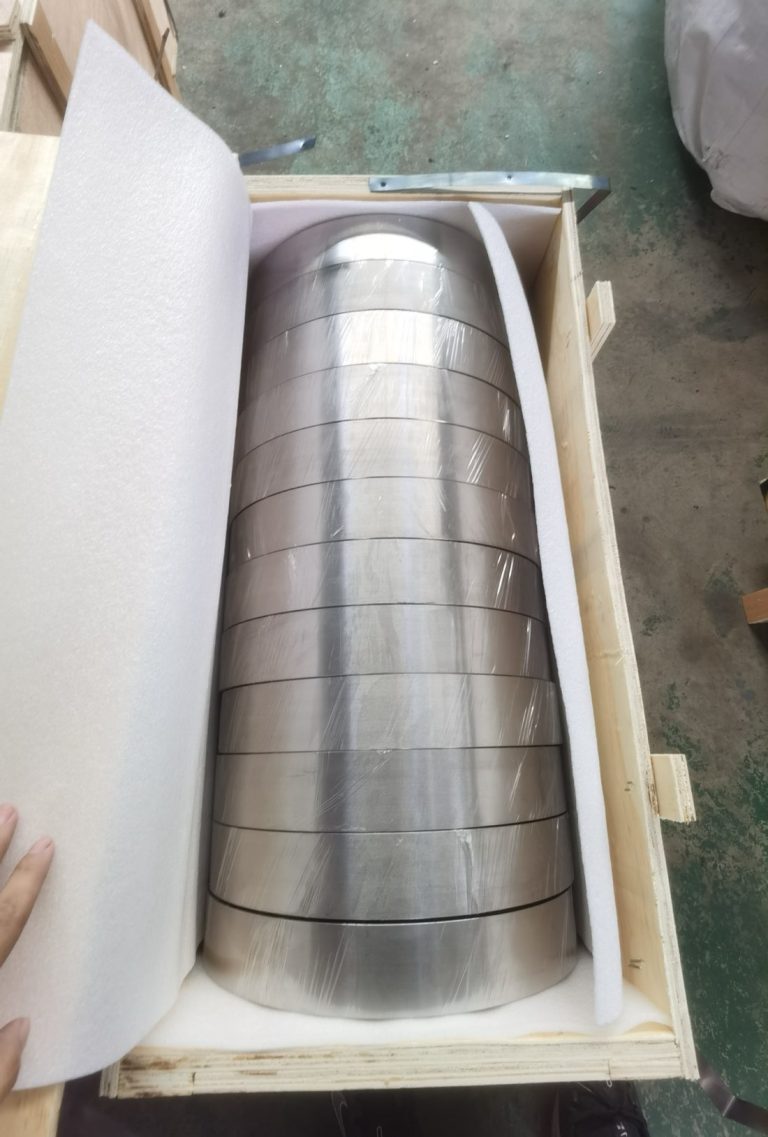
Request a quote for Forged Titanium Sleeves | Drawing-Based Titanium Ring and Sleeve Forgings
Send drawing, grade or coating requirement, dimensions, operating data, quantity and certificate needs. Beiyu replies with quotation, lead time and documentation scope.