
Product Details
Titanium MIG Welding Wire | AWS A5.16 ERTi Spool Wire
Review grade, standard, size, surface, inspection and packing details before quotation.
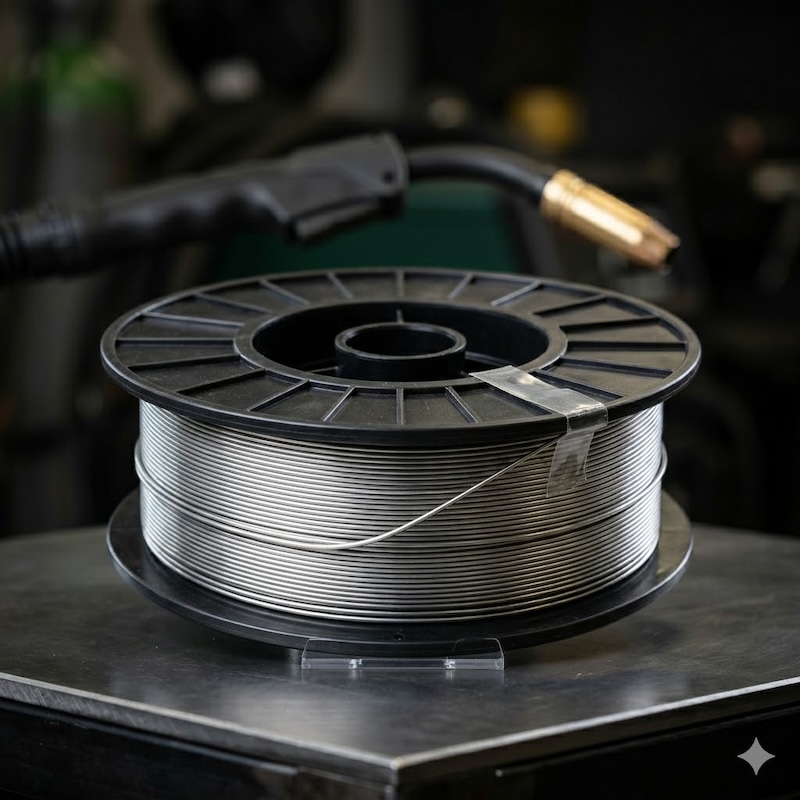
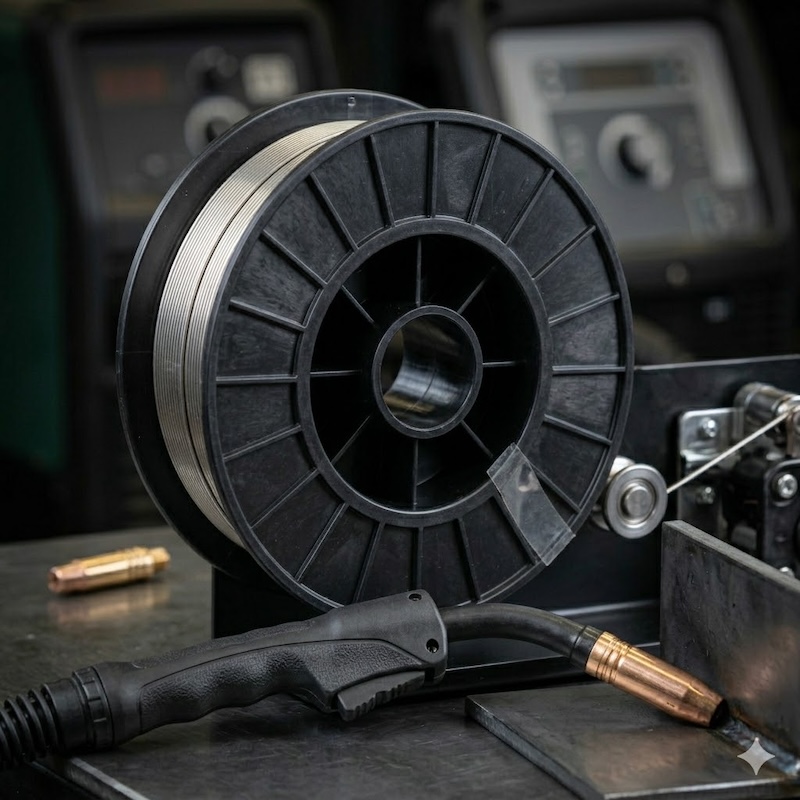
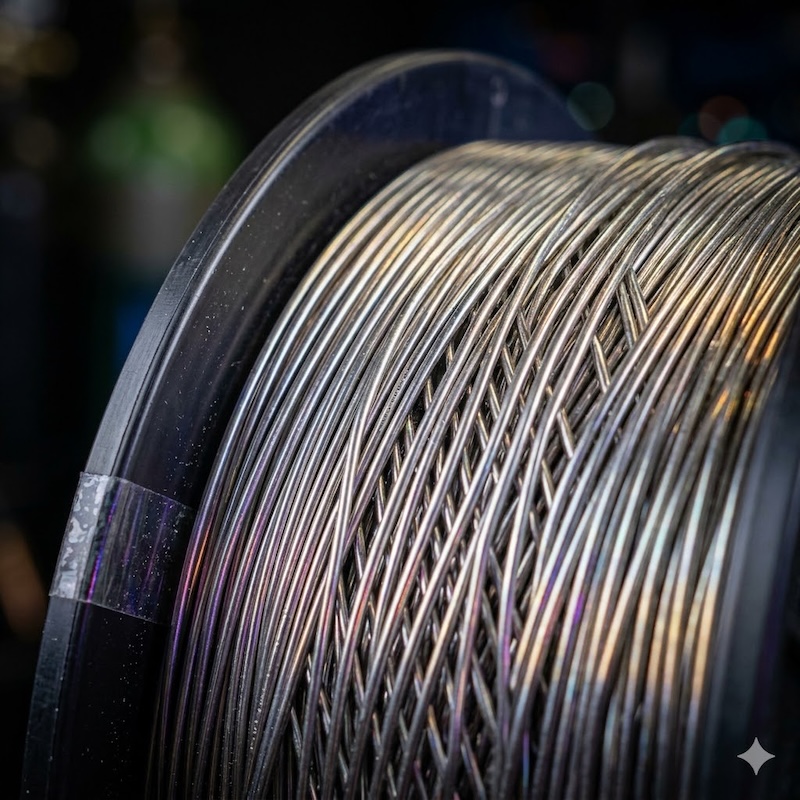
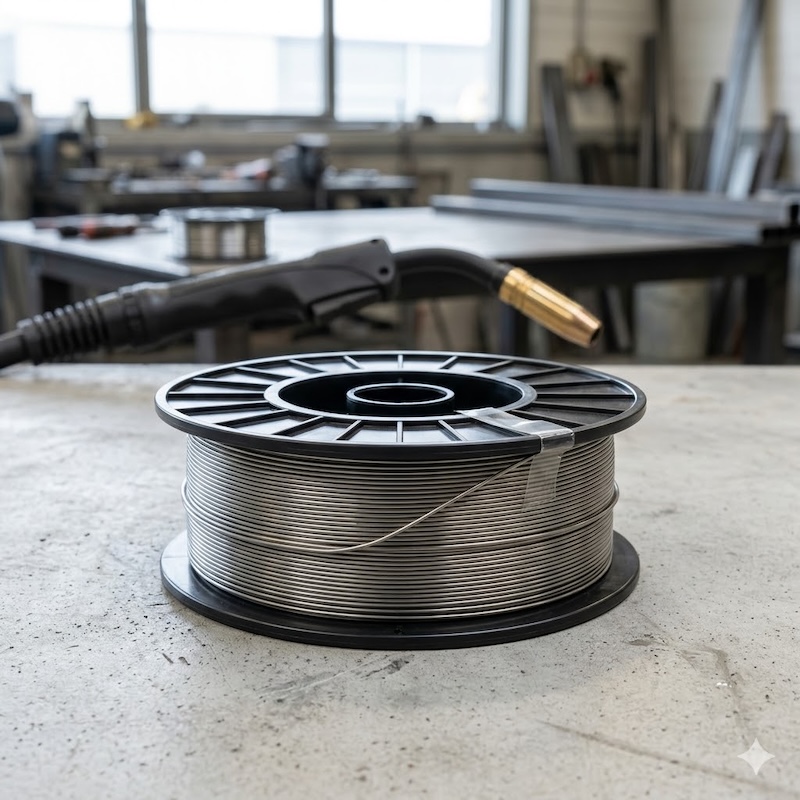
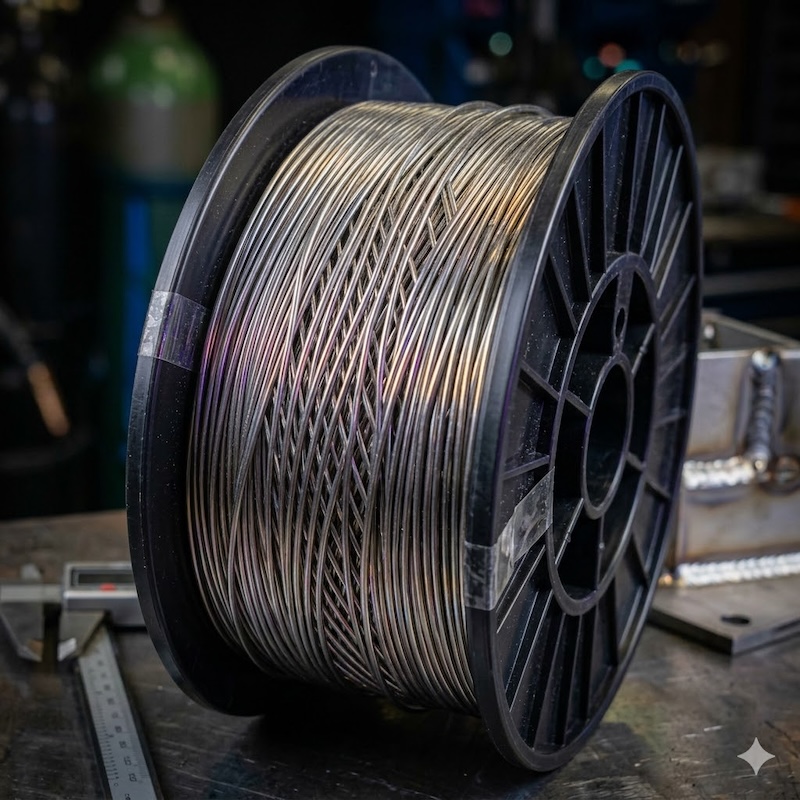
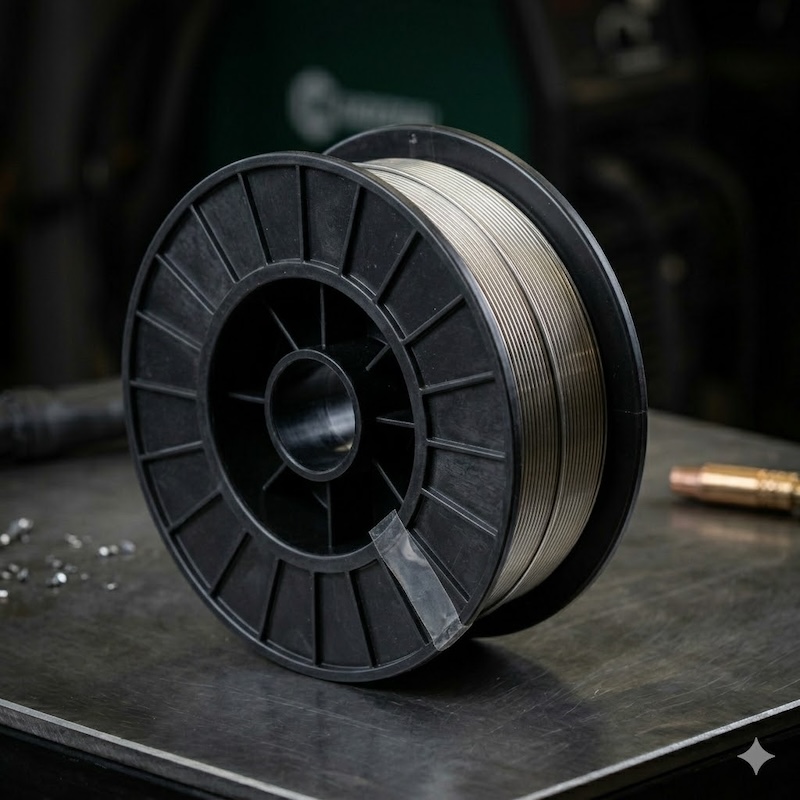

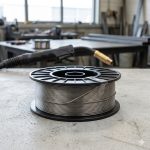
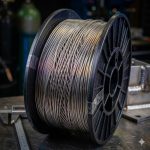

Titanium MIG Welding Wire | AWS A5.16 ERTi Spool Wire
Titanium MIG welding wire for automated or semi-automatic welding of titanium and titanium alloy components. RFQs should specify AWS A5.16 ERTi grade, wire diameter, spool type, winding requirement, surface condition, quantity, shielding process and certificate requirements.
- Common grades: ERTi-1, ERTi-2, ERTi-5, ERTi-7 and project-specified filler metal
- Common standard: AWS A5.16 / ASME SFA-5.16
- RFQ details: diameter, spool, grade, surface condition, quantity and documentation
- DocumentsMTC and EN 10204 3.1 on request
- TraceabilityHeat number and inspection scope confirmed
- RFQ detailsGrade, standard, size, tolerance, quantity
- PackingExport protection by product form and length
Product Introduction
AWS A5.16 titanium MIG welding wireApplicable standard or RFQ reference
ERTi grade, diameter, spool size, wire feed condition and certificate needCore information needed for quotation
Diameter, spool weight, cast/helix, surface and packagingDimensional review before production
MTC / EN 10204 3.1Traceability documents when required
Acceptance is by the ordered specification. Final grade, chemistry, dimensions, inspection and documentation are confirmed by the purchase specification and mill test certificate.
Titanium MIG Welding Wire for Spool-Based Welding
Beiyu supplies titanium MIG welding wire for automated, semi-automatic and production welding projects involving titanium and titanium alloy components. MIG wire requirements should be defined by filler metal grade, wire diameter, spool format, winding quality and the base metal being welded.
Compared with straight TIG rods, MIG welding wire is supplied in spool or coil form for continuous feeding. Buyers should confirm whether the welding process, equipment and shielding conditions are suitable for titanium welding before ordering filler metal.
Grades and Standards
| Filler metal grades | ERTi-1, ERTi-2, ERTi-5, ERTi-7 or other ERTi grade specified by drawing or welding procedure. |
|---|---|
| Common standard | AWS A5.16 / ASME SFA-5.16 for titanium and titanium alloy welding electrodes and rods. |
| Supply form | Spool wire or coil wire for MIG and automated welding equipment. |
| Key controls | Diameter, winding, surface cleanliness, grade traceability and packaging protection. |
Diameter, Spool and Welding Requirements
RFQs should specify wire diameter, spool type, spool weight, winding requirement, grade, quantity and certificate requirement. The buyer should also identify the base metal grade, welding process, shielding gas arrangement and whether the wire will be used for manual MIG, robotic welding or automated production welding.
Titanium welding wire must be protected from oil, dust, moisture and mechanical damage. Surface condition and packaging should be suitable for wire feeding and welding cleanliness.
Spool Envelope and MIG Equipment Check
Beiyu's June 2026 product brochure lists spool wire at 0.01 to 6.35 mm diameter and captions the pictured form as a MIG spool of ERTi welding wire. This is the general spool-program envelope, not a MIG equipment working range.
| Supply form | General program limit | MIG RFQ check |
|---|---|---|
| Spool wire | 0.01 to 6.35 mm diameter | Required feed diameter, spool and core format, spool weight and winding |
The applicable MIG diameter is set by the ERTi grade, welding procedure, contact tip and feed system rather than by the full brochure envelope. The quoted line is therefore limited to a spool size that matches the named feed system. Coil supply, when requested, needs its own process-specific diameter review.
Common Applications
- Automated welding of titanium sheet, tube and fabricated parts
- Chemical equipment and corrosion-resistant titanium assemblies
- Seawater, brine and industrial piping components
- Production welding where spool-fed filler metal is required
- Custom welding projects controlled by WPS or drawing
Inspection and Documentation
Buyers can request mill test certificate, EN10204 3.1 documentation, heat number traceability, chemical composition and dimensional inspection. PMI testing, surface inspection or third-party inspection can be specified when required by the purchase order.
Packaging and Export Information
MIG wire should be packed by grade, diameter and spool type. Spools require protection from moisture, dust and impact during shipment. Labels should identify ERTi grade, diameter, heat number, quantity and purchase order reference when traceability is required.
RFQ Information Needed
- AWS A5.16 ERTi grade and base metal grade
- Wire diameter, spool type and spool weight
- Winding, surface condition and packaging requirement
- Quantity, destination and delivery requirement
- Certificate, traceability and inspection requirements
FAQ
What is the difference between titanium MIG wire and TIG wire?
MIG wire is normally supplied on spools for continuous feeding, while TIG wire is commonly supplied as straight rods. The grade should still match the welding specification.
Which standard applies to titanium MIG welding wire?
AWS A5.16 / ASME SFA-5.16 is commonly used for titanium and titanium alloy filler metals, including ERTi grades.
What should be included in a MIG wire RFQ?
Send ERTi grade, diameter, spool type, spool weight, quantity, base metal grade, certificate requirements and packaging details.
Procurement Notes for Titanium MIG Welding Wire
Titanium MIG welding wire RFQs should specify AWS A5.16 filler grade, diameter, spool size, layer winding requirement, surface condition and the base titanium grade to be welded. Buyers should also state whether the wire is for Grade 2, Grade 5, Grade 7, Grade 12 or another titanium alloy, because filler grade selection must match the welding procedure.
For fabrication orders, include WPS reference if available, shielding gas notes, certificate requirement, heat traceability, spool labeling and packaging method. Clean handling is important for titanium welding wire, so RFQs should mention whether sealed bags, moisture protection or carton separation by heat number is required before export shipment.
Related Titanium Wire RFQ Pages
MIG wire RFQs should confirm filler grade and base metal; some projects also require TIG rods or small-diameter titanium wire.
Common applications
Review export and fabrication support22
Ti
Titanium
47.867 u
4.51 g/cm3
AWS A5.16 titanium MIG welding wire
4.51 g/cm3
AWS A5.16 titanium MIG welding wire
GMAW/MIG titanium weldingConfirm grade, size, tolerance, surface, packing and certificate scope before quotation.Fabricated titanium equipmentConfirm grade, size, tolerance, surface, packing and certificate scope before quotation.Automated welding systemsConfirm grade, size, tolerance, surface, packing and certificate scope before quotation.Traceable filler wire procurementConfirm grade, size, tolerance, surface, packing and certificate scope before quotation.
Specification detail with sources
Spool wire adds a feeding requirement to a metallurgical one, and only the second is covered by a material standard. Cast, helix, layer winding, spool type and spool weight decide whether the wire feeds without wandering at the contact tip. None of those fields appear on a chemical certificate, which is why a spool that meets every composition limit can still be rejected on the machine, and why the order has to carry the winding and spool description separately from the grade.
The composition side has a named basis. The bar and billet specification ASTM B348 references ASTM E1409 for oxygen and nitrogen, ASTM E1447 for hydrogen and ASTM E1941 for carbon, with rounding to ASTM E29 applied before a result is compared to a limit (ASTM B348, referenced documents and test methods). Under that specification hydrogen is reported on the finished product rather than only at the ingot stage (ASTM B348, chemical requirements table notes). Filler metal is certified under its own document, so the reporting stage is a question to put on the order rather than an assumption to carry across. Naming a method settles how a value was produced, and it does not add an examination the order did not ask for. Beiyu Titanium supplies spooled wire with an EN 10204 3.1 mill test certificate carrying heat number traceability, with the reporting scope set by the order.
Compare related titanium wire products
Titanium wire categoryProduct
Reference
RFQ focus
Titanium Welding Wire
ASTM B863 / AWS A5.16
General filler wire
>
ERTi-2 TIG Wire
AWS A5.16
Grade 2 TIG rods
>
ERTi-7 Welding Wire
AWS A5.16
Grade 7 filler
>
6Al4V ELI Wire
Grade 23
ELI wire RFQs
>
Titanium MIG Wire
AWS A5.16
Spooled MIG wire
Titanium TIG Wire
AWS A5.16
Straight TIG rods
>
Thin Titanium Wire
Small diameter
Fine wire stock
>
Thermal Spray Wire
Coating feedstock
Thermal spray use
>
Related RFQ pages
Titanium wire categoryRequest a quote for Titanium MIG Welding Wire | AWS A5.16 ERTi Spool Wire
Send grade, standard, size, condition, quantity and certificate requirements. Beiyu replies with quotation, lead time and documentation scope.