
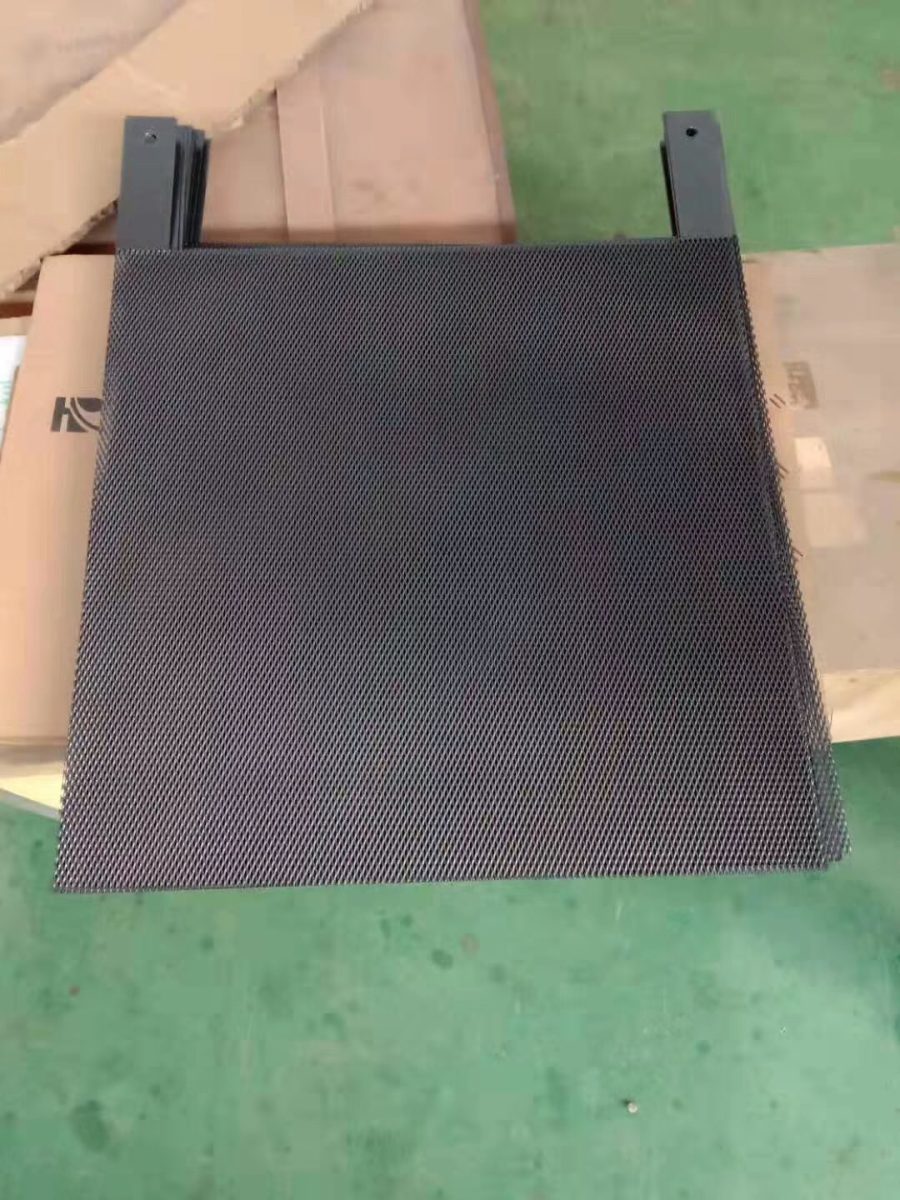
A platinized titanium anode is an engineered coating/substrate assembly. Platinum thickness alone does not settle suitability: electrolyte chemistry, current density, active area, substrate passivation risk, connection design and recoating strategy can change both life and price. Five company-owned pages met the source rule and exposed fields that can be placed on one controlled RFQ.
How the five company sources were selected
We froze the query platinized titanium anode supplier platinum coated electrode manufacturer on 1 September 2026. Eligible pages were company-owned Pt/Ti product or manufacturing pages that exposed a substrate, platinum route/thickness, geometry, active area, application, verification or recoating field. Beiyu, geographies excluded by site policy, marketplaces, directories, third-party lists and MMO-only pages were removed. The sequence is a dated discovery snapshot after exclusions, not an endorsement.
A public page can identify a likely supply route. It cannot prove allocated stock, a current program approval, final schedule, lot compliance or suitability of material/equipment not yet produced or assigned. Those points remain dated quotation fields.
Company pages that met the rule
| Company source | Page role | Visible fields | RFQ check |
|---|---|---|---|
| Titan Metal Finishing | Platinum plated/clad anode page | Electrodeposited or clad platinum, titanium/niobium/tantalum substrates, purity, geometry and replating | Freeze substrate, platinum route/thickness, bath, active area, connection and recoat scope |
| Anomet Products | Platinum-clad anode materials page | Metallurgically clad platinum systems, titanium/niobium trade-offs and rod/wire/mesh/custom routes | Confirm clad Pt/Ti suitability and do not substitute it for an electrodeposited route |
| Hele Titanium | Custom Pt/Ti engineering page | Thickness, active area, current, geometry, XRF/adhesion, traceability and recoating fields | Convert every option into an ordered value, verification method and record |
| Yunch Metal | Platinum-coated plate page | Grade 1 substrate, custom form, preparation wording and plate/mesh product routes | Require one confirmed coating method, thickness, active area and substrate certificate |
| Chalco Titanium | Titanium anode plate family | Grade 1/2 substrate, 0.5 to 10 μm Pt range, coated-area choices and electrolyte caveat | Bind thickness and substrate to chemistry, current, life, fluoride/chloride and drawing |
The sources span electrodeposition, platinum cladding and broad coated-anode fabrication. Those routes are not interchangeable commercial labels. A quotation should state which platinum application process is offered, what portion of the titanium is active, how thickness/coverage is verified, and whether masked, uncoated or connection zones are included in the drawing.
Make the platinum layer measurable
| Decision | Choices visible in the source set | Required written return |
|---|---|---|
| Electrolyte | Acid/alkali, chloride/fluoride, complexing agents, temperature and contaminants | Full composition/range and supplier compatibility statement with exclusions |
| Substrate | Titanium grade/form or an alternative such as niobium where required | Material identity, dimensions, preparation, traceability and reuse/recoat limits |
| Platinum system | Electrodeposited, clad or supplier-qualified route; purity and thickness | Nominal/minimum thickness, tolerance, coverage map and verification method |
| Geometry/current | Mesh, plate, rod, wire, basket or assembly; active area and current density | Signed drawing, active/inactive zones, load range and connection details |
| Acceptance/lifecycle | XRF/other thickness check, adhesion, surface, continuity and recoating | Sampling plan, limits, records, cleaning and end-of-life/recoat decision rule |
A nominal micrometre value is incomplete if the order does not state whether it is an average, local minimum or target before finishing. Mark the coated faces and excluded edges on the drawing and state how the active area is calculated. The titanium substrate must not be assumed compatible with every electrolyte merely because platinum is noble; fluoride and process conditions can change the substrate choice. Define tabs, hooks, threads, cable joints or busbar contacts separately from the catalytic area, including allowable contact resistance and sealing. If recoating is expected, preserve the original substrate drawing and agree how remaining thickness, distortion, surface damage and contamination will be assessed after stripping.
A page conflict is a verification prompt, not a finding that a company cannot supply the item. Preserve the observed difference, request a clean technical return and make the purchase order control final identity, geometry, responsibility and acceptance.
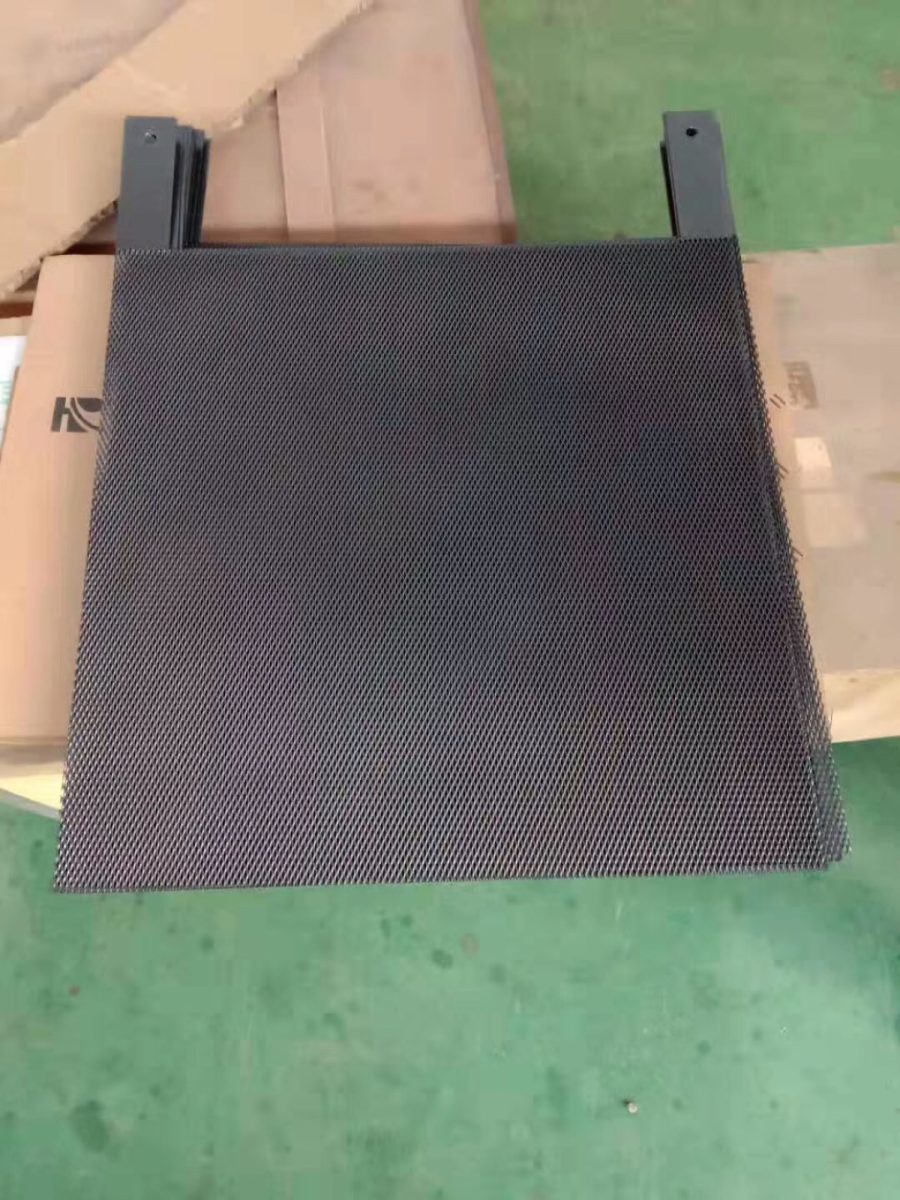
Send one controlled RFQ
| RFQ line | Buyer input | Supplier return |
|---|---|---|
| Process | Electrolyte composition/range, temperature, current/voltage and duty cycle | Compatibility statement, operating window and excluded conditions |
| Substrate | Grade/material, form, dimensions, surface and traceability | Certificate, preparation route and suitability/recoat basis |
| Platinum | Process, purity, nominal/minimum thickness, coverage and active area | Coating traveller, measured results and sampling map |
| Assembly | Drawing, spacing, terminals, masks, cable/busbar interface and mounting | Signed drawing and dimensional/electrical inspection |
| Lifecycle/documents | Cleaning, expected service basis, recoat plan, CoC/MTC and inspection | Limits, instructions, document index and warranty assumptions |
| Commercial | Quantity, spares, packaging, required date and destination | Current schedule, validity, exclusions and protected packing |
Remove any source that cannot return the exact material, deliverable, finished geometry and acceptance evidence. Compare price, schedule and terms only after technical lines, responsibility boundary and document scope are aligned.
Where Beiyu fits
Beiyu is outside the five-company set. Its platinized-titanium route asks for electrolyte, operating current/voltage and current density, titanium substrate grade/form, platinum process and thickness, active area, coated-zone drawing, geometry, connection, cleaning/recoating plan, verification documents, quantity and destination. Platinum and MMO coatings remain separate quotation lines.
The fields in this section describe only Beiyu’s published enquiry route. They do not score the companies above and do not transfer to another company’s catalogue.
Related Beiyu pages
- Platinum plated titanium anode
- Top titanium anode manufacturers
- MMO coated titanium anode guide
- How to compare titanium quotations
Published by Beiyu Titanium. Beiyu is outside the five-company set. The sequence is a dated discovery snapshot after the stated exclusions, not a rating or endorsement.
Related supplier lists and supply ranges
- titanium anode supply range
- MMO Coated Titanium Anode Suppliers
- Sodium Hypochlorite Titanium Anode Suppliers
- Top Titanium Anode Manufacturers
- all supplier lists by product family
Specification detail with sources
Beiyu Titanium publishes this list and is not part of the comparison above. For readers who want the publisher’s own figures on the same basis they would ask of any supplier on this page, the material is specified to ASTM B265 and ASTM B338, and each order carries an EN 10204 type 3.1 certificate with heat and pour numbers by order scope.
The platinum system runs below 4000 A/m2 up to 80 C with a 0.5 to 10 micrometre coating. The iridium system runs oxygen evolution below 2000 A/m2 up to 70 C with 10 to 45 g/m2 of precious metal, and is the stable choice in acidic solution, soil and fresh water duty.
These are Beiyu published supply figures, not limits taken from the standard; limit values belong to the standards named above and are confirmed against the exact edition on the purchase order. Certification is stated as a production capability, and no stock position, delivery time or price is implied by any figure on this page.