
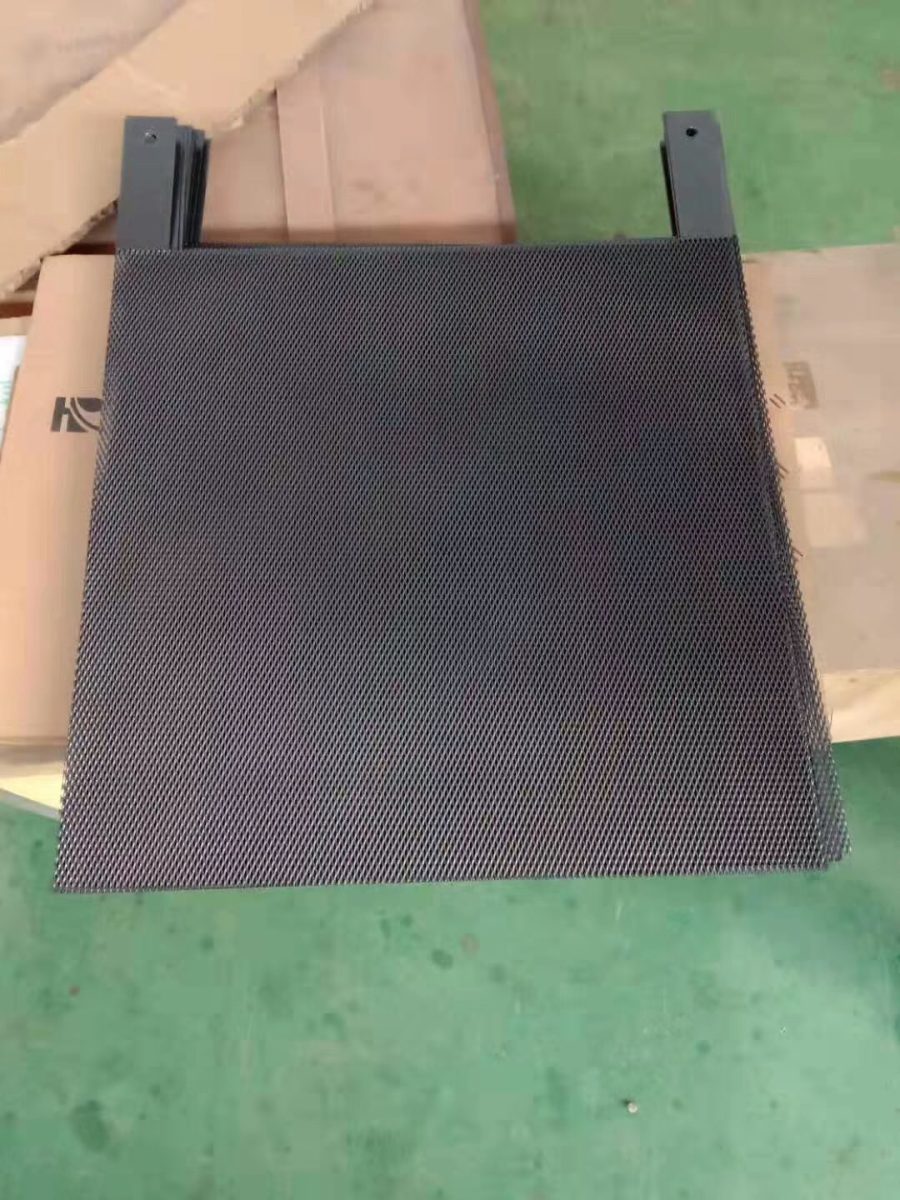
Pt surfacePlatinum plated working layer
Gr1 / Gr2Common titanium substrate grades
Drawing basedShape and terminal by cell design
TraceabilityHeat and coating records when required
Acceptance is by the ordered specification. Values and coating notes are RFQ references only. Final chemistry, coating, dimensional inspection and documentation are confirmed by the purchase specification and mill or coating records.
Platinum Plated Titanium Anode Parts
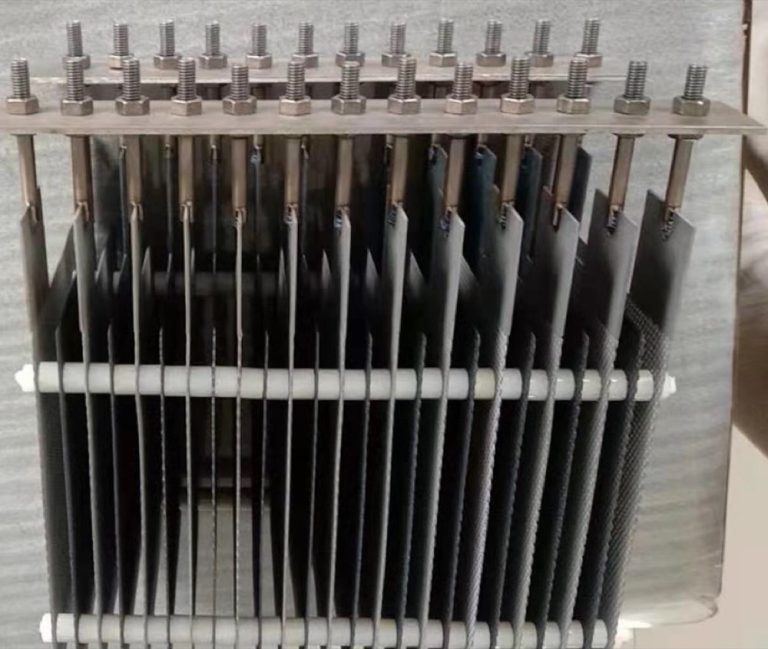
Platinum plated titanium anodes use a titanium substrate with a platinum working surface for electrochemical cells, water treatment equipment, laboratory electrolysis, electroplating and corrosion-service applications. The anode is normally supplied according to a drawing because substrate form, active area, terminal design and coating requirement depend on the cell design.
RFQs should avoid vague performance claims and instead define the operating medium, current density range, temperature, polarity reversal condition if any, active surface area and expected inspection documents. Coating details should be confirmed by the purchase specification or process engineer.
Grade and Standards
| Substrate | Grade 1 or Grade 2 titanium plate, mesh, tube, rod or custom fabricated substrate. |
|---|---|
| Working surface | Platinum plated surface according to agreed coating thickness, active area and masking requirement. |
| Dimensions | Overall size, hole position, terminal layout, mesh opening, plate thickness or tube diameter as shown on drawing. |
| Operating data | Electrolyte, pH range, current density, temperature, duty cycle and cleaning method when available. |
| Documents | Titanium substrate certificate, coating record, dimensional inspection and packing list when required. |
What substrate and coating values should the RFQ define?
Fix the titanium substrate by ASTM B265 grade and the platinum layer by thickness and active area, then let the cell design set the rest. Grade 1 is chosen where the substrate is formed or expanded into mesh; Grade 2 where the anode body needs more strength. Platinum thickness is commonly specified between 1 and 5 micrometers depending on electrolyte and target service life; that is a typical planning range, and the purchase specification fixes the actual value.
| Substrate (ASTM B265, annealed) | Tensile strength, min | Yield strength (0.2%) | Typical use |
|---|---|---|---|
| Grade 1 | 240 MPa | 138 to 310 MPa | Mesh and deep-formed substrates |
| Grade 2 | 345 MPa | 275 to 450 MPa | Plate, rod and tube anode bodies |
Alongside the substrate and coating, the RFQ should state the electrolyte and pH, operating current density and temperature, duty cycle and any polarity reversal, the active versus masked area, and the coating and dimensional inspection records required with the shipment. These operating values decide the coating specification, so an RFQ that includes them gets a firm quotation instead of a clarification round.
Size, Tolerance and Surface
Confirm anode size by drawing, including overall length, width, thickness, mesh opening, tube diameter, hole position, terminal layout, active area and masked area. The platinum plated surface should be defined by active area, coating requirement, masking boundary and inspection requirement before quotation.
Packaging and Export Information
Platinum plated titanium anodes should be packed to protect the working surface, terminals and edges. Export packing may use individual wrapping, separation between coated faces, moisture protection and wooden case or pallet packing according to size and shipment method.
Common Applications
- Electrochemical cells and water treatment equipment
- Electroplating and laboratory electrolysis
- Functional water and oxidation equipment
- Drawing-based replacement anode parts
FAQ
What should be specified for a platinum plated titanium anode?
Specify substrate grade, form, active area, platinum coating requirement, operating medium, current density, dimensions, terminal design, quantity and document requirement.
Can the anode be made as mesh, plate or tube?
Yes. The substrate form should follow the cell drawing and installation requirement.
Specification detail with sources
A plated anode arrives with two records that answer different questions, and buyers who expect one document usually get the wrong one. The mill test certificate describes the titanium underneath: grade, composition, heat number. The plating record describes what was applied on top, and it is produced by the plating operation rather than by the mill. Neither document contains the other's information, and an order that asks only for a certificate has asked for half of the acceptance evidence.
Where the plating is written into the order, the field to state is the thickness with the surfaces it applies to, since a figure given without saying which faces it covers cannot be checked. The substrate side has a named basis: in the bar and billet specification ASTM B348, unalloyed Grade 1 carries oxygen at 0.18 percent maximum with iron at 0.20 percent maximum, and Grade 2 carries 0.25 percent oxygen maximum and 0.30 percent iron maximum (ASTM B348, chemical requirements). That specification governs bar and billet, so it is the acceptance basis only where an anode substrate is supplied as rod and not where it is sheet or mesh, but it shows what separates the two grades an anode substrate is normally written against. Beiyu Titanium supplies the titanium substrate with an EN 10204 3.1 mill test certificate carrying heat number traceability, with the reporting scope set by the order.
Why platinum sits on titanium, and where it is quoted
Platinum is a near ideal insoluble electrode: it resists corrosion, conducts well and is catalytically active. What it is not is a practical electrode on its own, because bulk platinum is mechanically weak, deforms easily and is expensive enough to be uneconomic as a structural part. Plating a thin platinum layer onto a titanium substrate keeps the surface behaviour and moves the strength and the cost onto the titanium.
| Field | Range supplied |
|---|---|
| Current density | Below 4000 A/m² |
| Operating temperature | Below 80 °C |
| Platinum layer thickness | 0.5 to 10 µm |
The current density band is what separates this system from the oxide coated families, which are quoted below 2000 A/m². That is roughly twice the headroom in the same footprint.
Duties this system is supplied into include water ionisation, electroplating and precious metal plating, oxidising acidic potential water, hydrogen generators, cathodic protection and effluent treatment. The layer thickness is the field to state with the active area, since it carries the platinum content of the anode. Those three fields are the Beiyu Titanium supply ranges for this system. The titanium underneath is certified separately, to EN 10204 3.1 with heat number traceability.
Compare titanium anode products
Titanium anode category| Product | Material | Reference | Best for | Link |
|---|---|---|---|---|
| MMO Coated Titanium Anodes | Gr1 / Gr2 substrate | Coating specification | General MMO anode requirements | View |
| Ru-Ir Titanium Anodes | Ru-Ir MMO coating | Drawing specification | Chlorine evolution and NaClO systems | View |
| Platinum Plated Titanium Anode | Pt plated titanium | Drawing specification | Electrochemical and water-treatment cells | Current page |
| Sodium Hypochlorite Anode Group | MMO titanium assembly | Cell drawing | NaClO generator replacement groups | View |
| Titanium Electrodes | MMO / Pt coating | Drawing specification | Custom electrode assemblies | View |
Related titanium products
Titanium anode category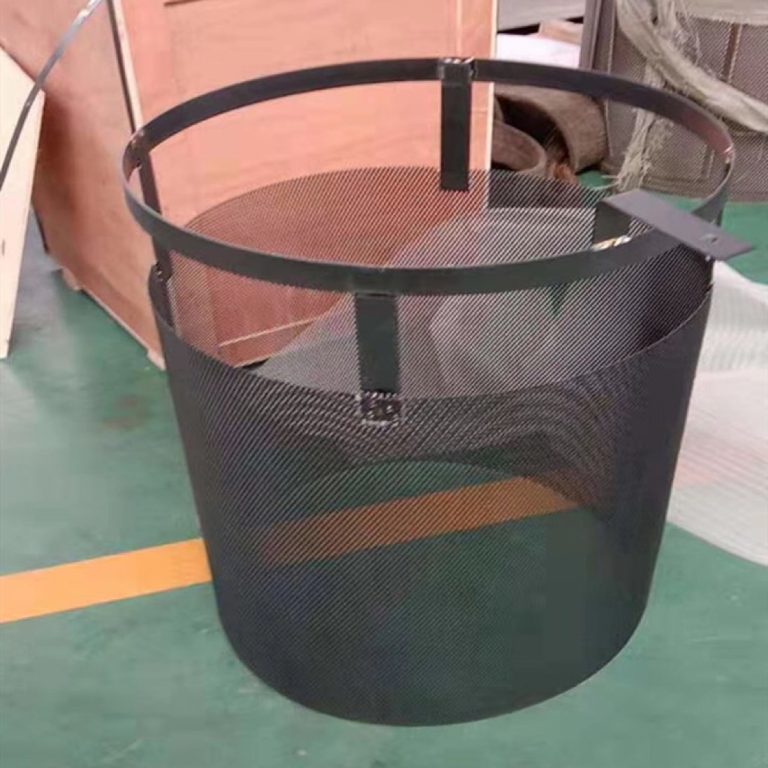
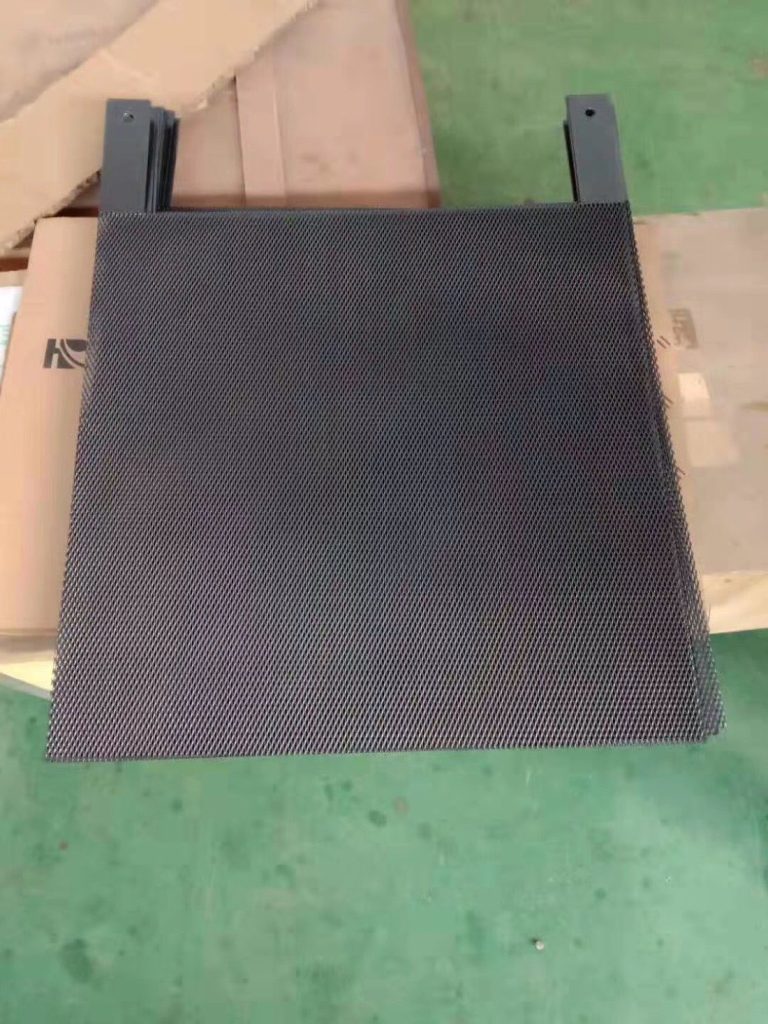
For a view of who else publishes this material and what each one states, see Platinized Titanium Anode Suppliers: Five Company Pages Compared.
Request a quote for Platinum Plated Titanium Anode
Send drawing, grade or coating requirement, dimensions, operating data, quantity and certificate needs. Beiyu replies with quotation, lead time and documentation scope.