
Ø0.3 to 3.0 mmWire diameter
Nb1 / Nb1ZrGrade and UNS on the RFQ
ASTM B392Bar, rod and wire scope
8.57 g/cm³Reference density
Keep the niobium identity with the delivery form. A UNS designation, nominal diameter and receiving arrangement let the quotation resolve the ordered wire and its document scope.
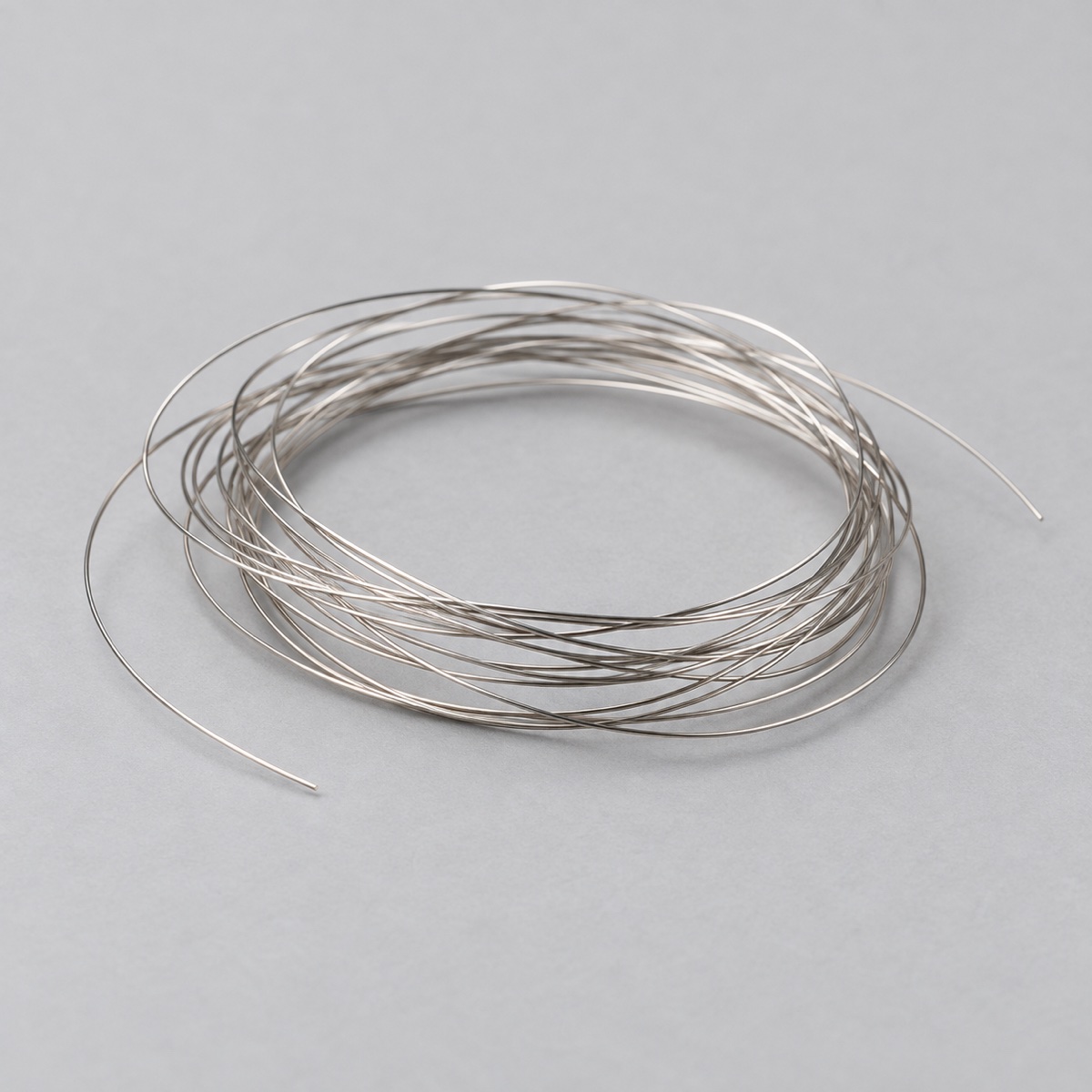
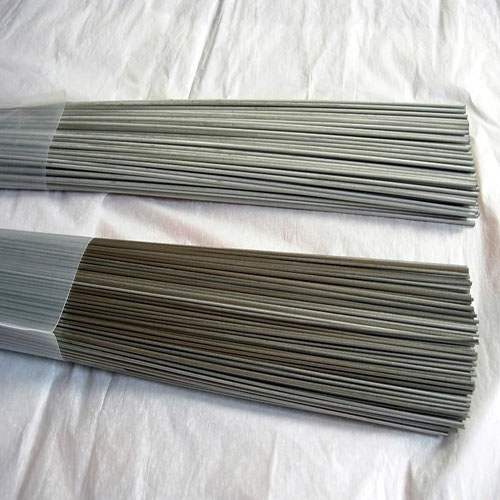
Beiyu Titanium supplies niobium wire at Ø0.3 to 3.0 mm. State Nb1 (UNS R04200), Nb1Zr (UNS R04261), or the customer specification for another alloy, together with the delivery shape and quantity basis.
Niobium category for form selection
How do I distinguish niobium wire grades on the order?
Write the grade and UNS together. Retain Nb1Zr when the drawing specifies it, since an unalloyed-niobium line does not identify the same material. Supply the governing specification and intended condition; Beiyu checks the requested identity at quotation, and you compare the agreed designation with the material document on receipt.
| Grade requested | UNS identity | Purchasing action |
|---|---|---|
| Nb1 | UNS R04200 | Name the unalloyed grade in the RFQ |
| Nb1Zr | UNS R04261 | Keep the zirconium-bearing grade explicit |
| Other alloys, including C-103 | To customer specification | Supplied to customer specification and quoted per drawing |
These niobium grades are also supplied as niobium bar and sheet; the wire quotation confirms diameter, condition and the applicable requirements.
How can I estimate the weight of a niobium wire length?
Calculate grams per metre from the chosen diameter: g/m = ρ × π/4 × d², where d is in mm and ρ = 8.57 g/cm³ is Beiyu's reference density, used in our quotation weights. These diameter inputs are within Ø0.3 to 3.0 mm. When the enquiry gives weight but production consumes length, state which quantity controls; rounding an estimate does not establish a delivered length.
| Example diameter (mm) | Calculated mass (g/m) | Metres per kg |
|---|---|---|
| 0.30 | 0.61 | 1650.8 |
| 0.50 | 1.68 | 594.3 |
| 1.00 | 6.73 | 148.6 |
| 2.00 | 26.92 | 37.1 |
| 3.00 | 60.58 | 16.5 |
Metres per kg = 1000 ÷ (g/m), calculated before rounding the mass per metre.
Provide the nominal diameter, tolerance and total length or mass. Compare the quantity basis on the quotation with the production requirement, then arrange receipt checks to that agreed basis. The estimate uses the unalloyed reference density and the nominal diameter.
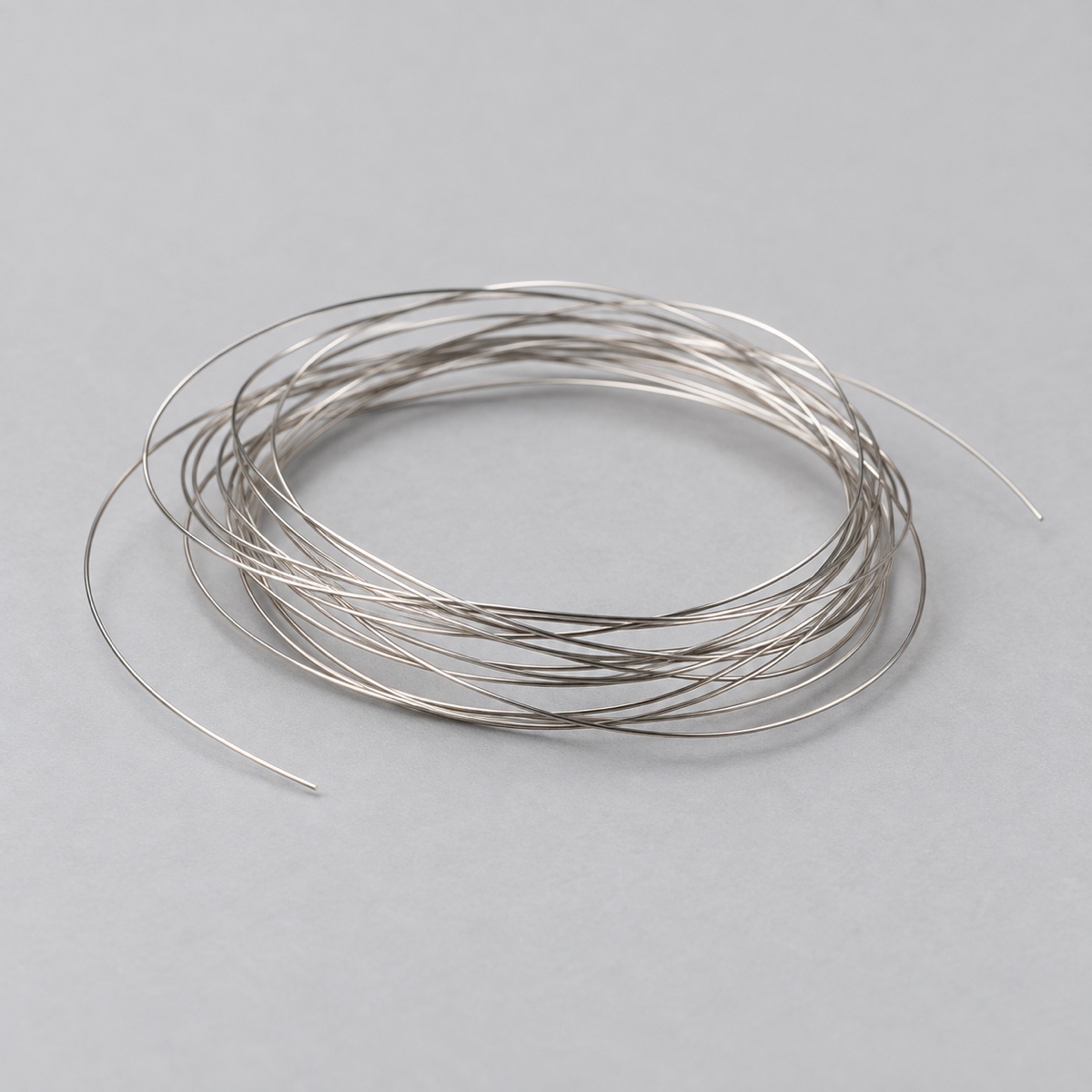
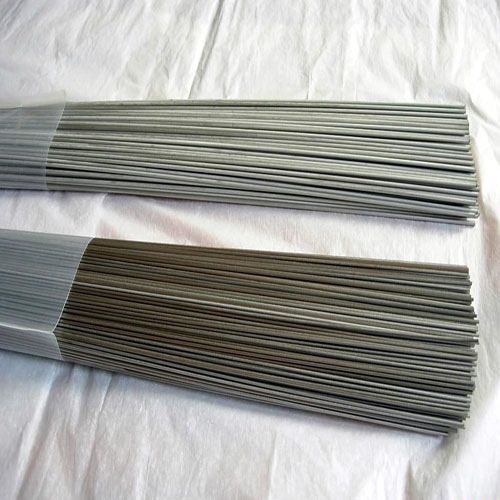
Which RFQ fields prevent a delivery-form mismatch?
Give the material identity, wire shape and quantity as separate fields. Request straightened delivery when the next operation uses straight lengths; a coil order leaves the straightening to you. The drawing or feed requirement defines the delivery shape.
| RFQ field | Decision to record | Check before ordering |
|---|---|---|
| Diameter | Select within Ø0.3 to 3.0 mm | Match the drawing nominal |
| Tolerance | As agreed on the order | Define the dimensional acceptance and sampling requirement |
| Straightened or coiled | Choose the delivery shape required by the next operation | Confirm the quoted form |
| Surface | Surface condition as agreed on the order | Keep surface separate from material condition |
| Length or spool | Piece length or spool requirement, and total quantity | State whether length or mass governs |
What must be checked for an electronics application?
Niobium is used in sodium-vapour lamps, capacitors and electronics. The application name alone does not select the wire grade. For an electronic component, send the drawing and the material specification it cites. Suitability is confirmed by your engineering team.
| Your input | Verification to request |
|---|---|
| Device material specification | Grade and UNS match the intended component |
| Diameter, surface and delivery shape | Dimensional and surface records as agreed |
| Material documents and packing | MTC or COC, traceability and protection when included in the order |
When the design needs a flat part, consult niobium foil; when tantalum is the alternative, see tantalum wire and name its own UNS.
FAQ
Does an ASTM B392 reference select my grade?
No. A drawing that cites the standard also needs the exact UNS, since the scope includes multiple niobium materials. Beiyu reviews the designation on the enquiry; check the same designation on the quotation and requested certificate.
Can I leave the spool requirement until dispatch?
State it with the enquiry. Spool, coil or straightened lengths change the packing and the quoted form, so quantity alone is not enough.
Specification detail with sources
Beiyu Titanium's published supply range for niobium wire is Ø0.3 to 3.0 mm. Beiyu's niobium grades include Nb1 (UNS R04200) and Nb1Zr (UNS R04261). Other niobium alloys, including C-103, are supplied to customer specification and quoted per drawing. Beiyu's reference density, used in our quotation weights, is 8.57 g/cm³ for niobium.
ASTM B392 covers niobium and niobium alloy bar, rod and wire, including UNS R04200, UNS R04210, UNS R04251 and UNS R04261, as identified by the ASTM store and GlobalSpec product-scope listings. Name the grade and ordered condition when this specification governs the purchase, since it covers more than one niobium material.
For standard grades and sizes the typical lead time is 15 to 30 days from order confirmation or deposit to ex-works dispatch, sea transit time not included; special chemistry or mechanical requirements call for an adjusted melt recipe, so their lead time depends on the requirements and is confirmed with the quotation.
Identify the niobium UNS, spool or straightened delivery, and governing length or mass on your RFQ; check those entries against the proposed order before approval.