




Ni 200 / 201Commercially pure nickel grades
UNS N02200Nickel 200 designation
UNS N02201Low-carbon Nickel 201
MTC / 3.1Traceability documents on request
Acceptance is by the ordered specification. Values are RFQ references only. Final grade, chemistry, dimensions, inspection and documentation are confirmed by the purchase specification and mill test certificate.
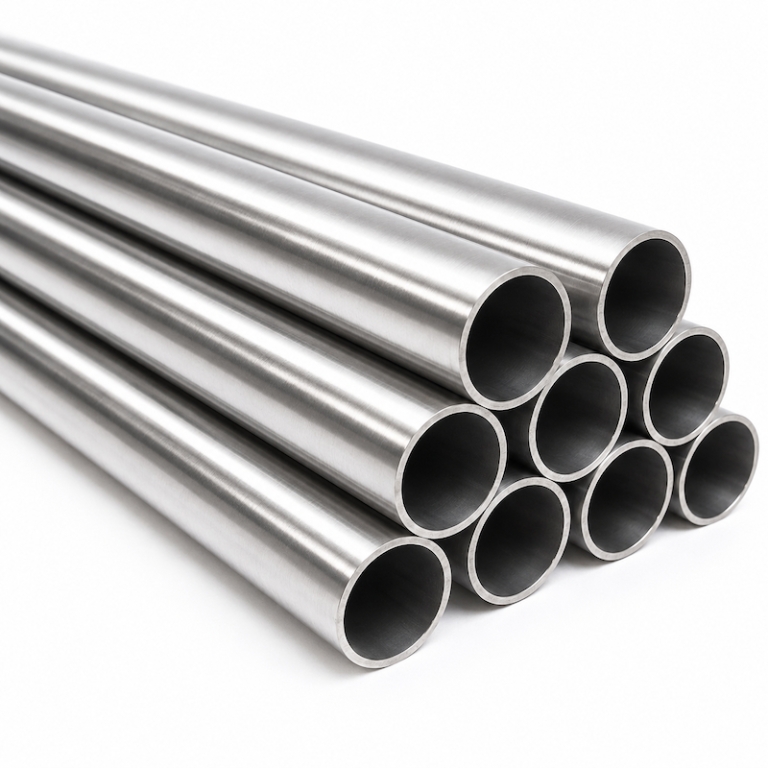
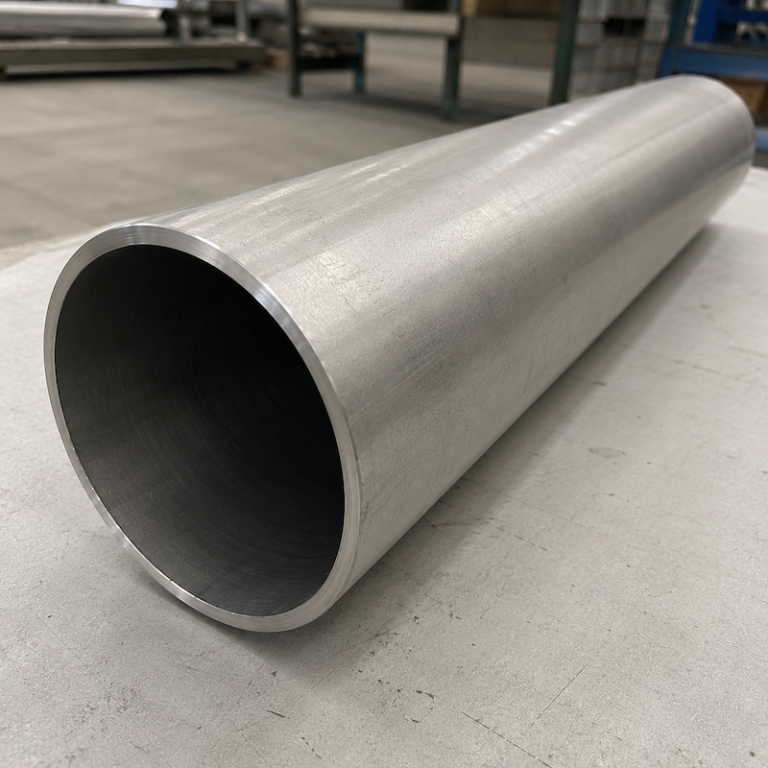
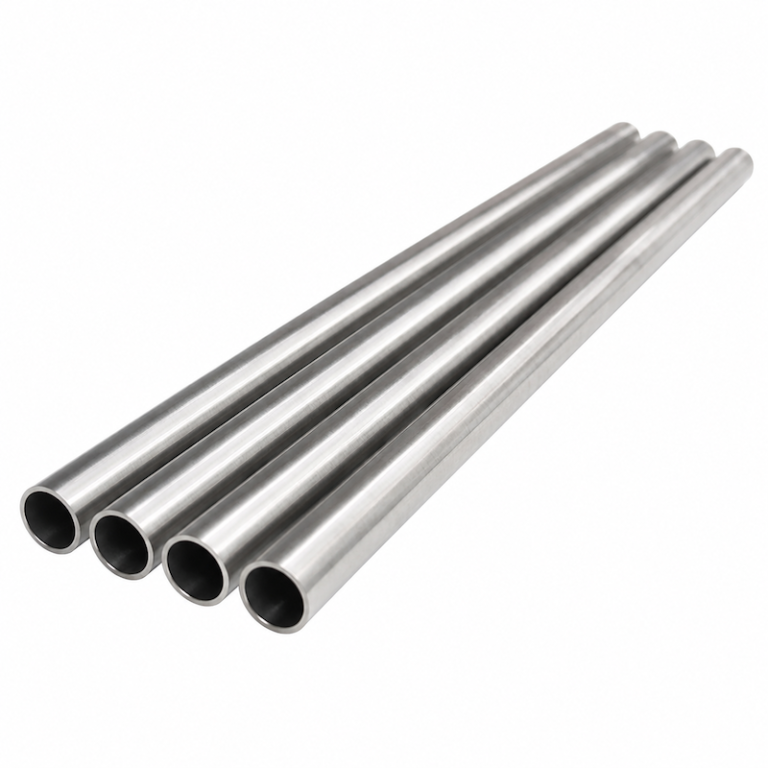
Nickel 200 and Nickel 201 Tubes for Industrial Service
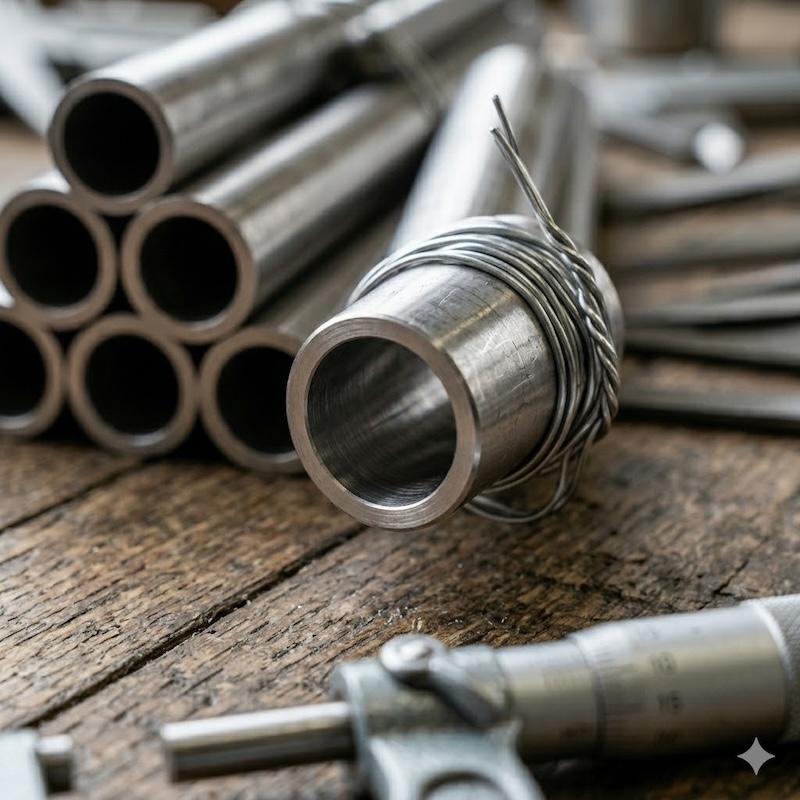
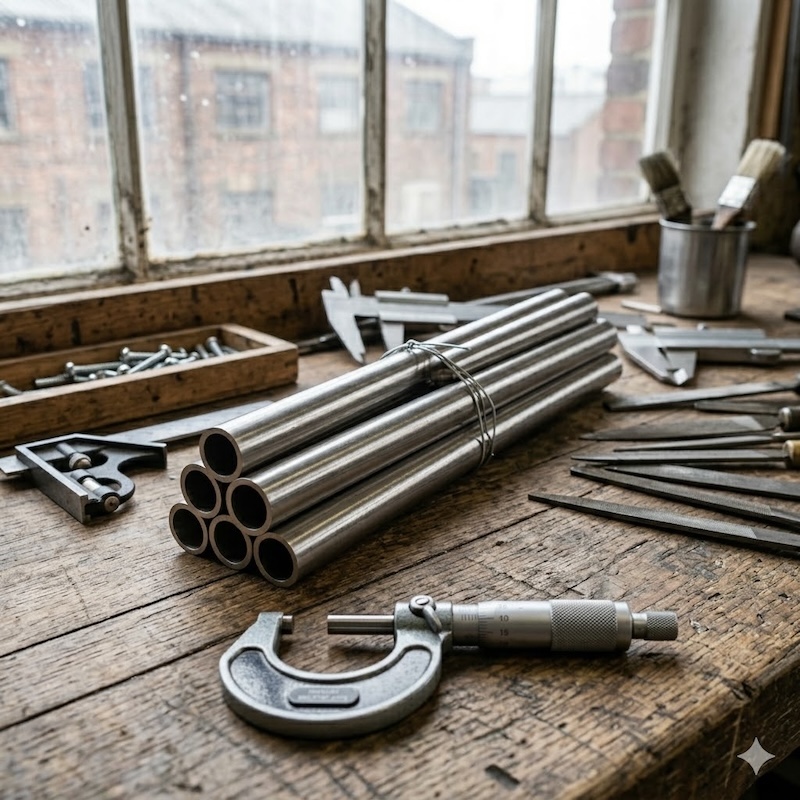
Nickel 200 and Nickel 201 are commercially pure nickel grades used where corrosion resistance, thermal conductivity, electrical conductivity and material compatibility are important. Buyers normally select these grades for chemical processing, caustic soda service, electrochemical equipment, heat transfer equipment, industrial piping, instrument tubing and drawing-based components. Nickel 200 is commonly associated with UNS N02200, while Nickel 201 is associated with UNS N02201 and is often specified when lower carbon content is required for elevated-temperature service.
Grade and Standards
Nickel 200 (UNS N02200) and Nickel 201 (UNS N02201) tubes are commercially pure nickel for caustic and high-purity service; Nickel 201 has lower carbon for use at higher temperature. For Nickel 200 and Nickel 201 RFQs, ASTM B161 covers seamless pipe and tube, ASTM B163 covers seamless condenser and heat-exchanger tube, and ASTM B725 covers welded pipe. State seamless tube, seamless pipe or welded pipe, outside diameter, wall thickness, length, standard and required chemistry and mechanical-test documentation; final MTC scope is confirmed in the quotation and purchase order.
Available Tube Requirements
Beiyu quotes nickel tubing according to the buyer's grade, standard, size and documentation requirement. Existing RFQ references for this product line may include ASTM B161, ASTM B163 and relevant ASME SB standards depending on whether the buyer needs seamless tube, condenser tube, heat exchanger tube or pipe-related material. The final standard must be stated in the purchase specification so manufacturing, inspection and certificate requirements match the application.
- Material: Nickel 200 / UNS N02200 and Nickel 201 / UNS N02201.
- Forms: seamless tube, welded tube or cut-to-length tubing when available for the requested size.
- RFQ dimensions: outside diameter, wall thickness, length, tolerance and quantity.
- Surface condition: pickled, bright, polished or other condition specified by the buyer.
- Documents: mill test certificate, chemical composition, mechanical properties and dimensional inspection when required.
Application Areas
Nickel 200 and Nickel 201 tubes are used in caustic alkali handling, chemical processing lines, heat exchangers, evaporators, electrical and electronic components, food-related equipment where the buyer's specification allows it, and corrosion-resistant industrial assemblies. The correct grade depends on operating temperature, media, design code, fabrication method and customer approval route. If the tube will be welded, bent, expanded into a tube sheet or used in pressure equipment, include the drawing and test requirement in the RFQ.
Inspection and Documentation
Nickel tube orders may require heat number traceability, mill test certificate, dimensional inspection, hydrostatic or pneumatic test, eddy-current test, PMI testing or third-party inspection. These requirements should be confirmed before quotation because they affect production route, inspection cost and lead time. For heat exchanger tubing, buyers should also specify straightness, end condition, packing method and whether tube ends need protection during export shipping.
Export Packing and RFQ Checklist
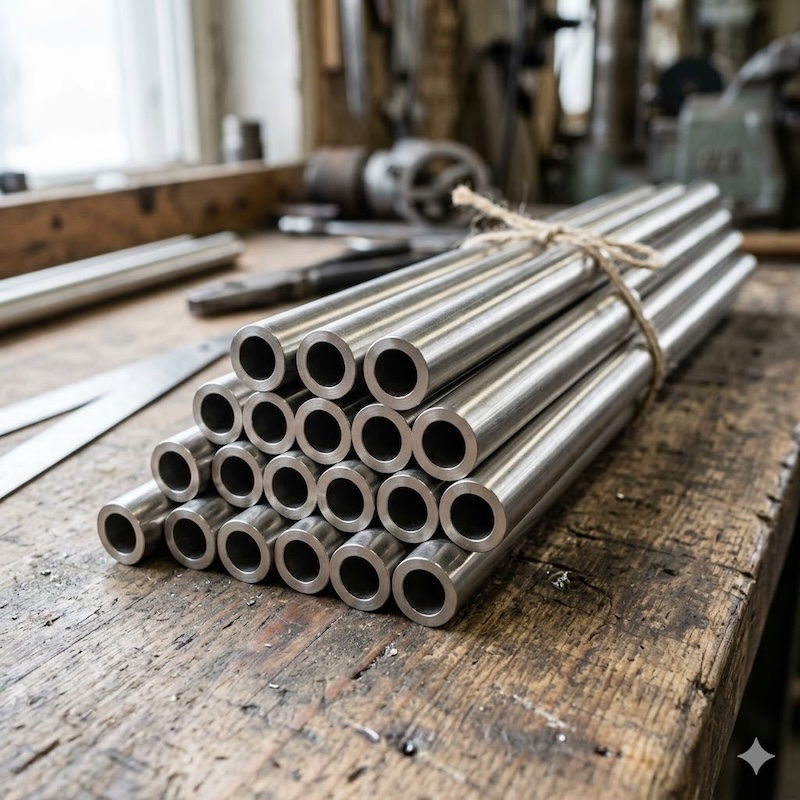
Nickel tubes should be packed to protect ends, surfaces and identification labels. Bundles, wooden cases, plastic end caps, waterproof wrapping or separation by heat number can be discussed depending on size and destination. To quote accurately, send grade, standard, OD, wall thickness, length, quantity, surface condition, tube type, inspection requirements, document requirements and destination country. If the tube is part of a replacement project, include the old drawing, equipment model or failure context so the quotation matches the real service condition.
FAQ
What is the difference between Nickel 200 and Nickel 201 tubing?
Nickel 200 is commercially pure nickel with UNS N02200. Nickel 201 is UNS N02201 and is normally specified when lower carbon content is required, especially where the buyer's application involves elevated-temperature exposure.
Which standard should be used for nickel tubes?
The standard depends on tube type and application. Buyers often reference ASTM or ASME specifications such as ASTM B161 or ASTM B163, but the purchase order should state the exact standard and acceptance requirement.
What information is needed for a nickel tube RFQ?
Send grade, standard, OD, wall thickness, length, quantity, seamless or welded route, tolerance, surface condition, inspection requirements and document requirements.
Common Applications
Caustic alkali service
Chemical processing tube runs
Heat transfer and condenser tubing
High-purity industrial handling
Specification detail with sources
Nickel 200 and Nickel 201 are separated by one element, and the order has to say which one it wants. The difference is carbon: Nickel 201 is the low carbon version, specified for extended service at elevated temperature, where the carbon carried by Nickel 200 is what leads to embrittlement. An enquiry that names commercially pure nickel without the number leaves that choice to the supplier, and it is not a choice a supplier can make on the buyer's behalf.
The second field that decides acceptance is the tube itself rather than the metal. Seamless and welded are different products with different acceptance histories, and outside diameter, wall thickness, delivery condition and surface finish all have to be stated before a quotation means anything. Beiyu Titanium supplies nickel tube with an EN 10204 3.1 mill test certificate carrying heat number traceability, with the reporting scope set by the order, and reviews alloy with its UNS number, governing specification, dimensions with tolerance, delivery condition, surface condition and inspection scope before quotation. Where a nickel alloy specification names a test method, the same discipline applies as on titanium: a reported value is read against the method that produced it, and a heat analysis is not interchangeable with a later product analysis.
Compare nickel and nickel alloy products
Nickel and nickel alloys category| Product | Material | Reference | Best for | Link |
|---|---|---|---|---|
| Nickel 200 and 201 Tubes | UNS N02200 / N02201 | ASTM B163 | High-purity and caustic service | Current page |
| Nickel 200 Seamless Pipe | UNS N02200 | ASTM B161 | Commercially pure nickel pipe | View |
| Nickel Alloy Pipe and Tube | Alloy 625 / C276 / 825 | ASTM B | Nickel alloy piping | View |
| Alloy 825 Tubing | UNS N08825 | ASTM B163 | Acid and chloride service | View |
Related nickel alloy products
Nickel alloy category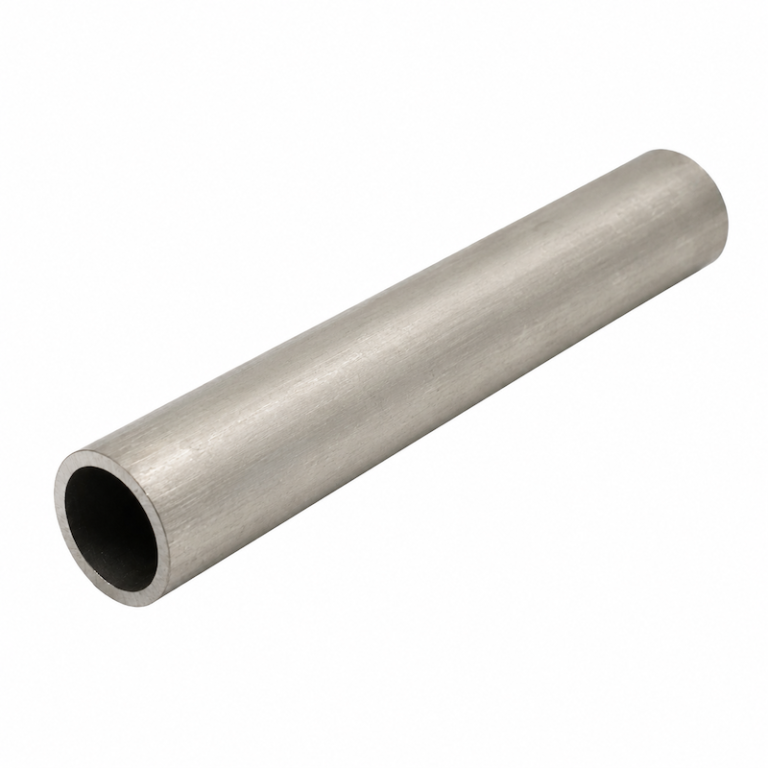
Request a quote for Nickel 200 and Nickel 201 Tubes | ASTM Nickel Tubing
Send alloy grade, standard, size, condition, quantity and certificate requirements. Beiyu replies with quotation, lead time and documentation scope.