
ERTi-7 is a palladium-bearing titanium filler classification for joining suitable titanium base metals and corrosion-service assemblies. Procurement needs more than the name Grade 7 wire. The order must tie AWS A5.16 ERTi-7 and UNS R52401 to actual chemistry, diameter, spool or straight-rod form, cast and helix or straightness, surface cleanliness, packaging seal and heat/lot identity. Five company sources are compared for discovery. Their inclusion does not qualify a welding procedure or prove current stock.
How the five company sources were selected
The comparison used the query ERTi-7 titanium welding wire supplier AWS A5.16 on 1 September 2026. A company-owned page or datasheet qualified when it explicitly identified ERTi-7, Grade 7 filler or R52401 and published a useful specification, form, diameter, chemistry, packaging or use field. Beiyu, India-based companies, marketplaces, directories and rankings were excluded. Rows retain discovery order. Website guidance remains attributed; the WPS, purchase specification and production-lot certificate control the weld consumable.
| Company | Owned resource | Published scope | Evidence still due |
|---|---|---|---|
| HST Titanium | ERTi-7 product page | AWS A5.16, MIG spools, TIG cut lengths, reels/coils and length prompts | Diameter/form, Pd/interstitial chemistry, cast/helix or straightness, surface, seal and lot record |
| Milling Metal | ERTi-7 wire page | AWS/ASME ERTi-7, UNS R52401 and stock/custom route | Actual heat, diameter/form, surface, winding/straightening, certificate, lot and delivery |
| Baoji Titanium Wire Industry | Company ERTi-7 datasheet | Solid-drawn welding-wire route and Grade 7 corrosion-service context | Current form/diameter, chemistry, surface cleanliness, package, heat/lot and tests |
| Tianjin Golden Bridge Welding Materials | Grade 7 welding-wire page | AWS A5.16/ISO 24034 classification plus published cleaning and shielding prompts | Diameter/package, batch chemistry, manufacturing route, surface, geometry and approval scope |
| Washington Alloy | ERTi-7 company datasheet | Wire/rod classification and Grade 7 base-metal matching context | Current product form, diameter, heat chemistry, spool/rod geometry, surface, seal and lot documents |
Treat filler classification and product form as one line item
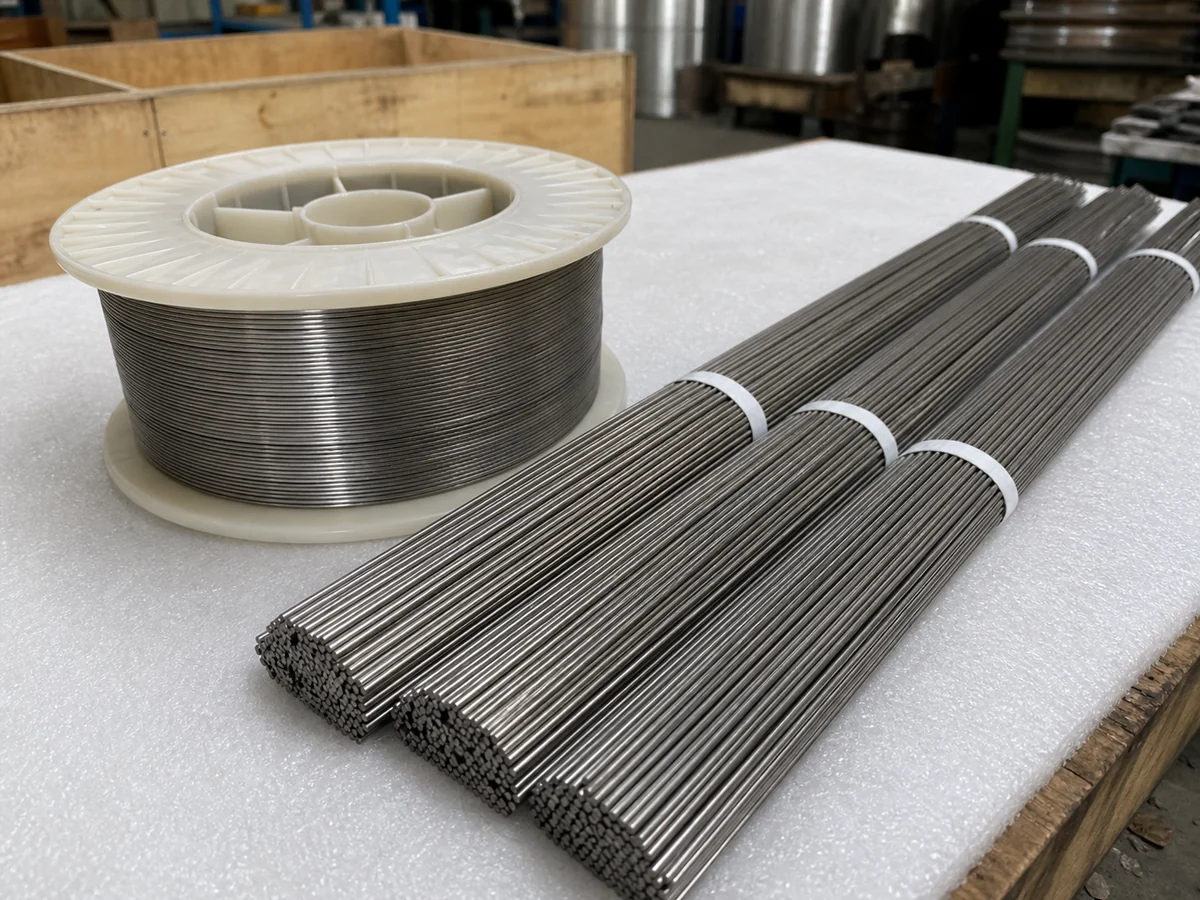
State AWS A5.16 ERTi-7 with the required edition and UNS R52401, then specify diameter tolerance and delivery form. A spool line needs spool standard and dimensions, net weight, winding pattern, cast, helix, free-end restraint and feed-system compatibility. A TIG rod line needs length, straightness, cut-end condition and bundle weight. Require actual palladium, oxygen, nitrogen, hydrogen, carbon, iron and other ordered chemistry from the production heat or lot under the invoked rules. Define bright, clean surface expectations, permitted cleaning route, handling controls and any lubricant residue limit. Packaging should state inner barrier, desiccant if required, seal, label, outer protection and opened-package storage.
| Control point | Buyer input | Required supplier return |
|---|---|---|
| Classification | AWS A5.16 edition, ERTi-7/R52401 and any project additions | Exact classification, manufacturing route, approvals and deviations |
| Chemistry | Pd and interstitial limits, sampling/lot relationship and certificate type | Actual heat/lot values, method, source and result applicability |
| Wire/rod form | Diameter/tolerance, spool or rod, weight/length, cast, helix and straightness | Measured form data, spool standard, winding or cut route and inspection |
| Surface | Cleanliness, finish, permitted processing, residue and handling restrictions | Cleaning sequence, visual condition, contamination control and exceptions |
| Package/trace | Seal, inner/outer protection, labels, storage and lot segregation | Package configuration, heat/lot identity, quantity and certificate index |
Wire geometry must suit the selected feeding process
A spool that meets chemistry can still feed poorly if winding, cast, helix, surface or spool dimensions conflict with the equipment. Record the power source and feeder, liner, drive-roll arrangement, torch path and expected travel conditions for mechanized use. Ask the supplier to return cast and helix using named measurement methods. For TIG rods, straightness, consistent length and clean ends matter during manual feeding. Keep wire away from steel dust, moisture, oil, fingerprints and damaged packaging. Establish how partial spools or opened rod tubes are resealed, identified and time controlled. The welding engineer remains responsible for matching filler, base material, shielding, joint design and procedure qualification; a supplier page cannot authorize that handoff.
Preserve heat and lot identity through opening
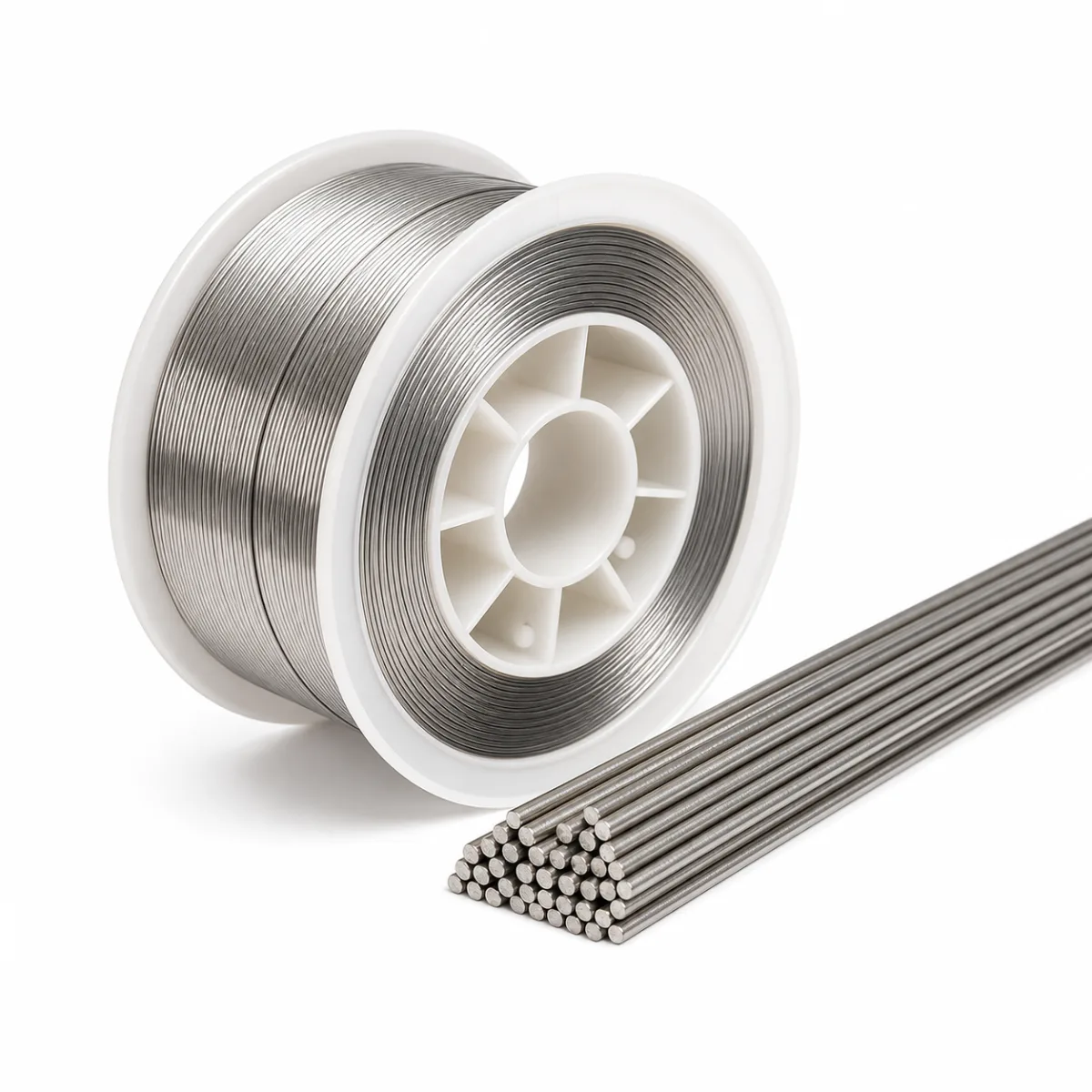
At receipt, compare the package label, certificate and purchase line before breaking the seal. Confirm classification, heat or lot, diameter, form, net weight and actual chemistry. Inspect the outer package and inner barrier for puncture, moisture or loss of seal. Measure sampled diameter and, where ordered, cast, helix or rod straightness using the agreed method. Examine the surface under suitable light for oxide, discoloration, scratches, oil, particulate or handling marks. Segregate each lot and carry its identity to the welding station and traveler. If material is transferred into a feeder or smaller container, record the source package and remaining quantity. Quarantine mixed, unmarked or exposed material until the welding authority approves disposition.
Return consumable data by diameter and package
Create a separate line for every diameter and delivery form. Ask candidates to return actual spool, weight, rod length, winding and packaging details instead of a general size range. Align lot definition, chemistry evidence and traceability with the buyer’s weld traveler. Price qualification samples, special packaging, certificates and split deliveries as separate lines.
| RFQ group | Buyer states | Supplier returns |
|---|---|---|
| Welding need | Base metal, process, WPS boundary, position and equipment interface | Filler recommendation limits, form, feeding assumptions and exclusions |
| Consumable | ERTi-7 revision, diameter, spool/rod geometry, weight and quantity | Exact product, tolerances, stock/production route and availability |
| Quality | Chemistry, surface, cast/helix/straightness, sampling and witness | Lot definition, actual results, methods, dispositions and certificate |
| Packaging | Seal, label, desiccant/liner needs, storage and split-lot rules | Inner/outer package, lot segregation, shelf guidance and markings |
| Commercial | Delivery lots, destination, required date and documentation | MOQ, schedule, validity, sample cost and separately priced options |
Beiyu enquiry route for ERTi-7 wire and rods
Beiyu sits outside the five-company comparison. Its ERTi-7 enquiry records AWS A5.16 edition, R52401, diameter and tolerance, spool or rod format, weight or length, cast, helix, straightness, surface preparation, actual palladium and interstitial chemistry, heat/lot trace, package seal, quantity and destination. The return also records the intended feeder or TIG format. Welding-procedure approval stays with the buyer’s qualified welding authority.
Related Beiyu routes: ERTi-7 titanium welding wire, general titanium welding wire comparison, titanium welding wire product range, Grade 7 titanium sheet comparison. Send the controlled duty sheet or drawing, quantity, inspection scope, required date and destination. Close every written exception before award.
Related supplier lists and supply ranges
- titanium wire supply range
- Grade 23 Titanium Wire Suppliers
- Titanium Welding Wire Suppliers
- Titanium Wire Suppliers
- Ultra-Fine Titanium Wire Suppliers
- all supplier lists by product family
Specification detail with sources
Beiyu Titanium publishes this list and is not part of the comparison above. For readers who want the publisher’s own figures on the same basis they would ask of any supplier on this page, the material is specified to ASTM B863, and each order carries an EN 10204 type 3.1 certificate with heat and pour numbers by order scope.
Beiyu supplies straight wire 0.8 to 6.0 mm diameter, coil wire 0.8 to 12 mm, and spooled wire 0.01 to 6.35 mm.
These are Beiyu published supply figures and inspection parameters, not limits taken from the standard; limit values belong to ASTM B863 and are confirmed against the exact edition named on the purchase order. Certification is stated as a production capability, and no stock position, delivery time or price is implied by any figure on this page.