
Product Details
Commercial Titanium Ingot | CP and Alloy Remelt Stock
Review grade, standard, size, surface, inspection and packing details before quotation.
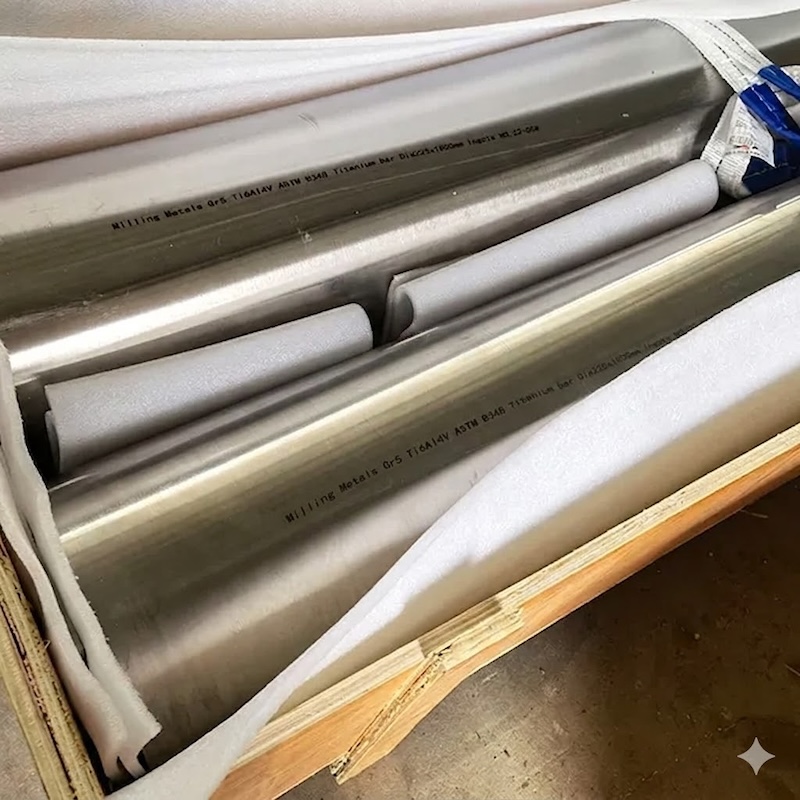
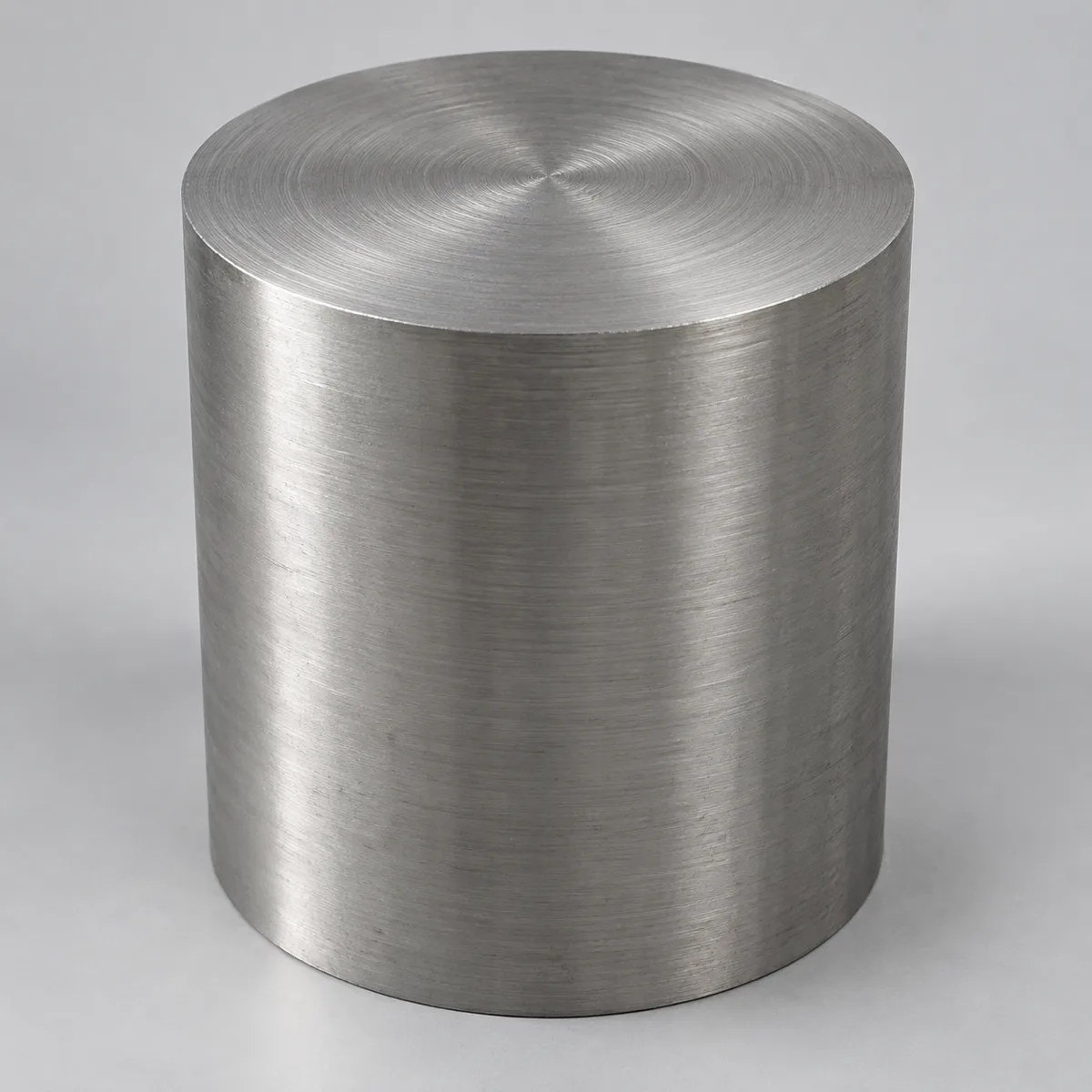
Commercial Titanium Ingot | CP and Alloy Remelt Stock
Commercial titanium ingot for remelt, forging, rolling and downstream titanium production. Quote by grade, chemistry requirement, section size, weight, melting route, inspection scope and required material documentation.
- DocumentsMTC and EN 10204 3.1 on request
- TraceabilityHeat number and inspection scope confirmed
- RFQ detailsGrade, standard, size, tolerance, quantity
- PackingExport protection by product form and length
Product Introduction
Commercial titanium ingot / CP and alloy remelt stockApplicable standard or RFQ reference
Grade, heat number, ingot size, weight, chemistry and remelt/forging planCore information needed for quotation
Diameter or section, length, weight, surface condition and cutting allowanceDimensional review before production
MTC / EN 10204 3.1Traceability documents when required
Acceptance is by the ordered specification. Final grade, chemistry, dimensions, inspection and documentation are confirmed by the purchase specification and mill test certificate.
Commercial Titanium Ingot for Remelt and Forging Stock
Beiyu supplies commercial titanium ingot as input material for forging, rolling, extrusion and downstream titanium production. Titanium ingot is the primary melted form, and is used by mills and fabricators who need controlled chemistry and traceable stock before converting it into bar, billet, plate or forgings.
Ingot should be quoted by grade, chemistry, diameter or section, weight and melting requirement, because the downstream processing route determines the acceptable ingot condition.
Grade and Standards
| Common grades | Commercially pure Grade 1 and Grade 2; alloy grades such as Grade 5 / Ti-6Al-4V, Grade 7, Grade 12 and project-specified alloys |
|---|---|
| Melting | VAR (vacuum arc remelting) or as specified; single or double melt by requirement |
| Standard reference | ASTM B348 for downstream bar/billet, or customer chemistry specification |
| Forms | Round ingot, cut ingot sections and remelt stock |
Chemistry, Size and Processing
RFQs should state required grade, chemical composition limits, ingot diameter, length or weight, melt type and the intended processing route (forging, rolling or extrusion). For critical applications, the buyer should define oxygen, nitrogen and other interstitial limits and any required melt practice.
Common Applications
- Remelt and conversion stock for bar, billet and plate
- Forging input for rings, blocks and discs
- Feedstock for mills and titanium fabricators
Inspection and Documentation
Buyers can request mill test certificate, EN10204 3.1 documentation, heat number traceability and chemical composition. Ultrasonic testing and macro/micro examination can be agreed when the processing route requires it.
Packaging and Export Information
Titanium ingot is packed on heavy-duty pallets or in steel-framed cases suitable for the weight and section, and marked by grade, heat number and weight where traceability is required.
Titanium Ingot Specification Snapshot
| Grades | CP titanium and Ti-6Al-4V family, supplied to the target grade chemistry table. |
|---|---|
| Melting | Vacuum arc remelting route; single or multiple melt count by order requirement. |
| Size | Ingot size is set by the downstream forging or rolling operation, with the single weight following from the size and the pour. |
| Chemistry | Full heat analysis including O, N, H, C and Fe. |
| Use | Remelt stock for mills and foundries, and conversion stock for forging or rolling routes. |
| Certificate | EN 10204 3.1 MTC per heat. |
State target grade, chemistry table, ingot size and weight, melt-count requirement and analysis reporting scope. Ingot buyers live on the chemistry certificate, so define it first.
Related guides: how titanium mill products are made
RFQ Information Needed
- Grade and chemical composition requirement
- Ingot diameter, length or weight
- Melt type and number of melts
- Intended processing route
- Quantity, packing and destination
- Certificate and testing requirements
FAQ
What is titanium ingot used for?
Titanium ingot is the primary melted form used as stock for forging, rolling and extrusion into bar, billet, plate and other titanium products.
Which melting method is used?
Vacuum arc remelting (VAR) is common; single or double melt can be specified depending on the chemistry and end-use requirement.
What is needed to quote titanium ingot?
Send grade, chemistry limits, ingot size or weight, melt requirement, processing route, quantity and certificate requirements.
Procurement Notes for Commercial Titanium Ingot
Commercial titanium ingot enquiries should define grade family, ingot size or weight, intended downstream process and required chemical composition limits. Buyers may use titanium ingot for forging stock, rolling stock, remelt programs or internal machining trials, so the RFQ should distinguish between general commercial material and specification-controlled aerospace, medical or chemical equipment material.
Useful purchasing details include target grade, heat number traceability, surface condition, cut requirement, allowable conditioning, certificate requirement and whether a specific ASTM, AMS or customer material specification must be met after downstream processing. If the ingot will be converted into billet, bar, plate or forgings, include the final product route and inspection expectations so quotation and documentation can be aligned with the buyer's actual acceptance criteria.
Ingot Procurement Notes
For titanium ingot RFQs, the buyer should state whether the ingot will be remelted, forged, rolled or converted into billet. This affects acceptable chemistry, section size, weight, surface condition and inspection scope. If the downstream process has a strict oxygen, iron or alloying-element requirement, include the target chemistry or customer specification with the RFQ.
When ingots are ordered for conversion stock, packing and marking should identify grade, heat number, gross weight and purchase order reference. If third-party inspection, sampling or additional chemical verification is required, it should be confirmed before shipment.
Common applications
Review export and fabrication support22
Ti
Titanium
47.867 u
4.51 g/cm3
Commercial titanium ingot / CP and alloy remelt stock
4.51 g/cm3
Commercial titanium ingot / CP and alloy remelt stock
Remelt and forging feedstockConfirm grade, size, tolerance, surface, inspection and certificate scope before quotation.Rolling and breakdown billet preparationConfirm grade, size, tolerance, surface, inspection and certificate scope before quotation.Heat-traceable titanium stockConfirm grade, size, tolerance, surface, inspection and certificate scope before quotation.Custom alloy starting materialConfirm grade, size, tolerance, surface, inspection and certificate scope before quotation.
Compare related titanium products
Titanium BilletProduct
Reference
RFQ focus
Commercial Titanium Ingot
CP and alloy
Remelt stock
Titanium Slabs and Billet
Forging / rolling stock
Conversion stock
>
Solid Titanium Block
Machining blank
CNC block stock
>
Grade 5 Forging Block
ASTM B381
Forging stock alternative
>
Related RFQ pages
Titanium BilletSpecification detail with sources
Ingot is made to the order, and Beiyu Titanium publishes neither a diameter range nor a single ingot weight for it. Both are set by what the material is going to become: the downstream forging or rolling operation fixes the ingot size, and the weight follows from the size and the pour rather than from a catalogue. An ingot enquiry that starts by asking what sizes are available has started from the wrong end.
Melting route is the field worth naming early instead. Beiyu Titanium's medical grade material is triple vacuum melted, and the industrial grades are produced on the same triple melt route. That matters more than a dimension to anyone buying ingot as remelt or forging stock, because the number of melts is what the downstream shop asks about first and it cannot be corrected later in the process. The grade with its UNS designation, the melting route, the intended downstream operation and the finished part size are what let an ingot enquiry be reviewed.
Request a quote for Commercial Titanium Ingot | CP and Alloy Remelt Stock
Send grade, standard, size, condition, quantity and certificate requirements. Beiyu replies with quotation, lead time and documentation scope.
Non-catalogue ingot chemistry, verified lot by lot
Alloy families outside the common ASTM grades are analysed against their own methods rather than the titanium ones, which matters when an ingot order sits away from the catalogue. Interstitials in niobium-titanium compositions are run to the YS/T 861 series, with YS/T 861.2-2013 covering oxygen and nitrogen, YS/T 861.3-2013 hydrogen and YS/T 861.4-2013 carbon, so a report on this kind of material will cite those methods instead of the ASTM E1409 and E1447 routes used for unalloyed and Ti-6Al-4V stock.
| Element, w/percent | Lot XL25-0728, beta Ti-45Nb ingot |
|---|---|
| Niobium | 45.59 |
| Oxygen | 0.102 |
| Nitrogen | 0.017 |
| Zirconium | 0.11 |
| Carbon | 0.003 |
| Hydrogen | 0.0009 |
| Iron | below the 0.005 detection limit |
Beiyu Titanium melts and supplies compositions of this kind as ingot for research and development users whose work sits outside the standard grade list, and reports the analysis against the lot number rather than as a nominal target. The figures above come from a third-party laboratory analysis of one lot, which is what a materials group needs when the composition itself is the variable under study. Send the target composition, the tolerance you can accept on each element, ingot size and weight, and Beiyu reviews whether the melt route can hold it before quoting.