
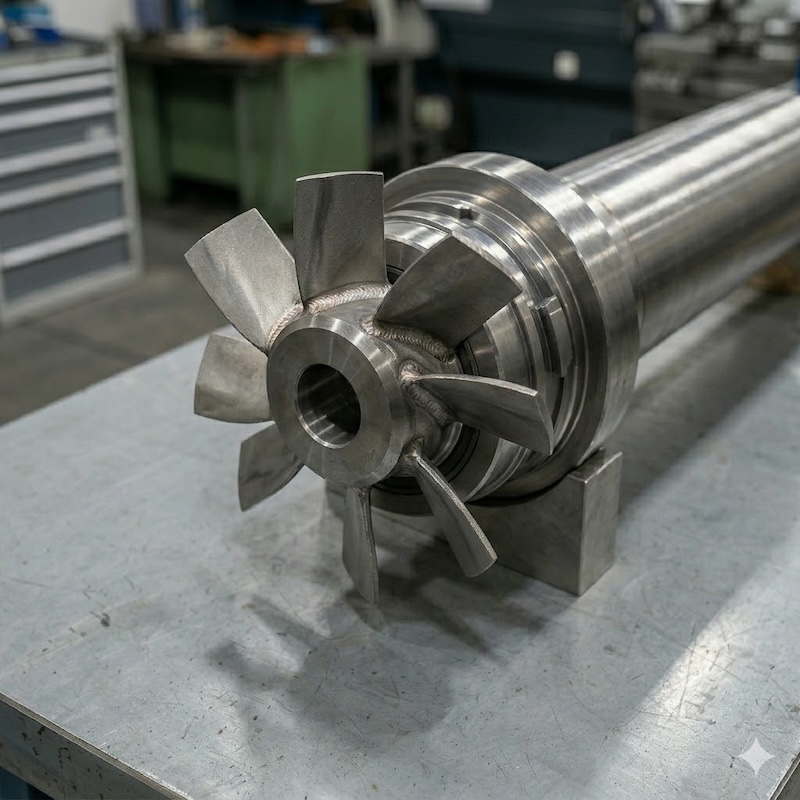
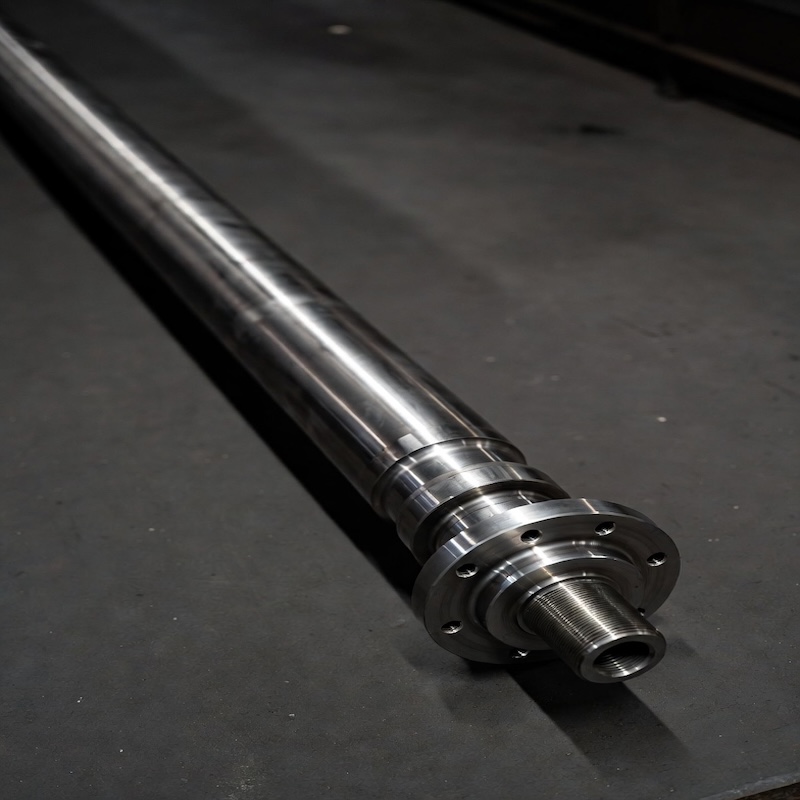
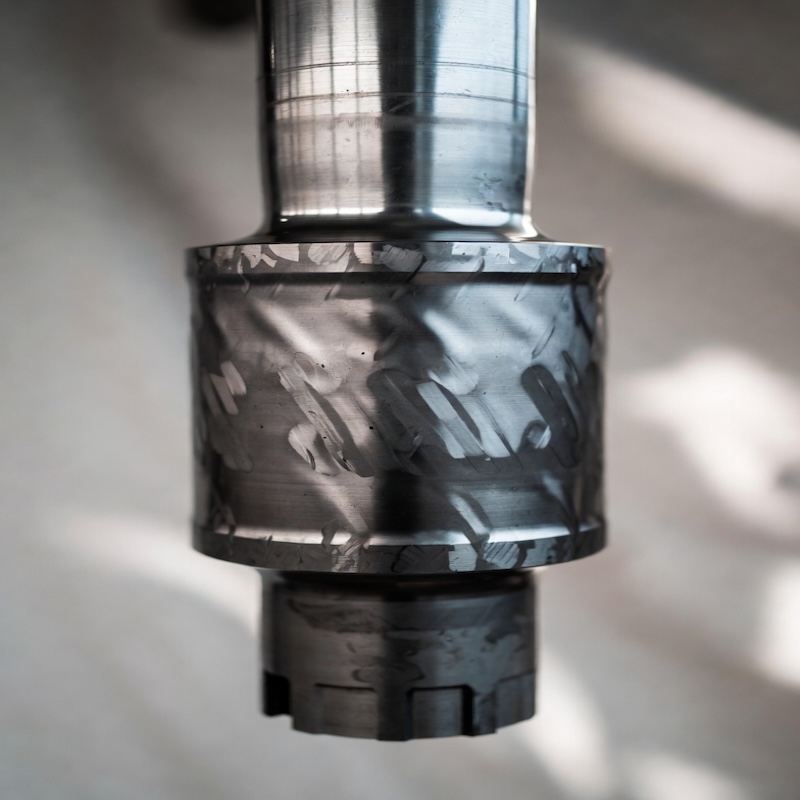
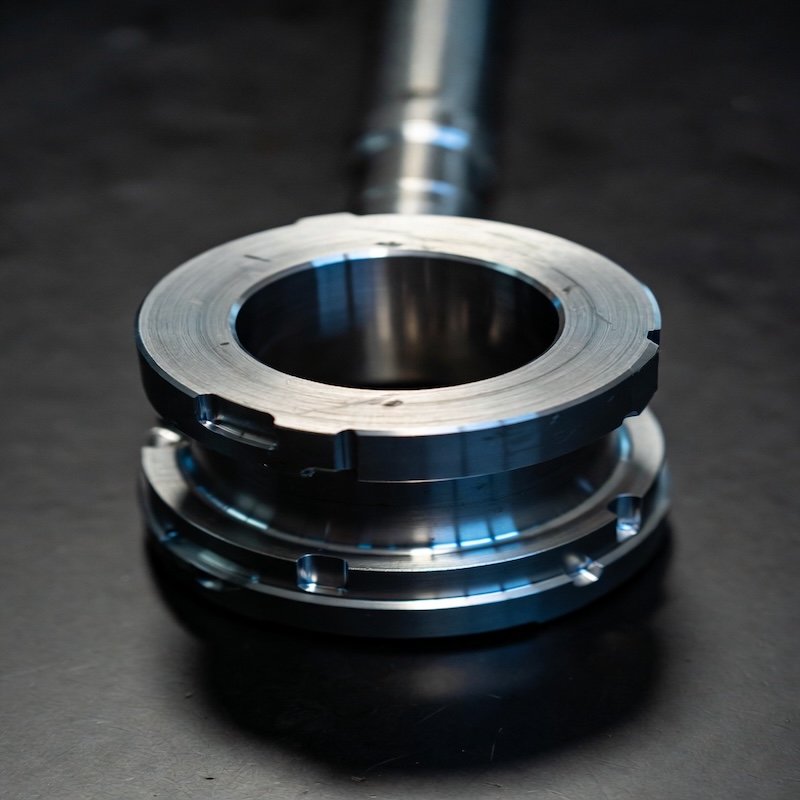
Drawing partBuilt to customer drawing
Gr2 / Gr5 / Gr7 / Gr12Grade selected by service
StraightnessChecked against shaft length
MTC / inspectionDocuments by purchase order
Acceptance is by the ordered specification. Final dimensions, tolerances, grade, inspection and documentation are confirmed by the drawing, purchase order and mill test certificate.
RFQ and Inspection Notes
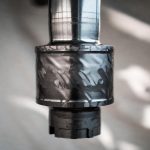
Titanium agitator shaft RFQs should include the shaft drawing, grade, total length, diameter, end connection, keyway or thread detail, straightness requirement, surface finish, quantity and service medium. If the shaft is used in a reactor or mixer, include torque, rotational speed and operating temperature so the material and inspection scope can be reviewed.
| Item | Typical RFQ Detail |
|---|---|
| Grades | Grade 2, Grade 5 / Ti-6Al-4V, Grade 7 or Grade 12 according to drawing. |
| Standard | ASTM B381 / ASME SB381 when forged titanium material is specified. |
| Form | Forged shaft, machined shaft or drawing-based shaft blank. |
| Inspection | MTC, dimensional report, straightness check, PMI or ultrasonic testing when required by the purchase specification. |
Packaging and Export
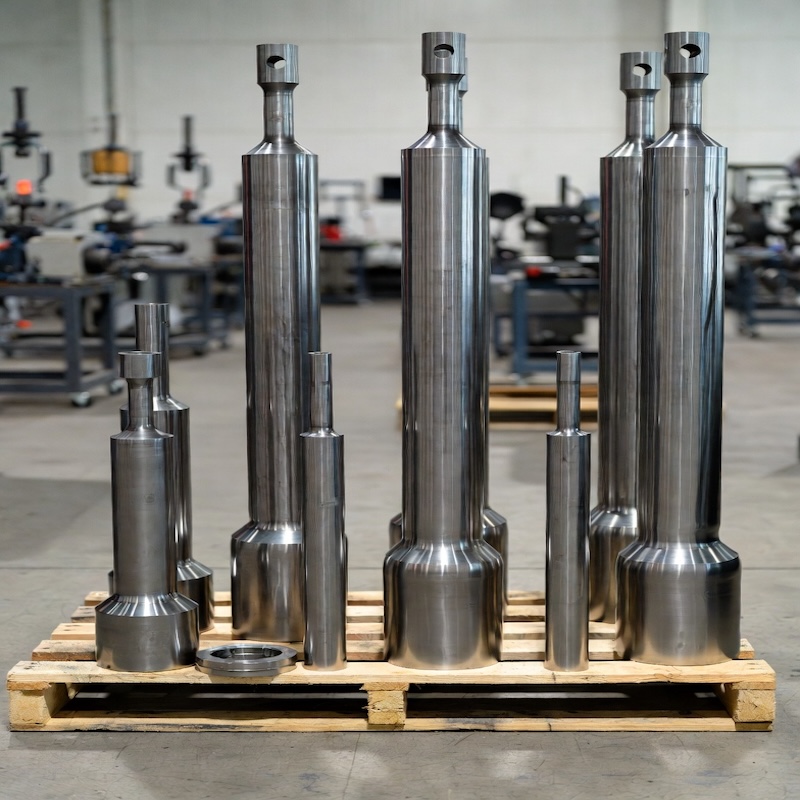
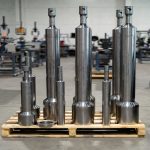
Long shafts should be packed to prevent bending, surface damage and mixed-material contamination during export transport. Packing may use protective wrapping, internal supports, wooden cases or pallets depending on length and weight. Labels should show grade, heat number, size and quantity when traceability is required.
FAQ
Can Beiyu quote titanium agitator shafts from a drawing?
Yes. Send the drawing, material grade, shaft length, tolerance, surface finish, connection detail, quantity and inspection requirements.
When should Grade 7 or Grade 12 be considered?
These grades may be reviewed for more demanding corrosion environments. The final grade should be confirmed from the service medium, temperature and engineering specification.
What documents should be requested?
For traceable orders, request mill test certificate, heat number traceability, dimensional inspection and any project-specific NDT or third-party inspection requirement before quotation.
Application and Design Review
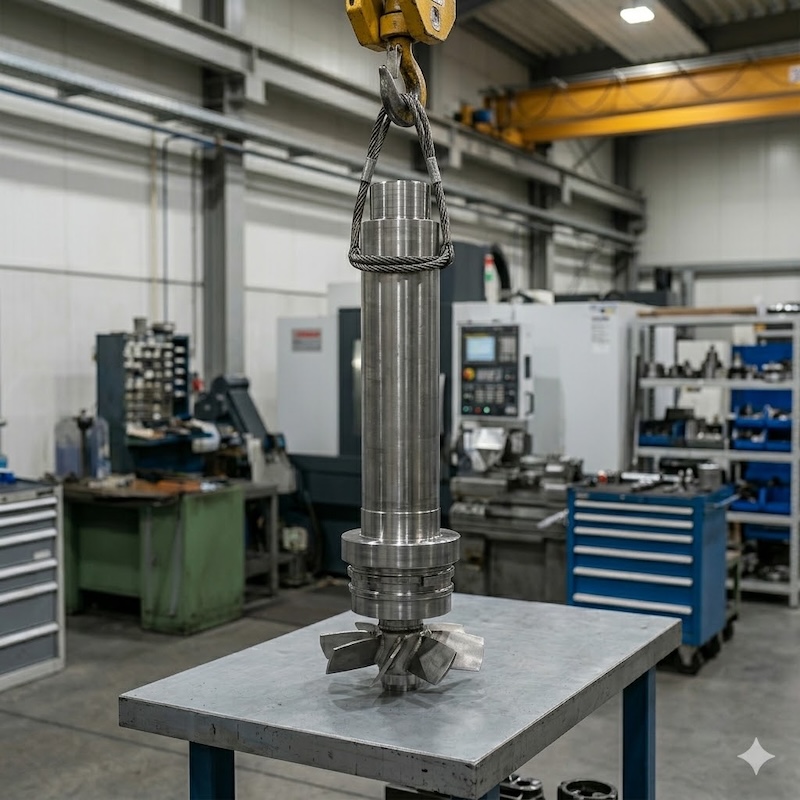
Titanium agitator shafts are normally specified for chemical mixing, etching equipment, seawater-related equipment, metal finishing, environmental equipment and reactor systems where stainless steel may not be suitable for the operating medium. The buyer should confirm whether the shaft is a finished machined part, a semi-finished forged blank or a replacement shaft copied from an existing assembly.
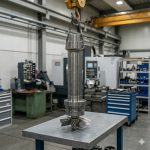
For long shafts, straightness, runout, end connection geometry and machining allowance are as important as the material grade. If the shaft will be coupled to an impeller, seal, bearing or motor, provide the assembly drawing or the mating dimensions. For corrosion-critical service, state the medium, concentration and temperature so Grade 2, Grade 7, Grade 12 or Grade 5 can be reviewed against the project requirement.
Procurement Checklist
- Material grade and standard, such as ASTM B381 / ASME SB381 when applicable.
- Total length, diameter, straightness, runout, threaded ends, keyway and surface finish.
- Heat number traceability, MTC, EN10204 3.1, PMI or ultrasonic testing requirement.
- Quantity, delivery destination, packing method and whether third-party inspection is required.
Clear drawing data helps separate a simple shaft blank quotation from a precision finished shaft quotation, which affects machining route, inspection time and packing design.
Additional Technical Notes
For replacement shafts, photos of the failed part are useful but should not replace a drawing. Shaft material, heat treatment, machining allowance and final balance requirement should be confirmed before production. If the shaft is unusually long or slender, packing design and internal supports should be discussed with the quotation because transport damage can affect straightness before installation.
Common applications
Review fabrication and machining support22
Ti
Titanium
Chemical reactors and mixing tanksConfirm medium, temperature, drawing tolerance, inspection and documentation scope before quotation.Chloride-service agitation systemsConfirm medium, temperature, drawing tolerance, inspection and documentation scope before quotation.Long shaft replacement projectsConfirm medium, temperature, drawing tolerance, inspection and documentation scope before quotation.Machined titanium rotating componentsConfirm medium, temperature, drawing tolerance, inspection and documentation scope before quotation.
Specification detail with sources
An agitator shaft is ordered as a forged bar to a drawing, and the grade behind it is defined inside the forging standard. ASTM B381 lists Grade F-2 as unalloyed titanium under UNS R50400, Grade F-7 as unalloyed titanium plus 0.12 to 0.25 percent palladium under UNS R52400, and Grade F-12 as a titanium alloy with 0.3 percent molybdenum and 0.8 percent nickel under UNS R53400 (ASTM B381, scope). The same standard states that material conforming to ASTM B348 shall be used when producing forgings to that specification (ASTM B381, materials and manufacture), so a forged shaft starts from bar and billet stock and is then worked to shape.
| What the shaft is forged from | Range Beiyu reviews against |
|---|---|
| Forged round bar, ASTM B381 | 50 mm to 500 mm diameter, length to 3000 mm |
| Mill round bar, ASTM B348 | 1 mm to 500 mm diameter, length to 6000 mm |
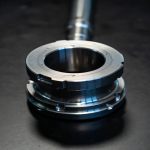
| Coupling and blade-mount rings | Outside diameter 50 mm to 2000 mm, inside diameter 10 mm to 900 mm, height 20 mm to 400 mm |
The envelope is a production capability reviewed against, not a stock statement, and the ordered combination is confirmed at quotation. Shaft length is the field that most often decides the route: beyond the forged bar length above, the shaft is normally supplied in sections with a stated coupling arrangement rather than as one piece.
Reported values are routed through the standard's referenced methods: ASTM E8 for tension testing, ASTM E1409 for oxygen and nitrogen by inert gas fusion, ASTM E1447 for hydrogen and ASTM E1941 for carbon by combustion (ASTM B381, referenced documents). Naming a method settles how a value was produced. It does not add an ultrasonic requirement, which ASTM B381 does not include automatically, and for a rotating shaft the examination stage matters: a scan on the forged blank and a scan after final machining do not cover the same material.
Compare related titanium components
Titanium accessories categoryProduct
Material
Reference
RFQ focus
Titanium Flanges
Gr2 / Gr5 / Gr7 / Gr12
ASTM B381
Pipe connection RFQs
>
Titanium Pipe Fittings
Gr2 / Gr7 / Gr12
ASTM B363
Elbows, tees and reducers
>
Titanium Fasteners
Gr2 / Gr5
DIN / ISO / ASTM
Bolts, nuts and screws
>
Grade 2 Titanium Flange
Grade 2
ASTM B381
Commercially pure titanium flange
>
Titanium Agitator Shafts
Gr2 / Gr5 / Gr7 / Gr12
Drawing
Long rotating shafts
Titanium Elliptical Heads
Gr2 / Gr7
Drawing / ASME
Pressure-equipment formed parts
>
Related RFQ pages
Titanium accessories category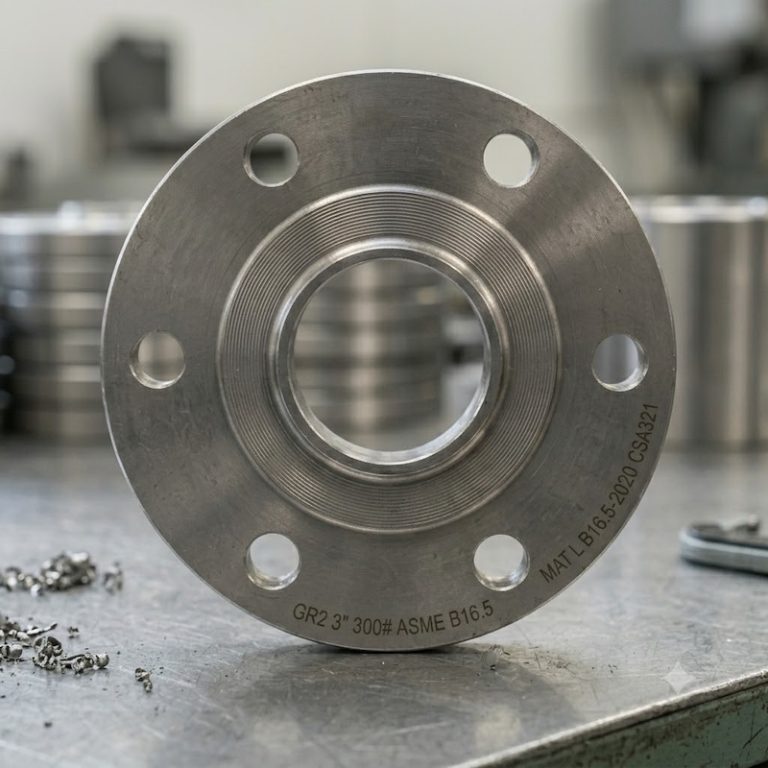
Request a quote for Titanium Agitator Shafts | Custom Forged Grade 2, 5, 7 & 12 for Industrial Mixing
Send grade, drawing or standard, dimensions, quantity, inspection scope and delivery destination. Beiyu replies with quotation, lead time and documentation scope.