

Gr2 / Gr7Grade by gas medium
Fabricated assemblyDrawing and process reviewed
Balance / runoutChecked when specified
Weld inspectionBy purchase order
Acceptance is by the ordered specification. Final dimensions, tolerances, grade, inspection and documentation are confirmed by the drawing, purchase order and mill test certificate.
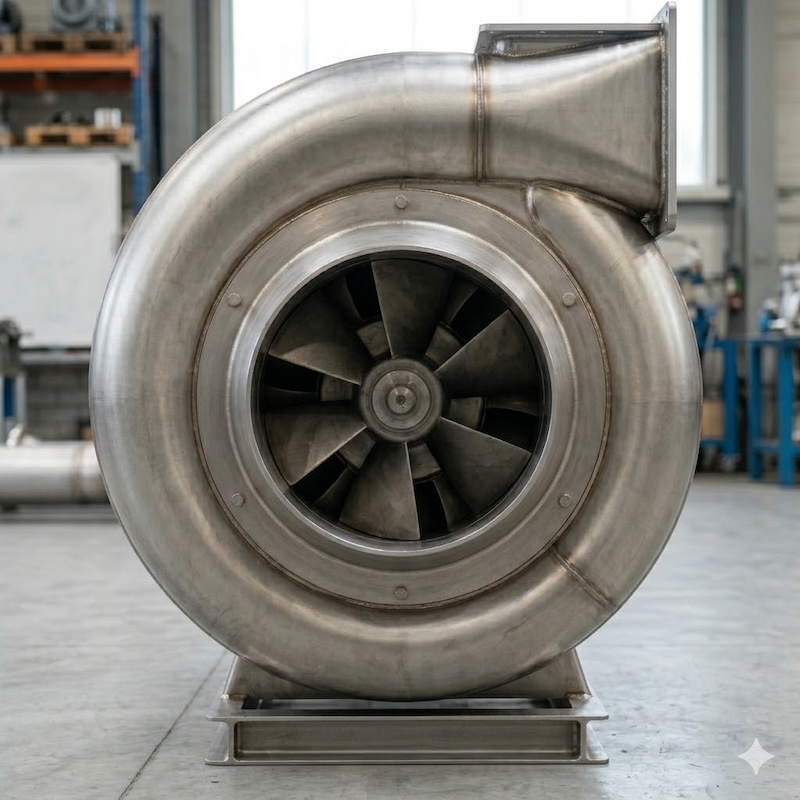
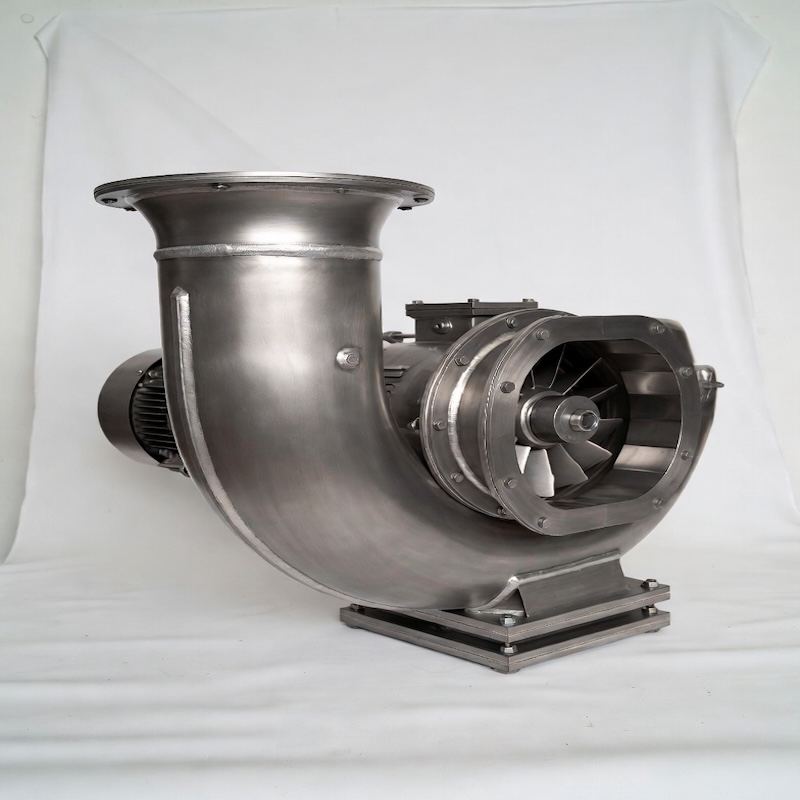
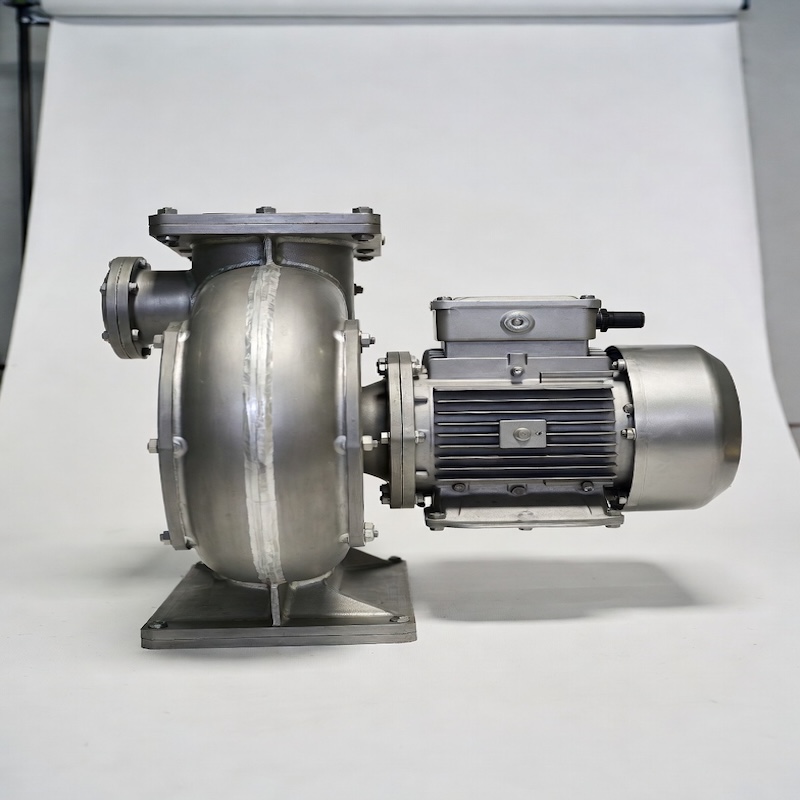
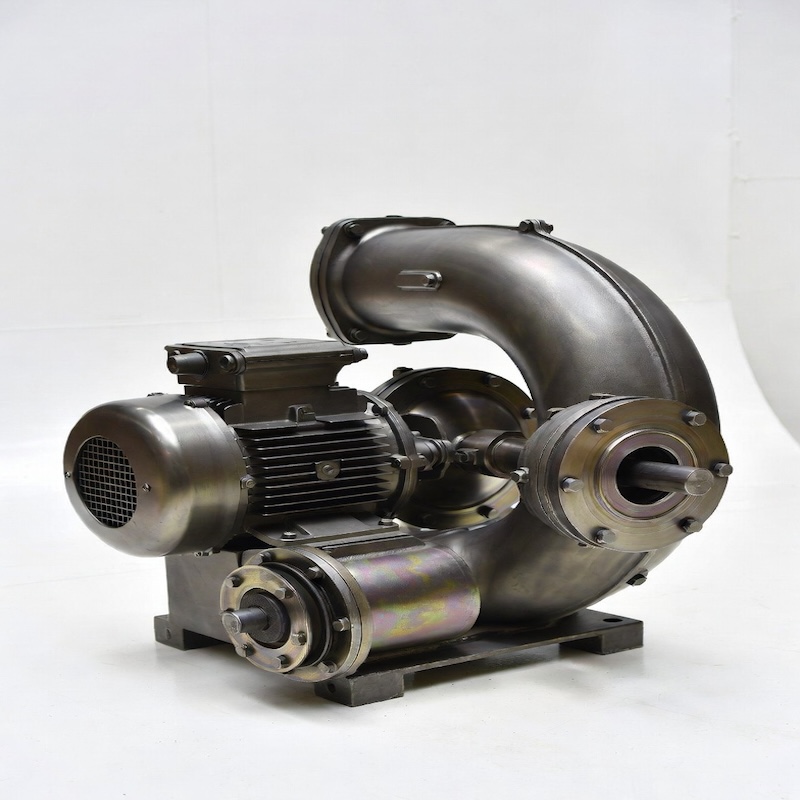
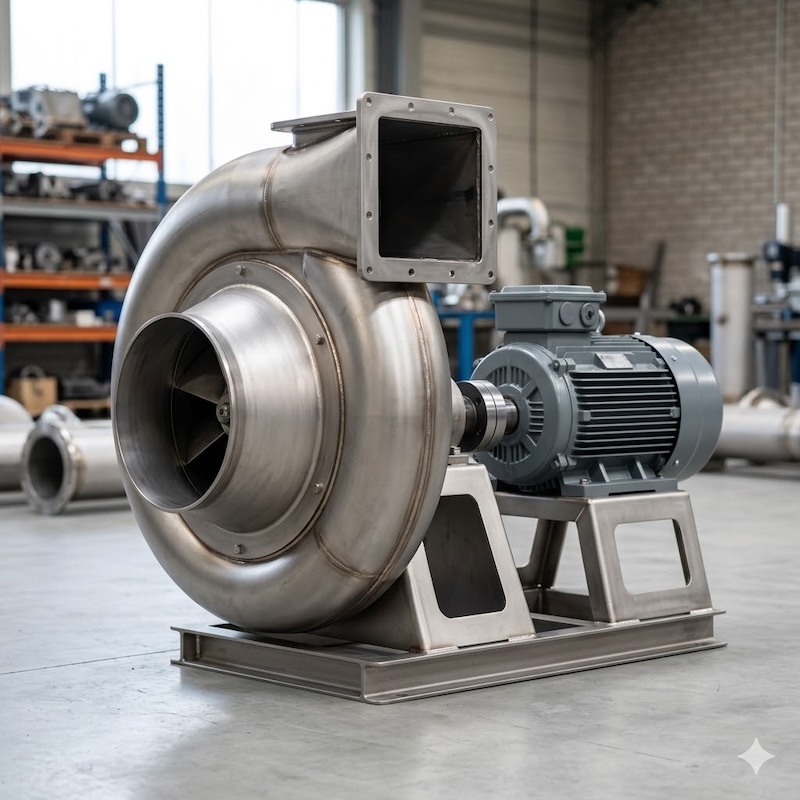
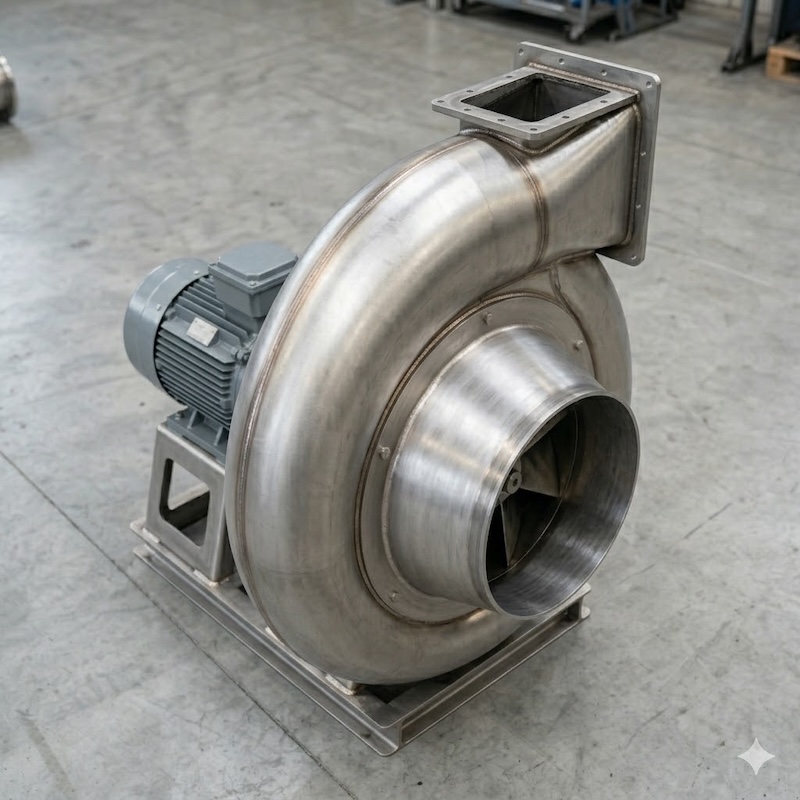
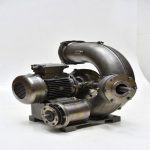
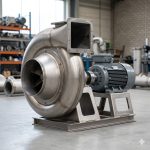
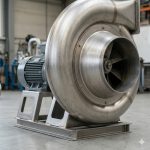
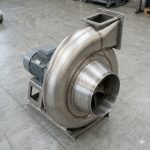
Titanium Blower for Corrosive Gas Handling
Component material is quoted from these rows: forged round bar Ø50 mm to 500 mm, forged discs at outside diameter 50 mm to 2000 mm and thickness 20 mm to 500 mm, and plate 3 mm to 70 mm thick in widths to 2500 mm and lengths to 6000 mm.
Titanium blowers are used in ventilation and process-gas systems where carbon steel or stainless steel may not provide enough corrosion resistance. Beiyu supplies drawing-based titanium blower components and fan assemblies for chemical plants, environmental equipment, exhaust treatment systems and OEM corrosion-service equipment.
The blower material is normally selected according to gas composition, temperature, moisture, chloride level and the presence of acid or alkaline media. Grade 2 titanium is commonly considered for general corrosion resistance, while Grade 7 titanium may be specified where palladium-stabilized corrosion resistance is required. Final material selection should follow the project design conditions.
Grade and Standards
Titanium blowers and fans are built to a drawing in commercially pure Grade 2, or in Grade 7 for reducing-acid and chloride service. Wetted parts such as the impeller, casing and shaft sleeve are specified by grade, with the standard and any corrosion allowance confirmed on the order. State the medium, temperature, flow and pressure so the materials and construction are matched to the duty.
Typical Supply Scope
- Material grades: Grade 2, Grade 7 or project-specified titanium alloy.
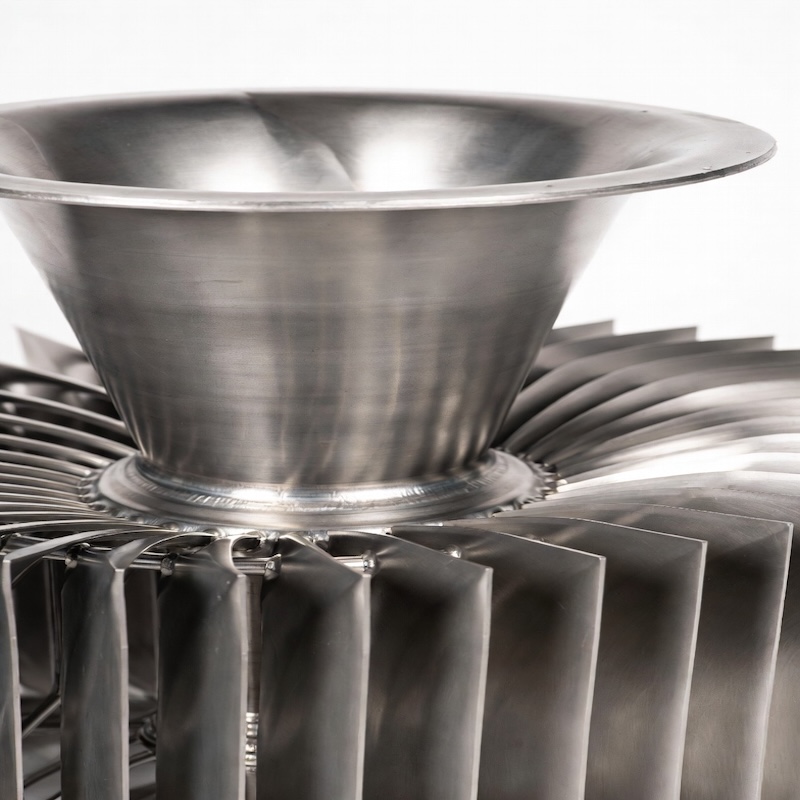
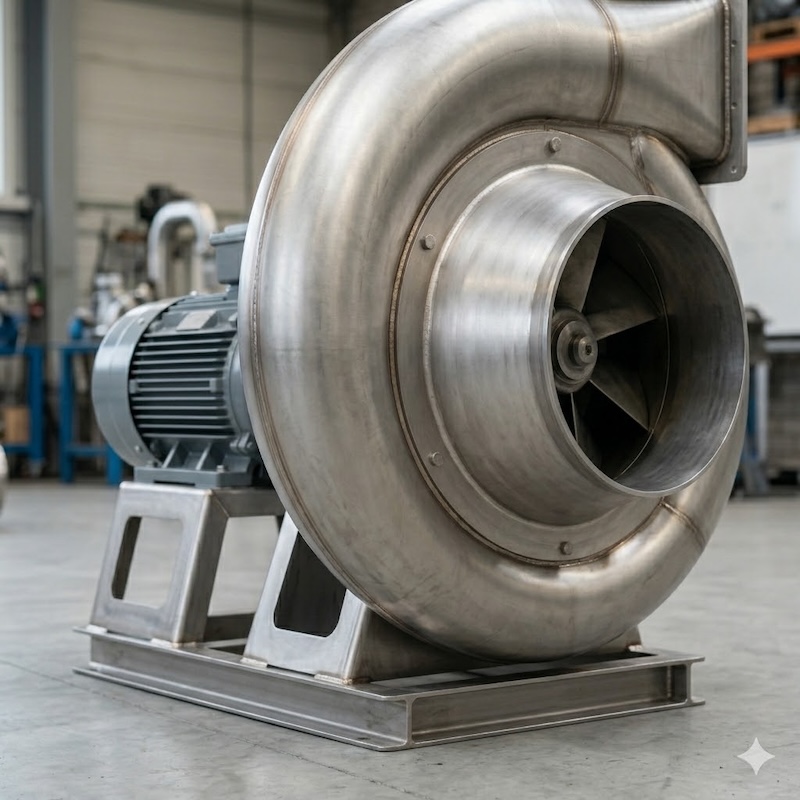
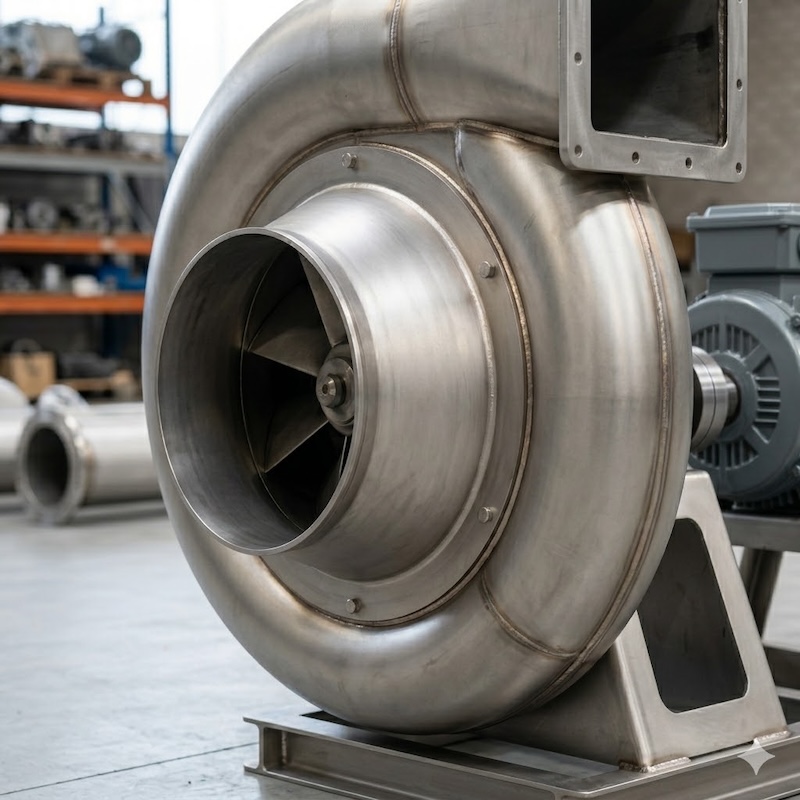
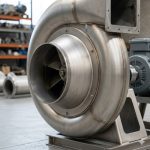
- Components: casing, impeller, inlet cone, shaft sleeve, flanges, supports and drawing-based machined parts.
- Fabrication basis: buyer drawing, operating condition and inspection requirement.
- Surface condition: pickled, cleaned, machined or specified by drawing.
Applications
Titanium blower parts are used in corrosive exhaust, acid mist handling, chlorine-containing gas environments, VOC treatment equipment, incineration exhaust systems, scrubber systems and chemical ventilation lines. They are usually specified when corrosion risk, maintenance access or contamination control makes ordinary coated steel difficult to use.
Information Needed for Quotation
- Gas composition, temperature, humidity and corrosion medium
- Flow rate, pressure, speed and operating cycle
- Material grade and applicable standard if specified
- Drawings for casing, impeller, flange, inlet and support structure
- Welding, dimensional inspection, balancing and documentation requirements
Inspection and Documentation
Orders can be quoted with material certificates, dimensional inspection and traceability by heat number where material traceability is required. For rotating parts, buyers should state whether dynamic balancing, welding inspection, PMI or third-party inspection is required.
Packaging and Export Information
Machined and fabricated titanium blower parts are packed to protect sealing faces, flange surfaces and impeller edges during transport. Large assemblies can be quoted with wooden-case packing, supports and export documentation according to shipment requirements.
FAQ
Can Beiyu supply a complete titanium blower?
Quotations are handled by drawing and project scope. Send the assembly drawing and operating conditions so the supply scope can be confirmed.
When is Grade 7 used instead of Grade 2?
Grade 7 may be considered when the service environment needs palladium-stabilized corrosion resistance. The final choice should be based on the medium, temperature and project specification.
What documents can be requested?
Common requests include MTC, heat-number traceability, dimensional inspection records, PMI and packing documentation.
Engineering Review Before Quotation
Titanium blower projects should be reviewed from the gas-handling conditions rather than by fan size alone. The RFQ should include gas composition, temperature, humidity, chloride or acid content, required flow rate, pressure, rotation speed, installation layout and whether the equipment will run continuously or intermittently. These details affect the choice between Grade 2, Grade 7 or another project-specified material.
If Beiyu is quoting individual blower parts, the drawing should identify casing thickness, impeller geometry, flange dimensions, shaft connection, weld locations and balancing requirement. If the buyer needs a complete assembly, the scope should state whether motor, base frame, coupling, guards, drain connection, inspection ports or surface treatment are included.
Packing and Documentation Notes
Large titanium blower parts need protection for flange faces, machined fits, impeller edges and welded assemblies. Packing can be arranged with wooden cases, internal supports and part marking. Documentation may include material certificates, heat-number traceability, dimensional inspection, welding records or dynamic balancing reports when required by the purchase specification.
Common applications
Review fabrication and machining support22
Ti
Titanium
Corrosive exhaust handlingConfirm medium, temperature, drawing tolerance, inspection and documentation scope before quotation.Chemical plant ventilation equipmentConfirm medium, temperature, drawing tolerance, inspection and documentation scope before quotation.Chloride-service gas systemsConfirm medium, temperature, drawing tolerance, inspection and documentation scope before quotation.Custom titanium fabricated assembliesConfirm medium, temperature, drawing tolerance, inspection and documentation scope before quotation.
Compare titanium equipment products
Titanium products| Product | Material | Reference | Best for | Link |
|---|---|---|---|---|
| Titanium Shell and Tube Heat Exchanger | Grade 2 / 7 / 12 | drawing | Corrosive-media heat transfer | View |
| Titanium Heat Exchanger Coil | Grade 2 | drawing | Immersion and coil heat exchange | View |
| Titanium Blower | Grade 2 / Grade 7 | drawing | Corrosive gas handling | Current page |
| Titanium Process Pump | Grade 2 / Grade 7 | drawing | Corrosive liquid pumping | View |
Related RFQ pages
Chemical equipment category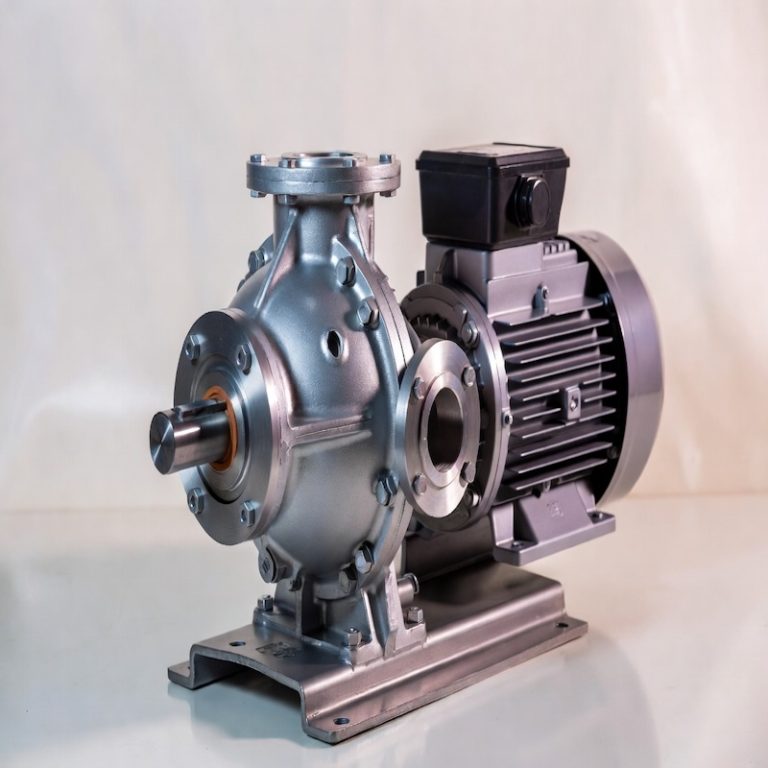
Specification detail with sources
Blower components are quoted from the same mill rows as other fabricated titanium, and those rows are what Beiyu Titanium publishes. Impellers and shafts come from forged round bar at Ø50 mm to 500 mm and the forged disc row at outside diameter 50 mm to 2000 mm and thickness 20 mm to 500 mm, with that forging route quoted against ASTM B381 and its ASME adoption SB381. Casings and volutes come from plate instead, at 3 mm to 70 mm thick in widths to 2500 mm and lengths to 6000 mm.
What decides a titanium blower is the gas rather than the geometry. The enquiry needs the gas composition including any halides or condensable acids, the inlet and discharge conditions, the volume flow and the operating temperature, because those set both the aerodynamic design and whether titanium is the right metal for the duty at all. The part list with its forging and plate rows, the alloy fixed by its UNS number, and the machining allowance all follow once the duty is fixed.
Request a quote for Titanium Blower for Corrosive Environments | Custom Gr2/Gr7 Industrial Fans
Send grade, drawing or standard, dimensions, quantity, inspection scope and delivery destination. Beiyu replies with quotation, lead time and documentation scope.