



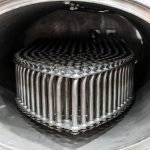
Gr2 / Gr7 / Gr12Common titanium material options
Process dataTemperature, pressure and medium required
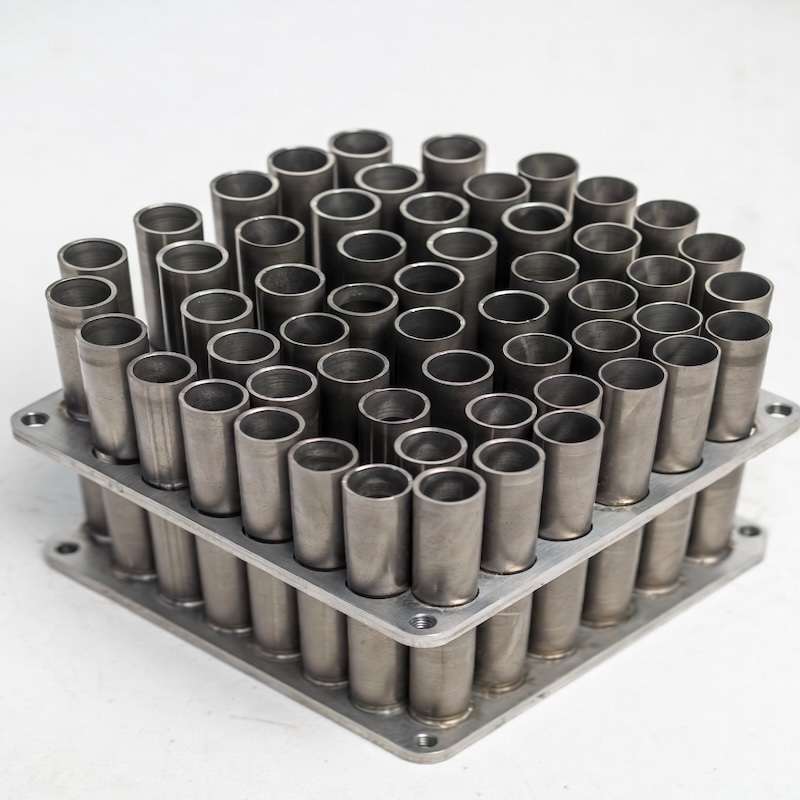
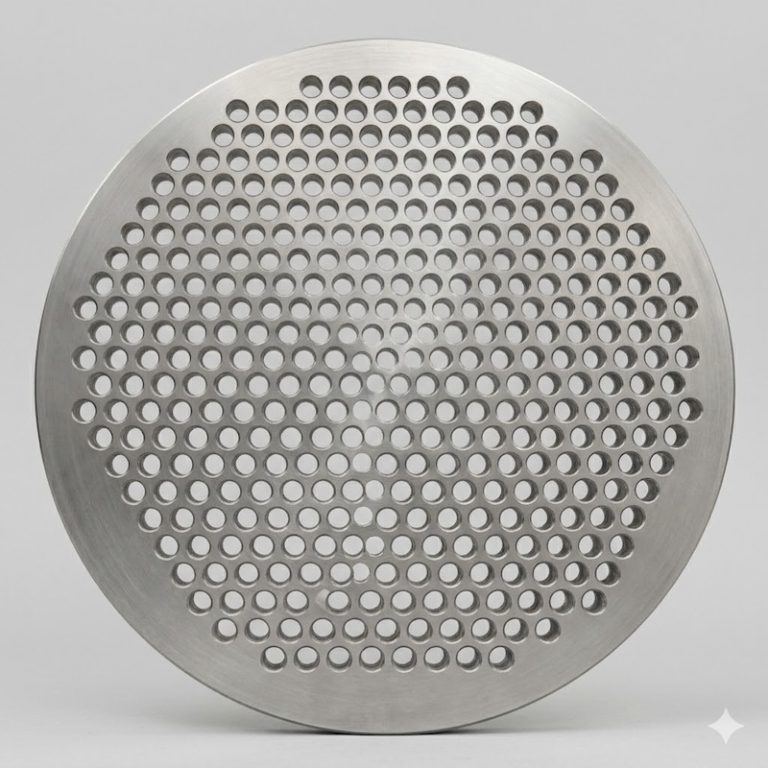
Tube sheetMaterial and drawing review
TestingPressure and inspection scope by PO
Acceptance is by the ordered specification. Values and coating notes are RFQ references only. Final chemistry, coating, dimensional inspection and documentation are confirmed by the purchase specification and mill or coating records.
Titanium Shell and Tube Heat Exchangers for Corrosive Media
A shell and tube unit is engineered to the process, so what the Beiyu Titanium supply ranges publish is the component envelope behind it: seamless tube at outside diameter 5 mm to 325 mm with wall 0.5 mm to 12 mm and length to 12000 mm; welded tube at outside diameter 6.35 mm to 1219 mm with wall 0.5 mm to 25.4 mm and length to 22000 mm; and tubesheets from either the plate row at 3 mm to 70 mm thick in widths to 2500 mm or the forged disc row at outside diameter 50 mm to 2000 mm and thickness 20 mm to 500 mm. ASTM B338 is the tube ordering reference and ASTM B265 the plate one; the process data and drawing fix which rows apply.
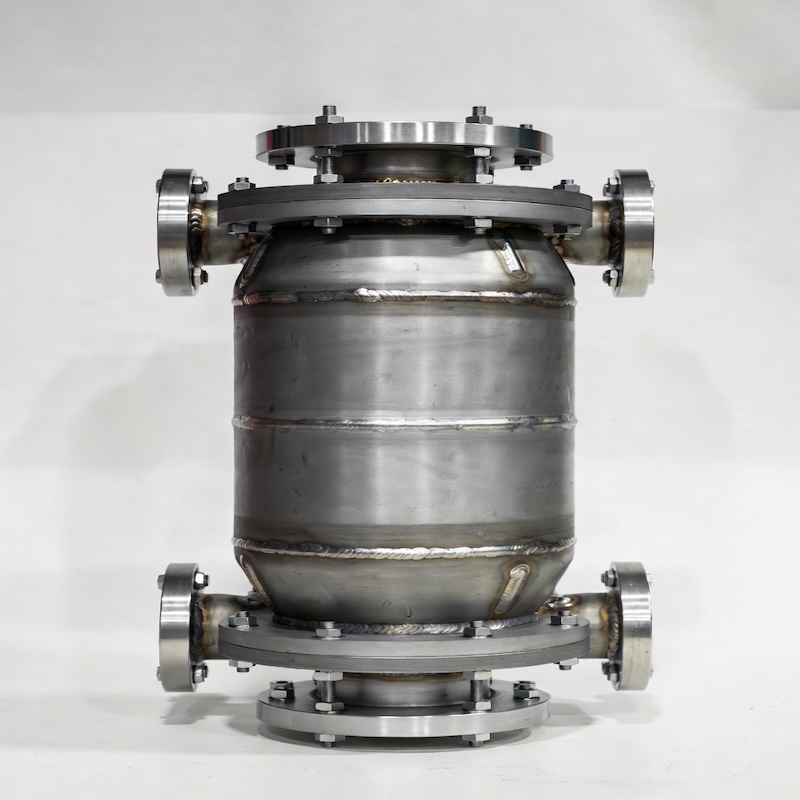
Beiyu supplies titanium shell and tube heat exchangers and related titanium heat exchanger components for seawater cooling, chemical processing, desalination, brine service, condensers and industrial heat transfer systems.
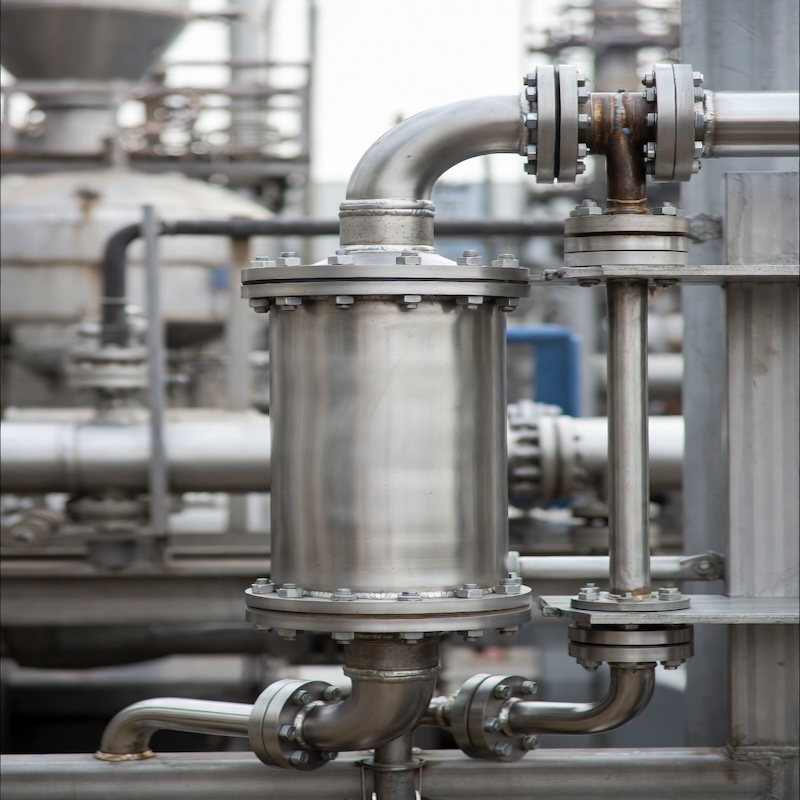
Titanium is normally selected for heat exchanger service when the process medium, chloride content or seawater exposure makes corrosion resistance a primary design concern. Material selection should be reviewed according to medium, temperature, pressure, design code, welding requirements and inspection scope.
Grade and Standards
Titanium shell and tube heat exchangers use commercially pure Grade 2 for general corrosion service and Grade 7 or Grade 12 for reducing acids and chlorides. Tubes are supplied to ASTM B338, tubesheets and plate to ASTM B265, and the unit is built to the applicable pressure-vessel code stated on the order. Confirm the medium on each side, design pressure and temperature so the grades and construction match the duty.
Material Options and Component Scope
| Common grades | Grade 2, Grade 7, Grade 12 and project-specified titanium alloys. |
|---|---|
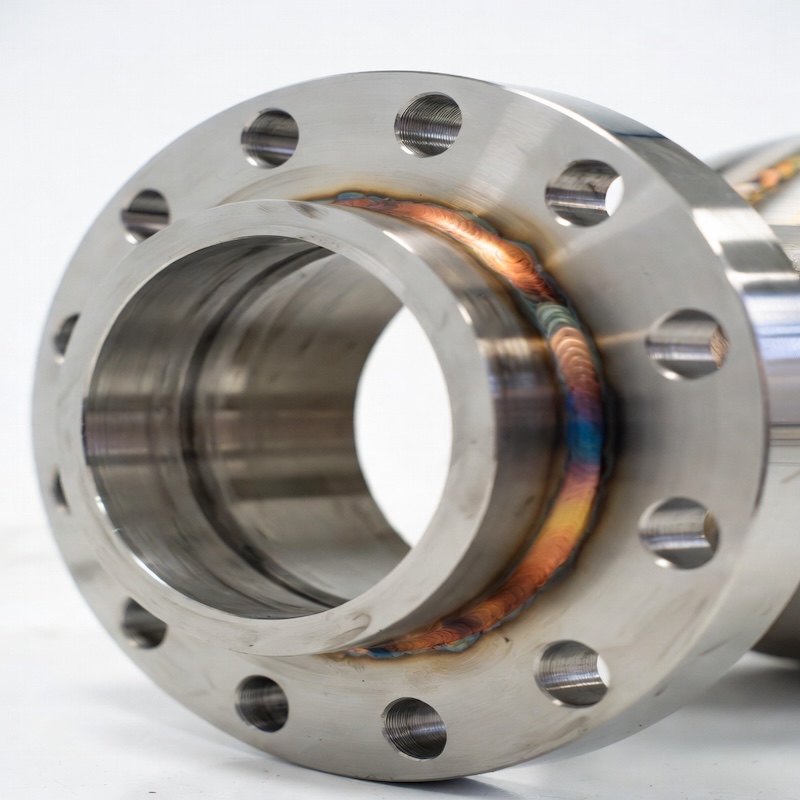
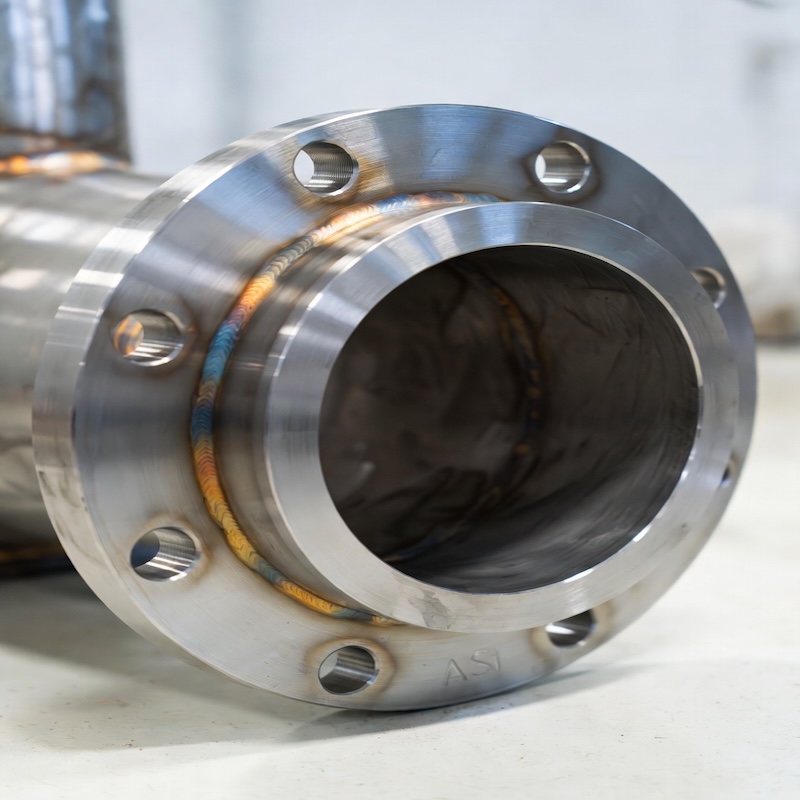
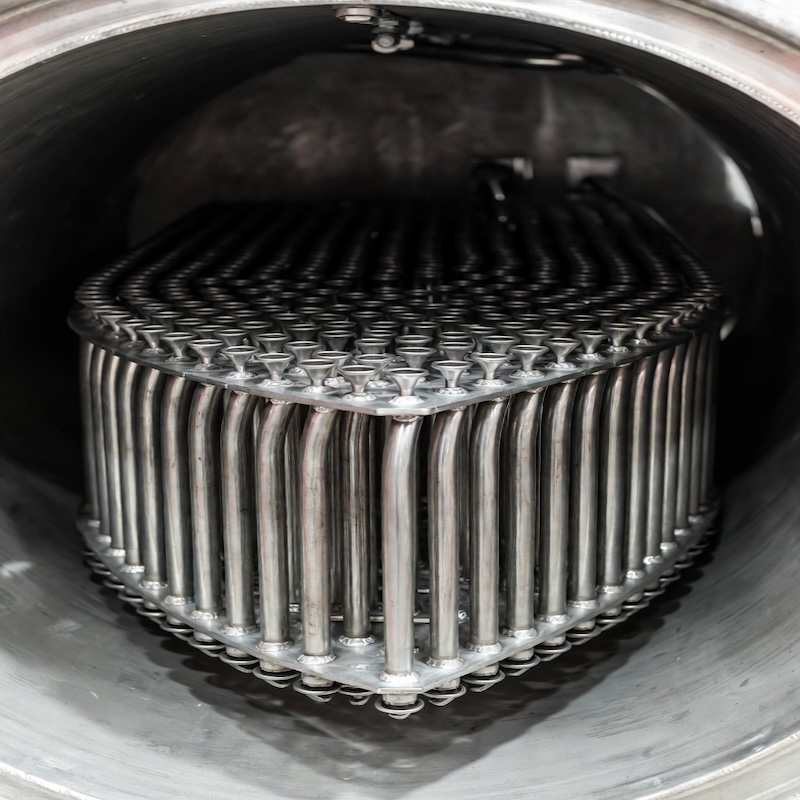
| Common components | Titanium tubes, tube sheets, baffles, nozzles, flanges, heads and tube bundle parts. |
| Equipment type | Shell and tube heat exchanger, condenser, evaporator, tube bundle or replacement component. |
| Documentation | Material certificates, heat number traceability, inspection records and pressure-related documents as specified by the buyer. |
Design Data Needed for Quotation
Heat exchanger RFQs should include process medium, operating temperature, operating pressure, design pressure, flow rate, heat transfer duty, tube OD, wall thickness, tube quantity, tube length, tube sheet material, shell material and connection standard. Drawings help confirm tube layout, nozzle orientation, baffle spacing, flange details and overall dimensions.
If the requirement is only for replacement components, the buyer should specify whether they need titanium tubes, tube sheets, baffles, nozzles, flanges, heads or machined parts. This prevents a component RFQ from being treated as a complete equipment RFQ.
Common Applications
Seawater cooling and desalination systems
Chemical processing and acid-resistant heat transfer
Brine, chloride and corrosive fluid service
Condensers, evaporators and industrial cooling equipment
Replacement titanium tube bundles and heat exchanger components
Inspection and Documentation
Buyers can request mill test certificate, EN10204 3.1 documentation, heat number traceability, chemical composition, mechanical properties and dimensional inspection. Depending on project requirements, weld inspection, hydrostatic testing, pressure testing, PMI testing, ultrasonic testing, liquid penetrant testing or third-party inspection can be specified.
Packaging and Export Information
Complete heat exchanger units, tube bundles and machined components require packing that protects tube ends, sealing faces, nozzles, flanges and machined surfaces. Smaller titanium components may be packed in wooden cases or pallets with labels by item number, material grade, drawing number and heat number where traceability is required.
RFQ Information Needed
- Complete heat exchanger or replacement component requirement
- Process medium, temperature, pressure and heat transfer data
- Titanium grade and related material standards
- Tube size, tube sheet material, flange standard and drawing
- Inspection, testing and certificate requirements
- Quantity, destination and packing requirement
FAQ
When is titanium used for shell and tube heat exchangers?
Titanium is considered when seawater, chlorides, brine or corrosive chemical media make corrosion resistance an important design requirement.
Which titanium grades are used for heat exchangers?
Grade 2 is common for general corrosion-resistant service. Grade 7 or Grade 12 may be specified for more demanding media, depending on the project requirement.
What information is needed to quote a titanium heat exchanger?
Send process medium, temperature, pressure, heat transfer data, tube size, material grade, drawings, inspection requirements and whether the RFQ is for a complete unit or replacement components.
RFQ Details for Shell and Tube Heat Exchangers
For titanium shell and tube heat exchanger enquiries, the RFQ should include heat duty, operating medium, inlet and outlet temperatures, pressure, tube grade, tube size, tube sheet grade, shell material, nozzle standard and design code where applicable. If only replacement parts are needed, specify whether the order is for titanium tubes, tube sheets, baffles, flanges, gaskets or a complete assembly so the quotation can match the actual scope.
Related Heat Exchanger RFQ Pages
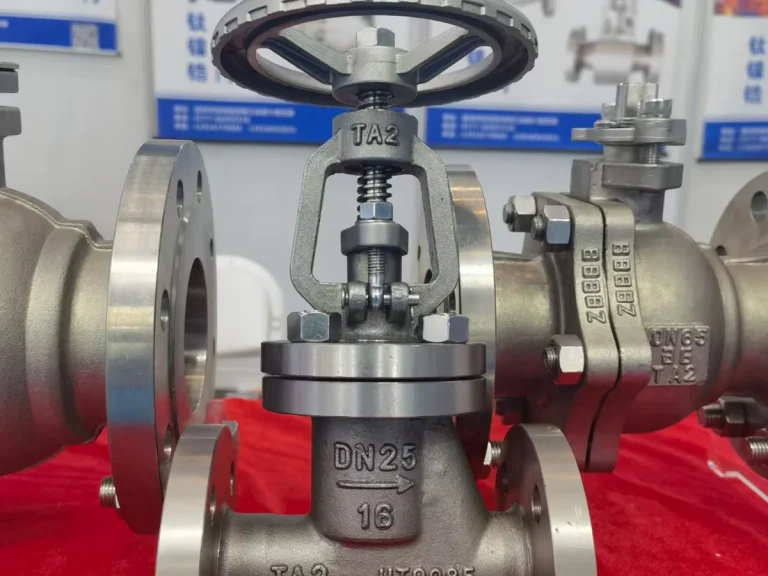
Shell and tube heat exchanger projects often require matching titanium tubes, tube sheets, flanges, pipe fittings and valves.
Compare titanium equipment products
Titanium products| Product | Material | Reference | Best for | Link |
|---|---|---|---|---|
| Titanium Shell and Tube Heat Exchanger | Grade 2 / 7 / 12 | drawing | Corrosive-media heat transfer | Current page |
| Titanium Heat Exchanger Coil | Grade 2 | drawing | Immersion and coil heat exchange | View |
| Titanium Blower | Grade 2 / Grade 7 | drawing | Corrosive gas handling | View |
| Titanium Process Pump | Grade 2 / Grade 7 | drawing | Corrosive liquid pumping | View |
Related titanium products
Chemical equipment category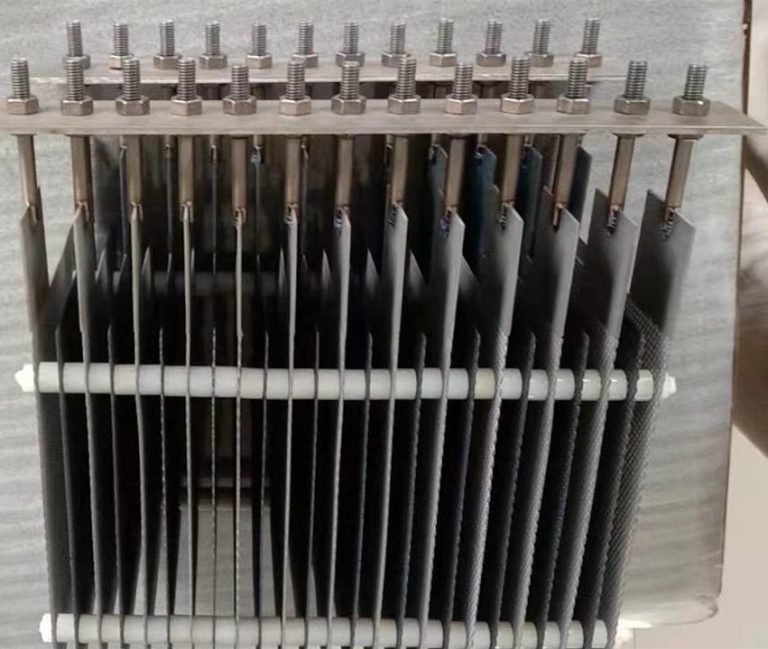
Specification detail with sources
A shell and tube unit is engineered to the process rather than picked from a size list, so what Beiyu Titanium can publish is the component envelope it is built from rather than the finished unit. The Beiyu Titanium supply ranges carry seamless titanium tube at outside diameter 5 mm to 325 mm with wall 0.5 mm to 12 mm and length to 12000 mm, welded tube at outside diameter 6.35 mm to 1219 mm with wall 0.5 mm to 25.4 mm and length to 22000 mm, and plate at 3 mm to 70 mm thick in widths to 2500 mm. Tubesheets come from one of two rows rather than one: the plate row for thinner sheets, and the forged disc row at outside diameter 50 mm to 2000 mm and thickness 20 mm to 500 mm once the sheet is thicker than plate reaches.
Reading those three rows together answers most of what a thermal designer needs before an enquiry. Tube length is the constraint that usually bites first, because the ranges above are mill lengths and a unit longer than one of them becomes a different fabrication problem rather than a longer tube. The enquiry should carry the process fluids on both sides, the design pressure and temperature, the required duty or surface area, the tube layout and pitch, and the design code the unit is to be built to, since that last field is named by the buyer and not assumed here.
For a view of who else publishes this material and what each one states, see Titanium Shell-and-Tube Heat Exchanger Manufacturers: Five Pages Compared.
Request a quote for Titanium Shell and Tube Heat Exchanger | Grade 2 / Grade 7 / Grade 12
Send drawing, grade or coating requirement, dimensions, operating data, quantity and certificate needs. Beiyu replies with quotation, lead time and documentation scope.