
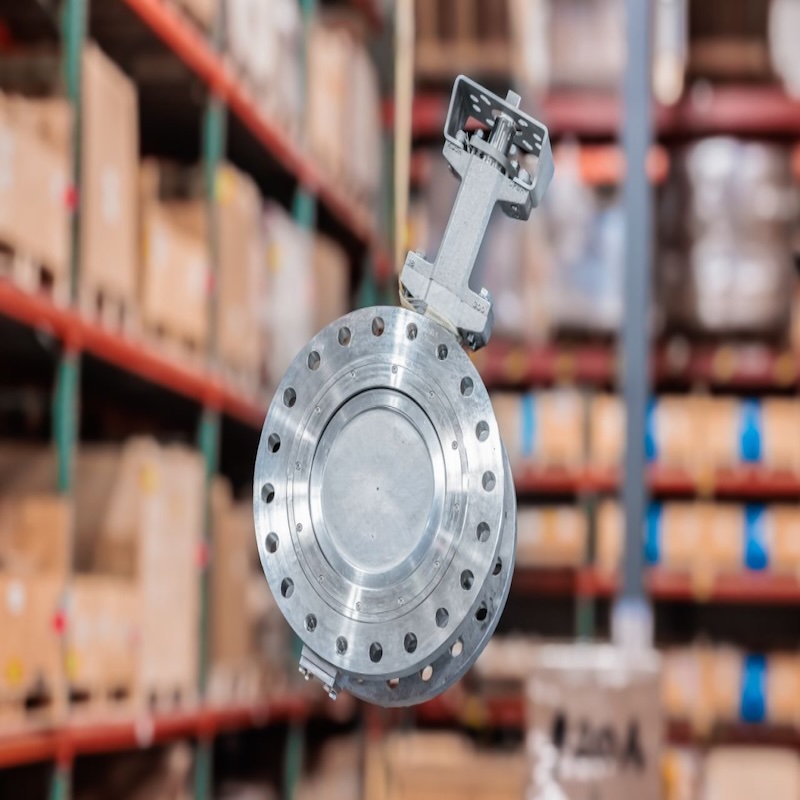
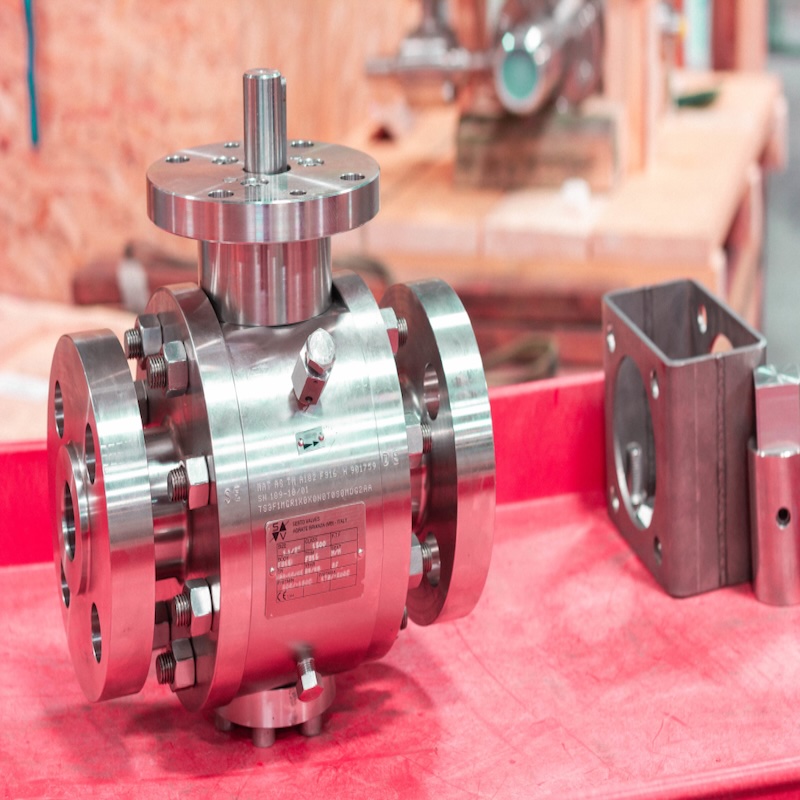

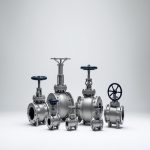


Valve type by RFQBall, gate, check or custom
Titanium gradeSelected by medium
Pressure / leak testSpecified by PO
MTC / 3.1Traceability when required
Acceptance is by the ordered specification. Final dimensions, tolerances, grade, inspection and documentation are confirmed by the drawing, purchase order and mill test certificate.
Titanium Valves for Corrosive Fluid Control
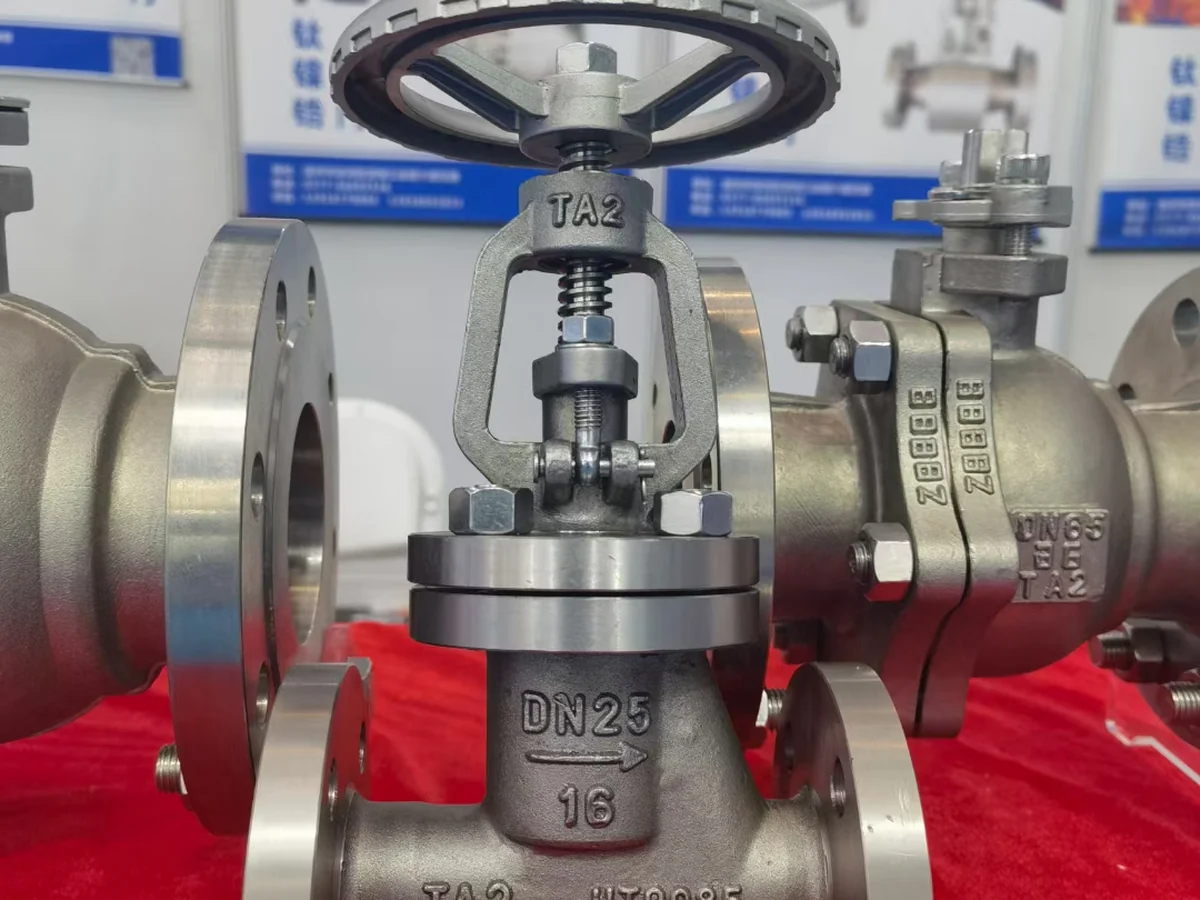
Beiyu supplies titanium valves and titanium valve components for chemical processing, seawater systems, brine service, electrochemical equipment and industrial fluid control. Titanium valves are selected when corrosion resistance and material compatibility are important for the process medium.
Valve material and sealing design should be confirmed according to medium, concentration, temperature, pressure, flow condition and applicable piping standard. Grade 2 is often used for general corrosion-resistant service, while Grade 7 or Grade 12 may be considered for more demanding chemical environments.
Valve Types and Material Options
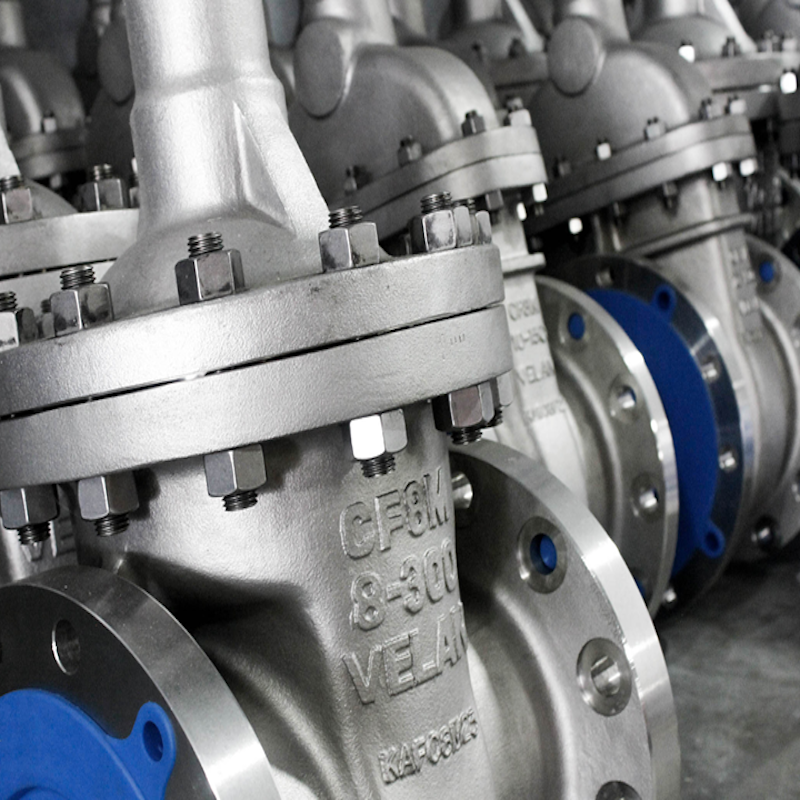
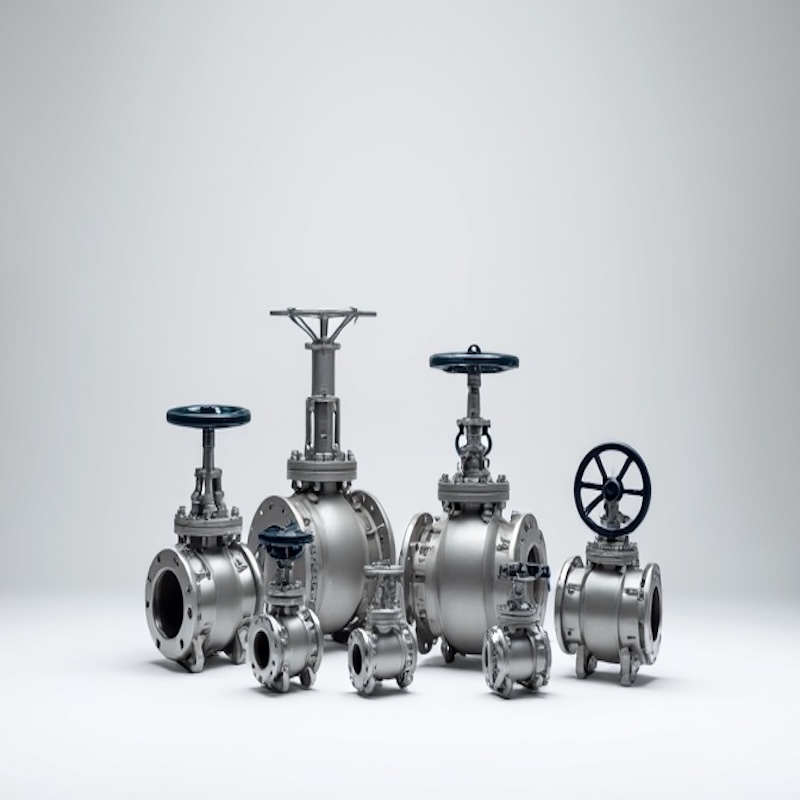
| Common valve types | Ball valve, gate valve, globe valve, butterfly valve, check valve and custom valve components. |
|---|---|
| Common titanium grades | Grade 2, Grade 7, Grade 12 and project-specified titanium materials. |
| Connection options | Flanged, threaded, welded or custom drawing-based connections. |
| Key RFQ data | Valve type, size, pressure rating, medium, temperature, connection standard and sealing material. |
Size, Pressure and Medium Requirements
RFQs should specify nominal size, pressure class, valve type, body material, trim material, sealing material, connection standard, operation method and quantity. The process medium, temperature and pressure are important because they affect grade selection, seat material and inspection requirements.
For custom valve bodies or valve components, drawings should identify machining tolerances, sealing surfaces, bolt holes, flow passages and any pressure testing requirements.
Common Applications
- Chemical processing and acid-resistant piping systems
- Seawater, brine and desalination equipment
- Electrochemical and hydrometallurgy systems
- Industrial skids and corrosion-resistant fluid lines
- Custom titanium valve bodies and machined components
Inspection and Documentation
Depending on valve type and project requirements, buyers can request material certificate, EN10204 3.1 documentation, dimensional inspection, pressure testing, sealing test, PMI testing, liquid penetrant testing or third-party inspection. Inspection scope should be defined before quotation.
Packaging and Export Information
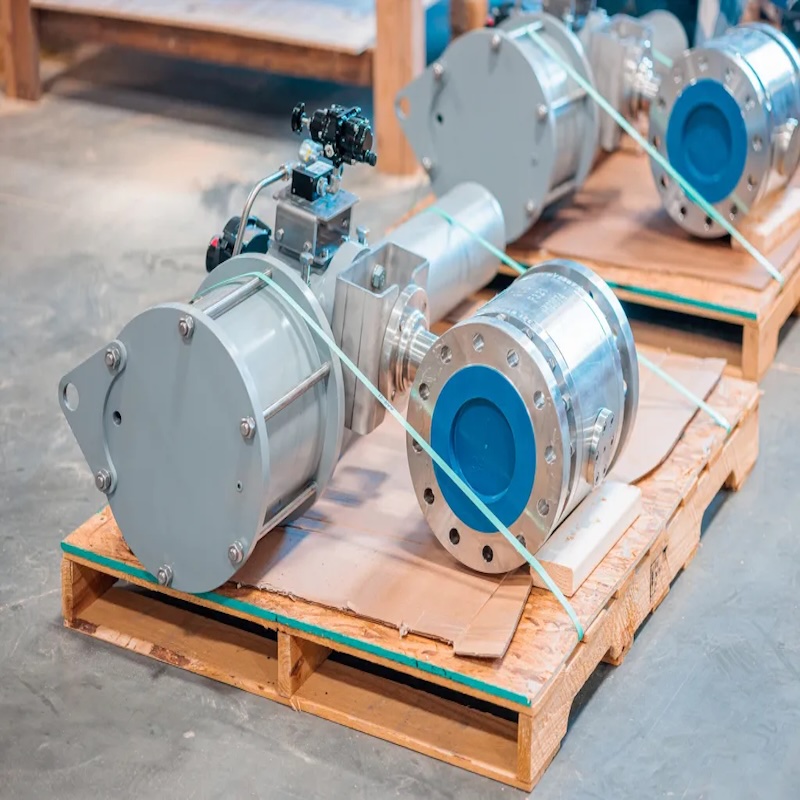
Valve sealing surfaces, flange faces and threaded ends should be protected during packing. Valves may be packed by item number, size and material grade, with protective caps and wooden cases or pallets for export shipment. Documentation should match purchase order, drawing and heat number requirements where traceability is required.
RFQ Information Needed
- Valve type and size
- Titanium grade and connection standard
- Pressure class, medium, temperature and operation method
- Sealing material and trim requirement
- Drawing for custom valve bodies or components
- Testing, certificate and third-party inspection requirements
FAQ
Which titanium grade is used for valves?
Grade selection depends on the medium and design conditions. Grade 2 is common for general corrosion-resistant service, while Grade 7 or Grade 12 may be reviewed for more demanding chemical environments.
What information is needed to quote a titanium valve?
Provide valve type, size, pressure class, connection standard, medium, temperature, grade, sealing material, operation method and inspection requirements.
Can titanium valve components be made from drawings?
Drawing-based titanium valve bodies and components can be reviewed when machining tolerances, material grade, sealing surfaces and inspection requirements are provided.
RFQ Details for Titanium Valves
For titanium valve quotations, buyers should provide valve type, nominal size, pressure class, end connection, body and trim grade, sealing material, operating medium, temperature, actuation requirement and drawing or datasheet. Chemical and seawater service orders should also define whether wetted parts require Grade 2, Grade 7, Grade 12 or another titanium alloy, and whether PMI, pressure testing, seat testing or EN10204 3.1 documentation is required before shipment.
Related Piping RFQ Pages
Titanium valve RFQs may require matching pipe, fittings, flanges or heat exchanger connections in the same material package.
Common applications
Review fabrication and machining support22
Ti
Titanium
Chemical plant valve replacementConfirm medium, temperature, drawing tolerance, inspection and documentation scope before quotation.Seawater cooling systemsConfirm medium, temperature, drawing tolerance, inspection and documentation scope before quotation.Chloride and brine serviceConfirm medium, temperature, drawing tolerance, inspection and documentation scope before quotation.Custom titanium valve assembliesConfirm medium, temperature, drawing tolerance, inspection and documentation scope before quotation.
Compare related titanium components
Pump and valve categoryProduct
Material
Reference
RFQ focus
Titanium Shell and Tube Heat Exchanger
Gr2 / Gr7 / Gr12
Drawing
Complete heat exchanger units
>
Titanium Heat Exchanger Coil
Gr2 / Gr7 / Gr12
ASTM B338 / B861
Coiled tube heat transfer
>
Titanium Blower
Gr2 / Gr7
Drawing
Corrosive gas handling
>
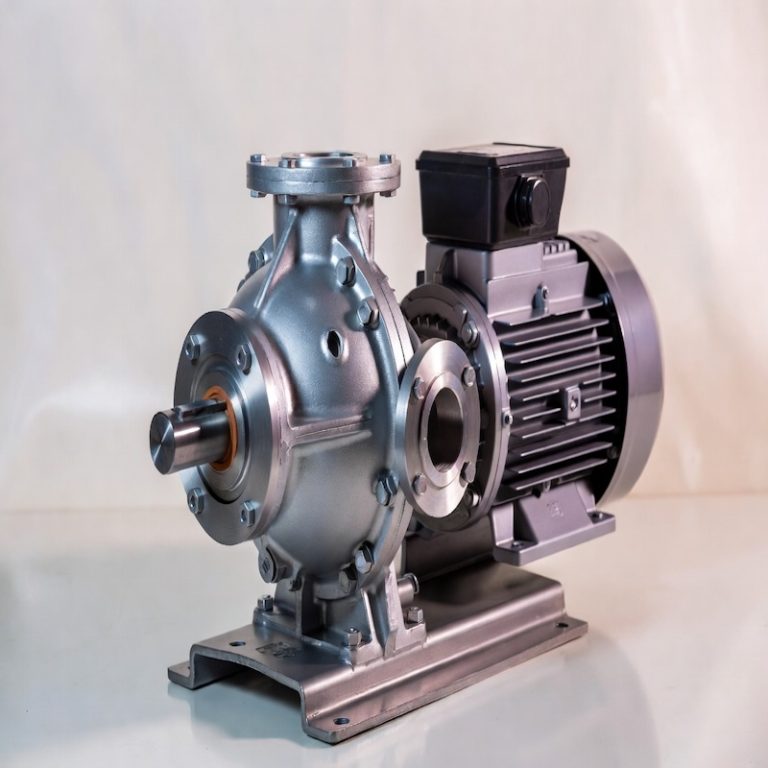
Titanium Pump
Gr2 / Gr7 / Gr12
Project spec
Corrosive liquid transfer
>
Titanium Valve
Grade by medium
Project spec
Chemical and seawater valves
Titanium Ball Valve
Grade by medium
Project spec
Valve replacement projects
>
Grade 2 Titanium Tube Sheet
Grade 2
Drawing
Heat exchanger tube plate
>
Related RFQ pages
Pump and valve category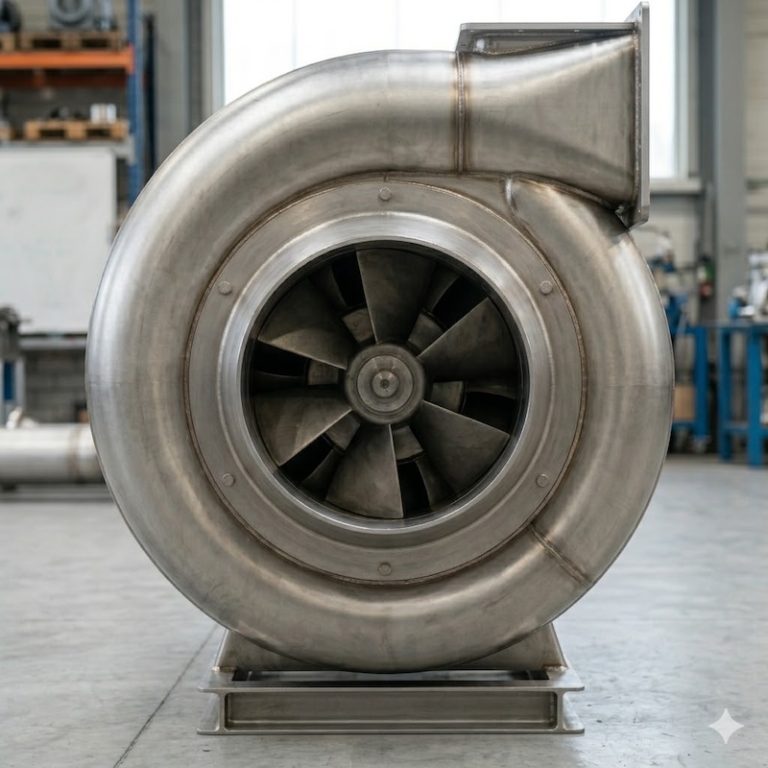
Specification detail with sources
Valve bodies and internals start as forgings, and the forging envelope is the part Beiyu Titanium publishes. The Beiyu Titanium supply ranges carry forged round bar at Ø50 mm to 500 mm, forged ring at outside diameter 50 mm to 2000 mm with bore 10 mm to 900 mm, forged disc at outside diameter 50 mm to 2000 mm and thickness 20 mm to 500 mm, and block at 50 mm to 600 mm, all quoted against ASTM B381 and its ASME adoption SB381.
Those four rows map onto different valve parts rather than onto a valve size, which is why a valve enquiry that starts from a DN number still has to say what each part is. Beyond the forgings, the fields that decide a titanium valve are the pressure class, the end connection and its facing, the seat and seal materials, the operating temperature and the medium, and the design and testing standard the valve is to be tested to. The material grade travels with its UNS designation as it does on any mill order.
Request a quote for Titanium Valve | Corrosion-Resistant Valves for Chemical and Seawater Service
Send grade, drawing or standard, dimensions, quantity, inspection scope and delivery destination. Beiyu replies with quotation, lead time and documentation scope.