
Product Details
Titanium Clad Plates
Review grade, standard, size, surface, inspection and packing details before quotation.
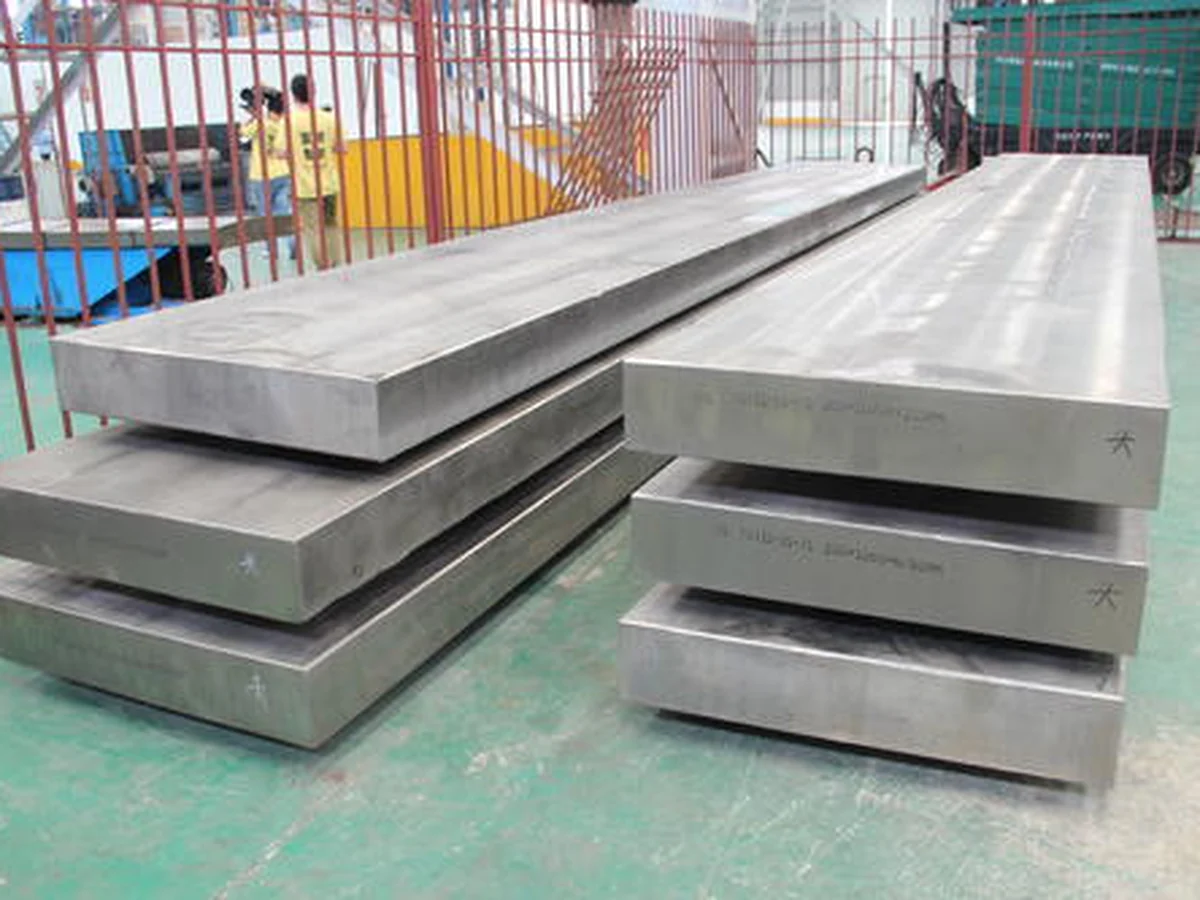
Titanium Clad Plates
Titanium clad plates for chemical equipment, pressure-vessel parts and corrosion-resistant fabrication. RFQs should specify base metal, titanium cladding grade and thickness, total thickness, plate size, cladding method, bond testing and documentation requirements.
- DocumentsMTC and EN 10204 3.1 on request
- TraceabilityHeat number and inspection scope confirmed
- RFQ detailsGrade, standard, size, tolerance, quantity
- PackingExport protection by product form and length
Product Introduction
Titanium clad plate / project bonding specificationApplicable standard or RFQ reference
Base metal, titanium grade, clad thickness, plate size and inspection scopeCore information needed for quotation
Total thickness, clad layer, width, length, flatness and cutting allowanceDimensional review before production
MTC / EN 10204 3.1Traceability documents when required
Acceptance is by the ordered specification. Final grade, chemistry, dimensions, inspection and documentation are confirmed by the purchase specification and mill test certificate.
Titanium Clad Plates for Corrosion-Service Equipment
Titanium clad plates combine a titanium corrosion-resistant layer with a backing metal selected by the project design. They are used when the process side requires titanium while the backing plate provides structural thickness, fabrication support or cost control. The final product should be specified by drawing, base metal, cladding metal, total thickness, clad thickness and inspection requirement.
Common applications include pressure vessel parts, tube sheets, heads, reactor components, evaporator plates, heat exchanger parts and corrosion lining plates for chemical equipment. The cladding method, bond quality and welding plan should be reviewed before quotation.
RFQ Specification Table
| Product form | Titanium clad plate, titanium-steel clad plate, titanium-copper clad plate or other specified metal combination. |
|---|---|
| Material grades | Titanium Grade 1, Grade 2, Grade 7, Grade 12 or project-specified grade, plus backing metal grade. |
| Dimensions | Total thickness, titanium layer thickness, width, length, flatness, cutting allowance and edge condition. |
| Inspection | Bonding inspection, dimensional inspection, surface inspection, PMI or ultrasonic testing when required by the purchase specification. |
| Documents | Mill test certificate, EN 10204 3.1 inspection certificate, heat traceability and packing photos when specified. |
Buyer Notes
The same nominal clad plate can have very different acceptance requirements depending on the vessel code, corrosion medium, welding plan and downstream forming process. RFQs should state whether the plate will be used for a flat liner, rolled shell section, tube sheet, head, transition plate or machined part.
FAQ
Which titanium grade should be selected for clad plate?
Grade 2 is common for general corrosion service, while Grade 7 or Grade 12 may be considered when the corrosion environment or drawing requires it. Final grade selection should follow the project specification.
What should be included in a titanium clad plate RFQ?
Include base metal grade, titanium grade, total thickness, clad thickness, plate size, drawing, bond testing requirement, surface condition, quantity and certificate requirement.
Common applications
Review export and fabrication support22
Ti
Titanium
47.867 u
4.51 g/cm3
Titanium clad plate / project bonding specification
4.51 g/cm3
Titanium clad plate / project bonding specification
Pressure vessel corrosion liningConfirm grade, size, tolerance, surface, inspection and certificate scope before quotation.Tube sheet and transition plate workConfirm grade, size, tolerance, surface, inspection and certificate scope before quotation.Chemical equipment claddingConfirm grade, size, tolerance, surface, inspection and certificate scope before quotation.Explosion-bonded plate procurementConfirm grade, size, tolerance, surface, inspection and certificate scope before quotation.
How the two layers add up to what you order
The specification table above asks for total thickness and layer thickness as separate entries, and that is the part worth getting right before an enquiry goes out. A clad plate is not one thickness. It is two, and the total is what they come to, so the same total can be reached from combinations that are not interchangeable in service or in price.
| Field | Range supplied |
|---|---|
| Layer thicknesses | 1 mm to 30 mm and 7 mm to 300 mm, stated per layer |
| Width | Under 5000 mm |
| Length | Under 15000 mm |
| Surface as delivered | Machined bright |
| Delivery condition | R or M |
State which layer each thickness belongs to. The corrosion side and the load bearing side are sized by different rules, one by the medium and one by the design code, and neither can be derived from the total.
The joining route belongs on the enquiry as well. Explosive cladding and hot extrusion are both used. Naming the route, or leaving it to review, changes what can be quoted. The work is covered by ASTM B898 with its ASME adoption SB-898.
Bond acceptance is a third line again, separate from either thickness: state whether ultrasonic, shear or bend testing is required and to what coverage, since the bond is verified by testing rather than by measurement. The table is the Beiyu Titanium production range for clad plate. Anything beyond it starts from the drawing rather than from this page.
Compare related titanium products
Clad TitaniumProduct
Reference
RFQ focus
Titanium Clad Plates
Project bonding spec
Corrosion lining plate
Titanium Clad Steel Plates
Steel-backed Ti plate
Large equipment plate
>
Titanium Clad Copper Bar
Conductive composite
Busbar and connector work
>
Titanium Cathode Plate
Grade 1 / 2
Electrochemical plate
>
Related RFQ pages
Clad TitaniumSpecification detail with sources
Clad plate is made to the buyer's requirement rather than to a stock size, so Beiyu Titanium publishes no thickness range for it. Each order sets its own two thicknesses, one for the corrosion resistant layer and one for the backing that carries the load, and those two are chosen from the service conditions and the design code rather than picked from a catalogue. A single overall plate thickness does not describe a clad plate, because it does not say how the thickness is divided.
The production route is explosive cladding with hot extrusion, and the surface is supplied machined bright. What an enquiry needs to carry is the material pair, the thickness wanted for each layer, the finished plate dimensions, the bond testing required, and the product specification the certificate is to report against. Beiyu Titanium reviews those together, and a clad plate enquiry that gives only an overall size and a material name is not yet a quotable item.
A supplier comparison for this family, built from one search on one day and read from each company's own site, is at Titanium Clad Plate Suppliers: Five Company Pages Compared.
Request a quote for Titanium Clad Plates
Send grade, standard, size, condition, quantity and certificate requirements. Beiyu replies with quotation, lead time and documentation scope.