
MMO / PtCoating type by process
Gr1 / Gr2Common titanium substrate grades
DrawingShape and terminal required
InspectionDimensional and coating checks by PO
Acceptance is by the ordered specification. Values and coating notes are RFQ references only. Final chemistry, coating, dimensional inspection and documentation are confirmed by the purchase specification and mill or coating records.
Titanium Electrodes for Electrochemical Equipment
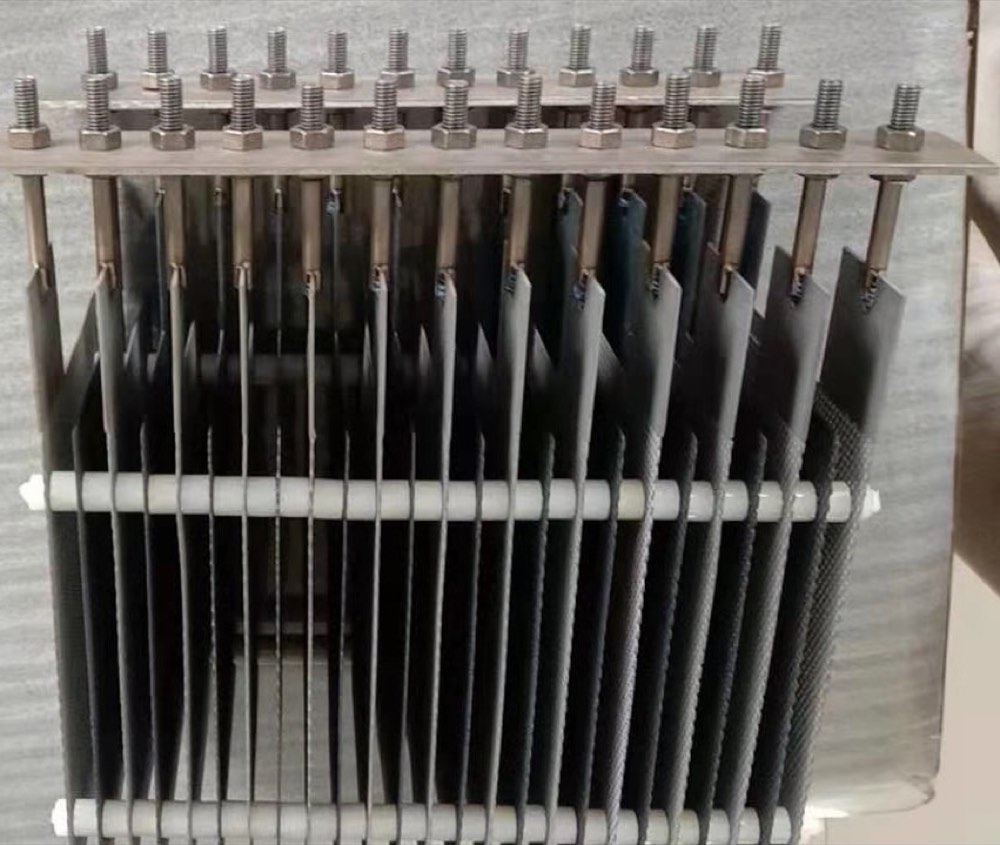
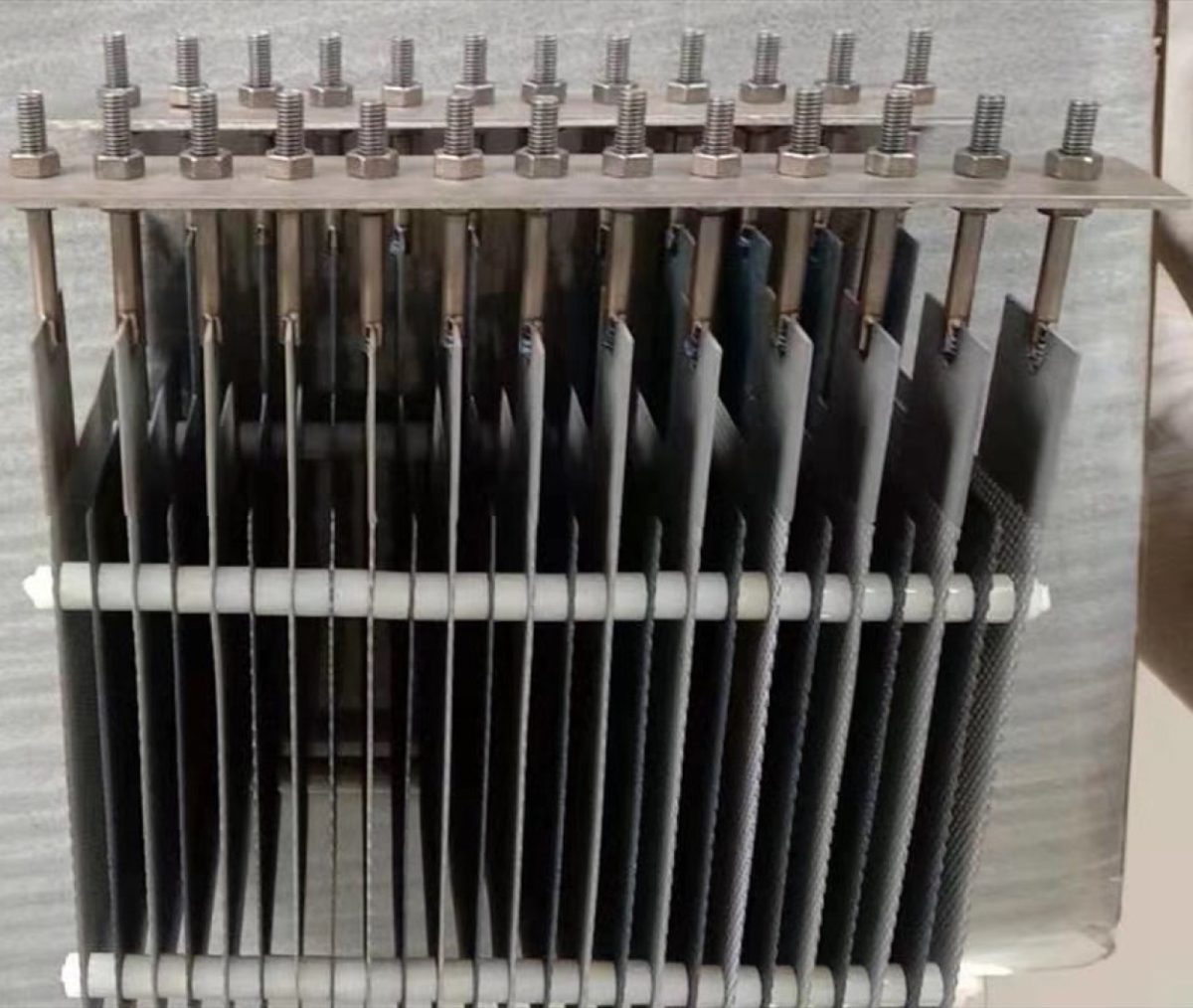
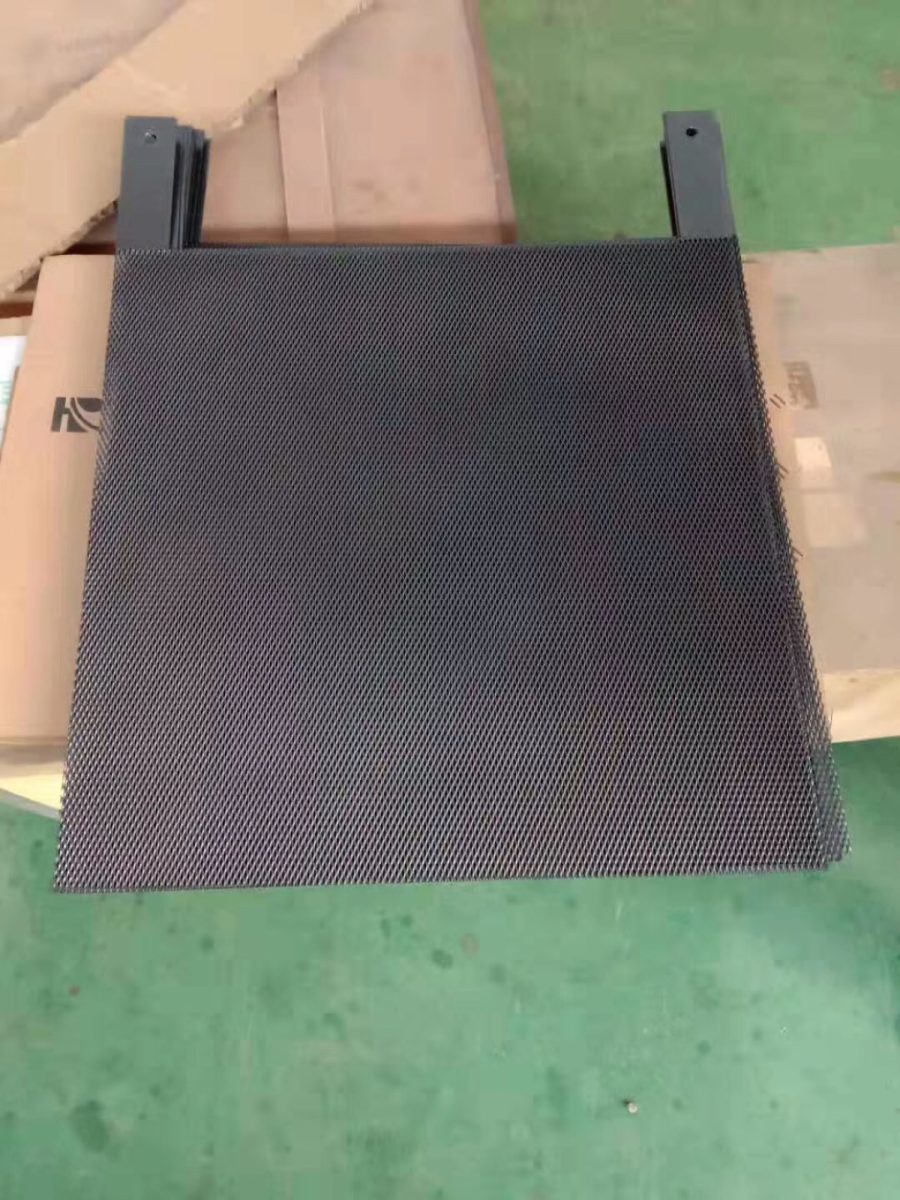
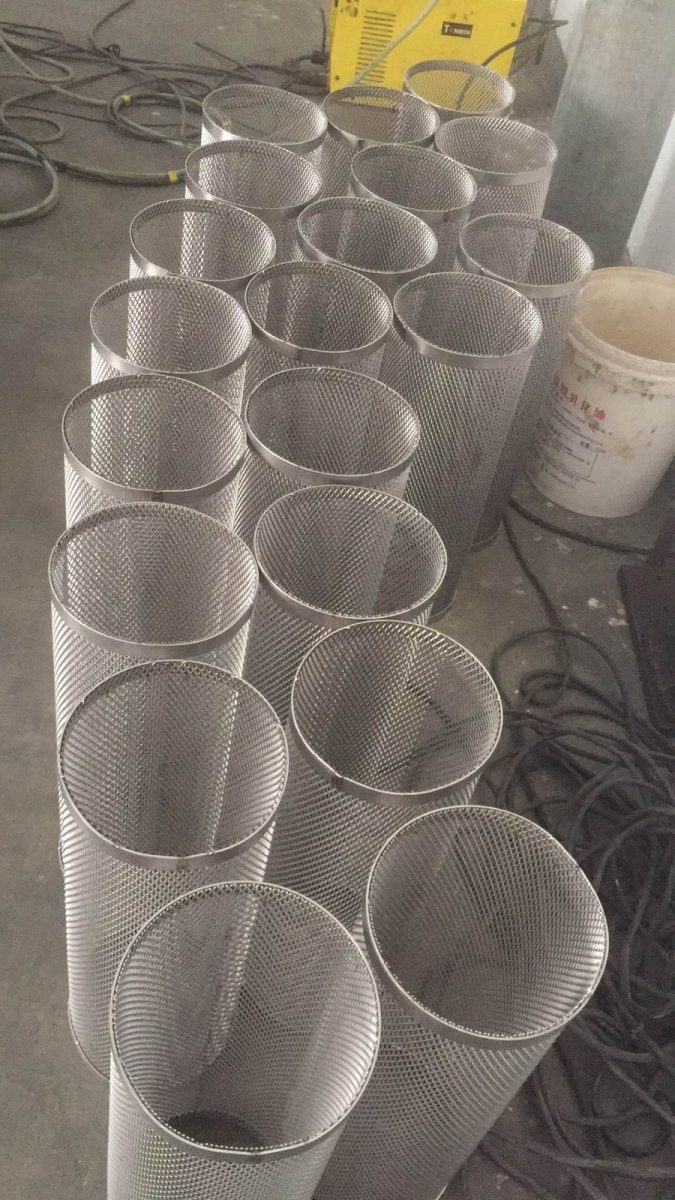
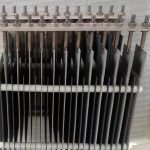
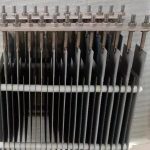
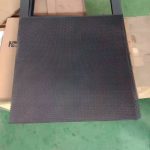
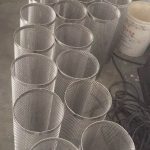
Titanium electrodes are used where the metal substrate must resist corrosion while carrying an active coating for electrochemical reaction. Beiyu supplies drawing-based titanium electrode parts for water treatment, electrolysis, chemical processing and related industrial equipment. Common substrate forms include titanium sheet, mesh, plate, bar, tube and fabricated assemblies.
The correct electrode specification depends on the electrolyte, operating temperature, current density, required coating type and service life expectation. For quotation, buyers should provide a drawing or sketch, substrate grade, active area, coating requirement, connection detail and inspection or documentation requirements.
Grade and Standards
- Common substrate: commercially pure titanium Grade 1 or Grade 2, selected according to forming, welding and corrosion requirements.
- Forms: sheet, expanded mesh, plate, bar, rod, tube, pipe and fabricated assemblies.
- Surface preparation: cleaning, pickling, blasting or other pretreatment may be specified before coating.
Size, Tolerance and Surface
Titanium electrodes should be quoted by drawing, substrate form, active area, coating boundary, terminal layout, hole position, thickness or diameter, straightness or flatness requirement, and surface preparation before coating.
Coating Options
Typical coating systems include ruthenium-iridium, iridium-tantalum and platinum-based coatings. The coating should be selected according to whether the application is chlorine evolution, oxygen evolution, electro-oxidation or another electrochemical process. If the coating system is already specified by the equipment designer, include it directly in the RFQ.
Common Applications
Water treatment and disinfection equipment
Electrolytic cells and electrochemical reactors
Chlorine evolution and oxygen evolution applications
Electroplating, electrowinning and metal recovery equipment
Custom titanium anode assemblies for OEM equipment
Inspection and Documentation
Electrode orders can be quoted with dimensional inspection, visual coating review, substrate material certificate and packing documentation. For critical orders, specify whether additional inspection, coating thickness information, electrical contact checks or third-party inspection is required before shipment.
Packaging and Export Information
Titanium electrodes are packed to protect the coated surface from abrasion during export transportation. Small parts can be separated with protective wrapping, while larger assemblies may require wooden cases or custom supports. Please include quantity, target delivery schedule and destination port when requesting a quotation.
RFQ Information Needed
- Substrate grade and form
- Drawing, active area and connection detail
- Coating type and application medium
- Operating current density, temperature and service conditions if available
- Required documents, inspection scope and packing requirement
FAQ
Can Beiyu quote custom titanium electrodes from drawings?
Yes. Send the drawing, coating requirement and operating medium so the substrate form and quotation scope can be checked.
Which coating should be used?
The coating depends on the electrochemical reaction and electrolyte. Ruthenium-iridium, iridium-tantalum and platinum-based coatings are common options, but the final selection should follow the process requirement.
What should be included in an RFQ?
Include grade, substrate form, active area, coating type, drawing, quantity, inspection requirement and required documents.
Procurement Review for Coated Titanium Electrodes
Coated titanium electrodes should be reviewed against the electrochemical duty before production. The same substrate shape can perform very differently depending on electrolyte, current density, polarity, cleaning cycle and coating selection. For chlorine evolution, oxygen evolution, electro-oxidation or metal recovery applications, the buyer should provide the process medium and operating parameters instead of requesting only a general titanium electrode.
For replacement electrodes, include photos of the existing part, drawing dimensions, connection detail, coating type if known and any failure mode observed in service. For new equipment, include the cell layout, active area, required life target if specified by the designer and documentation requirements. This helps confirm whether sheet, mesh, tube, rod or a fabricated electrode assembly is the correct supply form.
Packing and Handling Notes
Coated surfaces must be protected during transport. Beiyu can pack titanium electrodes with separators, wrapping and rigid support to reduce contact damage. Labels can identify part number, coating type, substrate grade and quantity when the order contains multiple electrode designs.
Specification detail with sources
Electrode is a function rather than a product form, and the order has to say which form is meant before anything else can be quoted. Plate, mesh, expanded sheet, rod and tube all serve as electrodes and are made, certified and priced as different products. Two enquiries for the same duty and the same active area can therefore describe two entirely different purchases, and the difference is a line the buyer already knows and the supplier cannot guess.
Once the form is named, the acceptance runs on the specification for that form. Unalloyed titanium is separated by interstitial content, and in the bar and billet specification ASTM B348 the step from Grade 1 to Grade 2 is oxygen moving from 0.18 to 0.25 percent maximum (ASTM B348, chemical requirements). That specification governs bar and billet, so it is the acceptance basis only where the electrode is supplied as rod. Sheet has its own product specification, and mesh or expanded material is normally accepted against the drawing rather than against a product standard of its own. The methods behind the figures are named in the same specification: ASTM E1409 for oxygen and nitrogen, ASTM E1447 for hydrogen and ASTM E1941 for carbon, with rounding to ASTM E29 before a value is compared to a limit (ASTM B348, referenced documents and test methods). Beiyu Titanium issues an EN 10204 3.1 mill test certificate with heat number traceability for electrode material, its reporting scope set by the order.
The electrode form is an order line, not a detail
Electrode is a function, and the same duty is served by very different shapes depending on how the cell is built. The form decides the active area for a given footprint, how the electrolyte moves past the surface and how the current is brought in, so it is settled with the duty rather than after it.
| Form | What it is normally chosen for |
|---|---|
| Plate and sheet | Flat cells where the gap between electrodes is fixed and the area is set by the footprint |
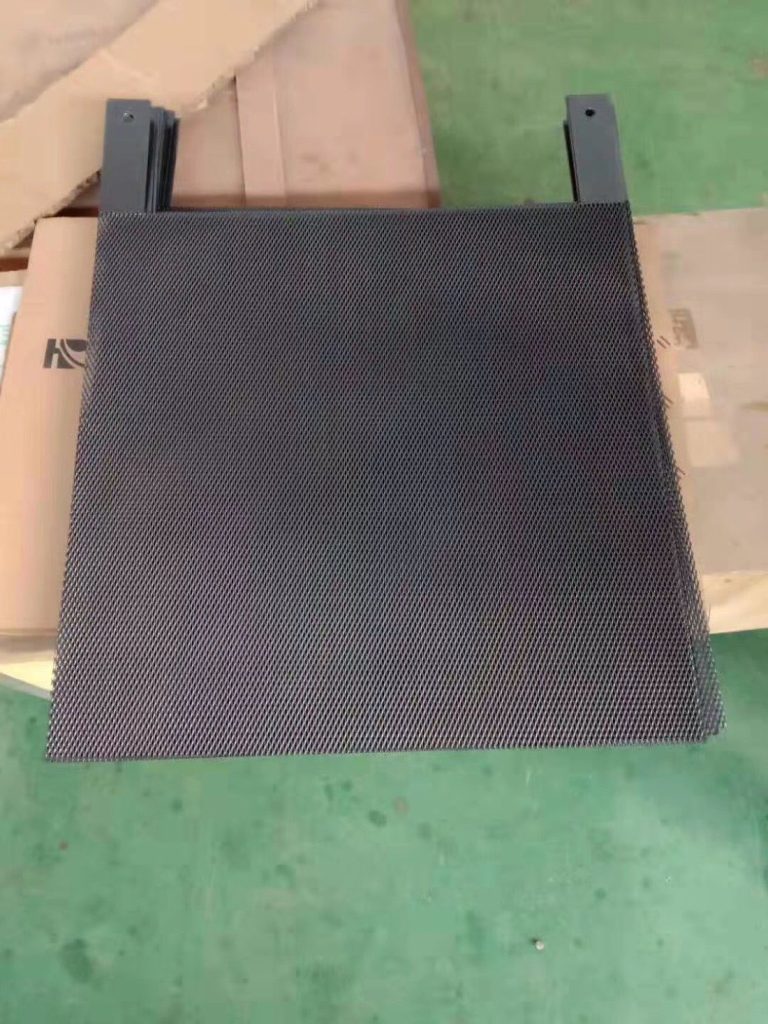
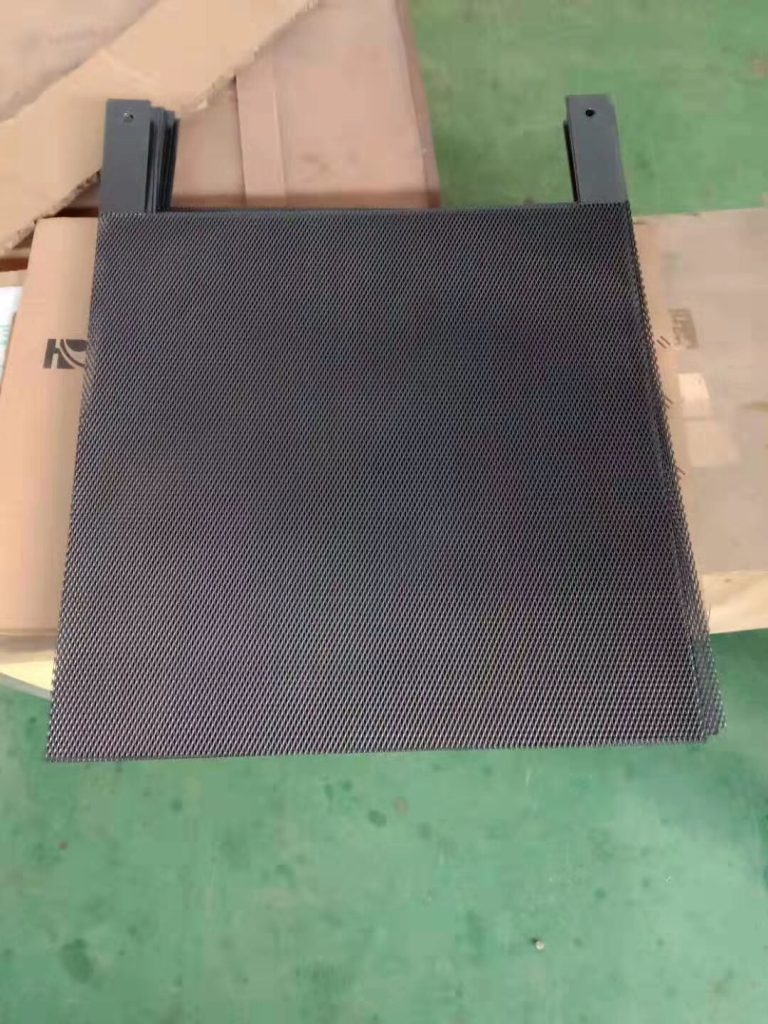
| Mesh and expanded | Gas and electrolyte can pass through the surface rather than having to travel around it |
| Rod and tube | Insertion into pipework or vessels, and cells built around a central electrode |
| Wire and strip | Distributed anodes such as cathodic protection strings |
| Ring and basket | Plating lines and cells where the anode surrounds or contains the work |
Beiyu Titanium supplies electrodes in plate, rod, sheet, wire, mesh, tube, ring, strip and basket forms. The coating is quoted separately from the form, so the enquiry needs both: the duty that fixes the coating family, and the shape with its dimensions and connection arrangement.
Two records arrive with a coated electrode and they answer different questions. The titanium is certified to EN 10204 3.1 with heat number traceability and a reporting scope set by the order; the coating is described by its process, because no titanium product specification covers it.
Compare titanium anode products
Titanium anode category| Product | Material | Reference | Best for | Link |
|---|---|---|---|---|
| MMO Coated Titanium Anodes | Grade 1 / Grade 2 titanium substrate | Coating specification | General MMO anode requirements | View |
| Ru-Ir Titanium Anodes | Ru-Ir MMO coating | Drawing specification | Chlorine evolution and NaClO systems | View |
| Platinum Plated Titanium Anode | Pt plated titanium | Drawing specification | Electrochemical and water-treatment cells | View |
| Sodium Hypochlorite Anode Group | MMO titanium assembly | Cell drawing | NaClO generator replacement groups | View |
| Titanium Electrodes | MMO / Pt coating | Drawing specification | Custom electrode assemblies | Current page |
Related titanium products
Titanium anode category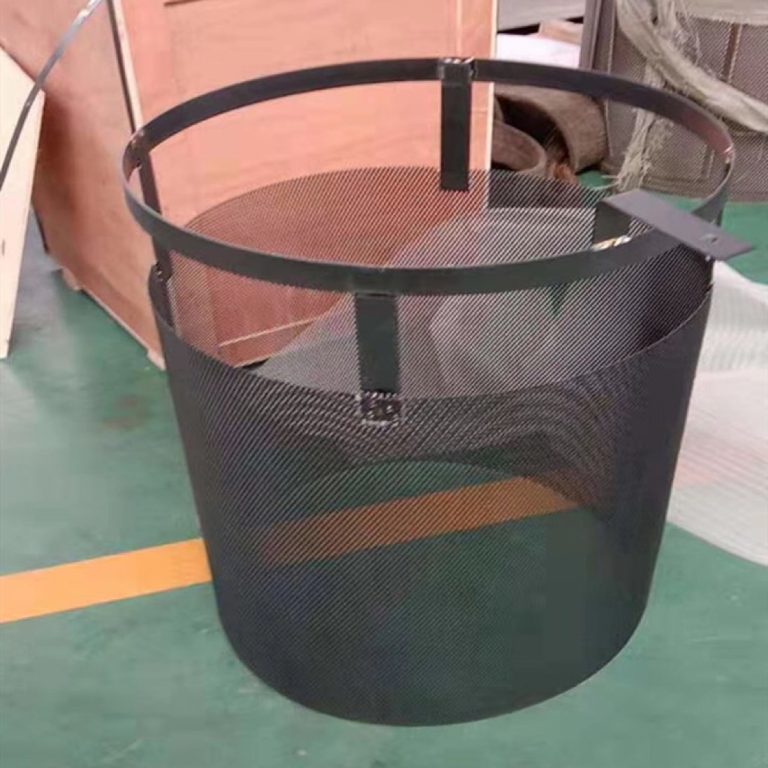
Request a quote for Titanium Electrodes | MMO Coated Titanium Anode Parts
Send drawing, grade or coating requirement, dimensions, operating data, quantity and certificate needs. Beiyu replies with quotation, lead time and documentation scope.