
19.25 g/cm3Typical tungsten density
3410 CMelting point reference
Pure WBar/rod by drawing and purchase specification
ASTM B777High-density alloy only when specified
Acceptance is by the ordered specification. Values are RFQ references only. Final composition, dimensions, condition, inspection and documentation are confirmed in the quotation and purchase order.
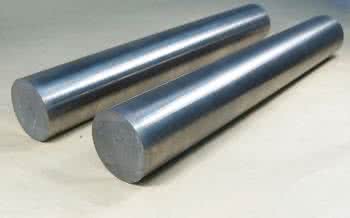
Tungsten (W) has the highest melting point of any metal (3,410 °C) and a very high density (19.25 g/cm³). Tungsten bar and rod are used where high-temperature capability, density or stiffness is required.
Grades and standards
| Grade | Type | Standard |
|---|---|---|
| Pure tungsten (chemistry by RFQ) | Powder-metallurgy, sintered & worked bar/rod | Drawing and purchase specification; ASTM B760 applies to plate, sheet and foil, not bar/rod |
| Tungsten-base high-density alloy (W-Ni-Fe / W-Ni-Cu) | Composition and class by RFQ | ASTM B777 when ordered |
Pure-W bar/rod and ASTM B777 high-density alloy are separate procurement routes. Composition, condition, dimensions, inspection and documentation are confirmed in the quotation and purchase order.
Typical size range
- Diameter: 1.6 mm to 70 mm
- Length: cut to drawing
- Surface: black/sintered, ground or cleaned
Applications
High-temperature furnace parts and supports
Electrodes and electrical contacts
Radiation shielding and collimators (medical / industrial)
Balance weights, counterweights and high-density inserts
Service notes
Pure tungsten is hard and brittle at room temperature and machines by grinding/EDM. Like molybdenum it oxidises in air at high temperature, so elevated-temperature service is in vacuum or inert atmosphere. Tungsten heavy alloy is far more machinable for non-furnace duties.
RFQ information needed
Send grade (pure W or heavy alloy), diameter, length, condition, quantity and documents with your RFQ.
FAQ
Why is tungsten so heavy?
Its density (19.25 g/cm³) is nearly that of gold, which is why it is used for compact counterweights and radiation shielding.
Can you machine pure tungsten?
Machining route depends on material condition, geometry and tolerance; grinding or EDM may be considered. For many machined high-density parts, an ASTM B777 alloy route can be evaluated instead.
Inspection, documentation and packing
Inspection records, MTC or COC, heat/lot marking and export packing are supplied only when included in the quotation and purchase order; scope depends on the ordered pure-W or ASTM B777 alloy route.
Related products and alternatives
For a lighter, more machinable high-temperature metal, compare molybdenum bar and rod; see molybdenum vs tungsten. For machinable high-density parts, specify tungsten heavy alloy.
The field that separates two tungsten quotations
Tungsten bar of the same purity and the same diameter can arrive as two noticeably different products, and the reason is the route rather than the metal. Pressed and sintered stock, and stock that has been worked after sintering, differ in density, in how they machine and in what surface they can hold. Neither is wrong. What is wrong is an order that does not say which one, because the supplier then chooses, and two quotations become impossible to compare.
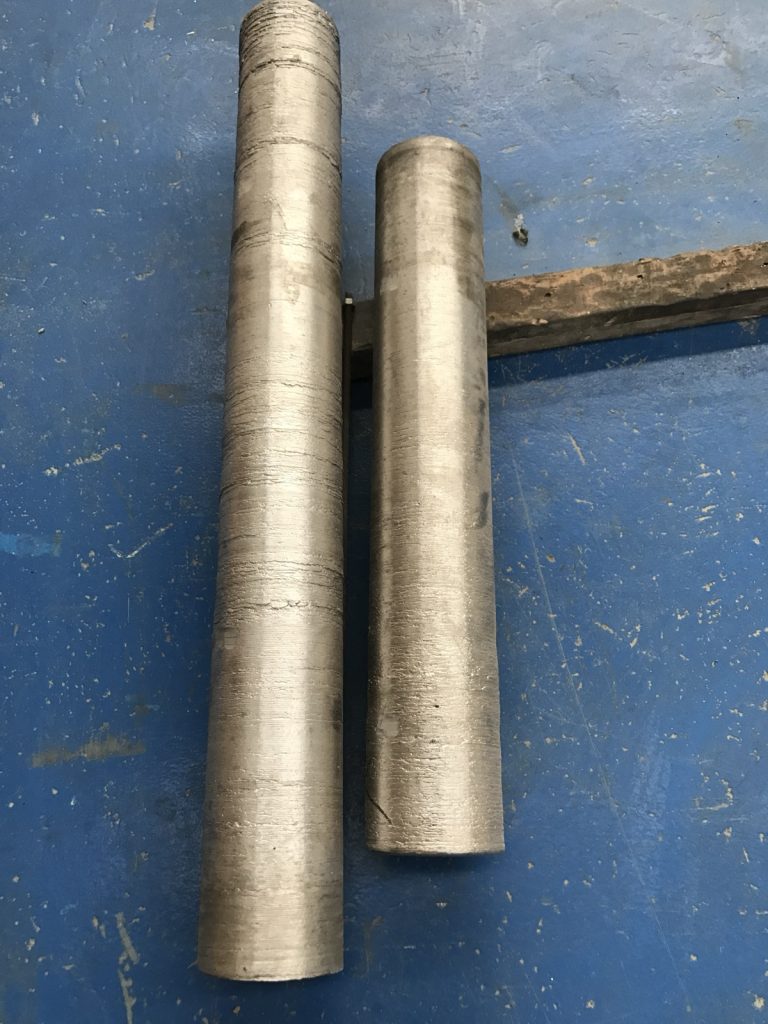
The surface is the second field, and it is separate from the route. As-sintered, swaged, ground and cleaned are different delivered states, and a drawing tolerance that assumes a ground bar cannot be met by one that is not. Six lines close it: the grade with its purity basis, the manufacturing route, the diameter or section with tolerance, the length, the surface state and the inspection scope. On small refractory orders those six are worth more than any amount of discussion about the material itself, and Beiyu Titanium reviews them before quoting.
Compare refractory metal products
Refractory metals categoryProduct
Material
Reference
Best for
Niobium Pipe and Tube
Nb1 / Nb1Zr
ASTM B394
Tube and pipe RFQs
>
Niobium Bar and Sheet
Nb1 / Nb1Zr
ASTM B392 / B393
Bar, sheet and machined blanks
>
Tantalum Pipe and Tube
Ta / Ta alloy
ASTM B521
Acid-resistant pipe and tube
>
Tantalum Plate and Sheet
Ta / Ta alloy
ASTM B708
Plate, sheet and lining parts
>
Molybdenum Bar and Rod
Mo / TZM
ASTM B387
High-temperature rods and parts
>
Tungsten Bar and Rod
W / heavy alloy
Pure W by drawing / ASTM B777 heavy alloy
High-density and high-temperature parts
Zirconium Bar and Wire
Zr702 / Zr705
ASTM B550 / AWS A5.24
Bar and wire for chemical-process parts
>
Zirconium Plate and Sheet
Zr702 / Zr705
ASTM B551
Plate, sheet and lining parts
>
Related refractory metal products
Tungsten category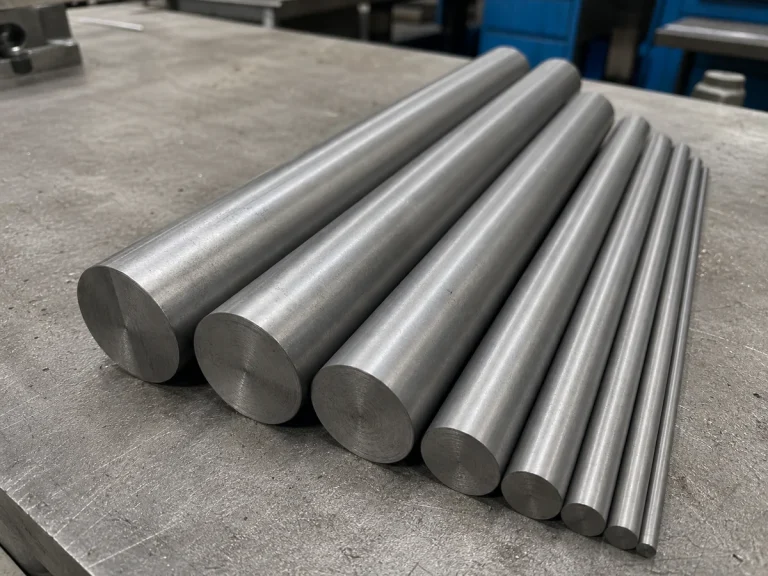
Specification detail with sources
The Beiyu Titanium supply ranges list tungsten round bar at Ø1.6 mm to 70 mm, tungsten wire at Ø0.1 mm to 1.6 mm and sheet and plate from 1.0 mm to 25 mm thick, and give tungsten a density of 19.25 g/cm³ and a melting point of 3410 °C, the highest among tungsten, molybdenum, tantalum and niobium in those ranges. The grade column against tungsten is also the longest of those four: W1, W2, W-Ni-Fe, W-Mo, W-Cu and W-La.
ASTM B760 and B777 are the two standards named for tungsten, in a single entry that covers sheet, bar, wire and pipe together. Reading either of them onto one form would go past what that entry says. What a tungsten order needs written in is the grade and the reporting document, since the alloyed grades and the unalloyed ones are not interchangeable on a certificate even where the diameter is identical.
For a view of who else publishes this material and what each one states, see Tungsten Bar Suppliers: Four Company Pages Compared.
Request a quote for Tungsten Bar and Rod
Send material grade, standard, size, condition, quantity and certificate requirements. Beiyu replies with quotation, lead time and documentation scope.