
Grade 23 is the extra-low-interstitial version of Ti-6Al-4V, identified as UNS R56401. That material name does not decide whether a bar should follow ASTM F136 or ISO 5832-3 for a medical program, ASTM B348 for an industrial order, or an aerospace specification and approval route. The five company pages provide different entry points. A useful comparison must normalize interstitial limits, melt and working route, condition, dimensions, surface, inspection and traceability before it reaches price.
Selection method and source boundary
We froze the search Grade 23 titanium bar supplier Ti-6Al-4V ELI on 1 September 2026. A source qualified when the supplying company owned it, explicitly connected ELI or Grade 23 with bar or rod, and exposed material, standard, size, processing or testing information. Beiyu, marketplaces, directories, rankings and excluded geographies were removed. One company PDF was retained because it is a first-party product document. The order below records discovery, not technical approval or commercial rank.
| Organization | Owned resource | Published scope | Lot proof still due |
|---|---|---|---|
| Titanium Industries | Bar portfolio | Grade 23/R56401 within bar products and multiple procurement routes | Exact line, standard, source mill, condition, approvals and availability |
| Tricor Metals | Company product PDF | Grade 23 bar and medical/aerospace material context | Current revision, original mill evidence, offered size, condition and tests |
| Supra Alloys | Rod, bar and wire page | Ti-6Al-4V ELI bar-form and sourcing context | R56401 line, governing specification, source approval and lot documents |
| Chalco Titanium | ELI round-bar page | Grade identity, dimensions, standards, process and inspection prompts | One offered route, actual interstitials, condition, tolerance and reports |
| Daxun | Grade 23 rod/bar page | R56401 bar, size, processing, surface and test fields | Source mill, melt history, exact specification, approvals and current scope |
Bind ELI chemistry to the program route
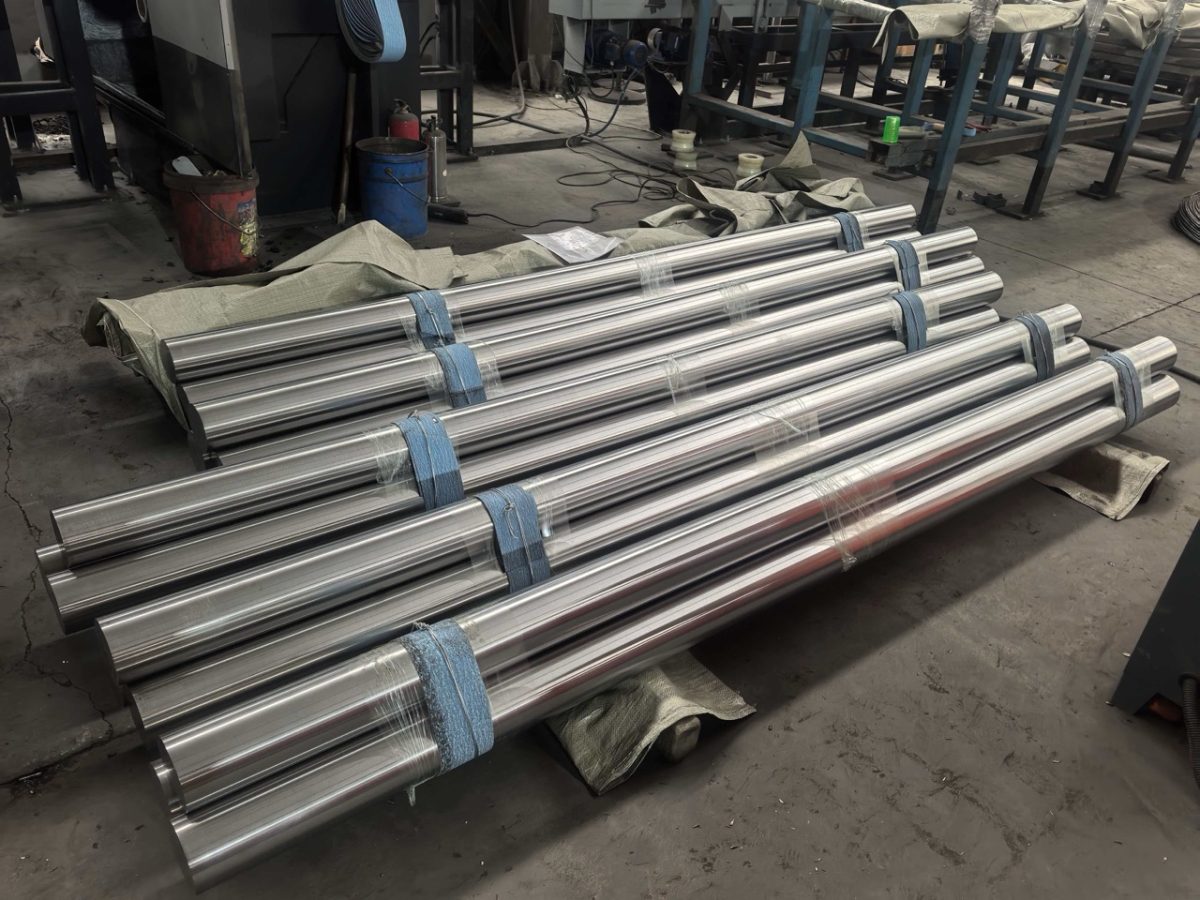
Put Grade 23 / UNS R56401 and one controlling specification revision on each RFQ line. For implant material, the quality system may also require an approved source, validated processing, specific sampling, grain or microstructure controls, test records and change notification. An industrial B348 certificate cannot be promoted to F136 after delivery. Aerospace programs can add another specification, condition and processor-approval path. Require the quotation to identify the melt source, product conversion route and final condition rather than presenting a stack of standards as if all apply to the same bar.
| Control point | Program input | Evidence returned |
|---|---|---|
| Program route | F136/ISO 5832-3, B348, aerospace or customer revision | One offered route, approval status and full exceptions |
| ELI identity | Grade 23 / R56401 with controlled interstitial limits | Original heat chemistry, melt history and source |
| Bar geometry | Section, finished size, tolerance, length, straightness and ends | Stock size, conversion and finishing plan plus measurement basis |
| Condition/surface | Required thermal state, removal allowance, defect and contamination rules | Working, thermal and finishing sequence with processor identities |
| Release | Mechanical, microstructure/grain where ordered, UT, surface and traceability | ITP, lot definition, methods, acceptance and actual reports |
How ELI bar offers separate in use
For a machined implant blank, provide the regulatory material route, final part envelope, grain-flow concerns, cut orientation, clean-up allowance and traceability unit. The buyer’s quality team should set approved-source and change-control requirements before sourcing. For an industrial ELI part, do not borrow medical claims that the program does not require; state the actual engineering reason for ELI chemistry and the correct acceptance plan. On both routes, ask how heat identity survives saw cutting and whether UT coverage occurs before or after final bar finishing. The answer affects what volume was inspected and what surface remains available for machining. Where the program controls melting, request the declared vacuum-melt sequence and heat genealogy. Where it controls microstructure, specify sampling location, preparation, magnification, rating method and acceptance authority. Where cleanliness matters during subdivision, define dedicated tooling, coolant restrictions, chip removal, wrapping and a traveler for every blank. These program clauses belong in the purchase package and should never be inferred from the alloy name.
Grade 23 receipt and genealogy checks
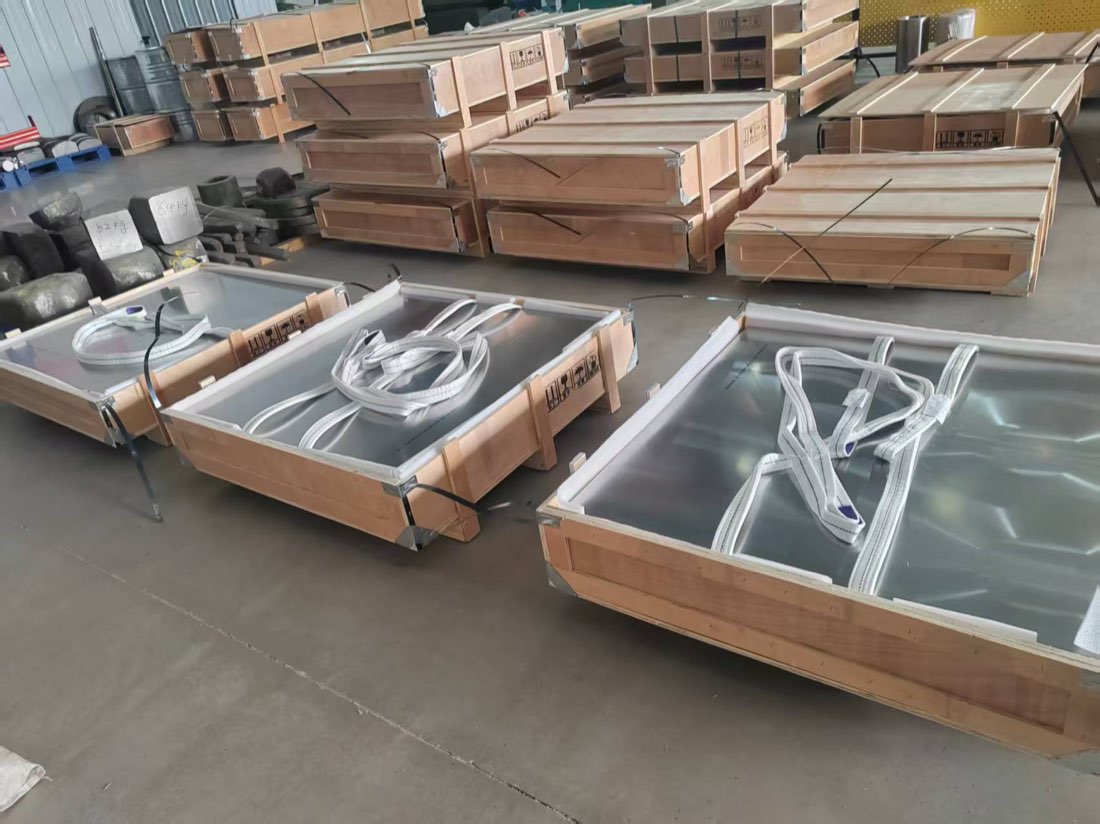
At receipt, reconcile the original heat number, R56401 chemistry, interstitial results, specification revision, condition and mechanical test orientation. Confirm that any F136, ISO or aerospace designation appears on the original release for the delivered line, not only in a distributor description. Match processor certificates and inspection reports to the same heat and product lot. Examine packing marks, diameter, straightness, ends and surface. If the program requires grain size, microstructure, UT or source approval, verify the named method and acceptance record rather than accepting a generic quality statement.
Normalize medical, industrial and aerospace returns
Issue a single program matrix to every candidate. Preserve omissions, alternatives and qualifications in the bid record. Evaluate source eligibility, melt genealogy, dimensional conversion, examination and release evidence before commercial totals. Require a dated response that identifies the proposed producer and the expiration of every technical assumption.
| Return block | Purchaser provides | Bidder documents |
|---|---|---|
| Program | Application, exact F136/ISO/B348/aerospace/customer revision and approvals | Offered route, source status, condition, changes and exceptions |
| Material | Grade 23/R56401, melt/source and interstitial controls | Original heat chemistry, melt history and trace path |
| Geometry | Section, finished size, tolerance, length, straightness and ends | Stock size, cut/finish plan, allowance and method |
| Inspection | Mechanical, grain/microstructure, UT, surface and dimensional scope | Lot, sampling, coverage, calibration, acceptance and reports |
| Documents | Original MTC, processors, approvals, marking and piece map | Indexed release tied to heat, parent bar and every blank |
| Commercial | Quantity, packing, destination and required date | Stock/production state, MOQ, schedule, validity and exclusions |
Beiyu enquiry path for ELI bar
Beiyu sits outside the five-company comparison. Its Grade 23 bar route begins with the exact F136, ISO, B348, aerospace or customer-controlled revision and R56401 identity. The enquiry then fixes source approvals, melt and conversion evidence, condition, section, finished dimensions, machining allowance, surface, straightness, ends, UT or program-specific tests, original traceability, quantity, protected packing and destination. ELI availability is confirmed against the program route rather than a general Ti-6Al-4V label.
Consult the Grade 23 Ti-6Al-4V ELI bar, general titanium bar suppliers comparison, ASTM F136 ELI bar guide, medical titanium bar RFQ checklist for the product path, wider market context and medical purchasing controls. Submit drawings, demand quantity, examination plan, delivery target and destination in the program matrix. Close all qualifications in the purchase record before authorization.
Related supplier lists and supply ranges
- titanium bar supply range
- Grade 12 Titanium Bar Suppliers
- Grade 2 Titanium Bar Suppliers
- Grade 5 Titanium Bar Suppliers
- Grade 7 Titanium Bar Suppliers
- Inconel 718 Bar Suppliers
- Molybdenum Bar Suppliers
- all supplier lists by product family
Specification detail with sources
Beiyu Titanium publishes this list and is not part of the comparison above. For readers who want the publisher’s own figures on the same basis they would ask of any supplier on this page, the material is specified to ASTM B348, and each order carries an EN 10204 type 3.1 certificate with heat and pour numbers by order scope.
Round bar runs 1 to 500 mm diameter, square 3 x 3 to 500 x 500 mm, flat 3 x 12.7 to 30 x 500 mm and hexagon up to 17 mm across flats, in lengths to 6000 mm. The precision ground route covers 3.175 to 25.4 mm diameter at +/-0.0127 mm, tightened to +/-0.0076 mm against a drawing, with straightness held to 0.5 mm per metre and 0.3 mm per metre at 25 mm and under.
Bar from the precision ground line runs five inspections at 100 percent coverage rather than by sampling: ultrasonic, eddy current, surface optical, infrared laser diameter and straightness. The ultrasonic parameters are immersion method, focused longitudinal wave, 100 percent of the circumference, a 1.2 mm flat-bottom hole reference at 80 percent screen height, 10 MHz, Class A1, to AMS-STD-2154 or GB/T 5193. These are Beiyu published supply figures and inspection parameters, not limits taken from the standard; limit values belong to ASTM B348 and are confirmed against the exact edition named on the purchase order. Certification is stated as a production capability, and no stock position, delivery time or price is implied by any figure on this page.