
Grade 7 titanium combines a commercially pure titanium base with palladium for corrosion resistance, but the alloy label alone does not accept a forging. Procurement must connect UNS R52400 and ASTM B381 F7 to the required shape, starting stock, working history, final condition, coupon orientation, mapped NDE and heat-to-piece genealogy. Five company pages are compared as discovery routes. They do not certify a production heat, endorse a source or replace the equipment designer’s corrosion review.
How the five company sources were selected
The comparison used the query Grade 7 titanium forging supplier R52400 ASTM B381 F7 on 1 September 2026. Inclusion required a company-owned page that connected Grade 7 or R52400 to forgings and disclosed a useful form, process, size, specification or inspection field. Beiyu, India-based companies, marketplaces, directories and rankings were excluded. Rows follow discovery order. Published ranges are quotation prompts; the controlled drawing, invoked revision, signed route and original test records define the deliverable.
| Company | Owned resource | Published scope | Evidence still due |
|---|---|---|---|
| Tricor Metals | Forgings and billet page | B381 F7/R52400 plus rings, discs, blocks, shafts and sleeves | Offered heat, source route, envelope, work/thermal history, coupon, NDE and genealogy |
| UMM United Mill Metal | Company forging page | Grade 7 among ring, disc, shaft, flange and other form prompts | Exact F7 route, starting stock, forging process, dimensions, condition, inspection and records |
| Milling Metal | Grade 7 forging page | Rings, discs, blocks and bars with B381 and composition prompts | Actual geometry, forged route, condition, heat chemistry, coupon orientation and NDE |
| Zecheng Metal Materials | Custom titanium-forging page | Grade 7 in a broader custom-forging range | Grade/form, machine route, starting stock, envelope, heat treatment, tests and trace |
| Yesino Metal | Titanium ring page | B381 forging route, Grade 7 option, shapes, dimensions and certification prompts | Specific Grade 7 offer, process, usable envelope, condition, inspection and heat map |
Connect palladium chemistry to one forged genealogy
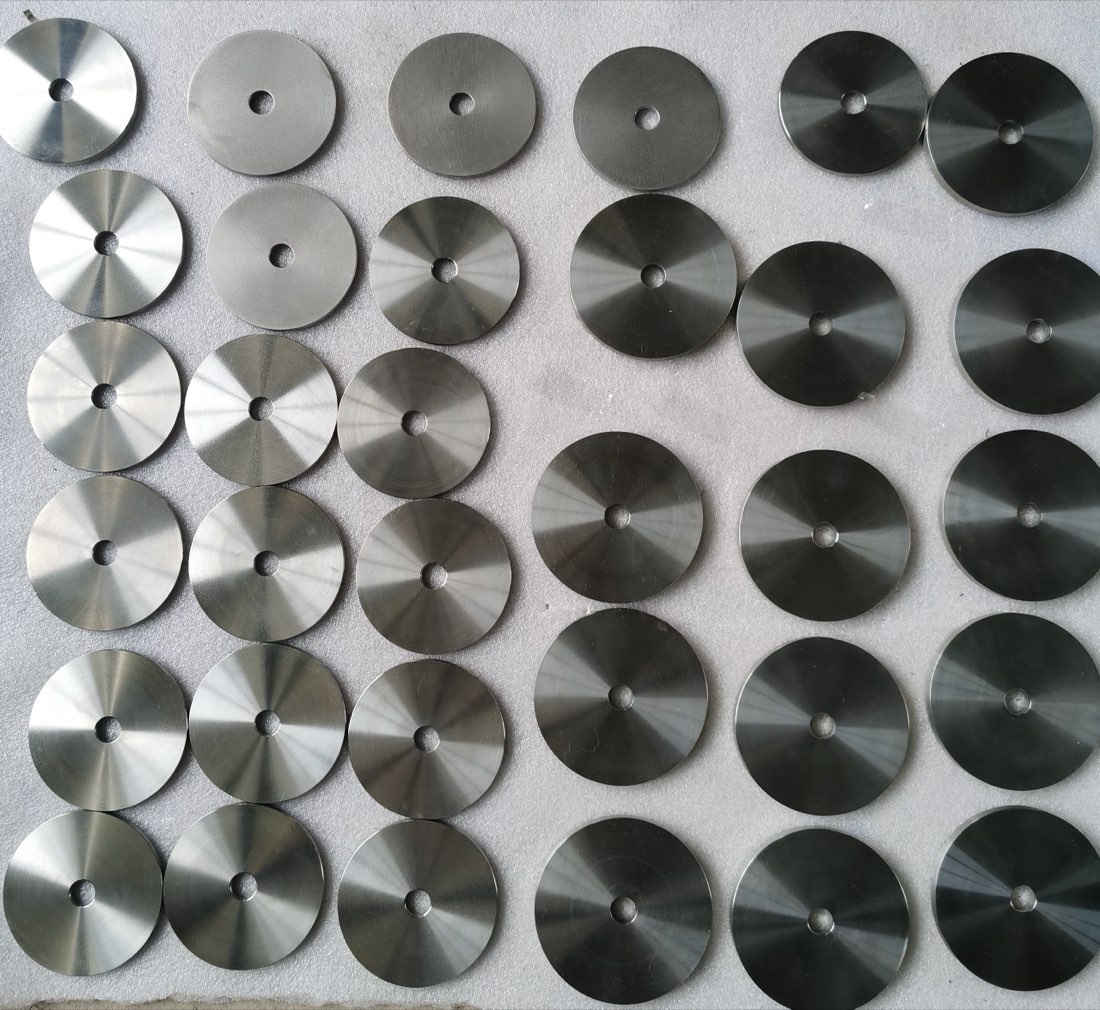
Write Grade 7 / UNS R52400, ASTM B381 F7 and the required revision. Attach finished and buy-to-forge drawings that identify ring, disc, block, shaft, sleeve or custom preform, with datums, rough envelope, machining allowance and critical zones. Ask for the original chemistry record with actual palladium and interstitial values, plus the melt producer and parent stock. Define the forging sequence, final annealed condition and any prohibited weld repair or unapproved reheat. The coupon plan should name its source, orientation, removal stage and relationship to each piece. Preserve identity through sawing, forging, heat treatment, proof machining, sampling and packing.
| Control point | Buyer input | Required supplier return |
|---|---|---|
| Alloy identity | Grade 7/R52400, B381 F7 revision, source and remelt restrictions | Original heat chemistry including Pd/interstitials, producer and deviations |
| Forged shape | Finished/rough drawings, envelope, datums, allowance and grain-flow intent | Starting stock, process model, forged dimensions, mass and orientation marks |
| Thermal history | Required condition, prohibited repair/reheat and furnace controls | Working sequence, furnace loads, times/temperatures and final state |
| Coupons | Location, orientation, prolongation/removal rule and required tests | Coupon map, specimen identity, actual results and piece applicability |
| NDE/genealogy | PT/UT stages, zones, coverage, method, criteria and marking | ITP, technique/maps, reports and complete heat-parent-piece chain |
Reserve representative coupons before forging starts
A finished ring or valve-body blank may leave no suitable coupon location after machining allowance and NDE zones are fixed. The buyer should settle prolongations, sacrificial stock or separately forged test material before release. Orientation matters because a tangential ring specimen and a longitudinal shaft specimen describe different directions. Ask the forger to show the proposed coupon and grain-flow relationship on the process drawing. Map heavy transitions, bores, bosses and wall changes so working stages and later ultrasonic access address the critical volume. If another company performs heat treatment or proof machining, identify that site and keep the genealogy continuous. Corrosion suitability still depends on service chemistry, temperature, crevices, deposits and upset conditions under the designer’s control.
Reconcile actual R52400 results and mapped NDE
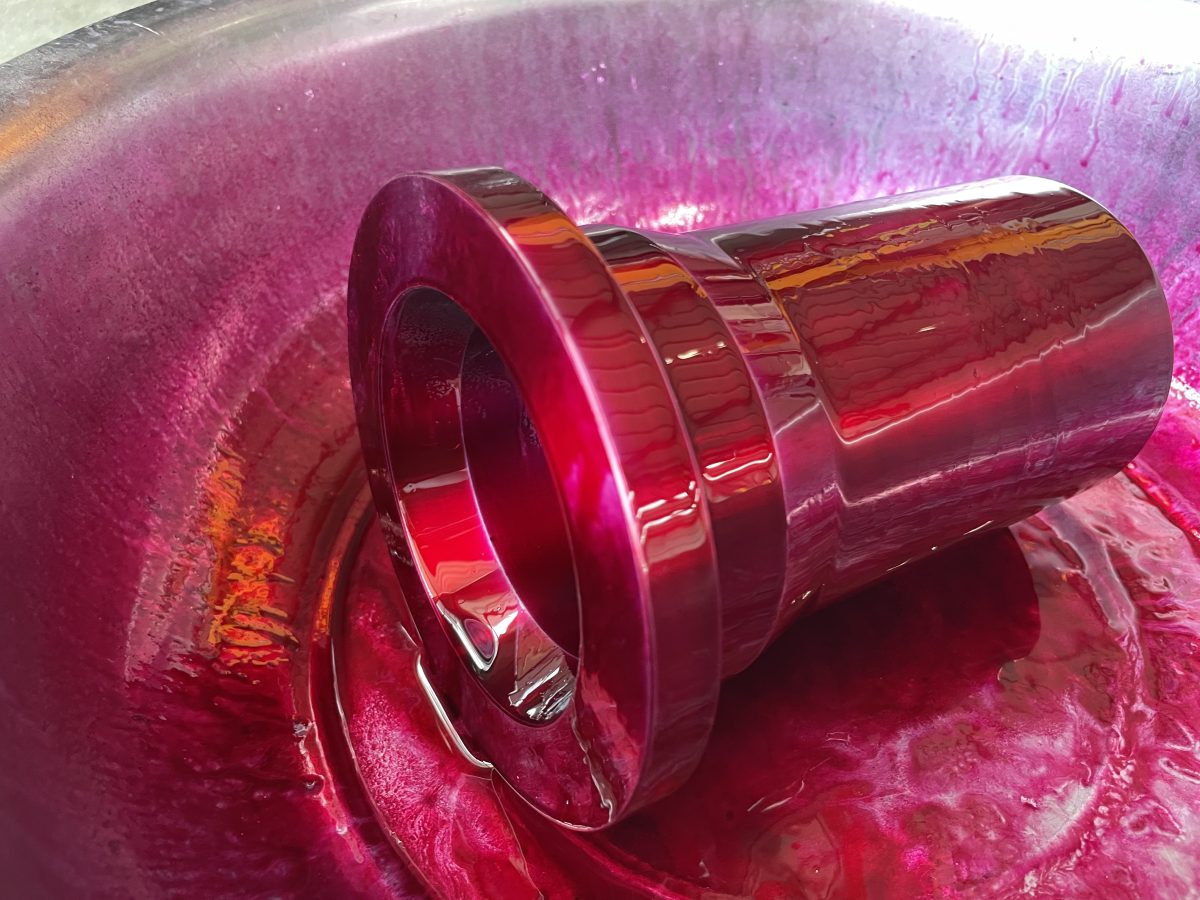
Choose one shipped piece and follow its mark through the dimensional report, PT and UT records, heat-treatment load, mechanical test, original MTC, parent stock and source heat. Review actual palladium and interstitial chemistry against the invoked revision. Confirm specimen orientation and whether the coupon represents every released piece. An ultrasonic report should identify technique, calibration, scan surfaces, coverage limits, reportable indications and disposition. A liquid-penetrant record should name the processing stage, surfaces and acceptance criteria. Inspect proof-machined surfaces for laps, seams, pickup, grinding or suspected repair. Check remaining allowance against the buyer’s machining model. Records should distinguish planned operations from actual operations completed on the marked forging.
Normalize route, coupon and usable envelope
Require each bidder to return the same process schedule. Differences in input stock, reductions, coupon removal, machining and inspection affect yield and lead time. Ask for gross and minimum usable dimensions, actual subcontract sites and every exception. Price extra coupons, witness points and first-article work separately while keeping them linked to the affected piece.
| RFQ group | Buyer states | Supplier returns |
|---|---|---|
| Service/part | Function, media, design conditions, code boundary and critical geometry | Material assumptions, route risks, limitations and buyer decisions |
| Material/route | R52400, F7 revision, source, condition and substitution controls | Producer, heat, starting stock, stages, subcontractors and deviations |
| Geometry | Finished/rough models, allowances, datums and orientation | Gross/usable envelope, process drawing, mass and measurements |
| Testing | Chemistry, coupons, tensile, PT/UT zones and witness points | ITP, specimen map, methods, criteria, readings and reports |
| Commercial | Quantity, trial piece, packing, destination and required date | Input availability, MOQ, yield, schedule, validity and exclusions |
Beiyu enquiry route for Grade 7 forgings
Beiyu sits outside the five-company comparison. Its Grade 7 enquiry begins with R52400, the exact B381 F7 revision and controlled finished plus rough drawings. The supplier return records the source heat, parent stock, forged stages, thermal history, usable envelope, coupon orientation, actual palladium result, PT/UT maps, piece marking, genealogy, quantity and delivery. Capability is confirmed against the geometry and inspection plan for the named part.
Related Beiyu routes: Grade 7 titanium forgings, general titanium forging comparison, Grade 7 titanium bar comparison, Grade 7 titanium pipe comparison. Send the controlled duty sheet or drawing, quantity, inspection scope, required date and destination. Close every written exception before award.
Related supplier lists and supply ranges
- titanium forgings supply range
- Grade 12 Titanium Forging Suppliers
- Top Titanium Forging Suppliers
- all supplier lists by product family
Specification detail with sources
Beiyu Titanium publishes this list and is not part of the comparison above. For readers who want the publisher’s own figures on the same basis they would ask of any supplier on this page, the material is specified to ASTM B381, and each order carries an EN 10204 type 3.1 certificate with heat and pour numbers by order scope.
Forgings are quoted from the drawing; ring rolling and open die forging both run in the Beiyu production route, with the ring envelope covering OD 50 to 2000 mm, ID 10 to 900 mm and height 20 to 400 mm.
These are Beiyu published supply figures and inspection parameters, not limits taken from the standard; limit values belong to ASTM B381 and are confirmed against the exact edition named on the purchase order. Certification is stated as a production capability, and no stock position, delivery time or price is implied by any figure on this page.