
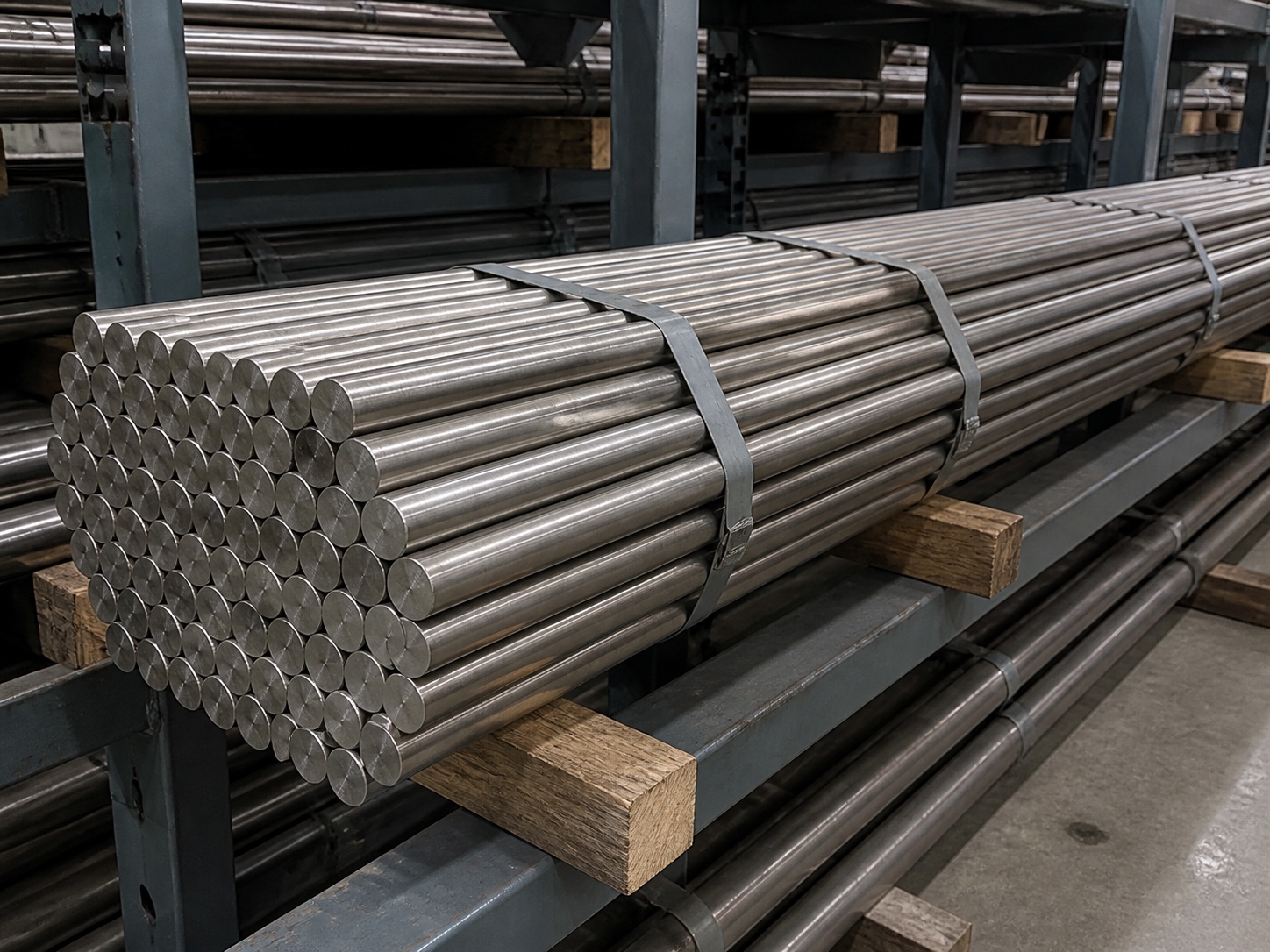
Titanium is selected for marine and offshore equipment because its oxide film resists seawater and chloride attack under most service conditions. Grade 2 titanium is the usual starting point for seawater service; Grade 7 or Grade 12 may be reviewed for hotter chloride, brine or crevice-prone designs.
Grade decision map for seawater titanium
The right marine titanium grade depends on the corrosion location, not only the word “seawater”. Open flowing seawater is different from gasketed joints, tube-sheet interfaces, stagnant pockets and hot brine. If the drawing only says marine service, ask for the service position before fixing the grade and certificate package.
| Location | What the guide states |
|---|---|
| Open flowing seawater | Different from gasketed joints and other stagnant geometry |
Usually quoted first for seawater tube, pipe, condenser parts, sheet fabrication and general marine hardware.
Palladium-alloyed grade used when reducing chloride or crevice corrosion resistance is written into the project requirement.
Ti-0.3Mo-0.8Ni grade reviewed for hot chloride or brine equipment where crevice performance matters.
Why titanium works in seawater systems
Titanium forms a stable, self-healing oxide film. In seawater systems, this film helps resist pitting and general corrosion that often limit stainless steels or copper alloys. This is why titanium is used for condenser tube, heat exchangers, desalination equipment, marine piping and offshore components.
| Mechanism | What the guide states |
|---|---|
| Oxide film | Stable and self-healing |
| What it does in seawater systems | Helps resist pitting and general corrosion that often limit stainless |
The buyer still needs to define operating temperature, flow condition, joint design and inspection requirement. A material that performs well in open seawater may need a different grade review if the design creates stagnant chloride, gasket compression or tube-sheet crevice zones.
Grade 2, Grade 7 and Grade 12 titanium for marine service
| Grade | Typical marine use | Quotation note |
|---|---|---|
| Grade 2 | Seawater piping, condenser tube, heat exchangers, sheet and plate fabrication | State ASTM B338 for tube, ASTM B861/B862 for pipe or ASTM B265 for sheet and plate |
| Grade 7 | Reducing chloride, crevice-prone joints and aggressive chemical seawater service | Confirm temperature, medium and whether palladium-alloyed grade is required by the end-user specification |
| Grade 12 | Hot brine and chloride-bearing process equipment | Review hot chloride conditions, crevice areas and higher-strength CP alternative requirements |
| Grade 5 | Fasteners, shafts and higher-strength machined marine parts | Use where strength is required; do not choose it only because it is stronger than Grade 2 |
Where marine titanium orders go wrong
Most quotation problems come from incomplete service details. Marine service can mean open seawater, salt spray, brine, desalination, shipboard cooling water, offshore structural exposure or gasketed flange joints. These are not the same corrosion case.
| Marine review item |
|---|
| Identify crevice locations such as tube-sheet interfaces, gasketed flanges, threaded areas and stagnant pockets. |
| State seawater temperature, chloride concentration, flow condition and mating material. |
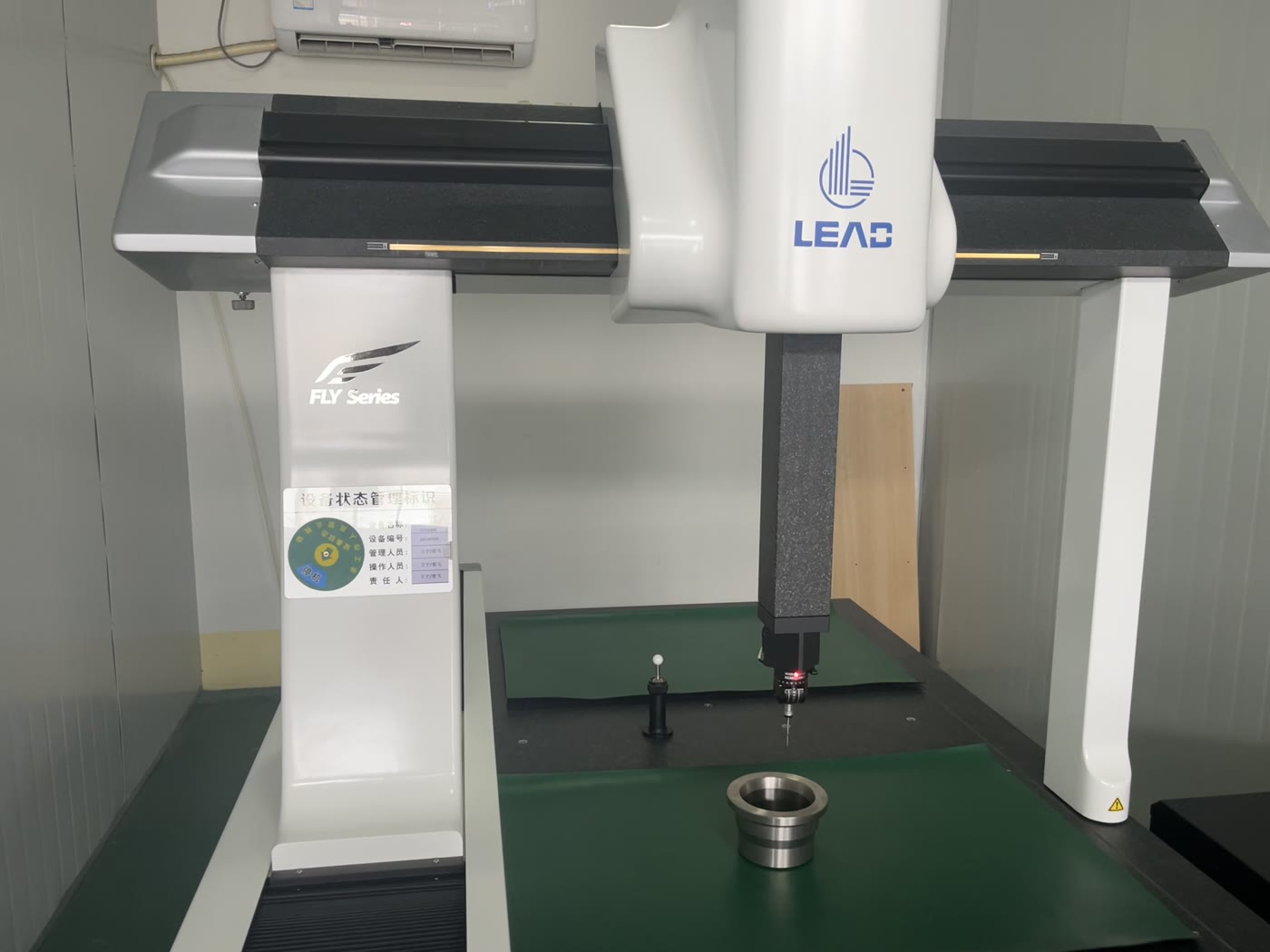
| Confirm EN 10204 3.1, PMI, heat-number traceability and third-party inspection before production. |
Product forms used in seawater systems
Beiyu supplies marine-related titanium as Grade 2 titanium seamless tube, titanium heat exchanger coil, titanium flanges, Grade 2 titanium sheet and titanium fasteners. For tube and pipe families, use the titanium tube and pipe category to check related forms before sending dimensions.
FAQ
Does titanium corrode in seawater?
Titanium resists seawater corrosion under most service conditions because its oxide film is stable and self-healing. Crevice-prone or hot chloride environments should still be reviewed before grade selection.
Which titanium grade is normally used for seawater?
Grade 2 titanium is the normal starting point for seawater service. Grade 7 titanium or Grade 12 titanium may be used when the environment includes hotter chloride, brine or crevice-prone geometry.
What should a marine titanium enquiry include?
Send the application, seawater or brine condition, product form, grade, ASTM standard, dimensions, quantity, inspection requirement and certificate package.
Specification detail with sources
Marine titanium selection has an erosion dimension the grade table above does not show. TIMET’s Corrosion Resistance of Titanium reports that seawater velocities as high as 120 ft/s, about 36.5 m/s, produce only a minimal rise in erosion rate on titanium, which is why condenser and piping systems can run titanium at flow rates that erosion-limit softer tube alloys. On the designation side, the three grades this page maps carry fixed UNS identities across ASTM B265, B338 and B348: Grade 2 is R50400, Grade 7 is R52400 and Grade 12 is R53400, and naming grade plus UNS plus product standard on the enquiry is what keeps a marine order comparable between mills.
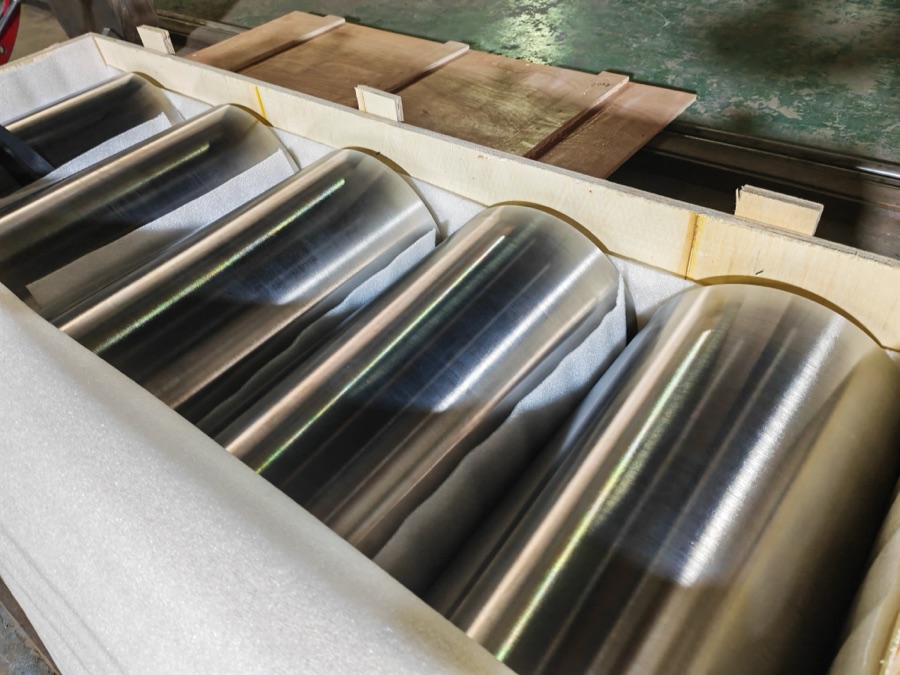
Beiyu Titanium covers the fabricated end of a marine order as well as the tube and sheet lines listed above: hot-forged product under ASTM B381, with discs from 50 to 2000 mm diameter at 20 to 500 mm thickness and blocks from 50 to 600 mm, and the factory forging sheet lists shipbuilding and impellers among its stated applications. For long runs, Beiyu quotes welded titanium pipe in lengths up to 22000 mm, so an offshore spool can be planned around fewer girth welds, with the grade decision above carried across every product form on one enquiry.
Request marine titanium material
Send application, seawater condition, grade, product form, dimensions and certificate requirement. Beiyu reviews the details before quotation.