
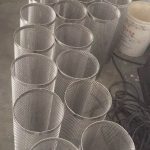
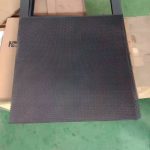
Ru-IrChlorine-evolution coating family
Current densityConfirmed from operating data
Active areaDefined before quotation
DrawingTerminal and assembly details required
Acceptance is by the ordered specification. Values and coating notes are RFQ references only. Final chemistry, coating, dimensional inspection and documentation are confirmed by the purchase specification and mill or coating records.
Ru-Ir Titanium Anodes for Chlorine Evolution and NaClO Systems
Ru-Ir coated titanium anodes are used in chlorine-evolution service, sodium hypochlorite generation, seawater electrochlorination, cooling-water antifouling and water-treatment electrolysis systems. The titanium substrate is commonly Grade 1 or Grade 2, while the coating system and loading should be selected according to electrolyte, current density, operating temperature and service life expectation.
Performance values for Ru-Ir coated titanium anodes should be confirmed by the project specification, test report or operating data. RFQs should define electrolyte, current density, active area, operating temperature and service life expectation before coating selection is reviewed.
Grade and Standards
| Coating family | Ru-Ir MMO coating or project-specified chlorine-evolution coating. |
|---|---|
| Substrate form | Titanium plate, mesh, tube, rod or assembled anode group according to drawing. |
| Operating data | Electrolyte, chloride concentration, current density, temperature, target output, duty cycle and cleaning method. |
| Dimensions | Active area, thickness, hole pattern, terminal position, lead connection and installation clearance. |
| Inspection and documents | Substrate certificate, coating record, dimensional report, visual inspection and packing list when required. |
Size, Tolerance and Surface
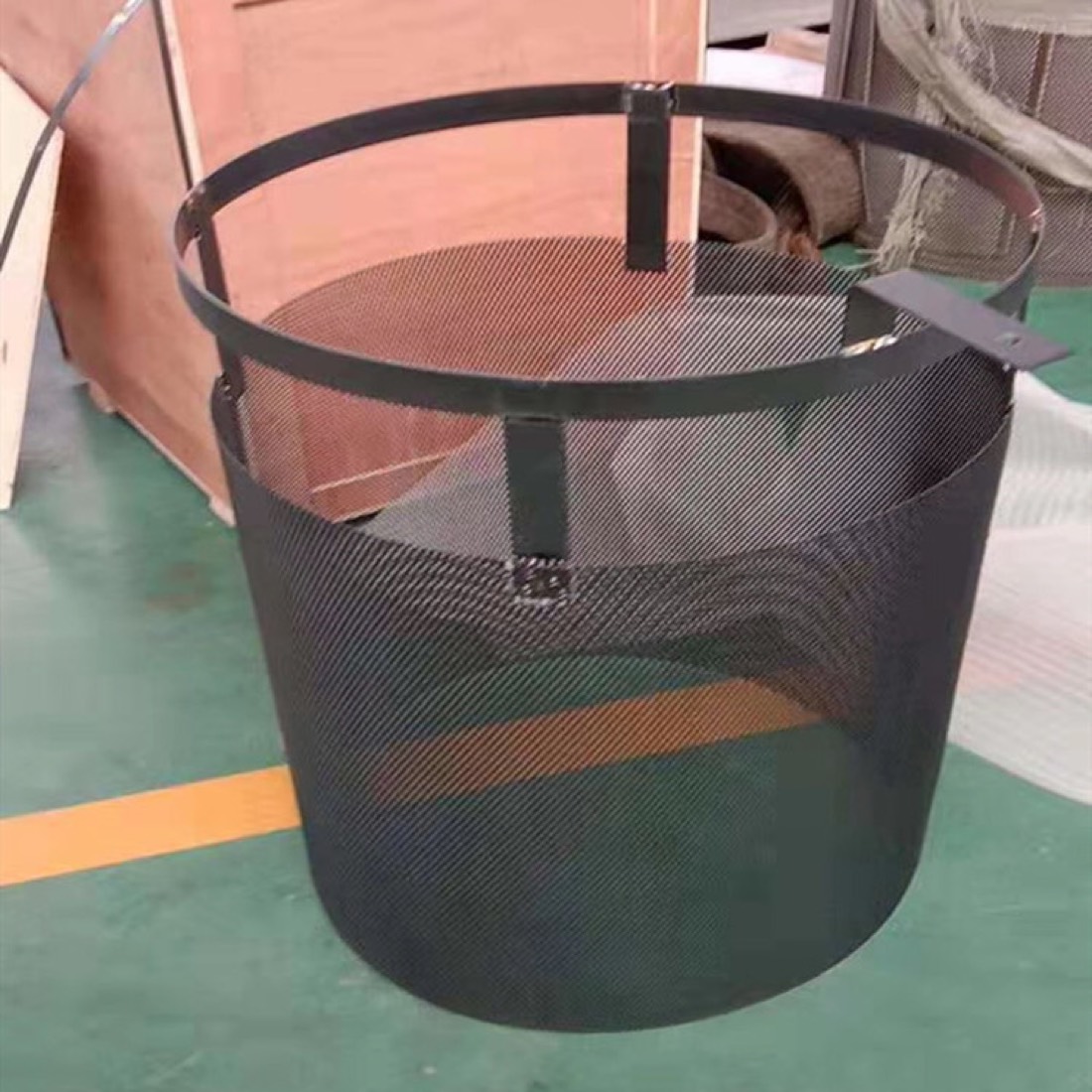
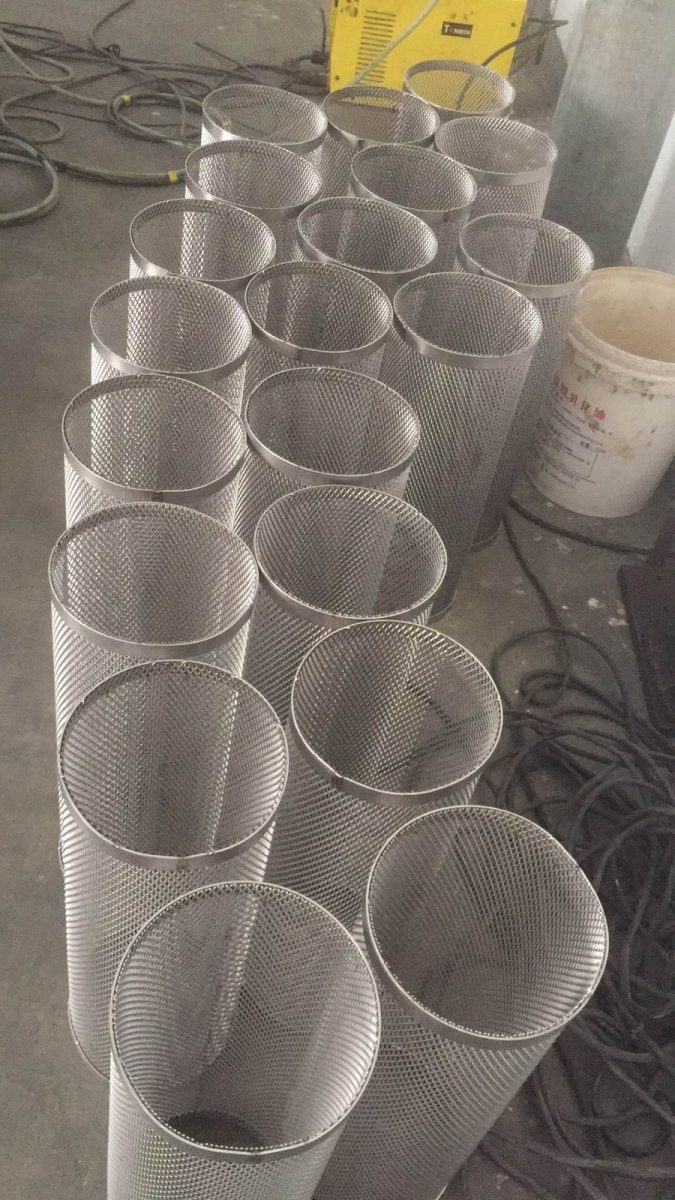
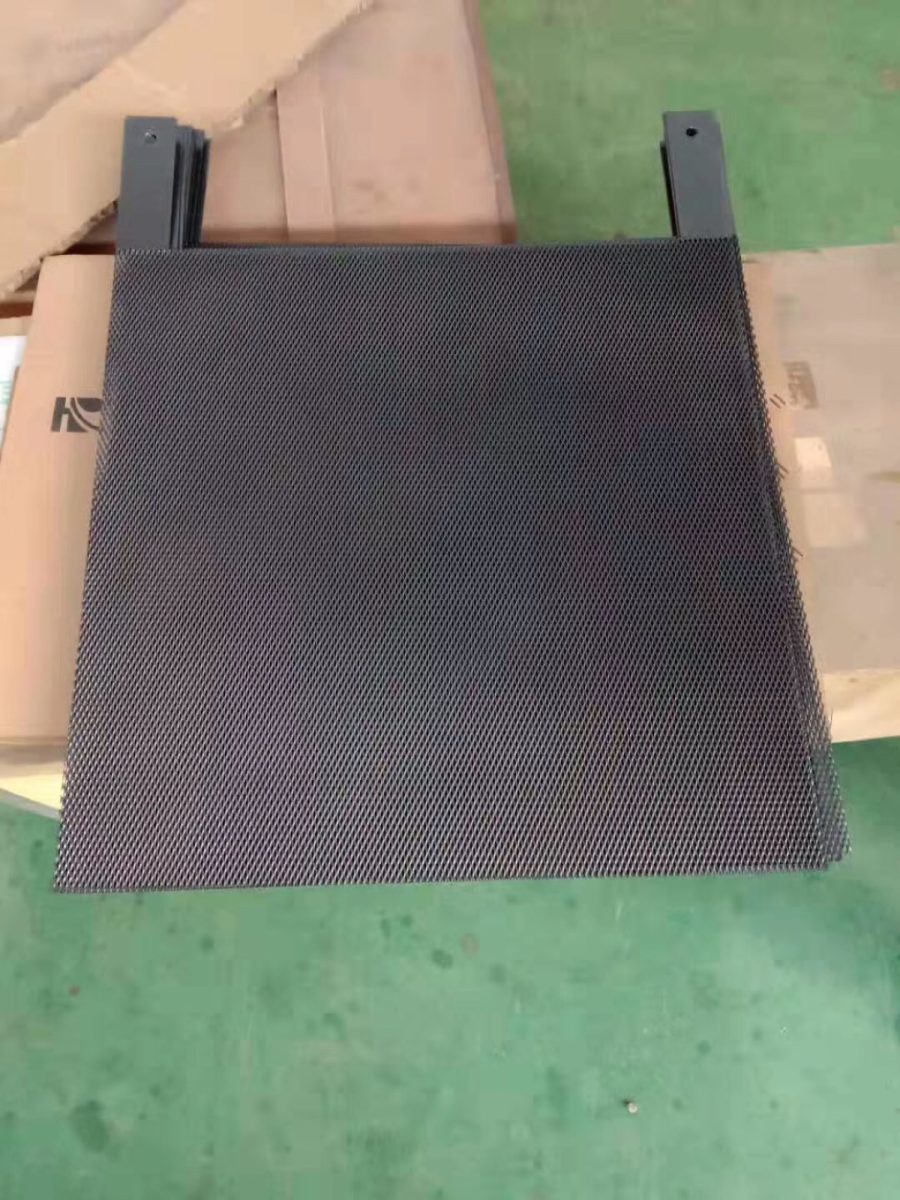
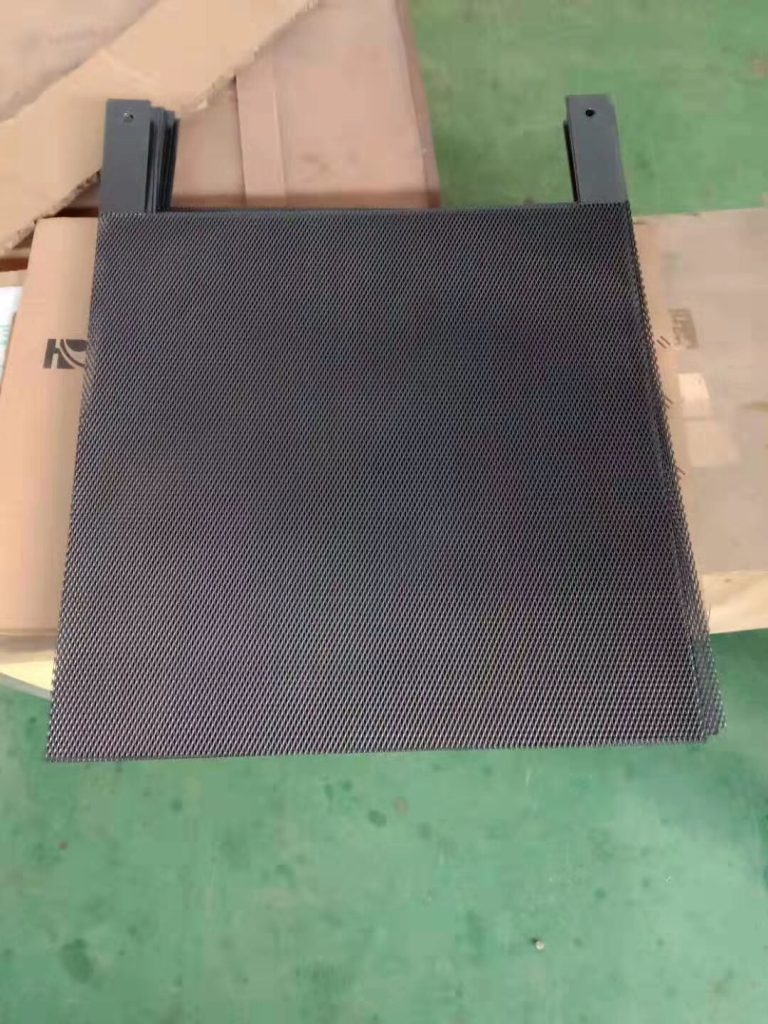
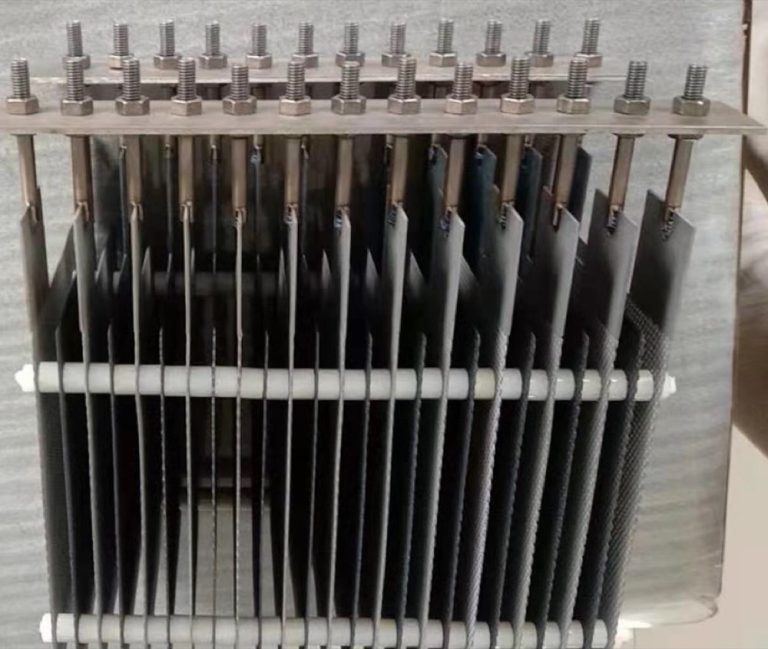
Ru-Ir titanium anode RFQs should state substrate form, overall dimensions, active coating area, hole and hanger layout, mesh opening or plate thickness, terminal details and installation tolerance. The coated surface and any uncoated connection area should be shown on the drawing.
Packaging and Export Information
Ru-Ir coated titanium anodes are packed to reduce coating abrasion, edge damage and terminal deformation during transport. Common export packing includes surface separation, protective wrapping, heat or batch marking, and wooden case or pallet packing for larger anode assemblies.
Common Applications
- Sodium hypochlorite generator anode parts
- Seawater electrochlorination systems
- Cooling-water antifouling equipment
- Industrial water treatment electrolysis cells
Buyer Notes
Service life depends on coating system, active area, current density, electrolyte composition, cleaning method and operating temperature. For replacement parts, photos, old anode dimensions and terminal details help confirm compatibility before quotation.
FAQ
What information is needed for a Ru-Ir titanium anode RFQ?
Send the drawing, substrate form, coating requirement, active area, operating medium, current density, quantity and certificate requirement.
Is Ru-Ir coating the same for every electrolyte?
No. Coating selection should follow the electrochemical reaction and operating data. The same titanium substrate may require a different coating system in different media.
The duty chooses the coating, not the other way round
Anode coatings are usually discussed by their metal content, but the order is settled by what the anode has to do. A coating tuned for chlorine evolution and one tuned for oxygen evolution are different products on the same titanium substrate, and putting one into the other duty shortens its life without producing any obvious fault at delivery. The duty, the electrolyte, its concentration and the operating current density are therefore order information rather than background.
The metal underneath is a separate acceptance. In the bar and billet specification ASTM B348, unalloyed Grade 1 carries oxygen at 0.18 percent maximum with iron at 0.20 percent maximum (ASTM B348, chemical requirements), and that specification governs bar and billet, so it is the acceptance basis only where a substrate is supplied as rod. Sheet, mesh and expanded substrates are accepted against their own documents or against the drawing. Beiyu Titanium issues an EN 10204 3.1 mill test certificate with heat number traceability for the titanium substrate, its reporting scope set by the order, and reviews the duty, the substrate form, dimensions with tolerance and the inspection scope before quotation.
Precious metal loading is the field that moves the quotation
Ruthenium and iridium anodes are often compared on active area and price alone, which hides the field that actually separates two quotations for the same size. Loading is the mass of precious metal put onto each square metre of anode, and it is what the coating spends as it works.
| Coating system | Precious metal loading | Coating thickness | Current density |
|---|---|---|---|
| Ruthenium based, chlorine evolution | 5 to 20 g/m² | 5 to 20 µm | Below 2000 A/m² |
| Iridium based, oxygen evolution | 10 to 45 g/m² | Stated with the duty | Below 2000 A/m² |
The iridium range overlaps the top of the ruthenium range and reaches more than twice as high. That is part of why an oxygen evolution anode of the same dimensions is not priced like a chlorine evolution one, and why a quotation that does not state loading cannot be compared with one that does.
Two more limits belong on the enquiry. Iridium systems are supplied for service below 70 degrees Celsius, and ruthenium systems for hydrochloric service below 20 percent. State the loading you need, or state the duty and the required service interval and let the loading be proposed against them. These are Beiyu Titanium supply ranges, confirmed at quotation for the ordered combination.
Compare titanium anode products
Titanium anode category| Product | Material | Reference | Best for | Link |
|---|---|---|---|---|
| MMO Coated Titanium Anodes | Gr1 / Gr2 substrate | Coating specification | General MMO anode requirements | View |
| Ru-Ir Titanium Anodes | Ru-Ir MMO coating | Drawing specification | Chlorine evolution and NaClO systems | Current page |
| Platinum Plated Titanium Anode | Pt plated titanium | Drawing specification | Electrochemical and water-treatment cells | View |
| Sodium Hypochlorite Anode Group | MMO titanium assembly | Cell drawing | NaClO generator replacement groups | View |
| Titanium Electrodes | MMO / Pt coating | Drawing specification | Custom electrode assemblies | View |
Related titanium products
Titanium anode category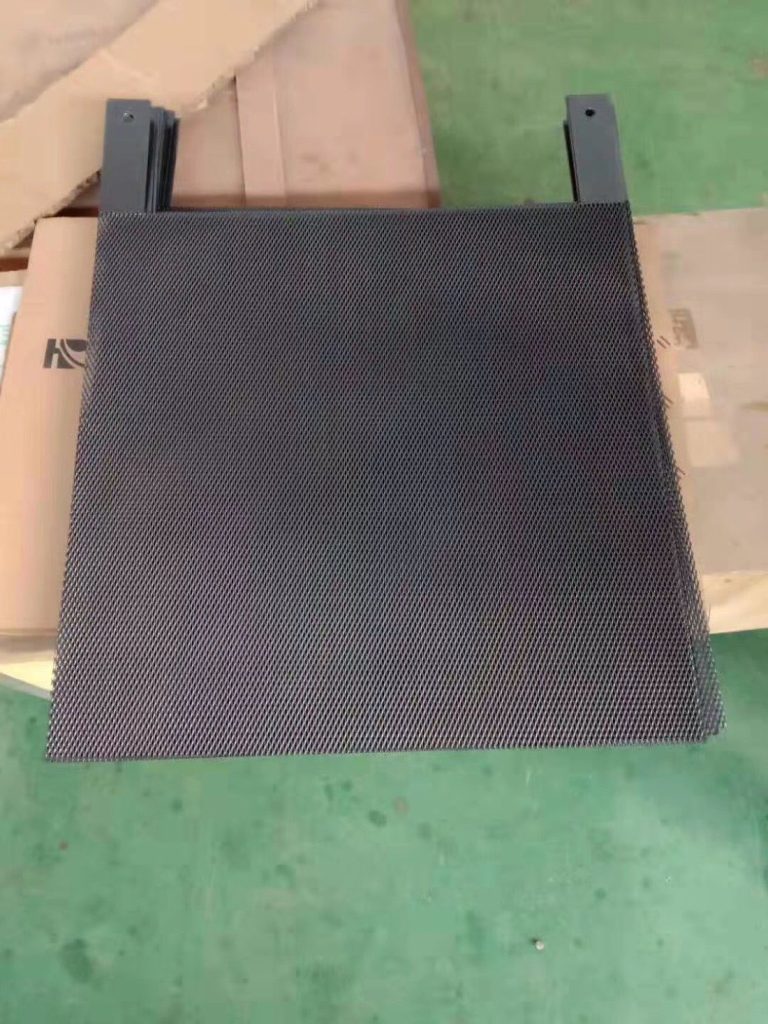
Specification detail with sources
The Beiyu Titanium supply ranges sort titanium anodes by coating series rather than by shape. Ruthenium coatings are classified for chlorine evolution and carried as anodes for sodium hypochlorite electrolysis, electroplating and chlor alkali service. Iridium coatings are classified for oxygen evolution and carried for electroplating, aluminium foil formation, copper recovery from etching solution, electrolytic copper foil, swirl electrolysis equipment and cathodic protection. Platinum is carried as a paint plating series for functional water electrolysis.
That classification is the first thing an anode enquiry has to settle, because chlorine evolution and oxygen evolution are different duties and the coating is selected against the duty rather than against the substrate. The titanium substrate is common to all three series, so naming titanium does not narrow the selection. What narrows it is the electrolyte, the duty, the current density and the electrode form, and those four belong in the first message rather than the third.
Request a quote for Ru-ir Titanium Anodes
Send drawing, grade or coating requirement, dimensions, operating data, quantity and certificate needs. Beiyu replies with quotation, lead time and documentation scope.