
Product Details
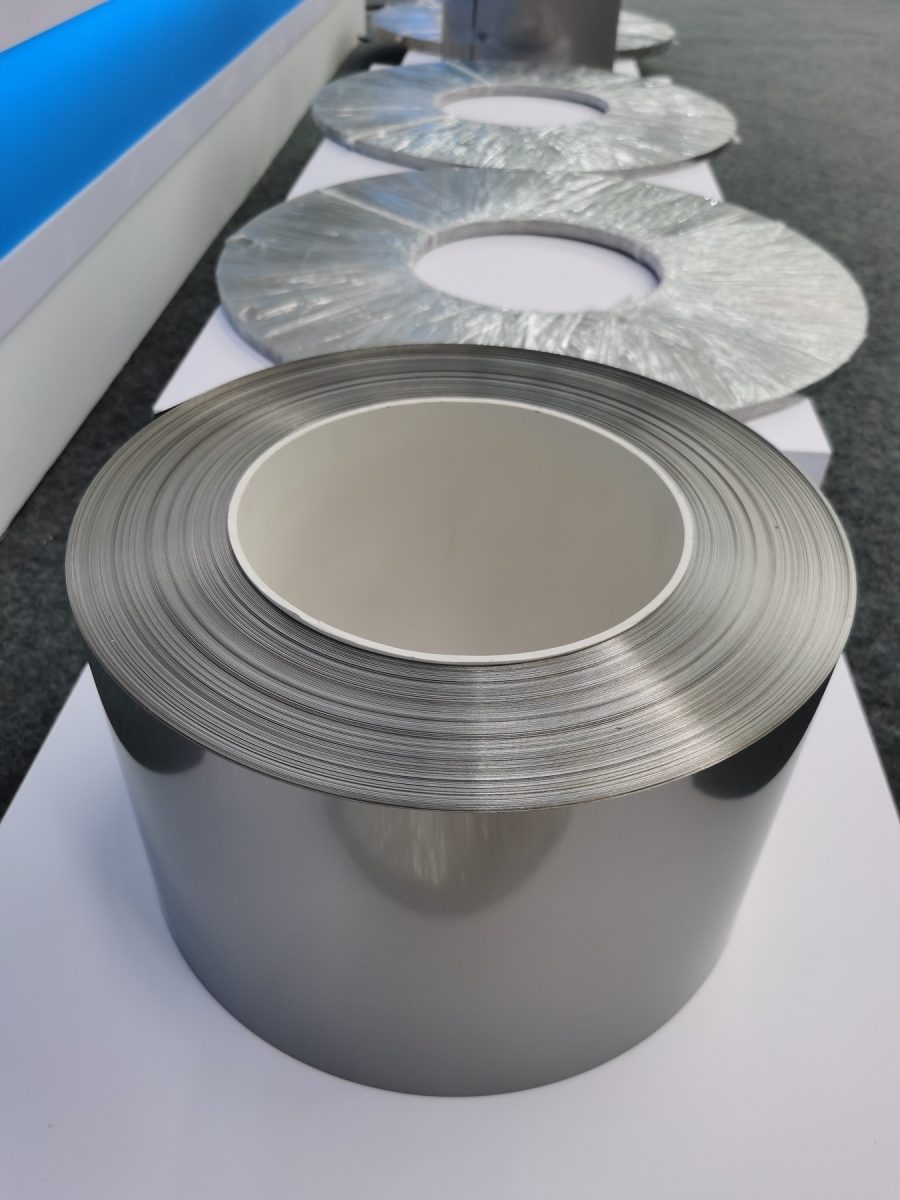
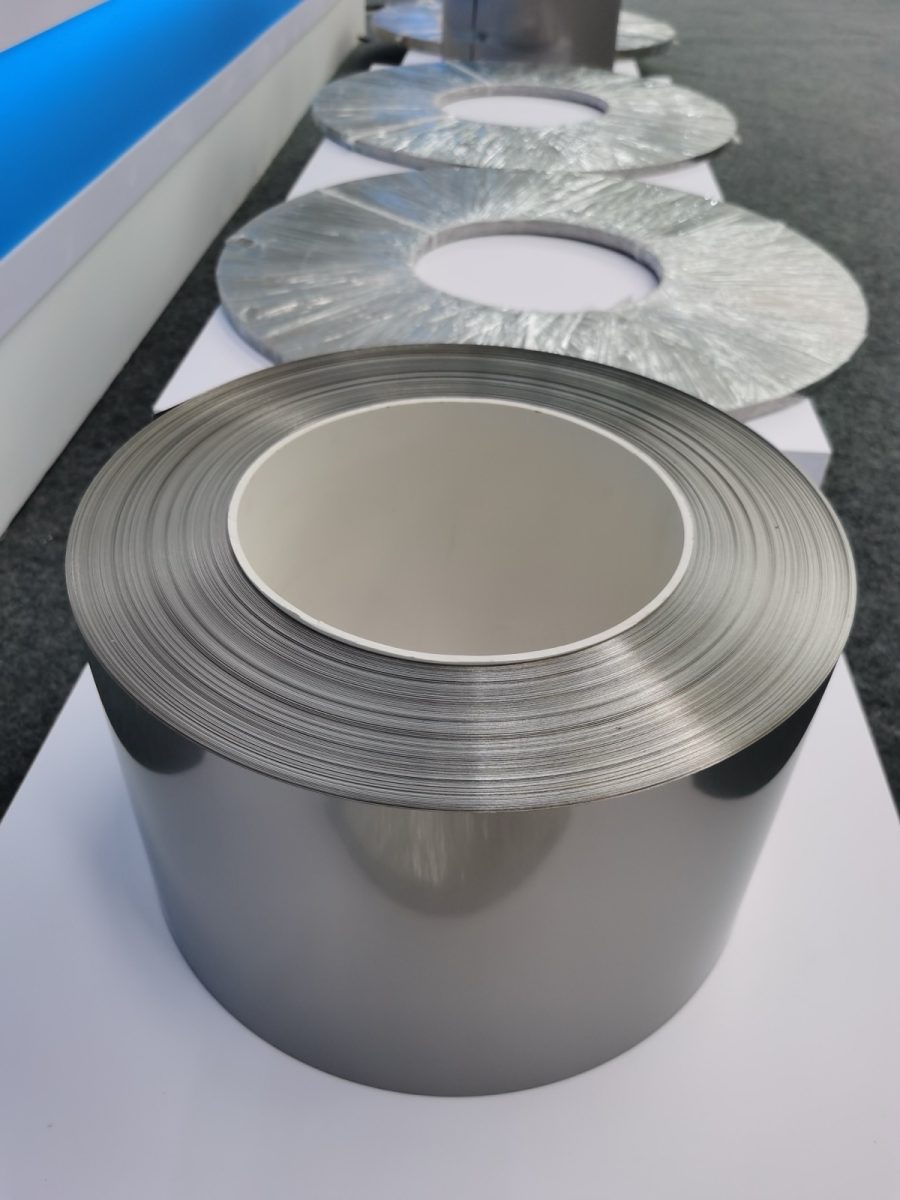
Grade 1 Titanium Foil Roll | ASTM B265 Thin Titanium Foil
Review grade, standard, size, surface, inspection and packing details before quotation.
Grade 1 Titanium Foil Roll | ASTM B265 Thin Titanium Foil
Grade 1 titanium foil roll for thin-gauge forming, electrochemical parts, heat transfer, shielding and precision industrial assemblies. Supplied by thickness, width, coil ID, surface condition and ASTM B265 requirement.
- DocumentsMTC and EN 10204 3.1 on request
- TraceabilityHeat number and inspection scope confirmed
- RFQ detailsGrade, standard, size, tolerance, quantity
- PackingExport protection by product form and length
Product Introduction
Grade 1 titanium foil roll / ASTM B265 thin foilApplicable standard or RFQ reference
Grade 1, foil thickness, width, coil length, surface and packing needCore information needed for quotation
Thickness, width, length or coil weight, flatness, edge and toleranceDimensional review before production
MTC / EN 10204 3.1Traceability documents when required
Acceptance is by the ordered specification. Final grade, chemistry, dimensions, inspection and documentation are confirmed by the purchase specification and mill test certificate.
Grade 1 Titanium Foil Roll for Thin-Gauge Industrial Applications
Grade 1 titanium foil roll is used where very thin commercially pure titanium is needed with good formability and corrosion resistance. Buyers commonly specify titanium foil for electrochemical parts, thin heat transfer components, shielding, medical-related parts, flexible corrosion-resistant layers and precision formed assemblies.
For titanium foil, purchasing accuracy depends on more than the alloy name. Thickness tolerance, width tolerance, coil ID, edge condition, surface condition, flatness and packing method should be defined before order confirmation. These details affect handling, stamping, welding, cleaning and yield during downstream processing.
Grade and Standard
| Material | UNS | Typical Standard | Procurement Notes |
|---|---|---|---|
| Grade 1 titanium | UNS R50250 | ASTM B265 | Commercially pure titanium with higher ductility for thin foil and formed parts |
| Grade 2 titanium | UNS R50400 | ASTM B265 | Can be selected when higher strength is needed than Grade 1 |
Size and Surface Condition
Grade 1 titanium foil can be quoted by thickness, width, coil weight, inner diameter and outer diameter. Common surface conditions include annealed, pickled, bright or cleaned surface depending on production route and final application. If the foil will be laminated, etched, stamped or welded, the buyer should define surface cleanliness and edge burr expectations.
Common Applications
- Electrochemical components and thin titanium current collectors
- Heat transfer parts and thin corrosion-resistant liners
- Medical-related formed parts where Grade 1 ductility is required
- Aerospace and industrial shielding components
- Stamping, forming, etching and prototype development
Inspection and Documentation
Orders can be supplied with mill test certificates showing chemical composition and mechanical properties according to the specified standard. Dimensional inspection should include thickness, width and visual surface checks. For critical orders, buyers may request EN10204 3.1 documentation, heat number traceability, surface inspection criteria and coil packaging photos before shipment.
Packaging and Handling
Titanium foil is sensitive to creasing, edge dents and surface scratches. Export packing should protect the coil with wrapping, core support, moisture protection and outer wooden case packing when required. Each coil should be identified by grade, standard, size, heat number and net weight so warehouse and receiving teams can maintain traceability.
RFQ Information Needed
- Grade 1 or Grade 2, ASTM B265 or project standard
- Thickness, width, coil ID, coil weight and quantity
- Annealed, pickled, bright or cleaned surface condition
- Edge requirement, tolerance and flatness requirement
- MTC, EN10204 3.1 and heat traceability requirement
FAQ
Why choose Grade 1 titanium foil?
Grade 1 is commercially pure titanium with good ductility, so it is often selected for thin forming, stamping and corrosion-resistant foil applications.
Can titanium foil be supplied in coils?
Yes. Coil dimensions, inner diameter, weight and packing method should be agreed before production or shipment.
What should be checked before ordering titanium foil?
Confirm thickness tolerance, surface finish, edge condition, MTC requirement and whether the foil will be stamped, welded, etched or cleaned after receipt.
Quotation Checklist for Titanium Foil Roll
For Grade 1 titanium foil roll, buyers should state whether the material will be used for forming, stamping, etching, welding, coating or assembly. This helps confirm thickness tolerance, burr requirement, coil handling and surface protection. If the foil will pass through automatic equipment, include maximum coil weight, splice restrictions, edge quality and whether an inner paper or plastic core is required.
Common applications
Review export and fabrication support22
Ti
Titanium
47.867 u
4.51 g/cm3
Grade 1 titanium foil roll / ASTM B265 thin foil
4.51 g/cm3
Grade 1 titanium foil roll / ASTM B265 thin foil
Thin formed titanium componentsConfirm grade, size, tolerance, surface, packing and certificate scope before quotation.Battery and laboratory foil useConfirm grade, size, tolerance, surface, packing and certificate scope before quotation.Electrochemical applicationsConfirm grade, size, tolerance, surface, packing and certificate scope before quotation.Small thickness titanium stockConfirm grade, size, tolerance, surface, packing and certificate scope before quotation.
Compare related titanium strip products
Titanium strip and foil categoryProduct
Reference
RFQ focus
SB265 Titanium Coil
ASME SB265
Strip and coil stock
>
Grade 7 Titanium Strip
ASTM B265
Corrosion-service strip
>
Grade 1 Titanium Foil
ASTM B265
Thin titanium foil
Grade 5 Titanium Foil Sheet
Gr5 foil/sheet
Thin sheet alternative
>
Grade 2 Titanium Sheet
ASTM B265
Sheet alternative
>
Related RFQ pages
Titanium strip and foil categoryFor a view of who else publishes this material and what each one states, see Grade 1 Titanium Foil Suppliers: Five Company Pages Compared.
Request a quote for Grade 1 Titanium Foil Roll | ASTM B265 Thin Titanium Foil
Send grade, standard, size, condition, quantity and certificate requirements. Beiyu replies with quotation, lead time and documentation scope.
Specification detail with sources
ASTM B265 covers unalloyed titanium strip, sheet and plate and identifies Grade 1 as UNS R50250. The Grade 1 chemistry limits include oxygen at 0.18 percent maximum and iron at 0.20 percent maximum; those grade limits identify the ordered material but do not replace the dimensional, condition and acceptance requirements for the foil form.
Beiyu's Grade 1 foil production envelope is 0.02 to 0.3 mm thick at widths to 600 mm. It is a quotation capability, not a stock statement, and the ordered combination is confirmed before pricing. State thickness, width, coil length or weight, core dimensions, tolerance, surface, edge quality and packing in the foil RFQ, with inspection and certificate scope defined rather than assumed.
Specification for Grade 1 commercially pure titanium foil
These are the fields an order line needs. The mechanical requirement that applies is the one in ASTM B265 for the ordered form, size range and condition, so it is confirmed against the ordered standard at quotation rather than carried across from another product standard.
| Field | Value |
|---|---|
| Grade | Grade 1 commercially pure titanium |
| UNS designation | R50250 under ASTM B265 |
| Werkstoff number | 3.7025 |
| Controlling standard | ASTM B265 |
| Selected composition limits, mass percent | Unalloyed Ti, O 0.18 max, Fe 0.20 max. Full chemistry is per the governing specification. |
| Supply condition | R / M / Y, stated on the order |
Supply envelope
| Form | Range |
|---|---|
| Foil | 0.02 mm to 0.3 mm thick, width to 600 mm |
The envelope above is the production capability. It does not mean every combination of grade, condition, surface, tolerance and inspection is available across the whole range, and it is not a stock statement. The ordered combination is confirmed at quotation.
Inspection and documentation
The inspection scope is set by the order rather than assumed. State which examinations are required, to which acceptance standard and class, and at which stage they are performed, because those four fields are what make an inspection line objectively verifiable during receiving inspection.
Acceptance criteria you can paste into your purchase order
Grade and standard: Grade 1 commercially pure titanium, ASTM B265, UNS R50250
Form and dimensions: ______
Tolerance: ______
Condition: ______ (R / M / Y, stated on the order)
Surface: ______ (state a roughness value where it is an acceptance criterion)
Flatness: ______
Inspection scope: ______ (examination, acceptance standard, class and stage)
Certificate: EN 10204 3.1 inspection certificate, chemistry traceable to heat number, mechanical results and inspection lot identification per the governing specification
Send the drawing or purchase specification with those fields filled in and the enquiry is reviewed against the applicable standard before pricing.