
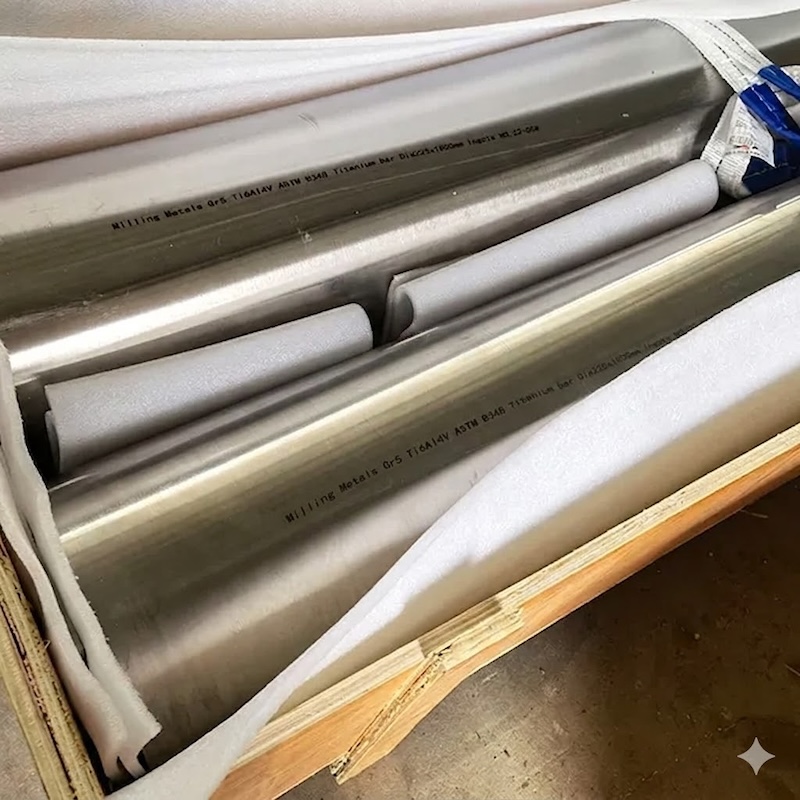
Titanium ingot is melt stock from which billet, slab and downstream mill products are converted. A supplier list becomes useful only when it separates melt route, alloy identity, heat/lot evidence, ingot geometry and surface/conditioning from the forged or rolled forms that follow. Five company-owned pages met the rule.
How the five company sources were selected
We froze the query titanium ingot supplier manufacturer VAR EB melt stock on 1 September 2026. Eligible sources were company-owned producer/supplier pages expressly offering titanium ingot and exposing a melt route, grade/alloy family, geometry, weight, surface or downstream-use field. Beiyu, geographies excluded by site policy, marketplaces, directories, scrap-only pages and billet-only pages were removed. The discovery order is not a melt-quality or supplier ranking.
A public page can identify a likely supply route. It cannot prove the allocated lot, current schedule, final inspection result or suitability of equipment/material not yet produced or assigned. Those points remain dated quotation fields.
Company pages that met the rule
| Company source | Page role | Visible fields | RFQ check |
|---|---|---|---|
| Toho Titanium | Titanium ingot mill page | Pure/alloy ingots, EB and VAR routes and representative size/weight examples | Select route and grade; page examples are not a committed project range |
| TIMET | Titanium ingot mill page | CHM, VAR or combined routes, alloy families and a broad published diameter/weight range | Return the approved melt sequence, alloy, geometry and quality plan |
| Heeger Metal | Titanium ingot supplier page | CP/alloy ingot and custom geometry/order context | Reconfirm standards, melt source, condition, dimensions and availability |
| North Steel | Sponge-to-ingot company page | VAR equipment/capability context, grades, dimensions and as-cast/turned surface fields | Exclude mutable capacity/review claims; require lot evidence and exact processing route |
| Yongshengtai | Titanium ingot product page | Published grade set and representative diameter/length/unit-weight fields for forging/manufacturing | Return the actual grade, melt route, heat identity, geometry and downstream acceptance |
The pages expose different melt technologies and commercial roles. A distributor may not own the furnace, and a mill’s broad alloy list does not mean every route is available for every heat size. Quotations should identify the producing source, approved raw-charge policy, melt sequence and the exact ingot form allocated to the order.
Keep ingot identity separate from billet and block
| Decision | Choices visible in the source set | Required written return |
|---|---|---|
| Supply form | Round ingot, slab ingot or another as-cast/conditioned melt form | Drawing/section, nominal weight/length and explicit exclusion of forged billet/block substitution |
| Melt route | VAR, EB/CHM, combined route or project-approved sequence | Furnace/sequence declaration, number of melts and producing source |
| Alloy/charge | CP or named alloy/grade; sponge, master alloy and approved revert policy | Heat chemistry, raw-charge declaration where required and traceability |
| Conditioning | As-cast, turned/peeled, cropped or surface-conditioned | Final surface, removal/crop basis, dimensional allowance and defect acceptance |
| Quality evidence | Chemistry/homogeneity, macro, ultrasonic or other supplementary checks | Methods, sampling locations, criteria, results and heat-linked document index |
ASTM B348 and B381 govern downstream bar/billet or forgings, not a universal ingot acceptance route. Do not place a downstream product standard on the ingot line without an agreed technical basis. The order should identify what operation follows: remelt, breakdown forging, rolling or another conversion. Crop, surface conditioning, geometry and internal-quality evidence affect that route. State whether nominal weight is informational or an acceptance range, how the top and bottom are identified, what material is removed before shipment, and how samples and results map back to the heat.
A page conflict is a verification prompt, not a finding that a company cannot supply the item. Preserve the observed conflict, request a clean technical return and make the purchase order control the final identity, geometry, responsibility and acceptance route.
Send one controlled RFQ
| RFQ line | Buyer input | Supplier return |
|---|---|---|
| Identity | CP/alloy grade, chemistry limits, intended conversion and applicable project specification | Offered alloy, producing source, heat identity and exceptions |
| Melt/charge | Required melt sequence, approved charge/revert policy and furnace restrictions | Documented route, number of melts and charge declaration |
| Geometry | Round/slab form, diameter or section, length, nominal/acceptable weight and crop | Finished geometry, weight, top/bottom identity and dimensional report |
| Conditioning | As-cast/turned/peeled surface, defect-removal and machining/conversion allowance | Conditioning route, removal record and surface acceptance |
| Testing/documents | Chemistry, homogeneity/macro, UT or supplementary checks and certificate scope | Methods, locations, criteria, heat-linked results and document index |
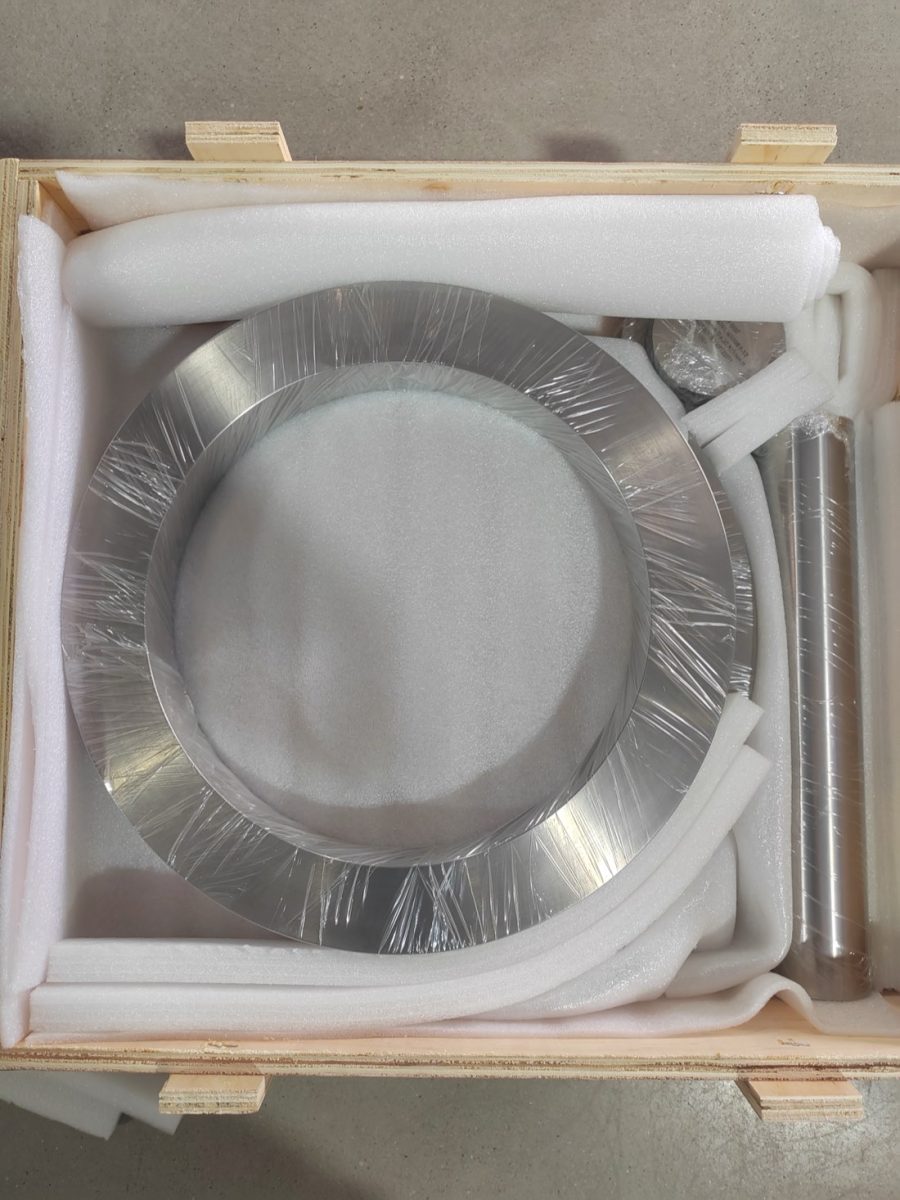
| Commercial | Quantity/heat plan, packing/support, required date and destination | Current schedule, validity, exclusions and shipping/handling plan |
Remove any source that cannot return the exact material, deliverable, finished geometry and acceptance evidence. Compare commercial terms only after the technical lines, responsibility boundary and document scope are aligned.
Where Beiyu fits
Beiyu is outside the five-company set. Its commercial-ingot route asks for alloy/grade, intended downstream conversion, melt/charge requirements, round or slab geometry, nominal weight/length, surface/conditioning, crop/removal basis, chemistry and supplementary inspection, heat traceability, quantity, documents and destination. Forged/rolled billet remains a separate form.
The fields in this section describe only Beiyu’s published enquiry route. They do not score the companies above and do not transfer to another company’s catalogue.
Related Beiyu pages
- Commercial titanium ingot
- Titanium slab and billet
- Titanium billet supplier pages compared
- ASTM B348 titanium bar and billet guide
Published by Beiyu Titanium. Beiyu is outside the five-company set. The sequence is a dated discovery snapshot after the stated exclusions, not a rating or endorsement.
Related supplier lists and supply ranges
- Titanium Fasteners
- Grade 2 Titanium Flange Suppliers
- Grade 5 Titanium Fastener Suppliers
- Grade 5 Titanium Forged Block Suppliers
- Grade 7 Titanium Strip Suppliers
- On-Site Sodium Hypochlorite Generator Manufacturers
- all supplier lists by product family
Specification detail with sources
Beiyu Titanium publishes this list and is not part of the comparison above. For readers who want the publisher’s own figures on the same basis they would ask of any supplier on this page, the material is specified to ASTM B348 and ASTM F136, and each order carries an EN 10204 type 3.1 certificate with heat and pour numbers by order scope.
Beiyu melts by triple vacuum arc remelting, and the ingot is converted in house to the mill forms it supplies: forged block from 50 to 600 mm, forged round bar 50 to 500 mm diameter in lengths to 3000 mm, and rolled round bar 1 to 500 mm diameter in lengths to 6000 mm. Ingot itself is quoted against the ordered conversion route rather than from a fixed size table.
These are Beiyu published supply and process figures, not limits taken from the standard; limit values belong to the standards named above and are confirmed against the exact edition on the purchase order. Certification is stated as a production capability, and no stock position, delivery time or price is implied by any figure on this page.