




ASTM B338 / B861Tube reference by route
Grade 2 / 7 / 12Selected by medium
Bending reviewCoil radius and wall checked
Pressure / leak testWhen specified
Acceptance is by the ordered specification. Final dimensions, tolerances, grade, inspection and documentation are confirmed by the drawing, purchase order and mill test certificate.
Titanium Heat Exchanger Coils for Tanks and Corrosive Heat Transfer
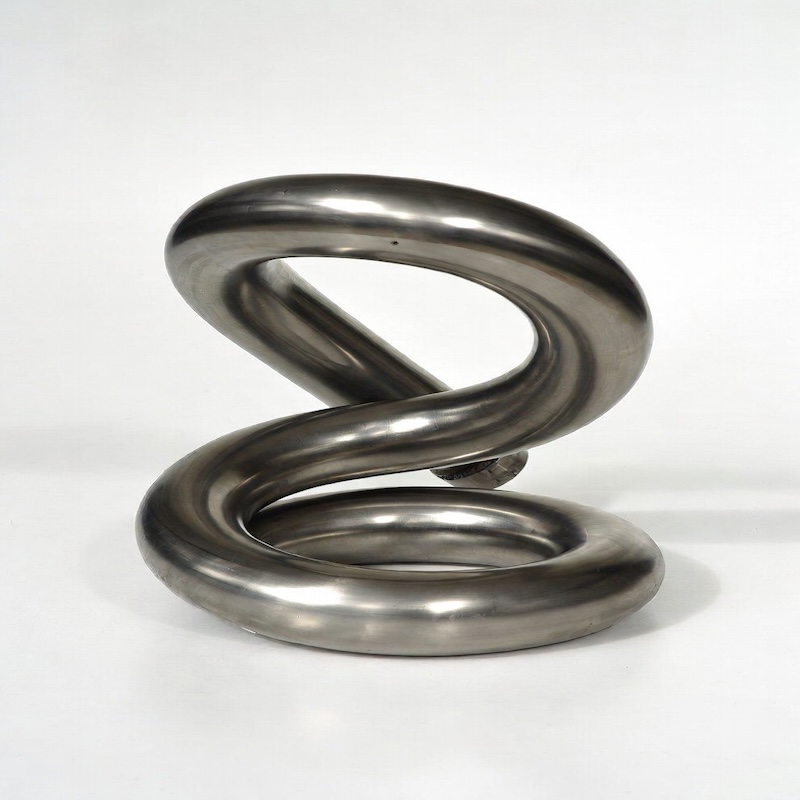
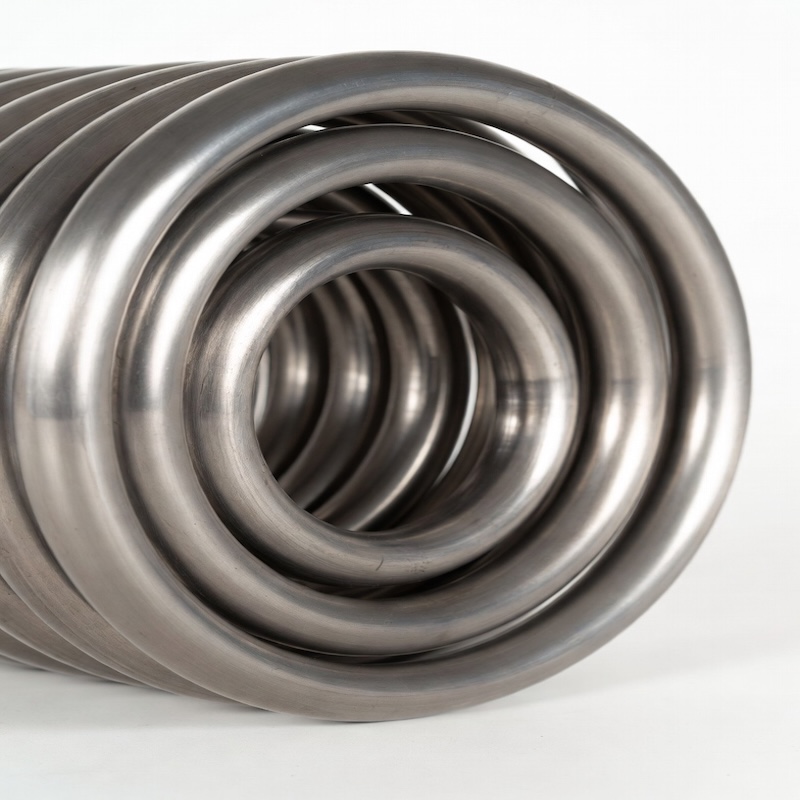
Beiyu supplies titanium heat exchanger coils made from coiled titanium tube for corrosive heat transfer applications. This page focuses on coil-type heat exchangers and coiled titanium tube assemblies, not shell and tube heat exchanger equipment.
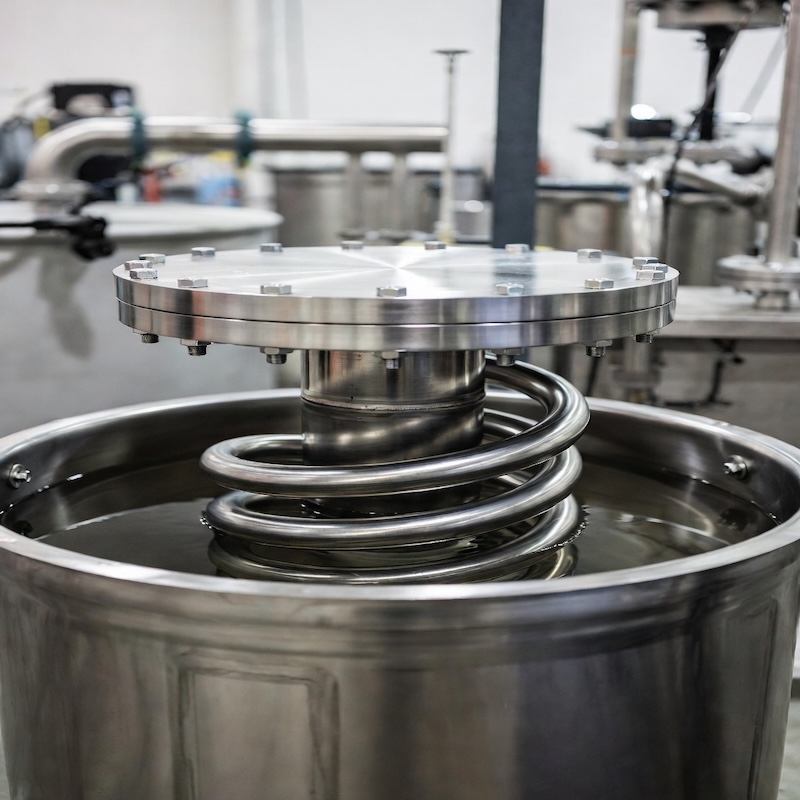
Titanium coils are commonly used inside tanks, process vessels, plating baths, anodizing lines, seawater systems and chemical equipment where a compact corrosion-resistant heat transfer surface is required. The coil geometry, tube size and connection details should be reviewed together with the process medium, temperature and pressure.
Material Grades and Tube Standards
| Common grades | Grade 2, Grade 7, Grade 12 and project-specified titanium grades. |
|---|---|
| Tube references | ASTM B338, ASTM B861, ASTM B862 or customer drawing depending on tube construction and application. |
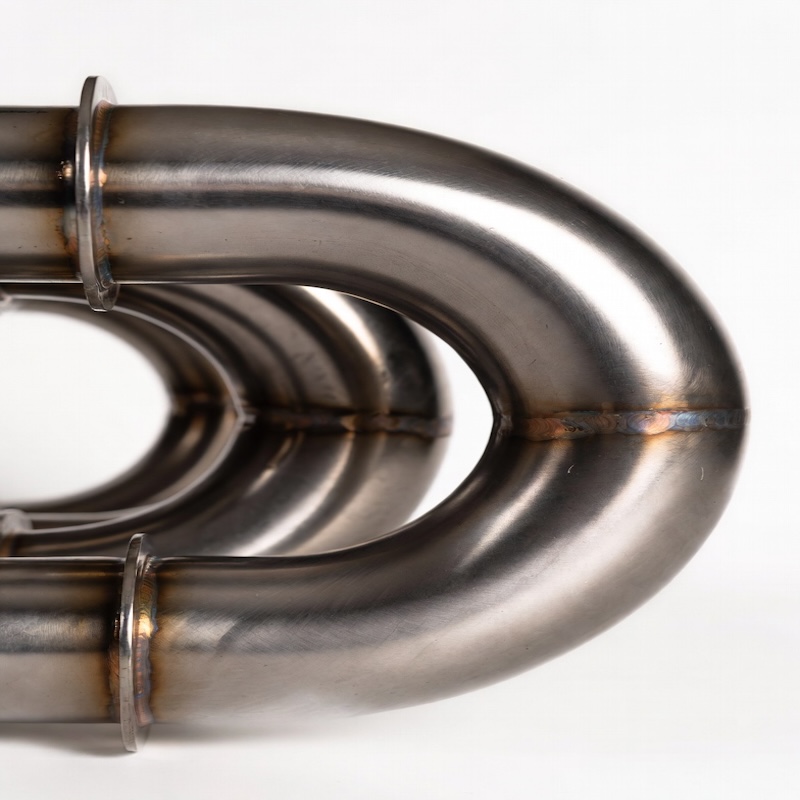
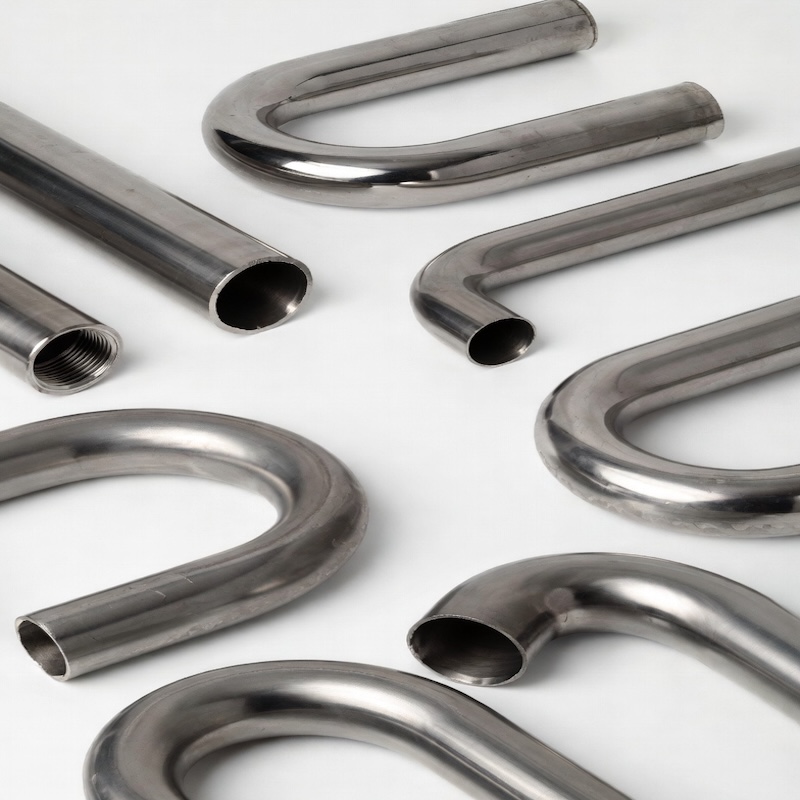
| Coil forms | Helical coil, spiral coil, U-shaped coil, serpentine coil or drawing-based tube coil assembly. |
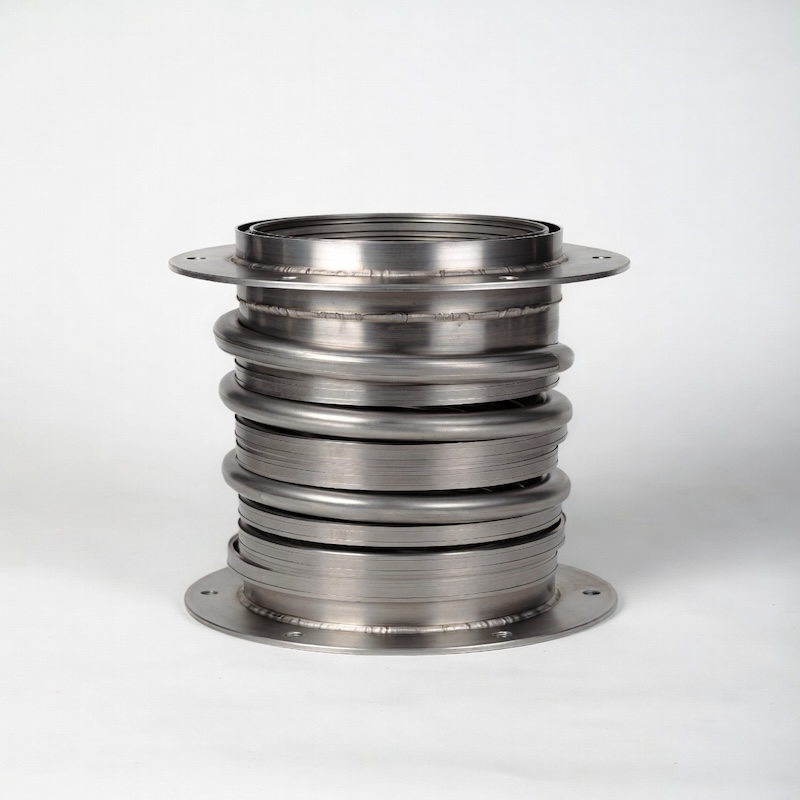
| Connection options | Plain tube ends, flanged connection, threaded fitting, welded nozzle or custom connection by drawing. |
Coil Geometry and RFQ Data
RFQs should specify tube outside diameter, wall thickness, coil outside diameter, coil inside diameter, coil height, pitch, number of turns, tube length, inlet and outlet orientation, connection type and quantity. If the coil must fit inside an existing tank, drawings or photos with installation dimensions are important.
Process data should include heating or cooling medium, operating temperature, operating pressure, tank medium, chloride concentration if relevant, flow requirement and cleaning method. These details help confirm grade selection, tube wall thickness and testing requirements.
Common Applications
- Chemical tanks and corrosion-resistant process vessels
- Anodizing, plating and electrochemical bath heating or cooling
- Seawater, brine and desalination-related heat transfer
- Heat recovery coils and compact tube coil assemblies
- Replacement titanium coils made from drawings or samples
Inspection and Documentation
Buyers can request mill test certificate, EN10204 3.1 documentation, heat number traceability, chemical composition, mechanical properties and dimensional inspection. Depending on project requirements, hydrostatic testing, pressure testing, PMI testing, weld inspection, leak testing or third-party inspection can be specified.
Packaging and Export Information
Titanium heat exchanger coils should be packed to protect tube bends, connection ends, sealing faces and coil geometry. Coils may require internal supports, wrapping, wooden cases or pallets depending on diameter and weight. Labels should identify grade, tube size, drawing number, heat number and quantity where traceability is required.
RFQ Information Needed
- Titanium grade and tube standard
- Tube OD, wall thickness, tube length and coil dimensions
- Coil type, pitch, turns, inlet/outlet orientation and connection details
- Process medium, temperature, pressure and flow requirement
- Drawing, sample photo or installation dimensions if available
- Testing, certificate and third-party inspection requirements
FAQ
How is a titanium heat exchanger coil different from a shell and tube heat exchanger?
A titanium heat exchanger coil is usually a coiled tube assembly placed in a tank or process vessel, while a shell and tube heat exchanger is a complete equipment structure with shell, tube bundle, tube sheets and nozzles.
Which titanium grade is used for heat exchanger coils?
Grade 2 is commonly used for general corrosion-resistant service. Grade 7 or Grade 12 may be specified for more demanding chemical or chloride-containing environments.
What information is needed to quote a titanium coil?
Send tube size, coil diameter, coil height, number of turns, connection type, titanium grade, process medium, temperature, pressure, quantity and required documents.
Related Heat Exchanger RFQ Pages
Coil heat exchanger RFQs may be quoted together with titanium coil tubing, seamless tube, tube sheets and pipe connections.
Common applications
Review fabrication and machining support22
Ti
Titanium
Chemical bath heating and coolingConfirm medium, temperature, drawing tolerance, inspection and documentation scope before quotation.Seawater and brine heat transferConfirm medium, temperature, drawing tolerance, inspection and documentation scope before quotation.Electroplating and pickling tanksConfirm medium, temperature, drawing tolerance, inspection and documentation scope before quotation.Custom titanium coil replacementConfirm medium, temperature, drawing tolerance, inspection and documentation scope before quotation.
Specification detail with sources
A coil is bought as tube and accepted as tube, so the acceptance basis is the tube product specification the order names, not the coil geometry. The geometry is a fabrication instruction sitting on top of it: coil diameter, pitch, number of turns, leg orientation and the length of the straight ends. None of those are set by a material standard, which is why an enquiry carrying only a grade and a tube size still leaves the item undefined.
The reported values on the certificate have a named basis rather than a general one. Titanium composition figures are produced by specific methods, and the bar and billet specification ASTM B348 references ASTM E1409 for oxygen and nitrogen, ASTM E1447 for hydrogen and ASTM E1941 for carbon, with rounding to ASTM E29 applied before a value is compared to a limit (ASTM B348, referenced documents and test methods). Which document applies to a coil is set by the tube specification the order names, and the practice of naming the method rather than implying one runs through the family. A heat analysis and a later product analysis are not interchangeable, and a figure sitting marginally outside a limit is first a question of which analysis is being read. Beiyu Titanium supplies coils with an EN 10204 3.1 mill test certificate carrying heat number traceability, with the reporting scope set by the order, and reviews grade, standard, tube dimensions, coil geometry and inspection scope before quotation.
Compare related titanium components
Chemical equipment categoryProduct
Material
Reference
RFQ focus
Titanium Shell and Tube Heat Exchanger
Gr2 / Gr7 / Gr12
Drawing
Complete heat exchanger units
>
Titanium Heat Exchanger Coil
Gr2 / Gr7 / Gr12
ASTM B338 / B861
Coiled tube heat transfer
Titanium Blower
Gr2 / Gr7
Drawing
Corrosive gas handling
>
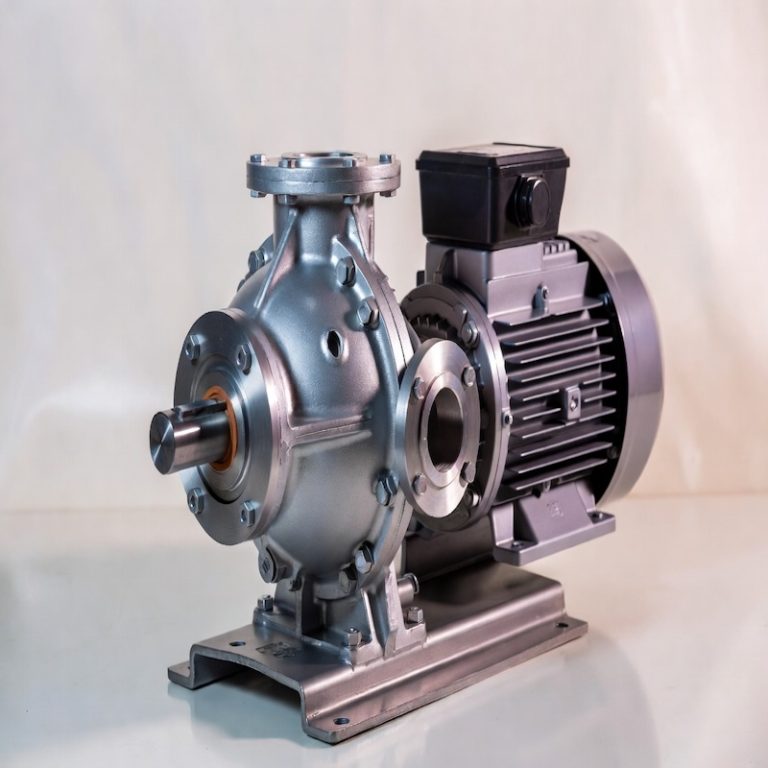
Titanium Pump
Gr2 / Gr7 / Gr12
Project spec
Corrosive liquid transfer
>
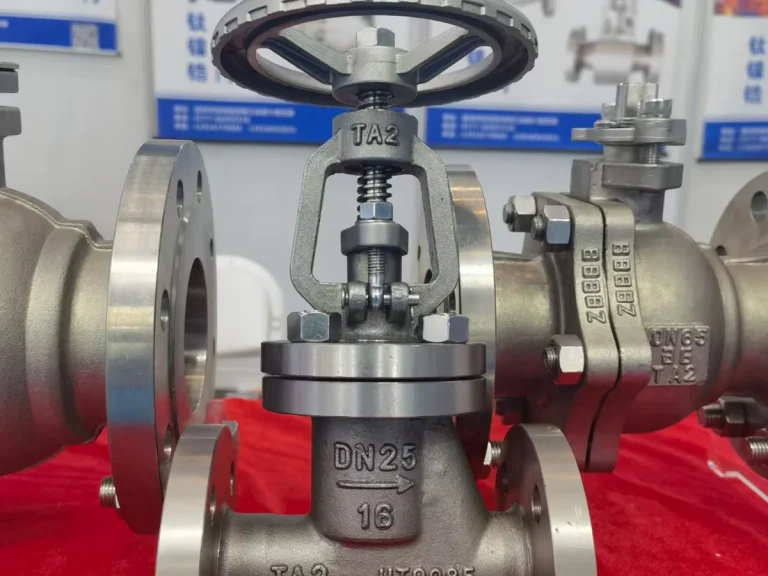
Titanium Valve
Grade by medium
Project spec
Chemical and seawater valves
>
Titanium Ball Valve
Grade by medium
Project spec
Valve replacement projects
>
Grade 2 Titanium Tube Sheet
Grade 2
Drawing
Heat exchanger tube plate
>
Related RFQ pages
Chemical equipment category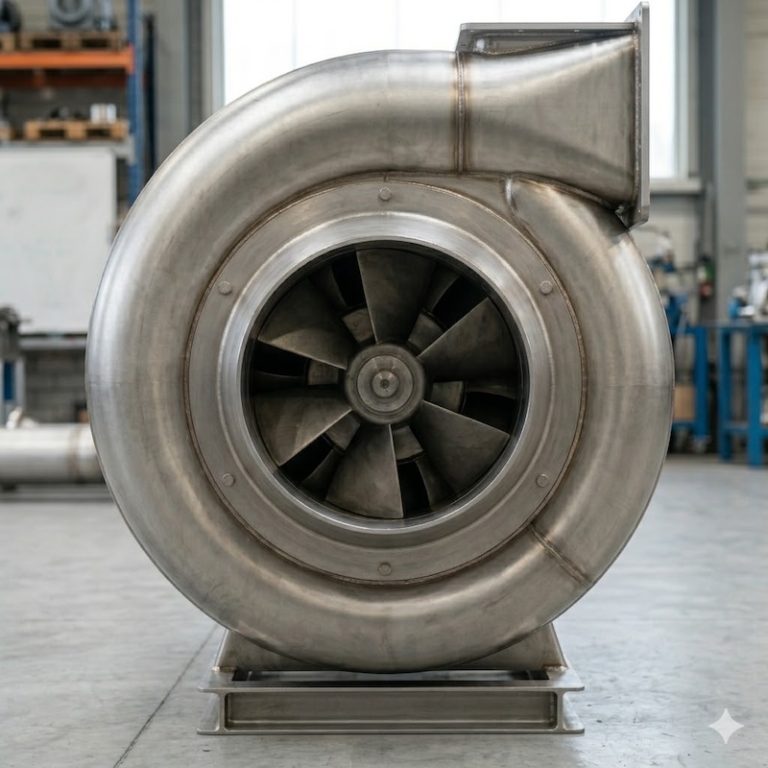
For a view of who else publishes this material and what each one states, see Titanium Heat Exchanger Coil Suppliers: Five Company Pages Compared.
Request a quote for Titanium Heat Exchanger Coil | Coiled Titanium Tube for Corrosive Service
Send grade, drawing or standard, dimensions, quantity, inspection scope and delivery destination. Beiyu replies with quotation, lead time and documentation scope.