June 2026

Technical guide cover: Titanium vs Aluminum: Strength, Weight, Heat and Corrosion

Titanium vs Aluminum: Strength, Weight, Heat and Corrosion

Titanium and aluminum are both light metals that get specified to save weight, so they end up competing for the same aerospace, marine and high-performance jobs. The trade is clear once you line them up: aluminum is lighter and far cheaper, titanium is much stronger, holds heat, resists corrosion and survives fatigue. This page compares […]

Titanium vs Aluminum: Strength, Weight, Heat and Corrosion Read More »
Technical guide cover: Titanium vs Stainless Steel: Corrosion, Strength, Weight and Cost

Titanium vs Stainless Steel: Corrosion, Strength, Weight and Cost

Titanium and stainless steel both resist corrosion and both get specified for chemical, marine and process work, so buyers often have to choose between them. Titanium wins on corrosion in chlorides and on strength-to-weight, stainless wins on price and ease of fabrication, and there is a band of jobs where either would work and budget

Titanium vs Stainless Steel: Corrosion, Strength, Weight and Cost Read More »

Technical guide cover: Grade 1 Titanium (CP Titanium, UNS R50250): Properties, Formability and When to Use It

Grade 1 Titanium (CP Titanium, UNS R50250): Properties, Formability and When to Use It

Grade 1 is the softest commercially pure titanium, UNS R50250, Werkstoff 3.7025. ASTM B265 sets 240 MPa minimum tensile strength with 24 percent minimum elongation and holds oxygen to 0.18 wt%. That combination makes it the grade for deep drawing, cladding, explosive-bonded plate and wire. Grade 1 titanium is the softest and most formable of

Grade 1 Titanium (CP Titanium, UNS R50250): Properties, Formability and When to Use It Read More »

Technical guide cover: Grade 12 Titanium (Ti-0.3Mo-0.8Ni, UNS R53400): Properties, Crevice Corrosion and When to Use It

Grade 12 Titanium (Ti-0.3Mo-0.8Ni, UNS R53400): Properties, Crevice Corrosion and When to Use It

Grade 12 titanium is Ti-0.3Mo-0.8Ni, UNS R53400, Werkstoff 3.7105. ASTM B265 specifies 0.2 to 0.4 wt% molybdenum with 0.6 to 0.9 wt% nickel, giving about 483 MPa minimum tensile strength and a higher crevice corrosion threshold than Grade 2 in hot brine, at lower cost than the palladium grades. Grade 12 titanium is the corrosion-upgrade

Grade 12 Titanium (Ti-0.3Mo-0.8Ni, UNS R53400): Properties, Crevice Corrosion and When to Use It Read More »

Technical guide cover: Grade 9 Titanium (Ti-3Al-2.5V, UNS R56320): Properties, Tube Use and When to Choose It

Grade 9 Titanium (Ti-3Al-2.5V, UNS R56320): Properties, Tube Use and When to Choose It

Grade 9 titanium is Ti-3Al-2.5V, UNS R56320, Werkstoff 3.7195. Minimum tensile strength is about 620 MPa, against 345 MPa for Grade 2 and 895 MPa for Grade 5. It stays cold formable and weldable at that strength, which is why it is the grade most often drawn into tube. Grade 9 titanium sits between commercially

Grade 9 Titanium (Ti-3Al-2.5V, UNS R56320): Properties, Tube Use and When to Choose It Read More »

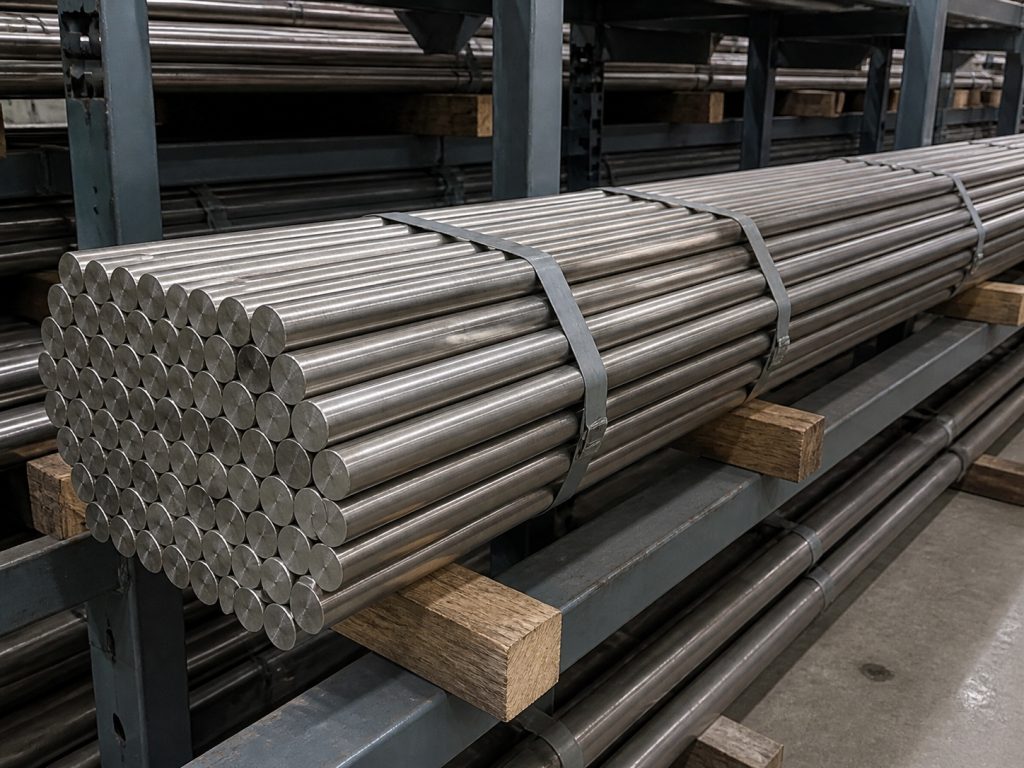
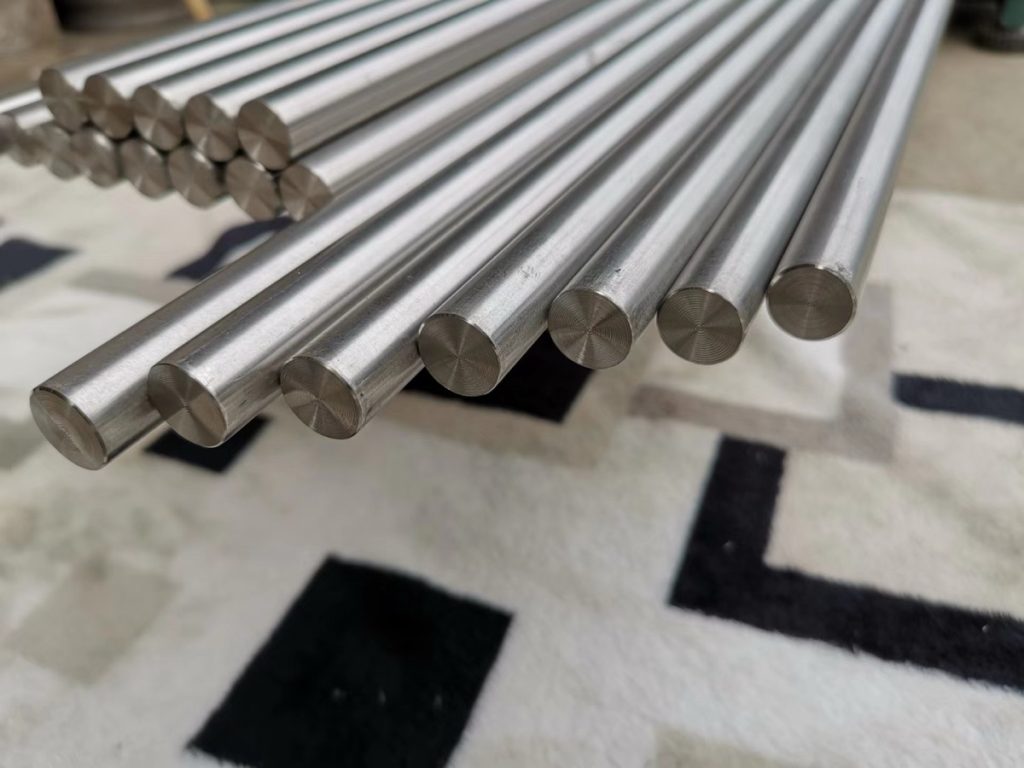
Grade 2 titanium round bars stored on rack supports for ASTM B348 RFQs

Grade 2 Titanium (CP, UNS R50400) Data Sheet: Properties and Specifications

Grade 2 titanium is commercially pure (unalloyed) titanium, UNS R50400, Werkstoffnummer 3.7035. ASTM B265 and B348 set it at 345 MPa (50 ksi) minimum tensile strength with 20 percent minimum elongation. It is the most used of the four commercially pure grades, holding working strength and seawater corrosion resistance while staying formable and weldable. Grade

Grade 2 Titanium (CP, UNS R50400) Data Sheet: Properties and Specifications Read More »

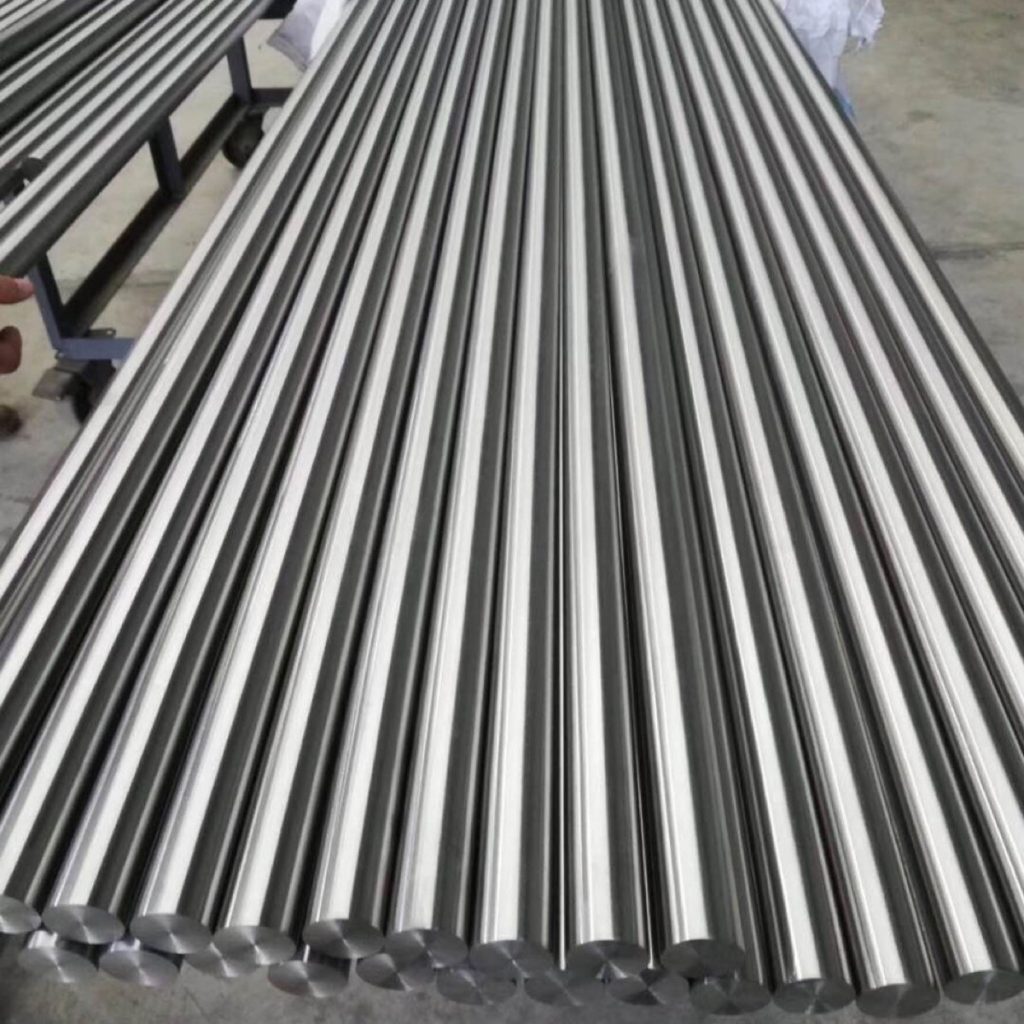
Grade 5 Ti-6Al-4V titanium round bars, machined ends, AMS 4928 / ASTM B348

Grade 5 Titanium (Ti-6Al-4V, UNS R56400) Data Sheet: Properties and Specifications

Grade 5 titanium is Ti-6Al-4V, UNS R56400: an alpha-beta alloy of 5.50 to 6.75 % aluminum and 3.50 to 4.50 % vanadium, balance titanium. Minimum tensile strength is 895 MPa against 345 MPa for commercially pure Grade 2, at a density of 4.43 g/cm3. It is the grade specified when commercially pure titanium is not

Grade 5 Titanium (Ti-6Al-4V, UNS R56400) Data Sheet: Properties and Specifications Read More »

Grade 7 Ti-0.15Pd titanium round bars, ASTM B348 / B381

Grade 7 Titanium (Ti-0.15Pd, UNS R52400): Properties, Corrosion and When to Use It

Grade 7 is commercially pure titanium with 0.12 to 0.25 wt% palladium per ASTM B265, UNS R52400, Werkstoff 3.7235. Strength matches Grade 2 at 345 MPa minimum tensile, so the palladium buys corrosion performance in reducing acids rather than mechanical properties. Grade 7 titanium is commercially pure titanium with a small palladium addition. ASTM specifies

Grade 7 Titanium (Ti-0.15Pd, UNS R52400): Properties, Corrosion and When to Use It Read More »

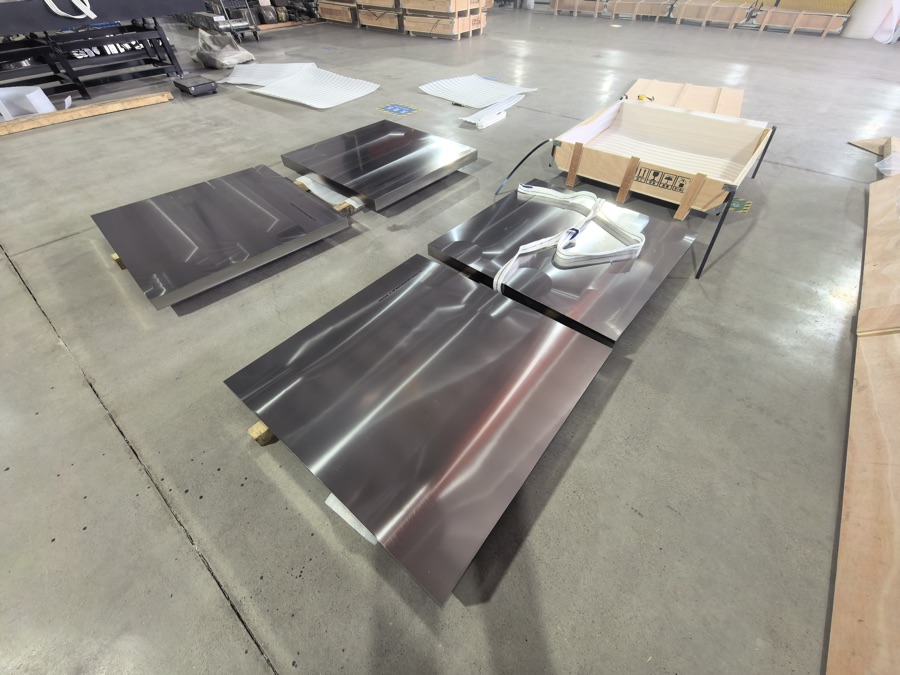
Titanium sheet for premium fixtures

Titanium in Retail and Display Fixtures: PVD Finish or Solid Metal?

When a retail fixture is described as titanium, it usually does not mean the part is made of titanium. In most display cases, counters and shopfitting hardware, the word points to a thin titanium-based coating on stainless steel, applied to get a gold, rose, champagne or black color that resists scratching. Solid titanium does turn

Titanium in Retail and Display Fixtures: PVD Finish or Solid Metal? Read More »

Technical guide cover: How Titanium Mill Products Are Made: From Sponge to Bar, Plate, Tube and Forgings

How Titanium Mill Products Are Made: From Sponge to Bar, Plate, Tube and Forgings

Every titanium bar, plate, tube and forging starts as titanium sponge and passes through the same broad route: melt the sponge into an ingot, work the ingot into a mill form by forging or rolling, then finish it to a grade, size and surface. Knowing that route tells a buyer why a given form carries

How Titanium Mill Products Are Made: From Sponge to Bar, Plate, Tube and Forgings Read More »

Scroll to Top