
Gr1 / Gr2Common titanium substrate grades
Ru-Ir / Ir-TaCoating family by electrolyte
Active areaDefined from drawing or cell design
MTC / COADocuments by purchase requirement
Acceptance is by the ordered specification. Values and coating notes are RFQ references only. Final chemistry, coating, dimensional inspection and documentation are confirmed by the purchase specification and mill or coating records.
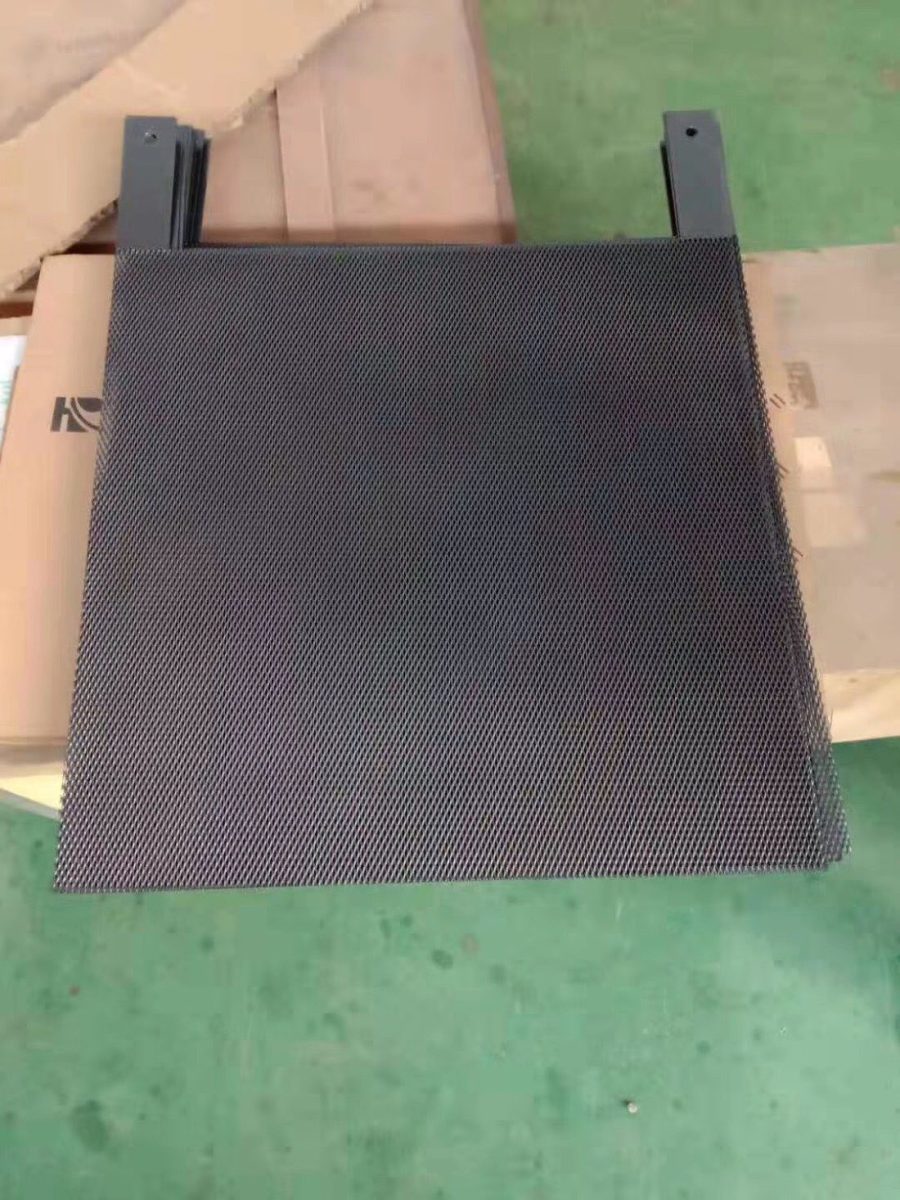
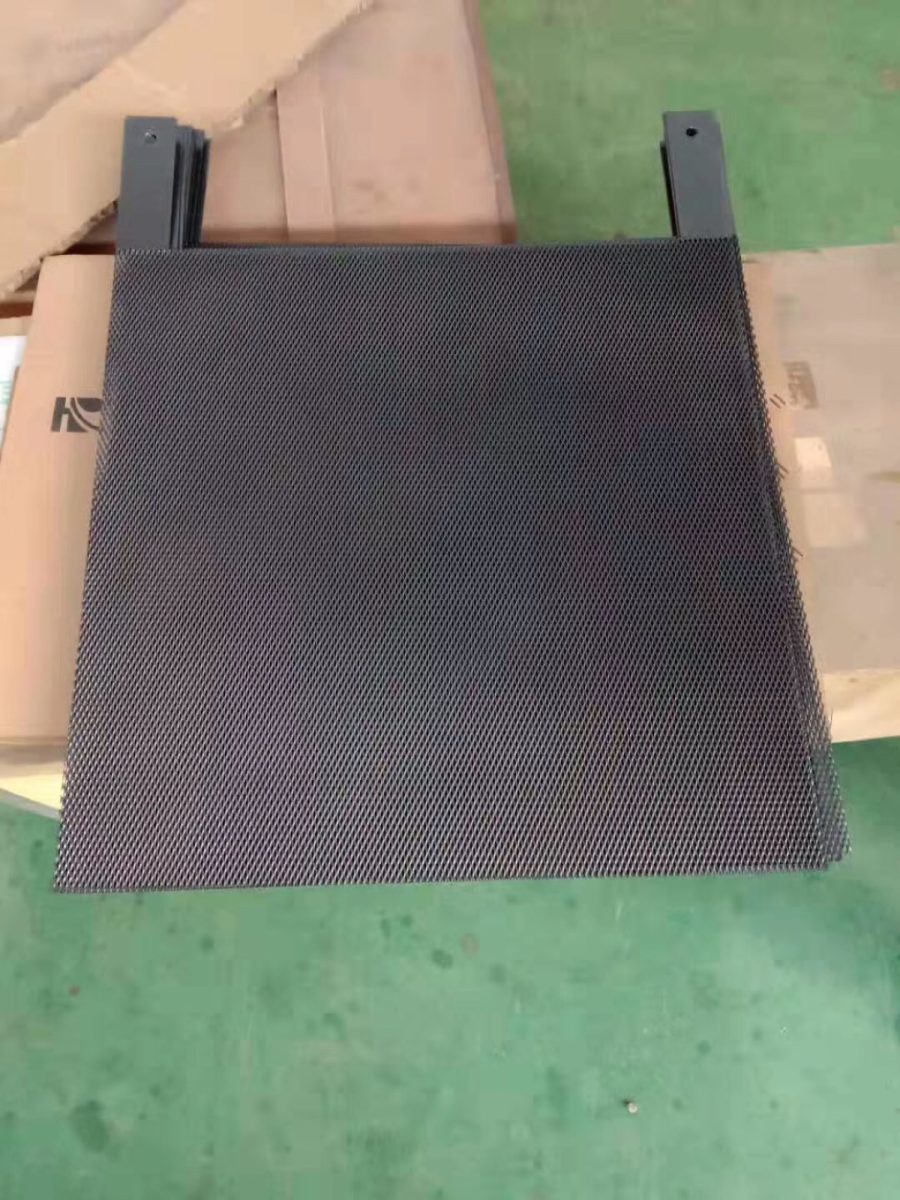
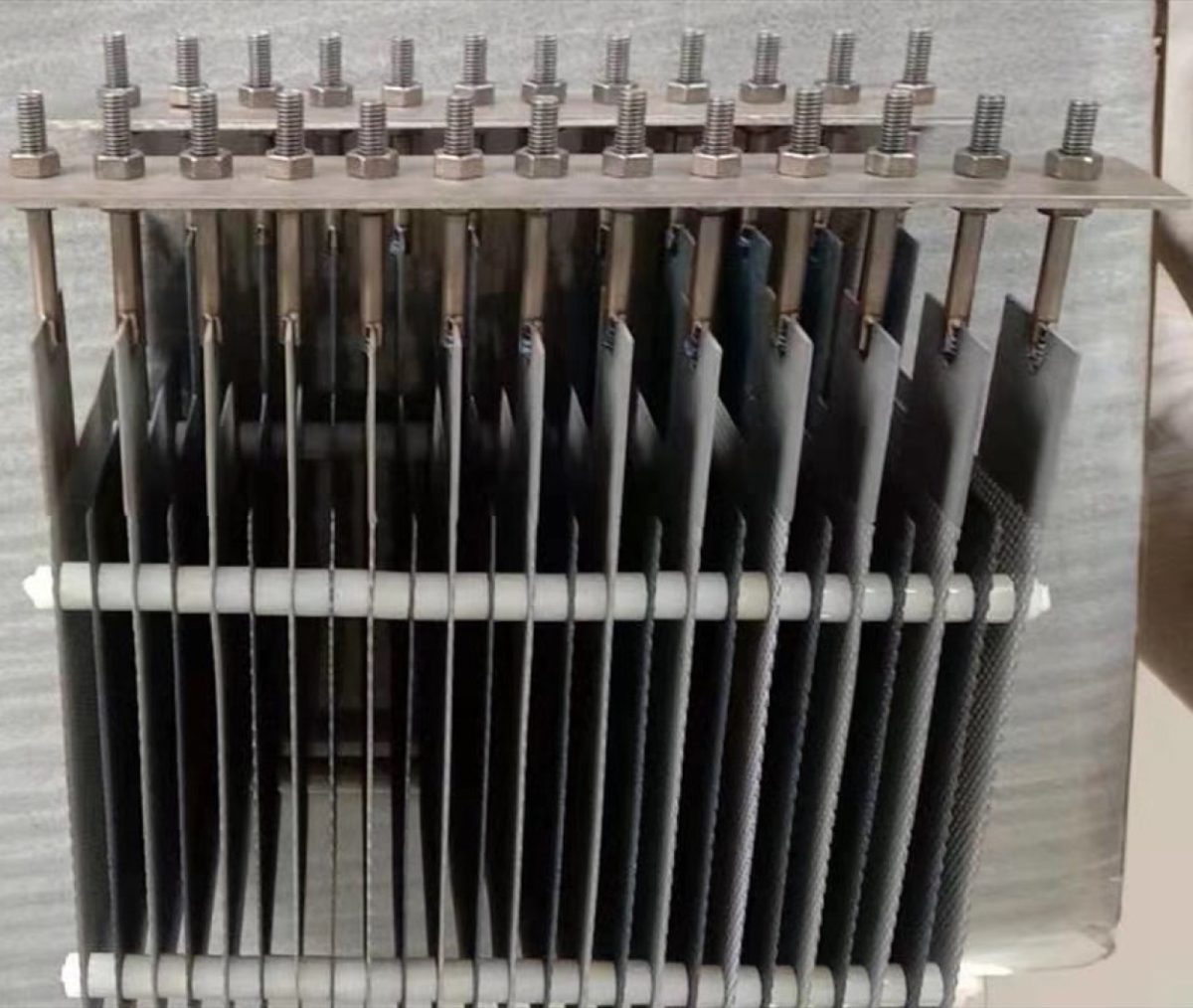
The anode with titanium-based metal oxide coatings we called is MMO Coated Titanium Anodes.
The different surface catalytic coatings, it has the function of difference, such as oxygen evolution and chlorine evolution respectively.
Commonly, electrodes has a good electrical conductivity, small change in pole distance, good corrosion resistance, greater mechanical strength and processing performance, defined electrochemical behavior when the coating, substrate and operating current density are specified.
Titanium is the most suitable for the above comprehensive The required metal, generally industrial pure titanium Gr.1 and Gr.2.
The fields of application of DSA-coated titanium anodes and MMO Coated Titanium Anodes are: chlor-alkali industry, chlorate production, hypochlorite production, perchlorate production, persulfate electrolysis, electrolytic organic synthesis, electrolytic extraction of non-ferrous metals, electrolytic silver catalyst production, Copper foil production by electrolysis, mercury recovery by electrolytic oxidation, water electrolysis, production of chlorine dioxide, hospital sewage treatment, treatment of cyanide-containing wastewater in electroplate plants, disinfection for industrial waters, treatment of cooling circulating water, wool spinned treatment of factory dyeing and finished wastewater, production of acid-base ionized water by electrolysis, galvanizing, rhodium-plating, palladium-plating, gold-plating, lead-plating of copper plates, desalination of seawater by electrodialysis, preparation of tetramethyl hydroxide by electrodialysis Ammonium, molten salt electrolysis, battery production, cathodic protection, production of negative electrode foil, anodization of aluminum foil, etc. It is widely used in chemical industry, metallurgy, water treatment, environmental protection, electroplating, electrolytic organic synthesis and other fields.
|
MMO Coated Titanium Anodes |
|
|
Product functions |
The metal oxide coating of titanium anode functions: low resistivity, good electrical conductivity (titanium itself has poor electrical conductivity), stable chemical composition of the precious metal coating, stable crystal structure, stable electrode size, and corrosion resistance. It has good electrocatalytic performance, which is beneficial to reduce the overpotential of oxygen evolution and chlorine evolution reaction and save electric energy. |
|
Advantages |
1. Titanium anode has a long working life.In chlor-alkali industry production, the titanium anode is resistant to both chlorine and alkali corrosion, life more than 6 years, but graphite anode life is 8 months only. 2. Titanium anodes can overcome the dissolution problem, and avoid electrolyte and cathode products be polluted, thus improving the metals products' purity. 3. It can improve the current density.In the production of chlor-alkali, graphite anode working current density is 8A/dm2, titanium anode 17A/dm2. In this way,keep the same conditions of the electrolysis plants and the electrolytic cells, the output can be doubled, and The single-slot production capacity effectively and labor productivity be improved. titanium anodes is the ideal one when electrolysis is performed at high operating current densities. 4. It is possible for operating chlorate electrolytic cells when it high temperature and high current density due to use titanium anodes. Titanium anodes makes electrolytic cell structure be improved, reduced power consumption, chemical reaction of hypochlorite to generate are chlorateaccelerated,production performance improved. 5.Using DSA, reduced the energy consumption, design concept and operate conditions of mercury method and diaphragm method salt electrolytic cells are improved.The low overpotential of DSA and easily removal of air bubbles on the surface between electrodes and are the reasons for the reduction of voltage of the metal anode electrolytic cell. Titanium anode have many advantages, its made chlor-alkali industry got a great economic benefits, so it will be popularized and used all over the world soon. The production capacity of chlor-alkali is about 41 million tons per year in the world, and the titanium anode is not less than 70%. Titanium anode is an important tech-revolution in chlor-alkali industry. Subsequently, titanium anodes have also been widely used in many electrolysis industries.6. The anode dimension is stable, and the distance between electrodes does not changed when in the electrolysis process, Its assured that the electrolysis operation underthe condition of stable cell voltage. 7. It can avoid the short circuit problem if the anode deformed, and improved current efficiency. |
|
8. The titanium anode is light in weight, which can reduce labor intensity. 9. The switch is easy to make and can be high-precision. 10. The working voltage is low, so the power consumption is small, which can save power consumption, and the DC power consumption can be reduced by 10% to 20%. The main reasons for the low working voltage of titanium anode are: 1) The overpotential of active coated titanium anode to chlorine and oxygen is relatively low. When salt water electrolysis produces chlor-alkali, the titanium anode has a low chlorine overpotential, which is 140mV lower than that of the graphite anode at 1A/cm2; 2) It can reduce the "bubble shielding effect", and the bubbles generated on the surface of the metal anode are relatively small and detached quickly, so that the electrode The aeration degree between the two electrodes is greatly reduced, the ohmic drop between the two electrodes is about 700mV, and the diameter of the bubble is about 3mm; 3) the resistance of anode structure is reduced; 4) Shorten the distance between the electrodes. In the 1960s, the world was about 150 billion kWh electricity consumption of the salt electrolysis industry .It will be about to 300 million kWh of electricity can be saved per year After titanium anodes.11. In the production of chlor-alkali, after the titanium anode is used, the product quality is high, the purity of chlorine gas is high, it does not contain CO2, and alkali concentration is higher, which heating steam and energy consumption can be saved. 12. It has strong corrosion resistance and can work in various electrolytic media. 13. The titanium metals can be used again after treatment. 14. With titanium anodes developments, the ionic electrolysis technology that has recently has been designed and industrialized in the chlor-alkali industry |
|
Grade 1 or 2 titanium substrate, MMO coating, and the cell reaction the RFQ defines
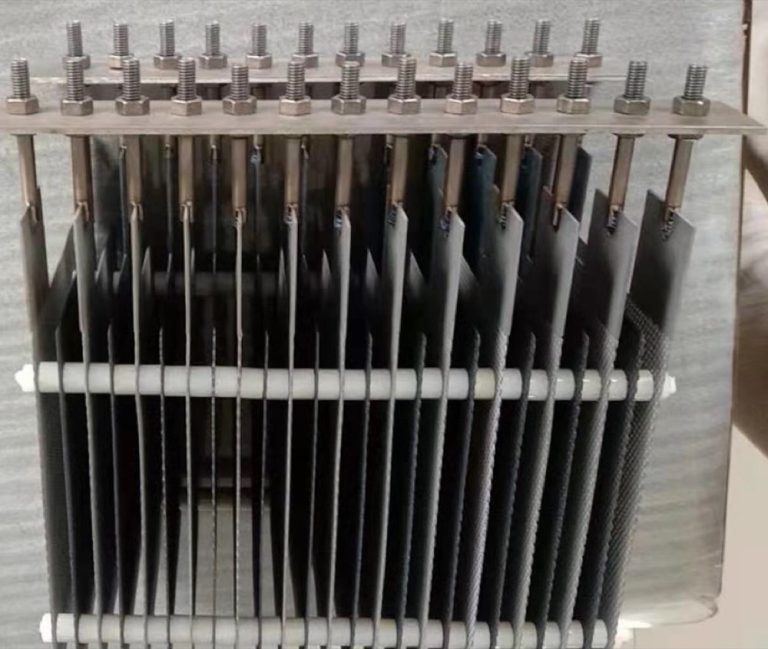
MMO coated titanium anodes use a Grade 1 or Grade 2 titanium substrate with a mixed metal oxide working layer selected for the electrolyte and electrochemical reaction. RFQs should define whether the anode is for chlorine evolution, oxygen evolution, electro-oxidation, electrowinning, water treatment or a custom cell.
Grade and Standards
| Substrate | Commercially pure titanium Grade 1 or Grade 2, selected by drawing and forming requirement |
|---|---|
| Coating | Mixed metal oxide coating system according to operating medium and duty requirement |
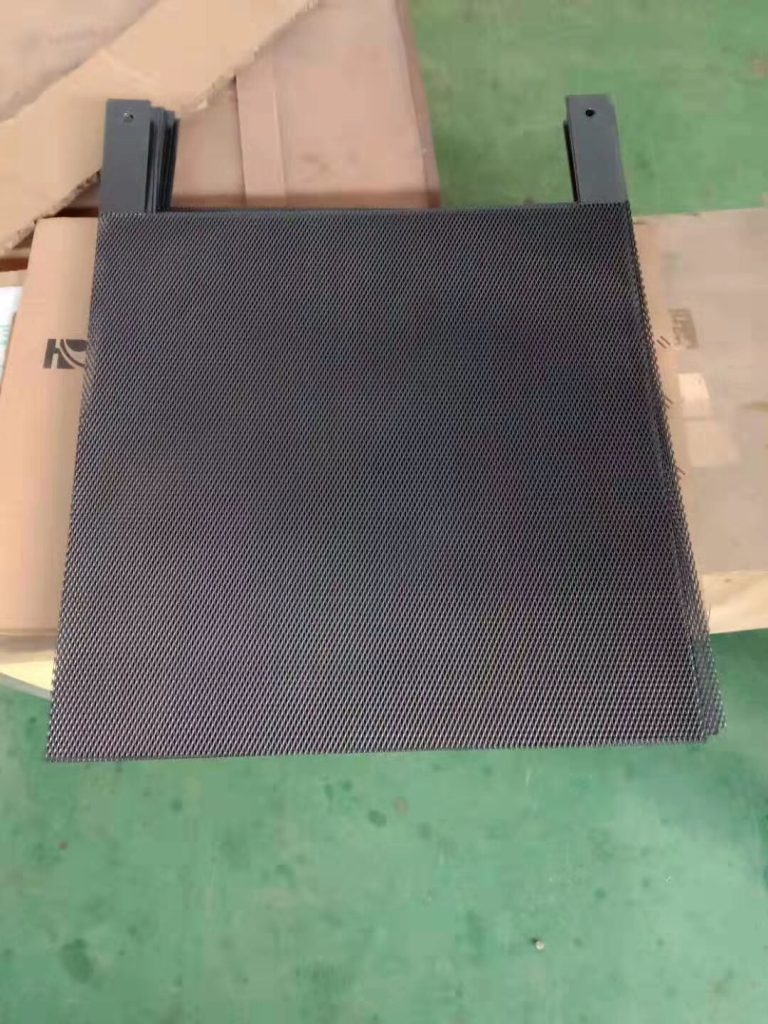
| Forms | Plate, mesh, tube, rod, strip, basket, frame or fabricated assembly |
| Documentation | Substrate MTC, coating record, dimensional inspection and EN 10204 3.1 documentation when specified |
Size, Tolerance and Surface
Quote MMO anodes by drawing, active area and installation details. Include overall dimensions, plate thickness, mesh opening, tube diameter, hole position, hanger or terminal design, coating area, masked area, tolerance and surface preparation requirement.
Packaging and Export Information
MMO coated titanium anodes should be packed to protect the active coating, edges, hangers and terminals. Export packing may include individual wrapping, separator material, rigid support for assemblies, moisture protection and wooden case or pallet packing.
FAQ
What information is needed for an MMO titanium anode RFQ?
Send substrate grade, anode form, dimensions, active area, coating type, operating medium, current density if available, quantity, inspection documents and packing requirement.
Is one MMO coating suitable for every electrolyte?
No. The coating system should be selected according to electrolyte, reaction type, temperature, current density and cleaning method. If the equipment designer specifies a coating, include that specification in the RFQ.
Common Applications
Chlorine evolution and water-treatment cells
Electrochemical oxidation equipment
Cathodic protection and brine service
Drawing-based titanium electrode assemblies
Specification detail with sources
An MMO anode is accepted twice, and only the metal underneath is covered by a titanium product specification. The substrate arrives as a grade with composition limits and a certificate; the mixed metal oxide layer is a process with its own description. Buyers who write only the coating onto the order leave the substrate to a default, and the two records then have to be reconciled at receiving rather than agreed at ordering.
On the substrate side the figures have a named basis. Unalloyed titanium is separated by interstitial content rather than by appearance, and in the bar and billet specification ASTM B348 Grade 1 carries oxygen at 0.18 percent maximum with iron at 0.20 percent maximum, while Grade 2 carries 0.25 percent oxygen maximum and 0.30 percent iron maximum (ASTM B348, chemical requirements). That specification covers bar and billet, so it is not the acceptance basis for anode sheet or mesh, but it shows what actually separates the two grades that anode substrates are normally written against. The methods behind the numbers are named in the document as well: ASTM E1409 for oxygen and nitrogen, ASTM E1447 for hydrogen and ASTM E1941 for carbon, with rounding to ASTM E29 before a value is compared to a limit (ASTM B348, referenced documents and test methods). Beiyu Titanium supplies the titanium substrate with an EN 10204 3.1 mill test certificate carrying heat number traceability, with the reporting scope set by the order.
Beyond the classic coatings: multi element oxide systems
The three classic families cover most duties, but some electrolytes sit between them or attack a single oxide system faster than the buyer expects. For those cases the coating is built from more elements rather than more thickness, and the composition is selected against the solution rather than taken from a catalogue.
| System | Composition |
|---|---|
| Quaternary | Ruthenium iridium tin titanium, or ruthenium iridium platinum titanium, or iridium tantalum tin titanium |
| Five element | Ruthenium iridium tin cobalt titanium |
| Six element | Ruthenium iridium tin cobalt nickel titanium |
| Other coated electrodes | Three dimensional coated titanium electrodes, tin oxide titanium electrodes and nickel electrodes |
These are developed for special and complex solution environments, which makes the enquiry different from a standard one. Instead of naming a coating, state the electrolyte with its concentration, the temperature, the current density, the impurities that matter and what failed last time if an earlier anode was replaced. The coating system is then proposed against those conditions.
A spent anode of any of these systems is normally a recoating candidate rather than scrap, because the titanium substrate outlives the coating. The duty, the substrate form, the dimensions and the inspection scope are reviewed before quotation, and the titanium is certified to EN 10204 3.1 with heat number traceability.
Compare titanium anode products
Titanium anode category| Product | Material | Reference | Best for | Link |
|---|---|---|---|---|
| MMO Coated Titanium Anodes | Grade 1 / Grade 2 titanium substrate | Coating specification | General MMO anode requirements | Current page |
| Ru-Ir Titanium Anodes | Ru-Ir MMO coating | Drawing specification | Chlorine evolution and NaClO systems | View |
| Platinum Plated Titanium Anode | Pt plated titanium | Drawing specification | Electrochemical and water-treatment cells | View |
| Sodium Hypochlorite Anode Group | MMO titanium assembly | Cell drawing | NaClO generator replacement groups | View |
| Titanium Electrodes | MMO / Pt coating | Drawing specification | Custom electrode assemblies | View |
Related titanium products
Titanium anode category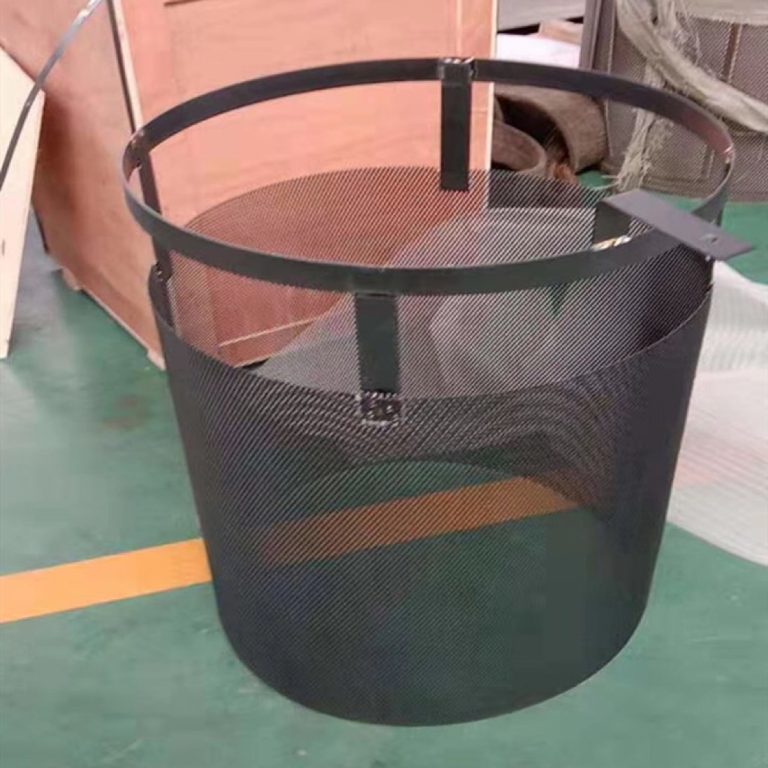
For a view of who else publishes this material and what each one states, see MMO Coated Titanium Anode Suppliers: Five Company Pages Compared.
Request a quote for MMO Coated Titanium Anodes
Send drawing, grade or coating requirement, dimensions, operating data, quantity and certificate needs. Beiyu replies with quotation, lead time and documentation scope.