
Chemical equipment parts from titanium and corrosion-resistant metals are used in corrosive media, seawater, brine, electrochemical service, hydrometallurgy and industrial fluid handling. This category includes heat exchanger coils, shell and tube heat exchanger components, tube sheets, agitator shafts, blowers, chlorine generator parts and drawing-based equipment components for chemical process systems. Material selection should be reviewed against medium, concentration, chloride level, operating temperature, pressure and fabrication method. RFQs should include drawings, material grade, applicable standard, inspection documents, welding or machining requirements and packing needs. For pressure-related or fluid-contact parts, buyers should define design code responsibility and required test reports before production. When a part connects to existing equipment, nozzle size, flange standard, sealing face and installation space should also be confirmed.
Chemical equipment products
Showing 1-4 of 4 products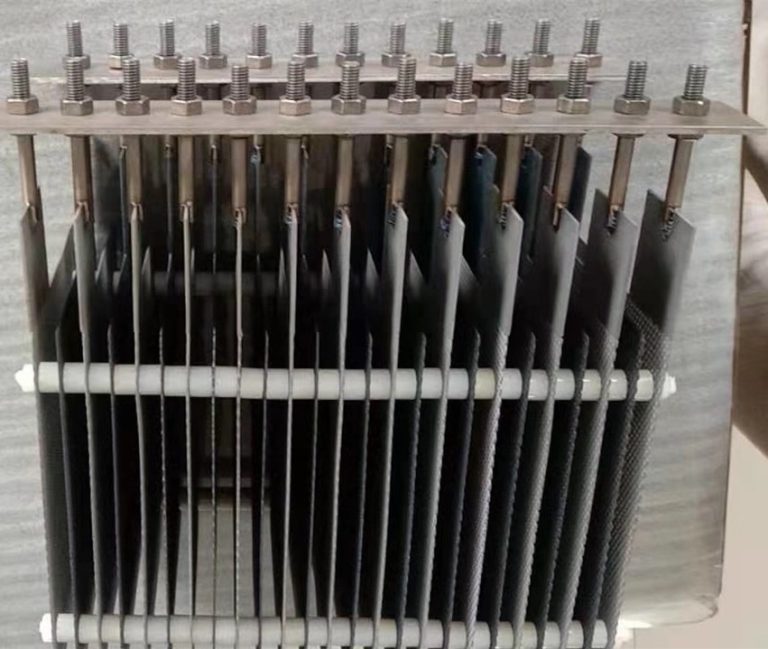 Chlorine Generator for Water Treatment | Titanium Anode CellChlorine generator for water treatment systems using titanium anode components for sodium hypochlorite generation, disinfection and electrochemical water treatment equipmentView & RFQ >GRADE 2
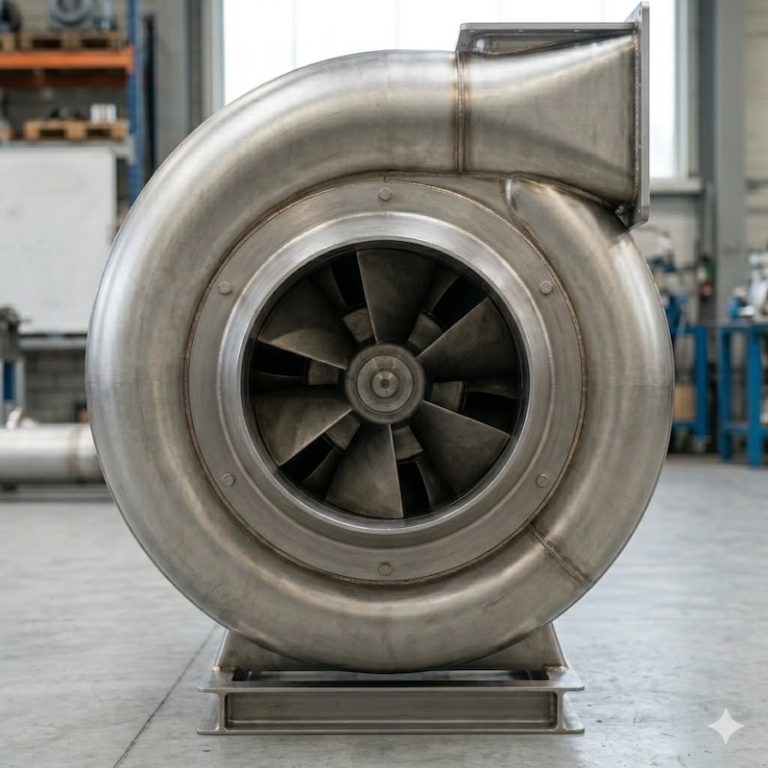 Titanium Blower for Corrosive Environments | Custom Gr2/Gr7 Industrial FansCustom titanium blower components and fan assemblies for corrosive gas handling in chemical and environmental equipmentView & RFQ >COIL
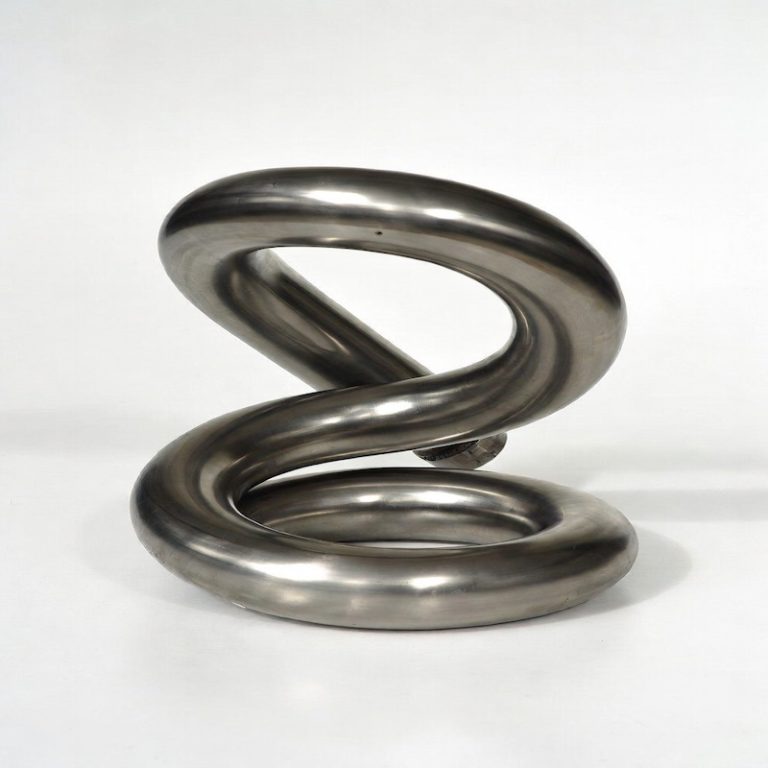 Titanium Heat Exchanger Coil | Coiled Titanium Tube for Corrosive ServiceTitanium heat exchanger coils made from coiled titanium tube for seawater cooling, chemical tanks, plating lines, anodizing systemsView & RFQ >GRADE 2
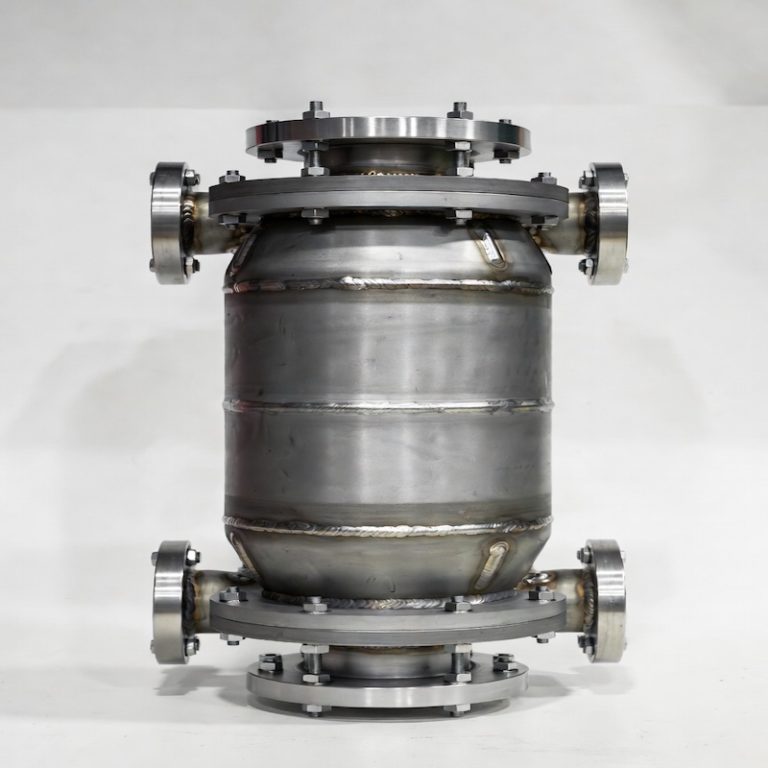 Titanium Shell and Tube Heat Exchanger | Grade 2 / Grade 7 / Grade 12Titanium shell and tube heat exchanger for seawater cooling, chemical processing, desalination, brine service and corrosion-resistant industrial heat transferView & RFQ >
Choose the chemical-equipment route by process duty
The four product cards above are four existing RFQ routes. A titanium chemical-equipment RFQ should start with the process duty, not the grade name alone. Select the closest route, then send the medium, operating conditions, capacity or duty, drawing and inspection scope that control technical review and quotation.
| Equipment route | Choose this route when | RFQ inputs to define | Product page |
|---|---|---|---|
| On-site chlorine generation / titanium anode cell | The system uses titanium anode components for sodium hypochlorite generation, disinfection or electrochemical water treatment. | Application, water or electrolyte condition, target output or capacity, cell drawing, anode requirement, power connection, quantity and inspection documents. | Chlorine generator |
| Immersion or open-tank heat-exchanger coil | The heat-transfer surface is a shaped titanium tube coil for a tank, plating line, anodizing system, seawater duty or heat-recovery loop. | Process medium, temperature and pressure, required duty, titanium grade, tube OD and wall, coil diameter and height, connections, drawing and test scope. | Titanium coil |
| Shell-and-tube heat exchanger | The project needs a closed exchanger or component package with defined shell-side and tube-side process conditions. | Both media, inlet and outlet temperatures, pressure, flow or thermal duty, tube size, tube-sheet material, drawing, design requirement and inspection scope. | Shell-and-tube exchanger |
| Corrosion-resistant blower or fan | The duty is corrosive-gas handling for chemical, process or environmental equipment rather than liquid heat transfer. | Gas composition and contaminants, temperature, required flow and pressure, material grade, impeller or casing drawing, connections, drive scope and inspection requirements. | Titanium blower |
Send the process medium and concentration, contaminants, temperature, pressure, flow or duty/output, drawing, connections, material requirement, quantity, inspection and document scope.
Email chemical-equipment RFQChemical equipment RFQ questions
Which Chemical equipment grade should be specified?
Select the grade by service medium, strength requirement, forming or machining route and any buyer drawing. Common options in this category include Gr 2, Gr 7, Gr 12, Drawing parts.
Which standards apply to Chemical equipment RFQs?
The purchase order should state the applicable material or project standard. Typical references for this category include ASTM material, Weld inspection, Pressure/leak test, MTC / 3.1.
What information should be sent for quotation?
Send grade, standard, dimensions, tolerance, quantity, surface condition, application, destination and required documents such as MTC or EN 10204 3.1.
More about Chemical equipment
For corrosive fluid-control points in a chemical equipment package, see titanium valve options and provide medium, pressure and connection details with the RFQ.
Related equipment pages include titanium blower, titanium shell and tube heat exchanger and Grade 2 titanium tube sheet for corrosion-resistant chemical equipment assemblies.
For grade selection in acid, chloride and reducing chemical service, see the titanium grade selection guide for chemical processing.
Which titanium grade for which chemical service condition?
Pick the grade from the service medium and temperature, then confirm it against the project specification. Grade 2 covers seawater, brine and oxidizing chloride service at moderate temperature. Grade 12 extends chloride and hot brine service to higher temperature at lower cost than Grade 7. Grade 7 carries the strongest resistance in reducing acids and severe crevice conditions.
| Service condition | Grade | Planning note |
|---|---|---|
| Seawater, brine, oxidizing chlorides at moderate temperature | Grade 2 | The TIMET corrosion manual puts possible crevice attack on unalloyed titanium at about 93 C and above in sharp crevices in near-neutral brine and above about 82 C in seawater, and says it is not likely below 70 C |
| Hot chloride brine and process liquor to around 200 C | Grade 12 (Ti-0.3Mo-0.8Ni) | Improved crevice resistance over Grade 2 at lower alloy cost than Grade 7 |
| Reducing acids and the most severe crevice conditions | Grade 7 (palladium-alloyed) | Best crevice and reducing-acid resistance of the three grades |
Temperatures above are planning references from published titanium corrosion data, not service guarantees. Review the actual medium, concentration, aeration and temperature profile against the project specification before the grade is fixed, and state them on the RFQ.
Which ASTM standards cover chemical equipment components?
Each product form in a titanium equipment package is ordered to its own ASTM standard, and the purchase order should quote the standard against each line item rather than one standard for the whole package.
| Product form | ASTM standard |
|---|---|
| Sheet, strip and plate (shells, linings, tube sheets) | B265 |
| Condenser and heat-exchanger tube | B338 |
| Seamless pipe | B861 |
| Welded pipe | B862 |
| Welding fittings | B363 |
| Bar and billet (shafts, machined parts) | B348 |
| Forgings (covers, rings, nozzle parts) | B381 |
Material is supplied with MTC and EN 10204 3.1 by order scope, with heat-number traceability across the package.
Specification detail with sources
ASME B16.5 and PED 2014/68/EU frame the equipment side of a titanium package before any material specification applies: B16.5 rates flanged joints from NPS 1/2 through 24 in seven pressure classes from 150 to 2500, while the Pressure Equipment Directive sorts pressure equipment into four conformity categories, I through IV, that set the depth of notified body involvement. Both entries, the flange class and the PED category, come from the equipment design rather than from the material certificate, so they belong on the equipment RFQ alongside the material grade, two values no ASTM document can supply.
Beiyu’s role in a chemical equipment package is the wetted material feeding the fabrication: plate from 3 to 70 mm thick in widths to 2,500 mm for tube sheets and baffles, bar from 1 to 500 mm diameter for agitator and pump shafts, and welded pipe from 6.35 to 1,219 mm outside diameter with walls to 25.4 mm in lengths to 22,000 mm for headers and shell courses. That material is produced under an ISO 9001 quality system arrangement with chemical analysis run through one of two laboratory routes, nondestructive testing on part of the products and third party inspection by agreement, and Beiyu quotes it only after reviewing grade, standard, dimensions, tolerance, surface condition and inspection scope against the design entries above.
Request a quote for Chemical equipment
Send grade, standard, size, tolerance, quantity, application and certificate requirements for review.