Technical Guides

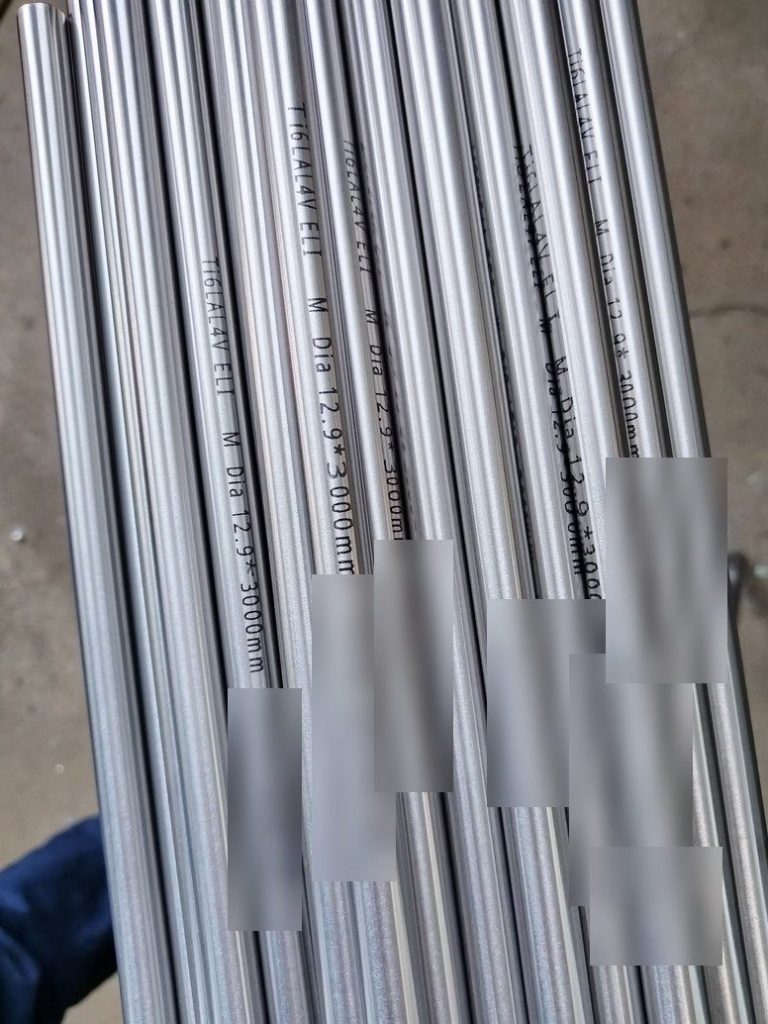
Titanium Grade 23 ELI bar marked with grade, annealed condition and size, with the heat number masked

Titanium Bar Marking, Separation and Packing

Marking and packing are traceability, not logistics Once bar leaves the rack, the only thing keeping the certificate attached to the metal is what is written on the piece and how the lot was separated. Buyers who run incoming inspection to an implant or pressure specification treat these as acceptance fields, not shipping preferences. What […]

Titanium Bar Marking, Separation and Packing Read More »
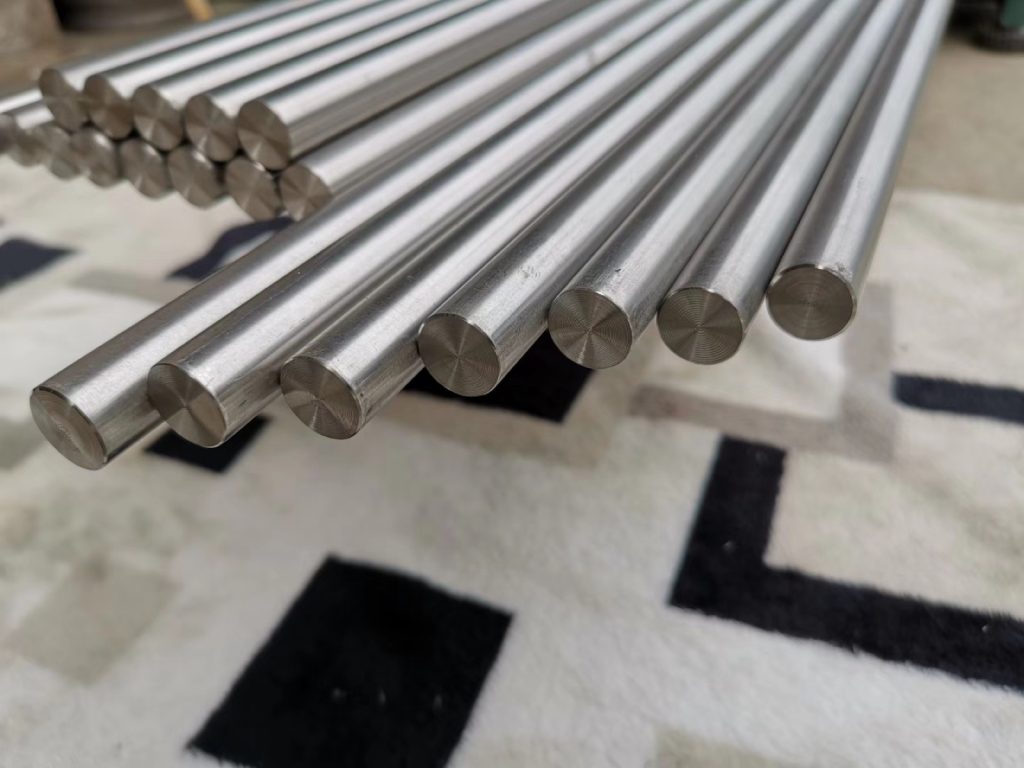
Polished titanium round bar stock

Grade 23 Titanium (Ti-6Al-4V ELI) Data Sheet: Properties, UNS and Standards

Grade 23 titanium is Ti-6Al-4V ELI, the extra low interstitial version of the Ti-6Al-4V alloy. ELI means the melt is held to tighter oxygen and iron limits than Grade 5, and under the ASTM B-series to a tighter nitrogen limit as well. Those interstitials are what make Ti-6Al-4V notch sensitive, so cutting them buys fracture

Grade 23 Titanium (Ti-6Al-4V ELI) Data Sheet: Properties, UNS and Standards Read More »

Technical guide cover: Grade 2 vs Grade 5 Titanium (CP Titanium vs Ti-6Al-4V): Corrosion vs Strength, and How to Choose

Grade 2 vs Grade 5 Titanium (CP Titanium vs Ti-6Al-4V): Corrosion vs Strength, and How to Choose

Grade 2 is the grade you specify when a part has to survive a medium. Grade 5 is for parts that carry load. Once you know which of those two duties governs, the grade is close to settled, and the remaining work is product form, condition and documents. Grade 2 is commercially pure titanium, UNS

Grade 2 vs Grade 5 Titanium (CP Titanium vs Ti-6Al-4V): Corrosion vs Strength, and How to Choose Read More »

Technical guide cover: Grade 5 vs Grade 23 Titanium (Ti-6Al-4V vs Ti-6Al-4V ELI): Differences and When to Use Each

Grade 5 vs Grade 23 Titanium (Ti-6Al-4V vs Ti-6Al-4V ELI): Differences and When to Use Each

Grade 5 and Grade 23 are the same Ti-6Al-4V alloy, but Grade 23 is the extra-low-interstitial (ELI) version, with tighter oxygen and iron limits. Grade 5 is slightly stronger (895 MPa minimum tensile against 828 MPa for Grade 23) and cheaper. Grade 23 trades that small amount of strength for substantially higher fracture toughness, better

Grade 5 vs Grade 23 Titanium (Ti-6Al-4V vs Ti-6Al-4V ELI): Differences and When to Use Each Read More »

Technical guide cover: Titanium vs 316L Stainless vs Copper-Nickel for Seawater Piping

Titanium vs 316L Stainless vs Copper-Nickel for Seawater Piping

For seawater piping, 316L stainless steel is the wrong default. Its pitting resistance is too low for chloride immersion, so it pits and crevice-corrodes, usually at welds, deposits and stagnant zones. The two materials that actually survive seawater are copper-nickel and titanium. Copper-nickel (90/10 and 70/30) is the proven, biofouling-resistant choice for moderate-velocity piping. Titanium

Titanium vs 316L Stainless vs Copper-Nickel for Seawater Piping Read More »

Scroll to Top