
4.43 g/cm3Typical Grade 23 density
>= 860 MPaTypical tensile strength
>= 795 MPaTypical 0.2% yield
>= 10%Typical elongation
Acceptance is by the ordered standard. Values are typical references only. Final chemical composition, mechanical properties, inspection scope and documentation are confirmed by the purchase specification and mill test certificate.
Ti-6Al-4V ELI (Grade 23) Titanium Bar for Implant and High-Toughness Parts
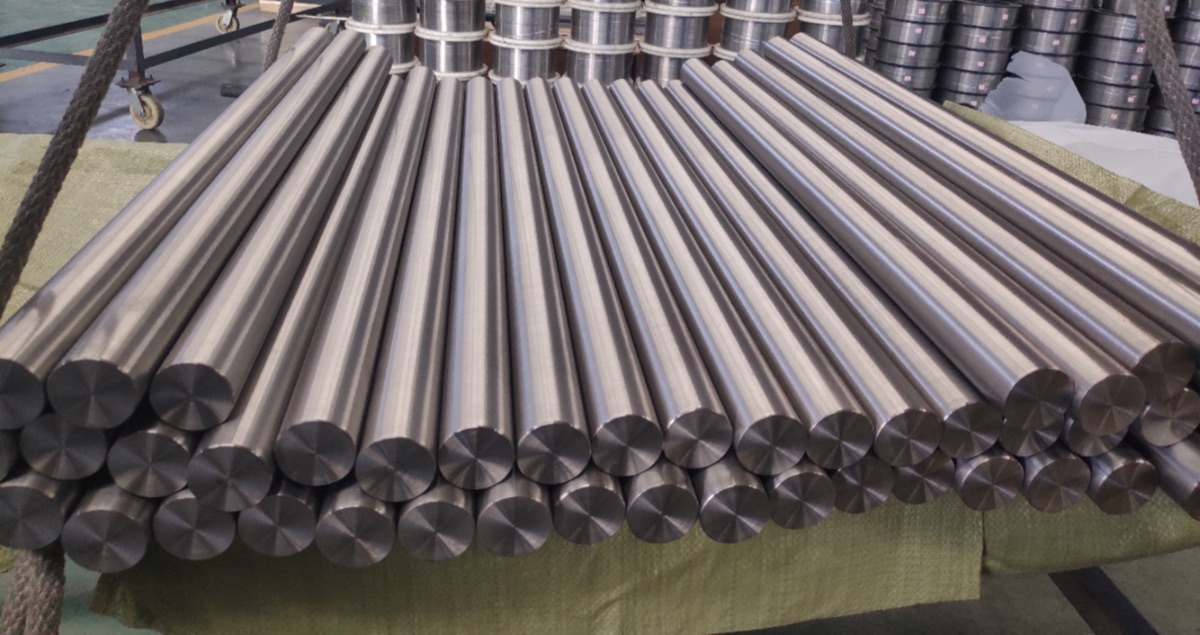
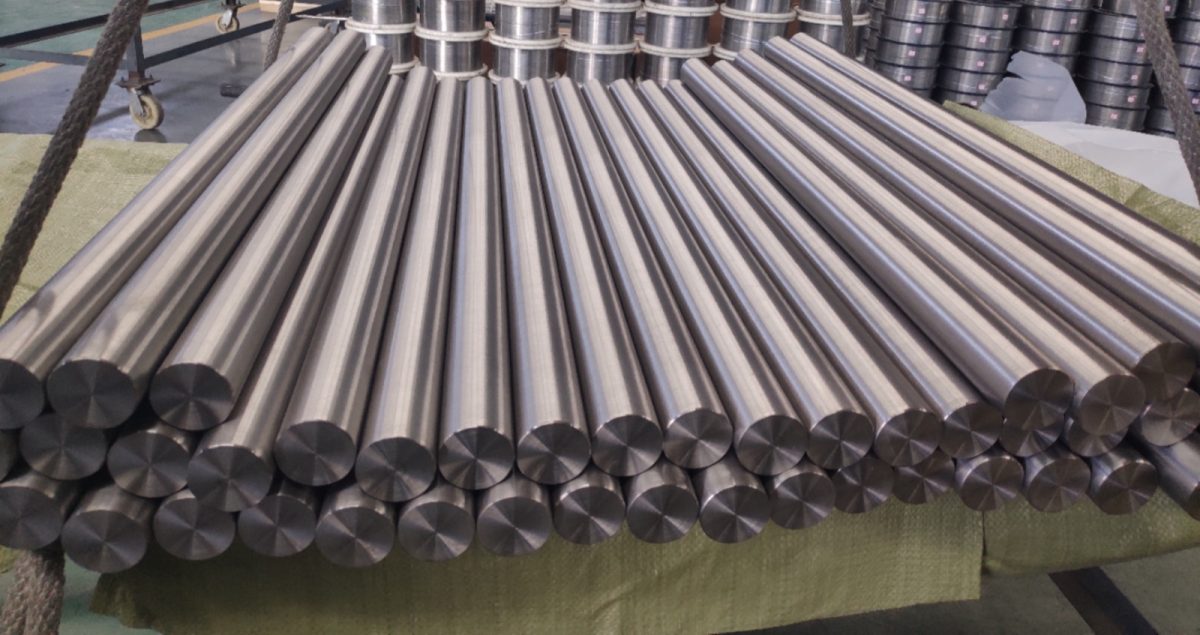
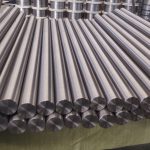
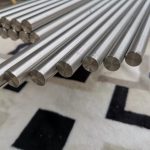
Beiyu supplies Grade 23 titanium bar in Ti-6Al-4V ELI (Extra Low Interstitials), the high-purity version of the Grade 5 alloy. The lower oxygen and iron content of ELI gives improved ductility and fracture toughness, which is why Grade 23 is used for surgical implant and medical-related components as well as demanding low-temperature and high-toughness applications.
Grade 23 bar should be quoted by diameter, condition, tolerance and the controlling specification, because implant and critical applications usually require strict chemistry control and traceability.
Grade and Standards
| Material | Grade 23 titanium / Ti-6Al-4V ELI / UNS R56401 |
|---|---|
| Standard reference | ASTM F136 for surgical implant material, ASTM B348 for general bar, AMS 4930 where specified |
| Condition | Annealed; controlled interstitial chemistry |
| Forms | Round bar, ground bar and cut-to-length bar |
Size, Tolerance and Surface Condition
| Parameter | Beiyu supply envelope |
|---|---|
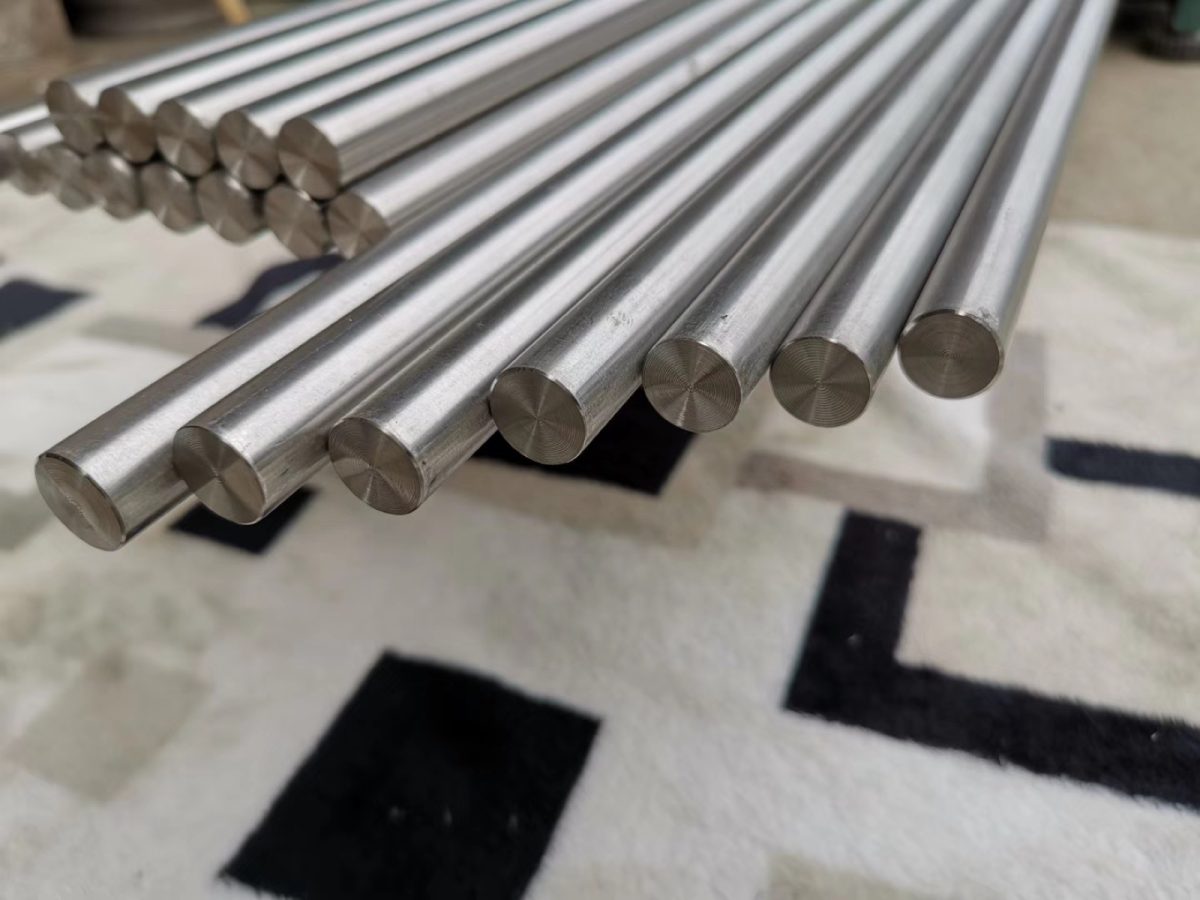
| Diameter range, precision ground | Ø3.175 mm to Ø25.4 mm (0.125 in to 1.000 in) |
| Standard diameter tolerance | ±0.0127 mm (±0.0005 in) |
| Tightened tolerance | ±0.0076 mm (±0.0003 in), by agreement at enquiry |
| Surface | Polished, 32 microinch RMS as specified. Peeled, ground or polished by diameter and downstream requirement |
| Condition | Annealed as the normal supply condition |
| Grain size | ASTM E112 ≥5.0 or ≥8.0, by order |
| Hydrogen control | ≤0.0034 wt%, against the ASTM F136 ceiling of 0.012 wt% |
| Standards | ASTM F136 and ISO 5832-3 for implant bar; ASTM B348 Grade 23 for industrial bar |
The tightened tolerance and any grain-size or hydrogen requirement are worth agreeing at enquiry rather than after the order, because both are set on the line and neither is corrected afterwards. Larger diameters outside the ground bar range are supplied peeled or turned, reviewed against the drawing before quotation.
Common Applications
Surgical implant and medical-related components specified by drawing
Orthopaedic and trauma fixation parts
High-toughness aerospace-related components
Low-temperature and fracture-critical parts
Inspection and Documentation
Five inspections run at 100 percent on the precision finished bar route, meaning every bar rather than a sample from the lot. Chemistry and tensile testing are sampled instead, because both destroy the specimen.
| Inspection at 100 percent | What it catches |
|---|---|
| Ultrasonic flaw detection | Internal discontinuities: inclusions, porosity and laps carried forward from the billet |
| Eddy current flaw detection | Surface and near surface defects, which ultrasound resolves poorly close to the skin |
| Surface optical inspection | Grinding marks, scratches and handling damage on the finished surface |
| Infrared laser diameter measurement | Diameter along the whole length rather than at the ends only |
| Straightness measurement | Bow over length, which affects feeding stability in automatic and sliding head machining |
The ultrasonic setting behind the words "ultrasonic tested"
| Ultrasonic parameter | Documented setting on the precision ground bar route |
|---|---|
| Method | Water immersion, focused longitudinal wave |
| Coverage | 100 percent of the circumference |
| Calibration reflector | Φ1.2 mm radial flat bottom hole, set to 80 percent screen height |
| Probe frequency | 10 MHz |
| Acceptance class | A1 |
| Acceptance specification | AMS-STD-2154 or GB/T 5193, whichever the order calls for |
Those six lines are worth writing onto a purchase order rather than accepting the words "ultrasonic tested", because a scan only becomes a meaningful pass or fail examination once the method, the coverage, the calibration reflector and the acceptance class are all fixed. The flat bottom hole is a calibration target, not a statement that every discontinuity of that size is detected.
Documentation
| Document | What it carries |
|---|---|
| Mill test certificate, EN 10204 3.1 | Full chemistry including the interstitials, and mechanical properties per heat |
| Heat number traceability | Marked on the bar and repeated on the certificate and packing documents |
| Ultrasonic testing report | Method, coverage, calibration and acceptance class as run |
| Independent laboratory test report | By agreement at enquiry, issued by a party that does not sell the material |
| Microstructure and grain size | Reported when the order calls for it |
Material behind Beiyu mill products is produced on a triple vacuum arc remelt route, meaning the manufacturing mill remelts the ingot three times under vacuum. A third remelt is bought for cleanliness rather than for compliance: melt count is not what a chemistry table checks, so a double melted heat can satisfy the same composition limits. Ask which supporting records are available for the material being quoted; the document scope is agreed at enquiry.
Packaging and Export Information
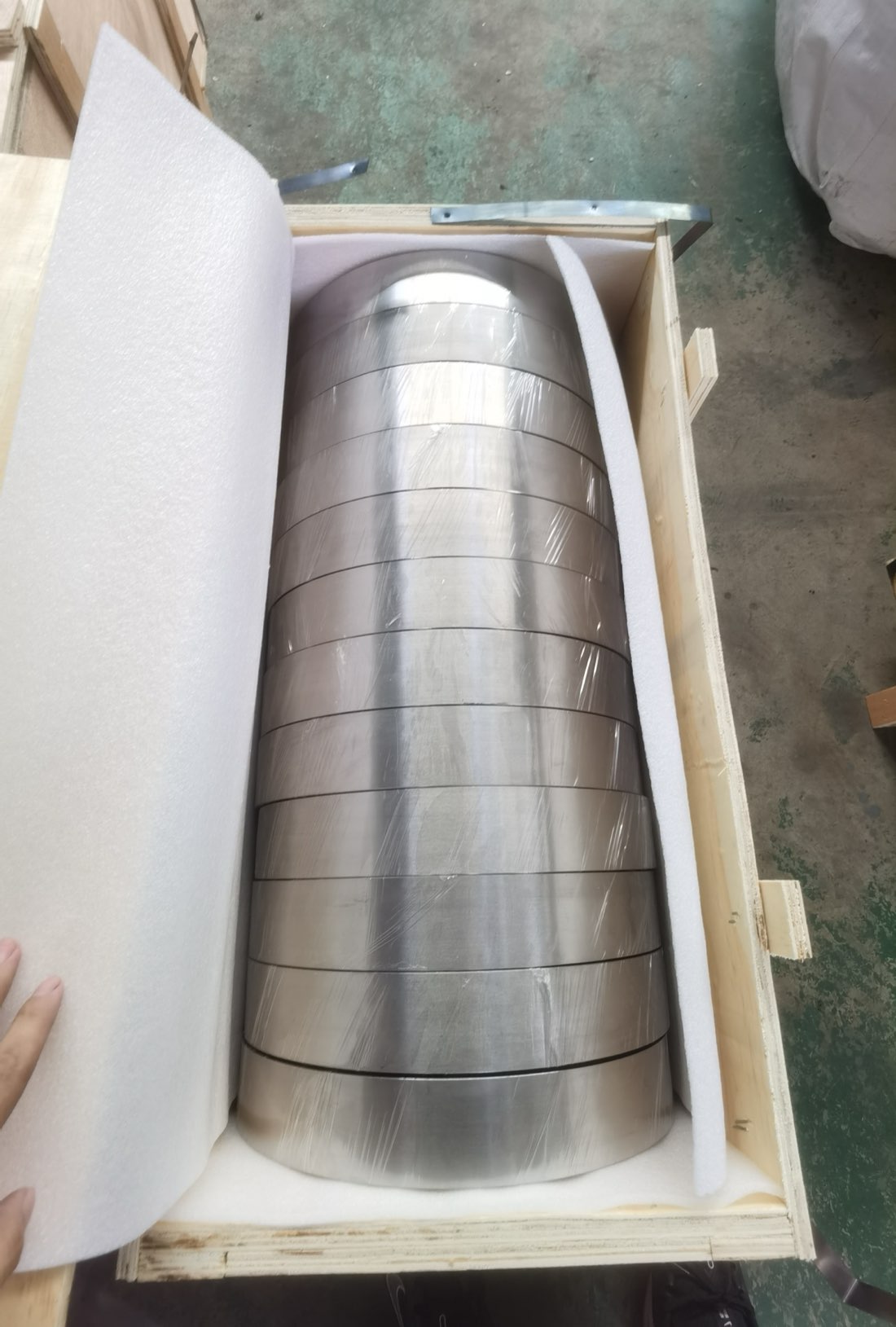
Grade 23 titanium bar is protected against surface damage and contamination, and marked by grade and heat number where traceability is required. Packing is selected by diameter, length and shipment method.
RFQ Information Needed
- Grade and standard: Grade 23 / Ti-6Al-4V ELI, ASTM F136 or B348
- Diameter, length and tolerance
- Condition, chemistry and mechanical property requirement
- Surface and cleanliness requirement
- Quantity, destination and packing
- Certificate, traceability and inspection requirements
FAQ
What is the difference between Grade 5 and Grade 23 titanium?
Grade 23 is the ELI (Extra Low Interstitials) version of Grade 5 Ti-6Al-4V, with lower oxygen and iron for improved ductility and fracture toughness, which suits implant and fracture-critical use.
Which standard applies to Grade 23 implant bar?
ASTM F136 is commonly used for Ti-6Al-4V ELI surgical implant material; ASTM B348 may apply for general bar.
What documents can be provided?
Mill test certificate, EN10204 3.1 documentation, heat number traceability and chemical/mechanical reports can be supplied when specified.
Procurement Notes for Grade 23 Ti-6Al-4V ELI Bar
Grade 23 titanium bar is usually purchased for medical, aerospace or fracture-critical parts where lower interstitial Ti-6Al-4V ELI chemistry is required. RFQs should state ASTM F136, AMS 4930 or the applicable customer specification, plus diameter, length, tolerance, annealed condition, surface finish and quantity. Do not assume general Grade 5 bar is acceptable for Grade 23 applications.
Useful documentation requirements include chemical composition, mechanical properties, heat traceability, MTC, EN10204 3.1, ultrasonic inspection and PMI where specified. For medical-related machining, include final component type, drawing revision, machining allowance, straightness, cleanliness and packaging requirements. Acceptance should follow the buyer's controlled specification rather than generic titanium alloy wording.
Include drawing revision, lot size and required certificate format.
Compare the titanium bar family
Titanium bar category| Product | Grade | Standard | Best for | Link |
|---|---|---|---|---|
| Grade 5 Bar | Ti-6Al-4V | ASTM B348 | High-strength machined parts | View |
| AMS 4928 Grade 5 Bar | Ti-6Al-4V | AMS 4928 | Aerospace bar control | View |
| Grade 2 Bar | CP titanium | ASTM B348 | Corrosion service and weldable parts | View |
| Grade 23 ELI Bar | Ti-6Al-4V ELI | ASTM F136 | Implant and fracture-critical parts | Current page |
| Grade 7 Bar | Ti-0.15Pd | ASTM B348 | Reducing-acid corrosion service | View |
| ASTM F67 CP Bar | CP Grade 1-4 | ASTM F67 | Surgical implant material | View |
Other titanium forms and products
Titanium bar category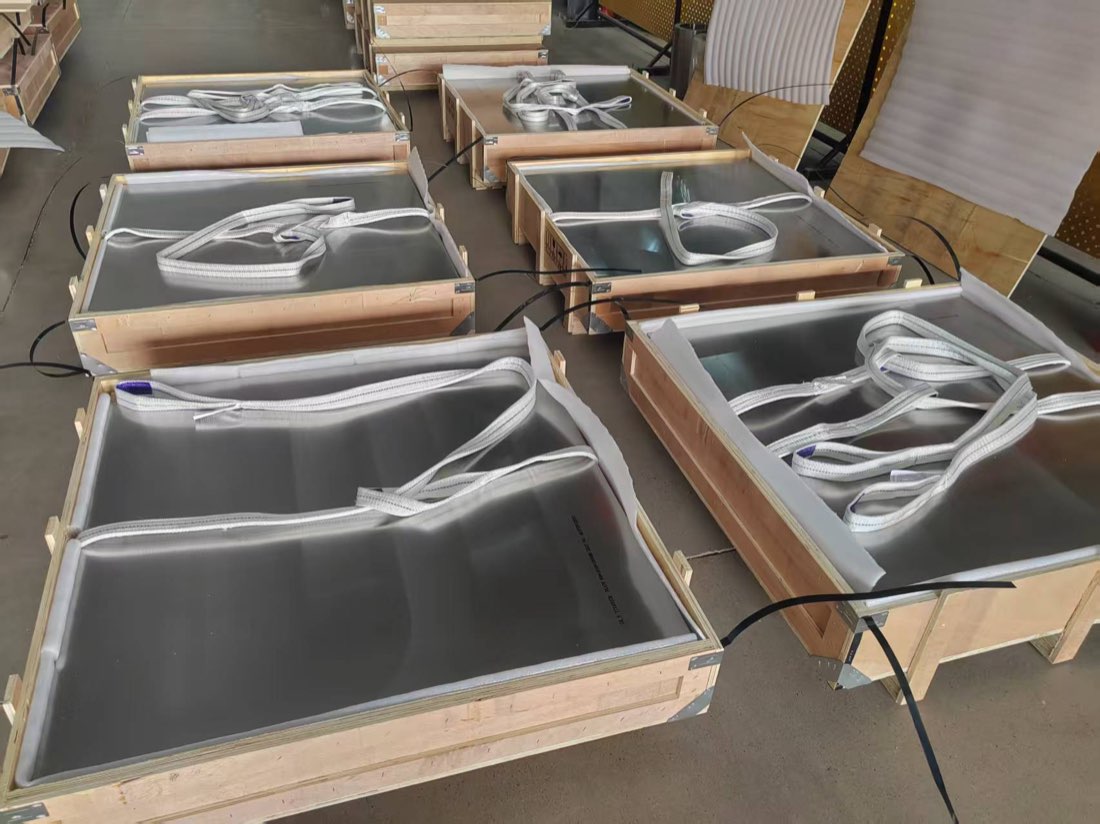
Request a quote for Ti-6Al-4V ELI Titanium Bar | Grade 23 ASTM F136 Bar
Send grade, standard, size, condition, quantity and certificate requirements. Beiyu replies with quotation, lead time and documentation scope.
Specification detail with sources
Ti-6Al-4V ELI bar is separated from standard Grade 5 at the interstitial line: ASTM F136 caps oxygen at 0.13 percent, and the same chemistry carries a different UNS number depending on the purchase route, R56401 under F136 but R56407 when the bar is bought as ASTM B348 Grade 23. Certificates should quote the number matching the ordered route, a detail worth confirming at receiving inspection before bar enters a controlled implant workflow.
Beiyu Titanium runs a documented precision route for Ti-6Al-4V ELI bar: Beiyu's centerless ground medical bar holds plus or minus 0.0127 mm, equal to 0.0005 in, with a surface finish of Ra 0.8 µm or better, supplied in the annealed condition. Beiyu quotes ELI bar against ASTM F136 and ISO 5832-3, both carried on its bar standard list, applying the grinding program when the drawing tolerance requires it rather than pricing it into every bar.